Working conditions
Identify temperature, contact fluids and repeated movement.

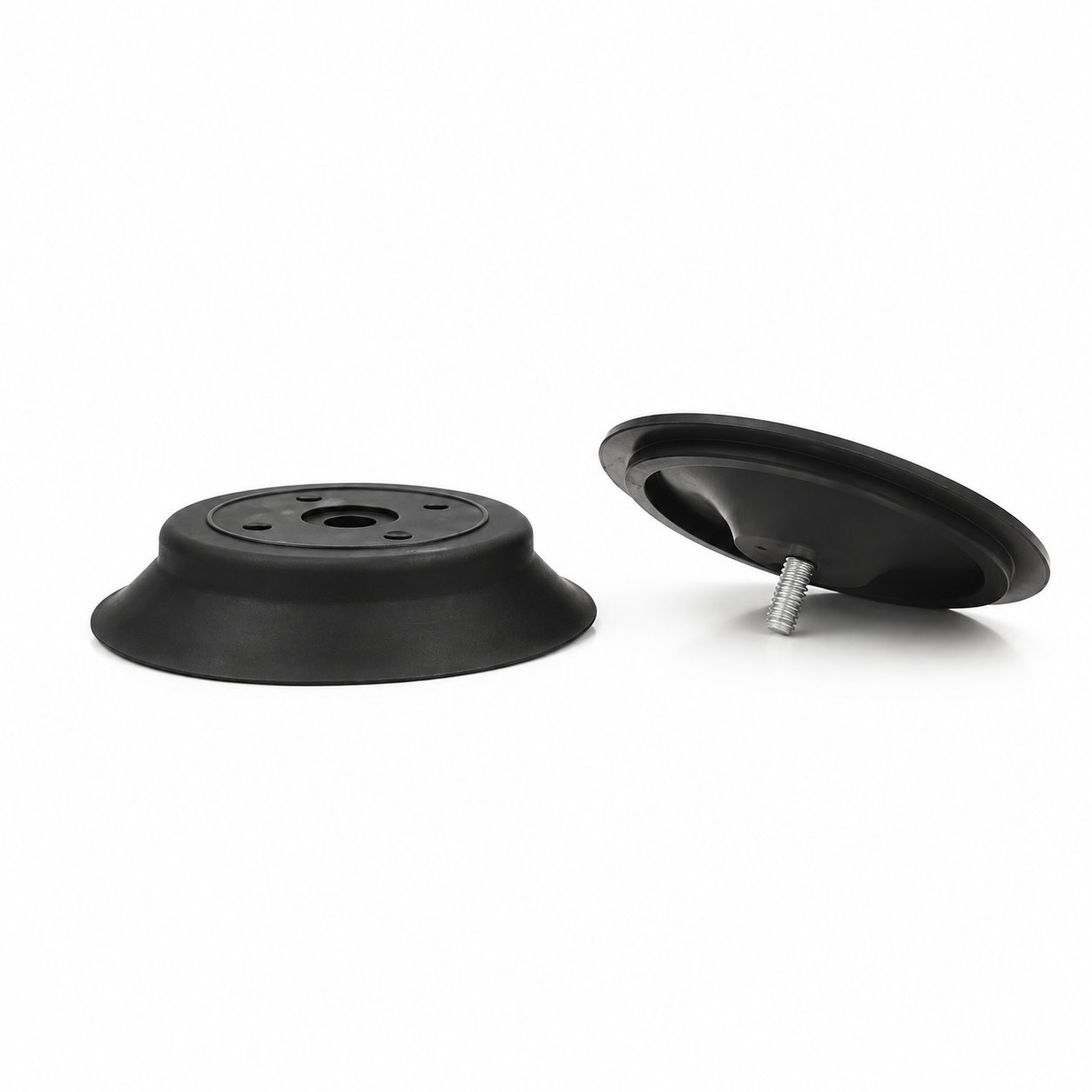
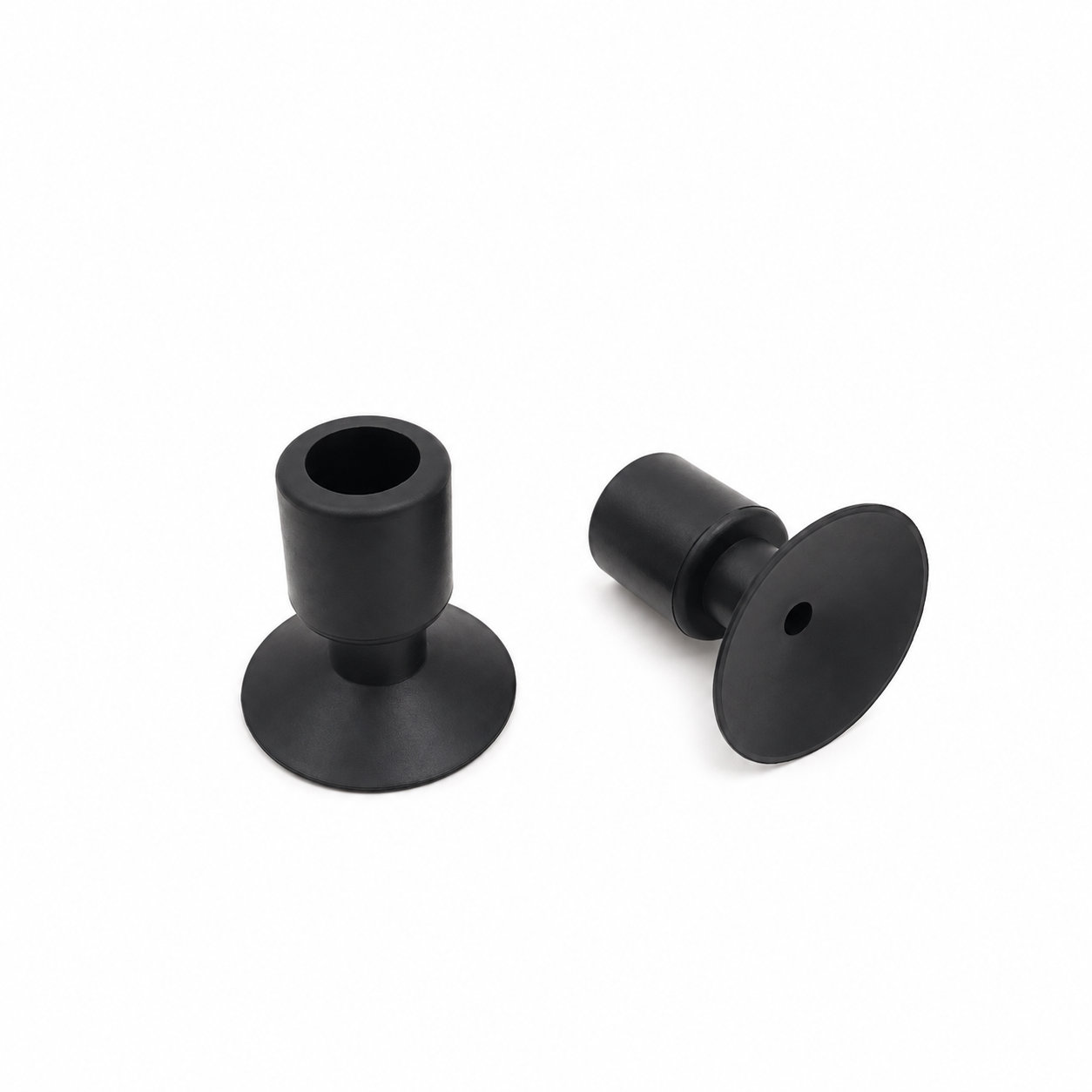
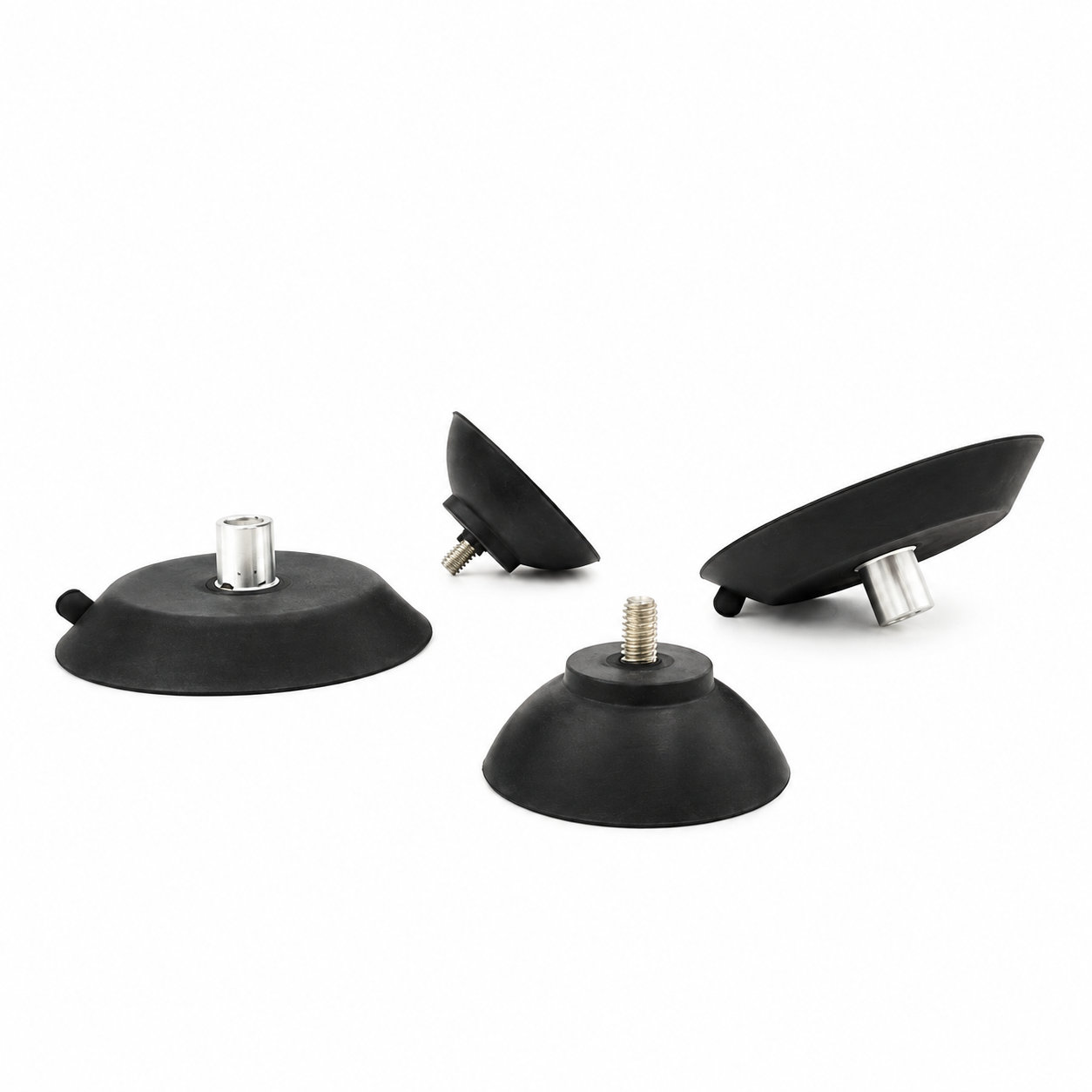
Custom manufacturing example · Black strong anti vibration silicone rubber suction cup feet
CUSTOM RUBBER & SILICONE MANUFACTURING
A custom component for your assembly.
Define the mating surfaces, dimensions and working conditions. ETOL manufactures the part to the agreed design and material.
Share the part, its application and your estimated quantity.
Selected for the contact, temperature and movement
Define the visible surfaces and intended color
Develop holes, lips and walls around the mating parts
Match the attachment and installation method
Black silicone suction cup feet combine a supporting contact with a suction interface at the surface beneath the equipment. Their installed height and placement should allow the base to rest evenly. If one foot is compressed differently, the equipment may load the remaining contacts unevenly.
Define the attachment to the base and the intended supporting surface. Any anti vibration behavior should be assessed with the complete equipment and its normal connections, not assigned from the foot material alone.
Check the set after assembly for rocking, tilted rims or unintended rigid contact below the base. Evaluate retention and stability under representative operating forces. Keep the contact faces clean and inspect for debris or curling before repositioning the device. During maintenance, compare condition across the feet and review the base if one contact repeatedly loosens. A new foot alongside deformed neighbors can change the load distribution, so replacement should restore the developed support configuration.
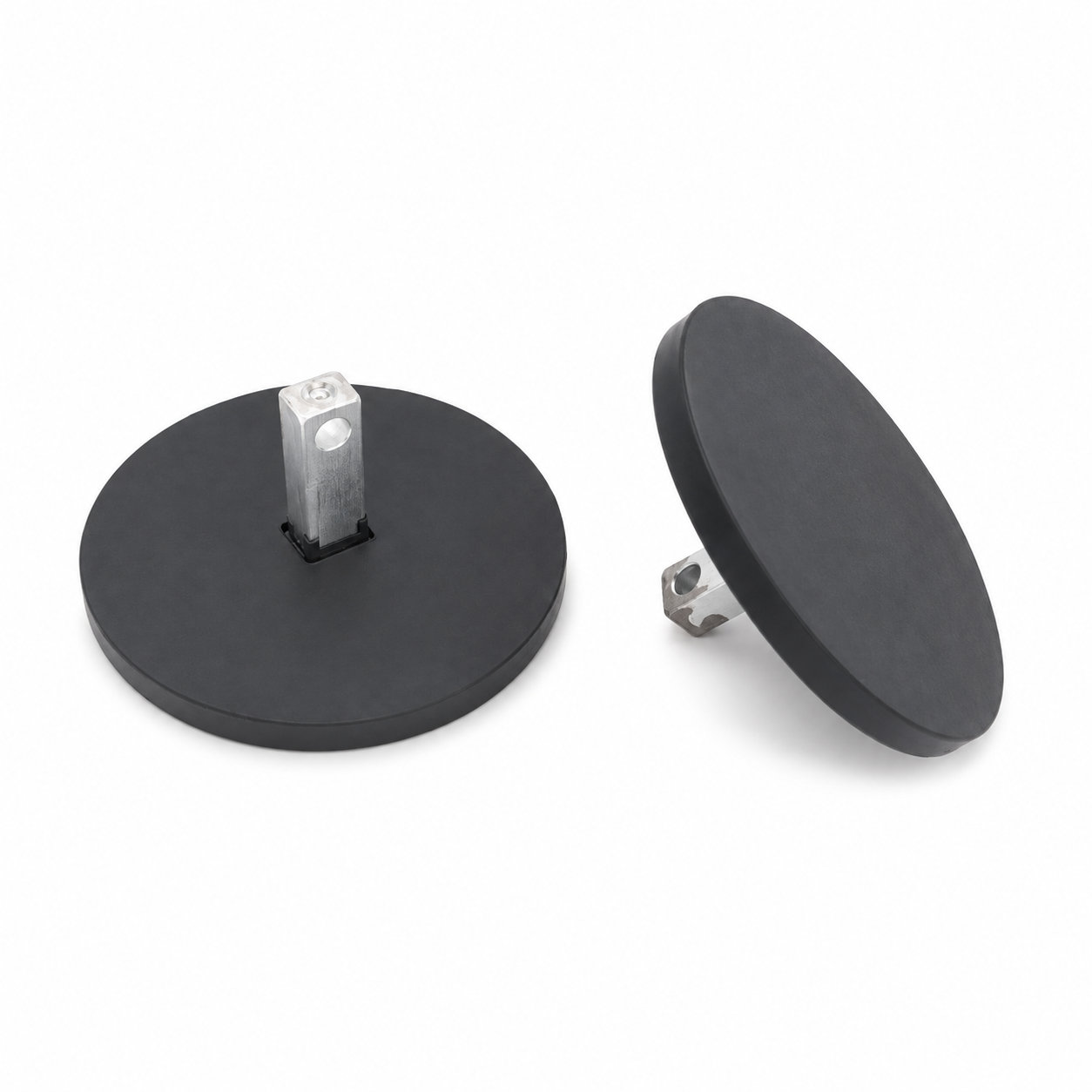
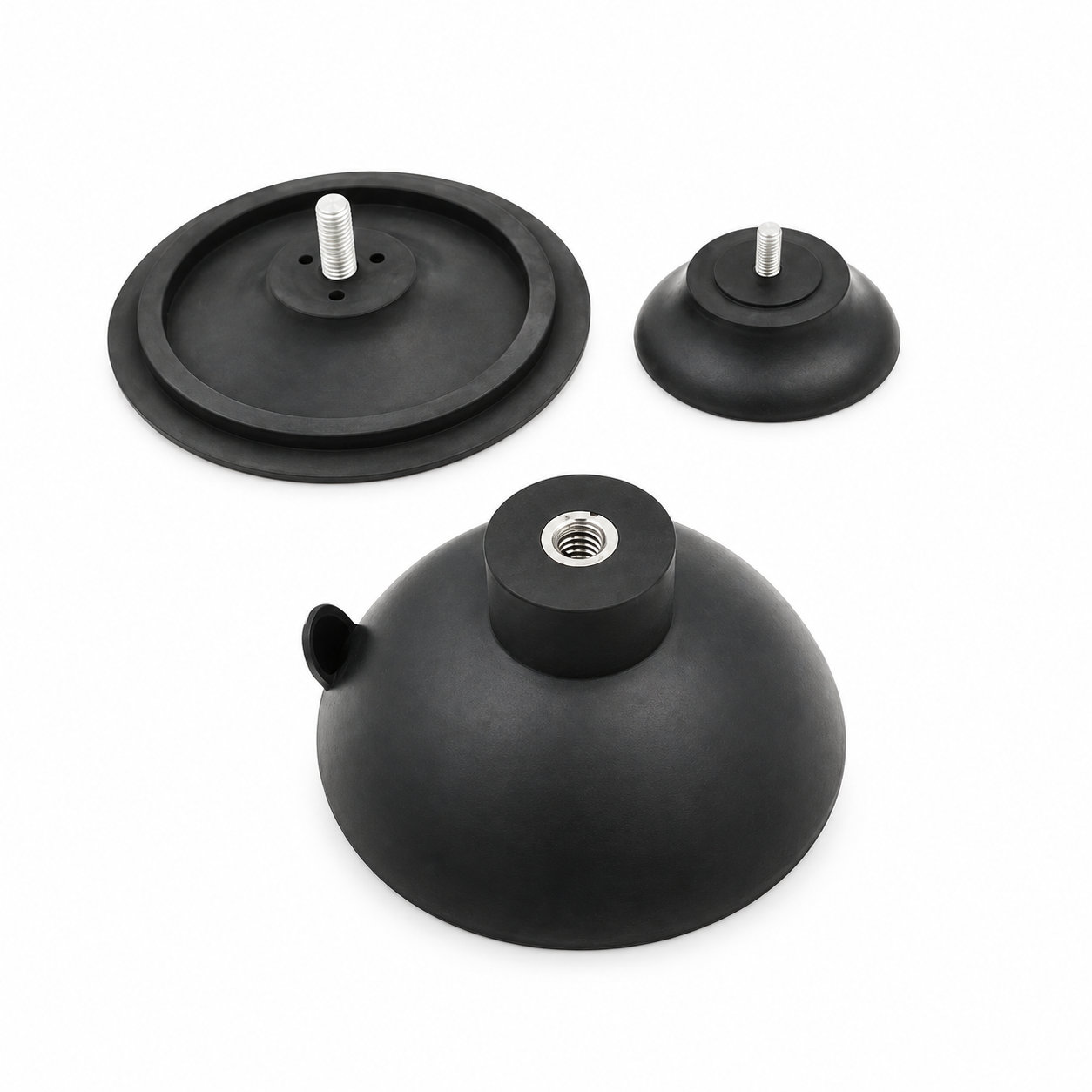
Photos illustrate structure or material appearance only. Black silicone suction cup feet combine a supporting contact with a suction interface at the surface beneath the equipment. ETOL directly manufactures custom-shaped silicone and rubber parts to your requirements.
Identify key dimensions, mating surfaces and quantity
Agree the compound and manufacturing approach
Review the fit and agreed requirements in the assembly
Manufacture and check against the approved requirements
Identify temperature, contact fluids and repeated movement.
Consider hardness together with wall thickness and support.
Check access, mating dimensions and the fitting sequence.
Yes. Show the receiving opening, contact surfaces and clearance limits. We can review the dimensions and retaining features around the intended fit.
Agree the critical dimensions, material, hardness, visible surfaces and sample requirements. Explain how the part is installed and which interfaces control its function.
A sample can help explain the structure. Compare it with the assembly because wear, swelling or compression may have changed its original dimensions.
The material, part geometry, tooling, quantity and finishing affect the quotation. Include the intended batch size and delivery destination when describing your requirements.
DISCUSS THIS COMPONENT
Share the fit, operating conditions and quantity with our manufacturing team.
EXPLORE RELATED DESIGNS
Explore similar part structures and applications for your next project.