
Shape & fit
Custom profiles, holes, grooves, lips and wall thicknesses to suit the surrounding assembly.
CUSTOM MANUFACTURING · FACTORY DIRECT
ETOL manufactures custom rubber and silicone parts from drawings, samples and application requirements. Develop the shape, material and fitting details directly with our factory.
Have an idea instead of a drawing? Start with what the part needs to do.
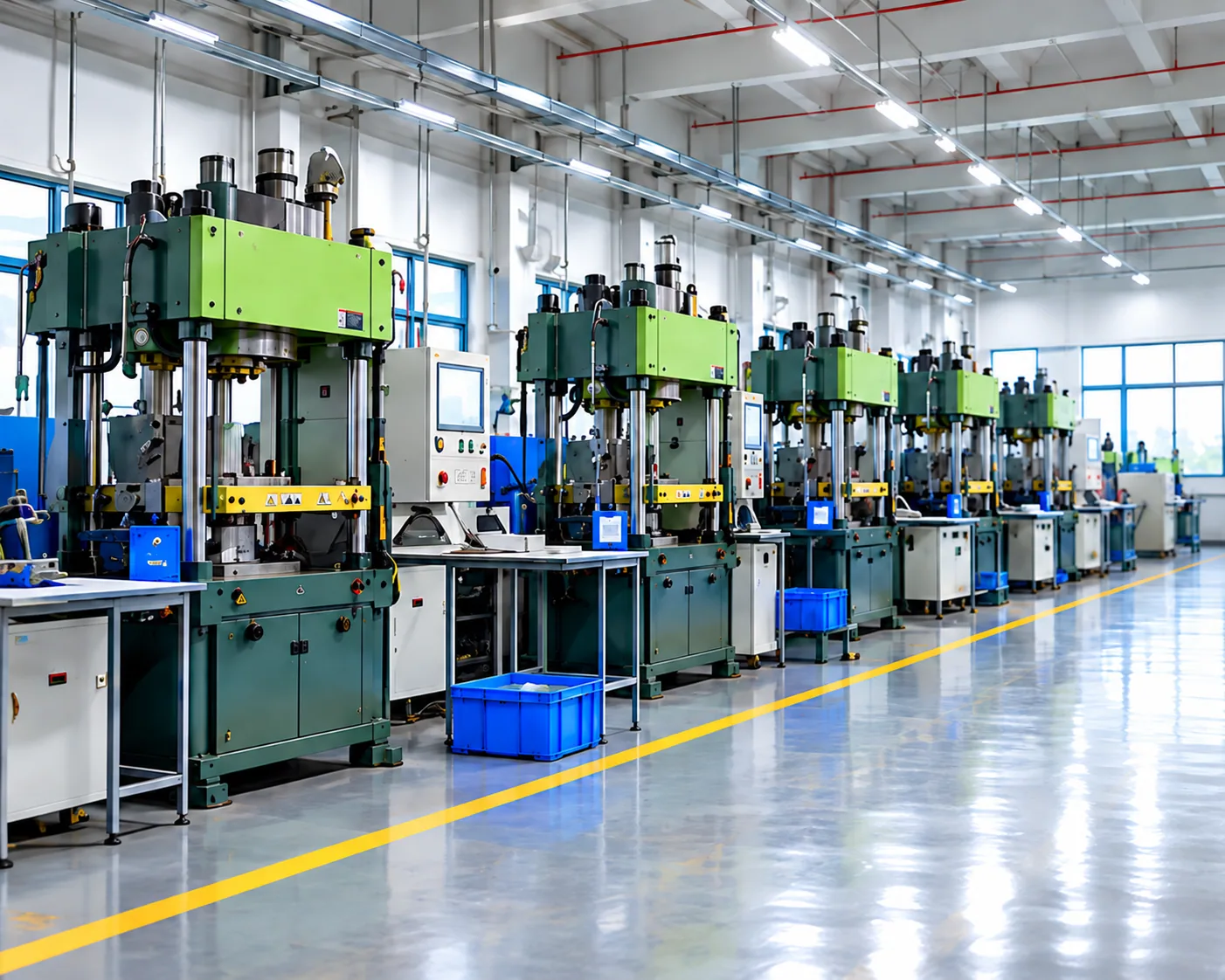
WORK DIRECTLY WITH THE FACTORY
Rubber manufacturing and custom silicone molding begin with the mating surfaces, available space and working conditions. Molded rubber parts use a defined cavity to form the required contours; the compound and geometry guide the tooling and processing route.
ETOL brings material selection, tooling, sampling and production into one manufacturing conversation. We review the important details with you before making the mold, then use sample feedback to prepare for production.
Mounting holes, sealing edges and mating surfaces shape the design.
Material, key dimensions, finish and quantity guide the work.
A PART THAT FITS YOUR PROJECT
Specify the dimensions and features that control installation, contact and movement.
Grommets, seals, feet, covers, bellows and other non-standard parts: the design starts with your requirements. AI-generated photo-style images illustrate customization concepts; they are not photographs of our factory or product specifications.
FROM YOUR IDEA TO A PRODUCTION RUN
We settle the details first, review the sample together, then move into production.
Share a drawing, a sample or photos with dimensions. Tell us where the part fits, what it touches and how many you need.
We discuss the shape, important dimensions, softness and working conditions, then agree the manufacturing approach.

Tooling gives the part its shape. Trial samples let you review the material, finish and fit before a production run.
Try the sample in your assembly. Confirm the agreed details or resolve any changes before approving production.

We prepare the material, form and cure the parts, then remove excess material and complete the agreed finishing.
Check the agreed dimensions and appearance, pack for handling and arrange delivery to the confirmed destination.
AI-generated photo-style images explain the main steps; tooling and equipment vary by project.
INSIDE THE PRODUCTION PROCESS
The exact route depends on the material and geometry. For molded parts, this is the basic flow.
Measure and prepare the agreed material and color.
Use the mold, heat and pressure to form the part and set the material.
Remove excess edges; complete any additional curing or finishing the compound requires.
Review the agreed dimensions, surfaces and visible defects before packing.
Molded parts
A mold forms details such as holes, lips, ribs and custom contours.
Continuous profiles
Extrusion forms a repeating cross-section, such as a tube or strip, which is then cut to length.
Flat shapes
Cutting a sheet can suit flat pads or gaskets. Thickness and edge requirements help determine the route.
MATERIALS, IN PLAIN ENGLISH
You do not need to know a rubber grade. Start with the conditions your part will face.
A starting point for flexible covers, buttons and parts facing hot or cold conditions. Tell us about rubbing or tearing loads too.
Often considered for weather-exposed seals and water-related uses. Contact with oil or fuel changes the choice.
Often considered for oil-contact parts. The exact fluid and working temperature still need to be checked.
A starting point for resilient cushions and vibration-related parts. Outdoor exposure and oil contact need extra consideration.
An option to review when heat and chemical contact drive the design. Name the actual fluid; no material suits every chemical.
A cellular material for cushioning or filling gaps. Tell us how much it will be squeezed and whether water needs to be kept out.
Softer parts usually bend and compress more easily. Firmer parts resist being squeezed. The shape and thickness matter too, so we review the material and the design together.
Images are AI-generated application illustrations. These are starting points, not performance ratings. Final selection depends on the compound, temperature, contact fluids and load. Tell us about any food contact or other special requirements at the start.
BEFORE WE START
You can begin with a practical problem, a sample or a finished design.
Yes. ETOL is the direct manufacturing factory for custom silicone and rubber parts. We work with you on the requirements, material, tooling, sampling and production.
Yes. A sample, photos and key dimensions help us understand the shape. Tell us which surfaces must fit other parts and what you want to change.
Describe where the part is used, how hot or cold it gets, what it touches and whether it needs to bend, seal or cushion. We can discuss material options in those terms.
The material, part size, geometry, tooling, quantity and finishing all affect the quotation and schedule. We confirm these for your project after reviewing the requirements.
Yes. Sample review is part of the process. Check the fit and agreed requirements in your assembly, and resolve changes before production approval.
LET'S MAKE YOUR NEXT PART
A drawing or sample. Key dimensions. Working conditions. Estimated quantity.