Working conditions
Identify temperature, contact fluids and repeated movement.

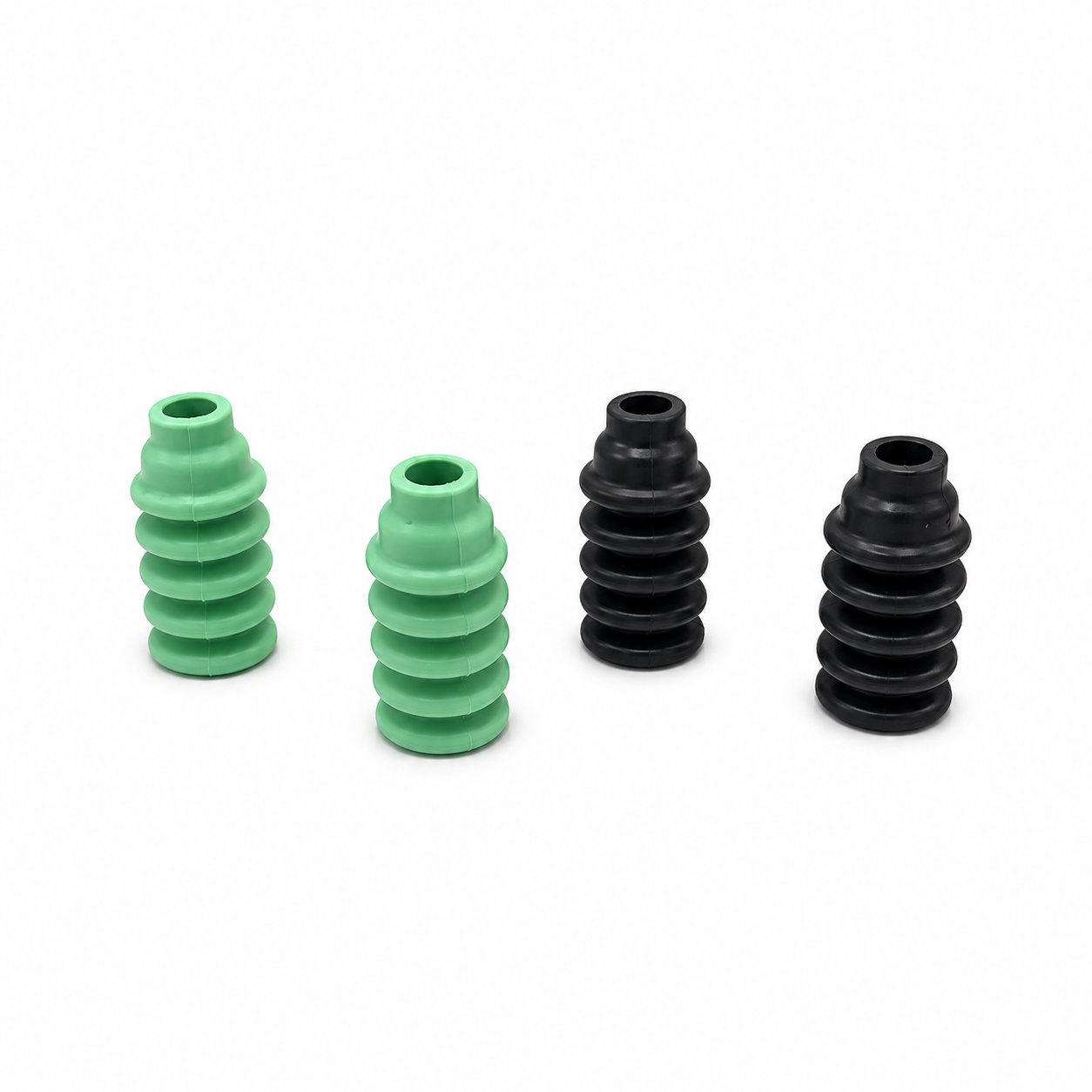
Custom manufacturing example · Automotive Rubber Bellows Dust Accordion Bellows
CUSTOM RUBBER & SILICONE MANUFACTURING
A custom component for your assembly.
Define the mating surfaces, dimensions and working conditions. ETOL manufactures the part to the agreed design and material.
Share the part, its application and your estimated quantity.
Selected for the contact, temperature and movement
Define the visible surfaces and intended color
Develop holes, lips and walls around the mating parts
Match the attachment and installation method
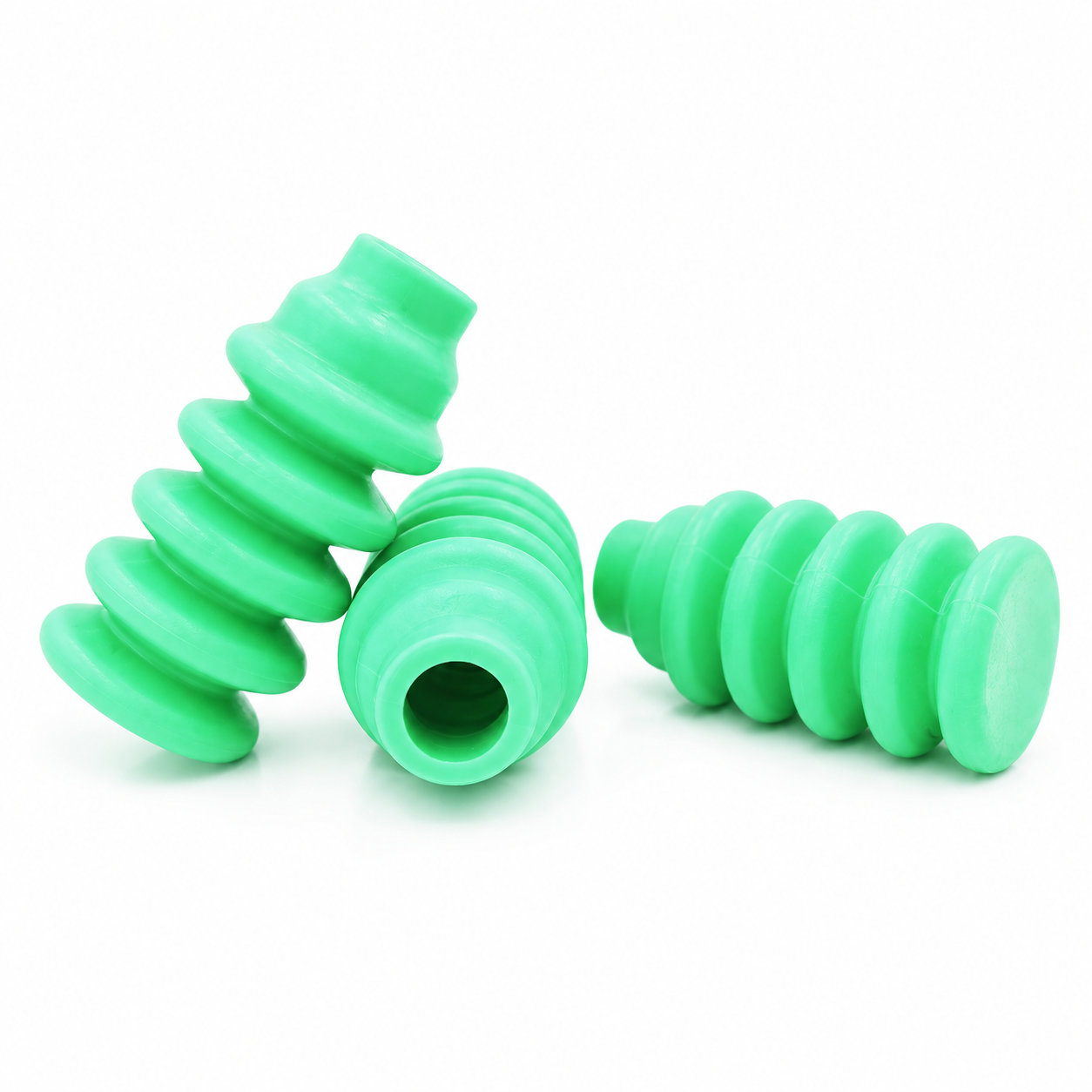
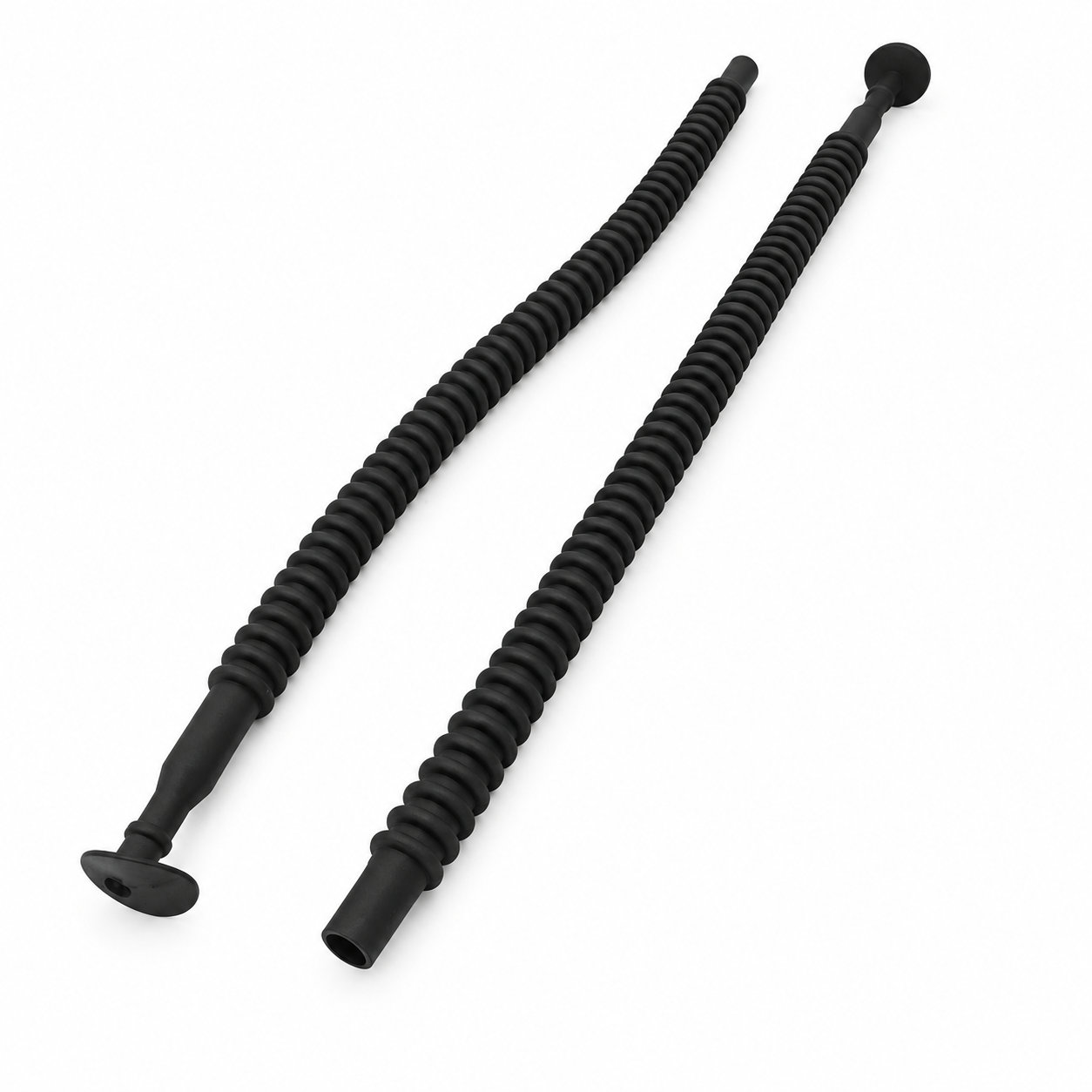
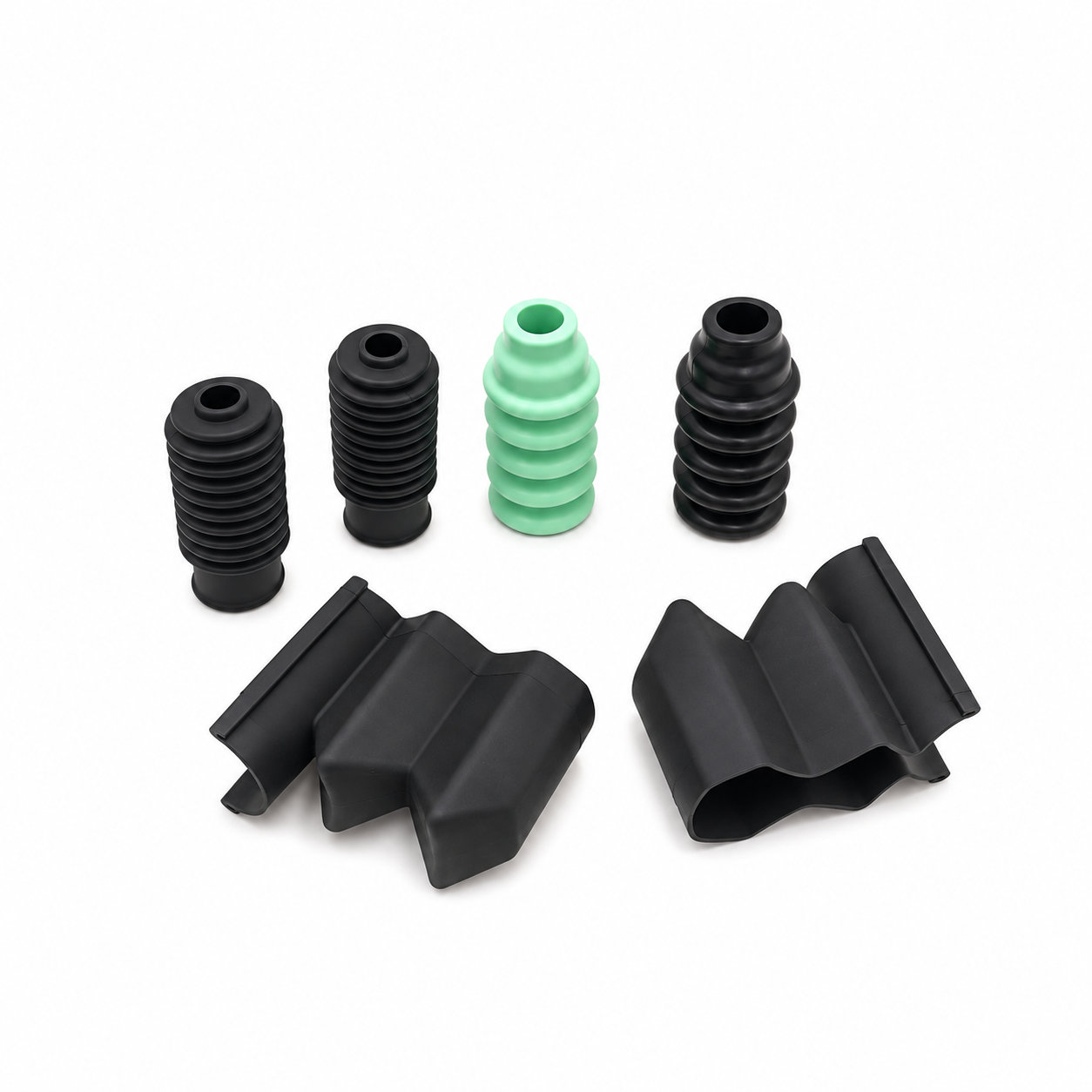
Automotive rubber bellows accommodate changing distances around a moving component while covering an exposed region. Their folded shape gives designers a way to manage axial movement without leaving a loose sheet of material beside the mechanism. Successful fit depends on the entire movement envelope, including steering or lateral motion where these affect the surrounding assembly.
Check the relaxed length against both operating extremes. At compression, the folds need room to gather without becoming trapped against adjacent hardware. At extension, the end connections should remain seated without pulling the folded body taut. A bellows fitted at an unusual service position may look correct even though the normal working position leaves it overstretched.
End retention deserves a separate check from body flexibility. Select the connection diameters, attachment method, and material around the actual mating parts, exposure, and maintenance access. Avoid twisting the body while securing the second end; residual twist can shift folds into nearby surfaces during operation.
Inspection is easiest when the assembly can move slowly through its permitted travel. Look for fold inversion, rubbing, and displaced ends, then repeat the check with surrounding covers installed. Keep the exterior free of packed debris that restricts folding, and investigate repeated damage at one location as a possible clearance problem rather than simply replacing the boot again.
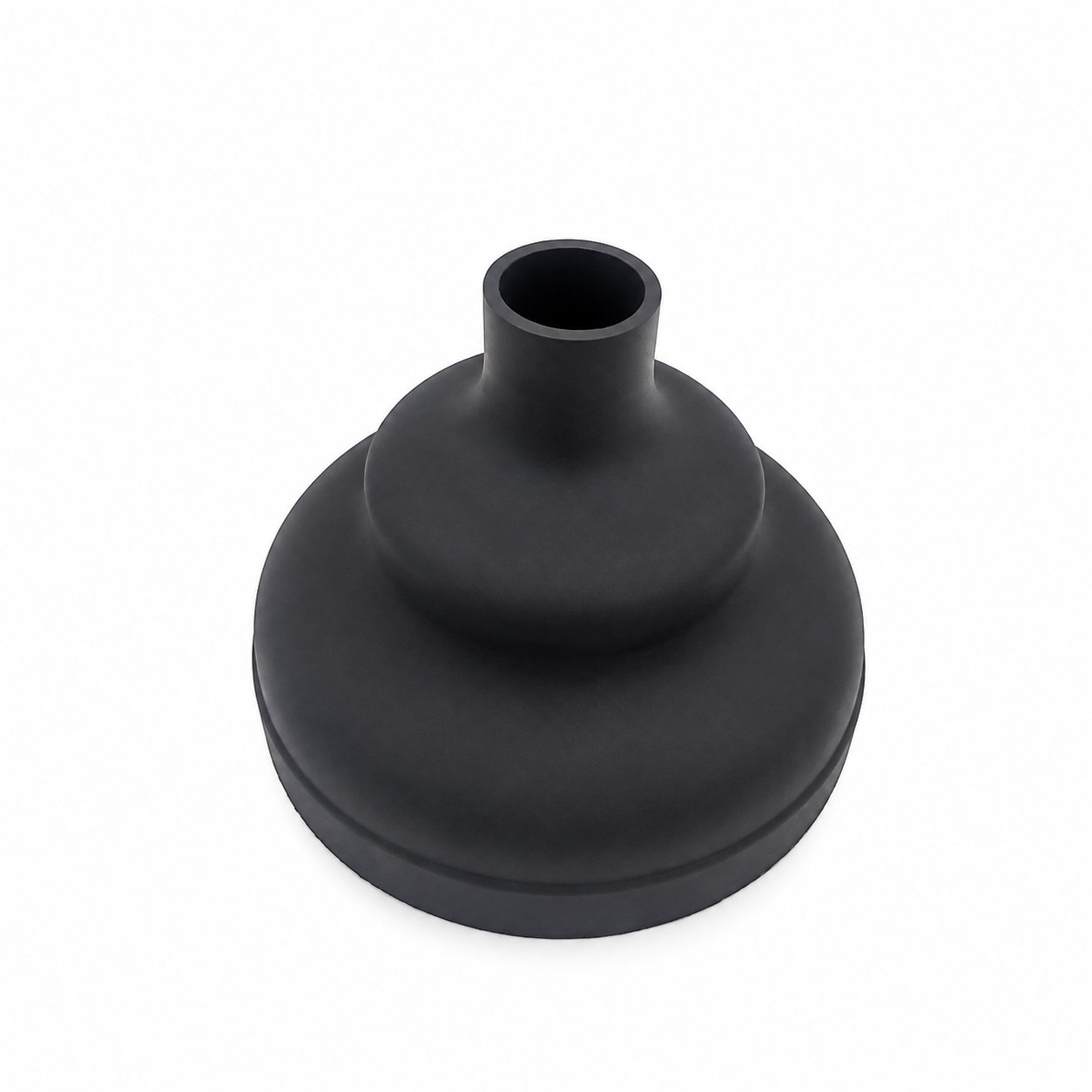
Photos illustrate structure or material appearance only. Successful fit depends on the entire movement envelope, including steering or lateral motion where these affect the surrounding assembly. ETOL directly manufactures custom-shaped silicone and rubber parts to your requirements.
Identify key dimensions, mating surfaces and quantity
Agree the compound and manufacturing approach
Review the fit and agreed requirements in the assembly
Manufacture and check against the approved requirements
Identify temperature, contact fluids and repeated movement.
Consider hardness together with wall thickness and support.
Check access, mating dimensions and the fitting sequence.
Yes. Show the receiving opening, contact surfaces and clearance limits. We can review the dimensions and retaining features around the intended fit.
Agree the critical dimensions, material, hardness, visible surfaces and sample requirements. Explain how the part is installed and which interfaces control its function.
A sample can help explain the structure. Compare it with the assembly because wear, swelling or compression may have changed its original dimensions.
The material, part geometry, tooling, quantity and finishing affect the quotation. Include the intended batch size and delivery destination when describing your requirements.
DISCUSS THIS COMPONENT
Share the fit, operating conditions and quantity with our manufacturing team.
EXPLORE RELATED DESIGNS
Explore similar part structures and applications for your next project.