Working conditions
Identify temperature, contact fluids and repeated movement.

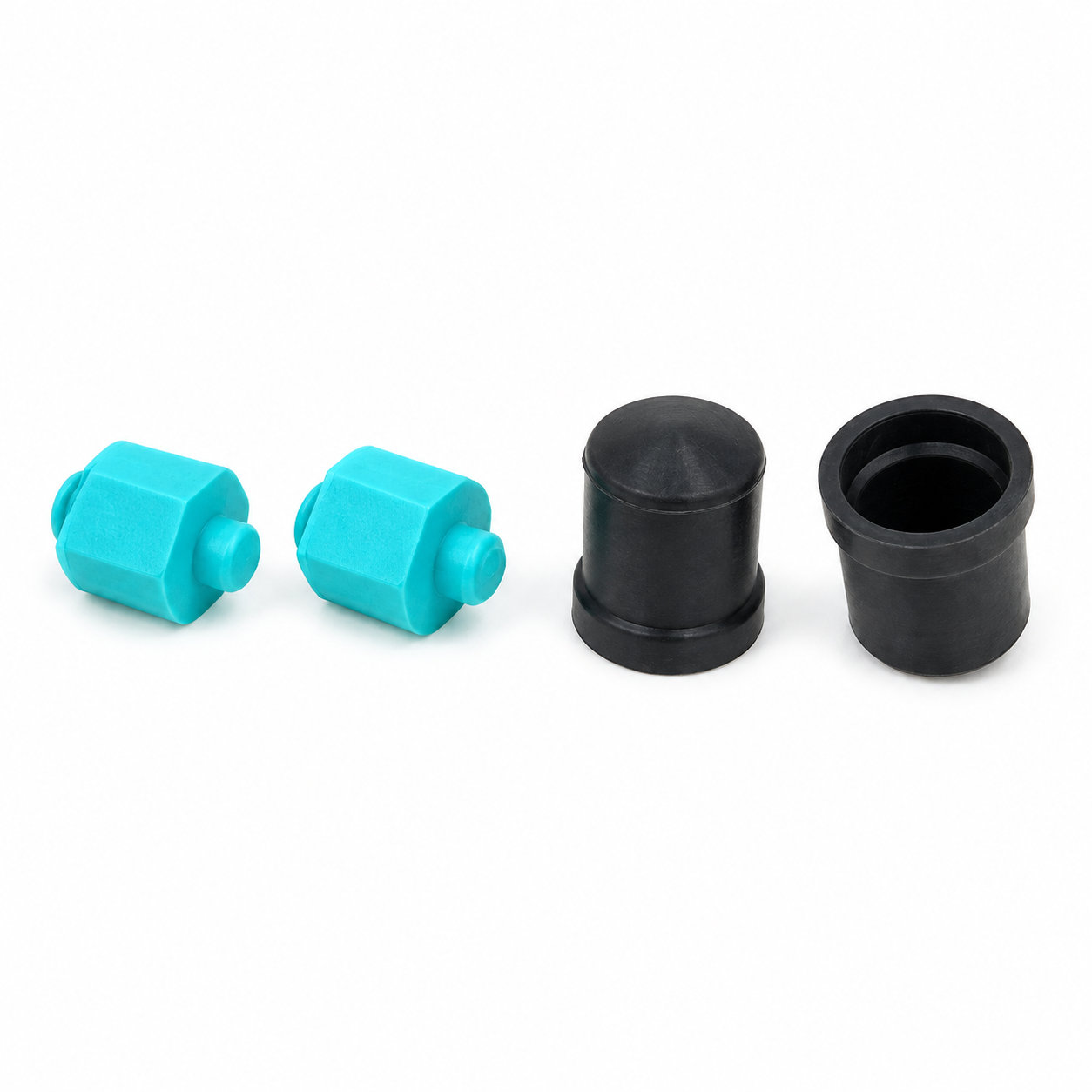
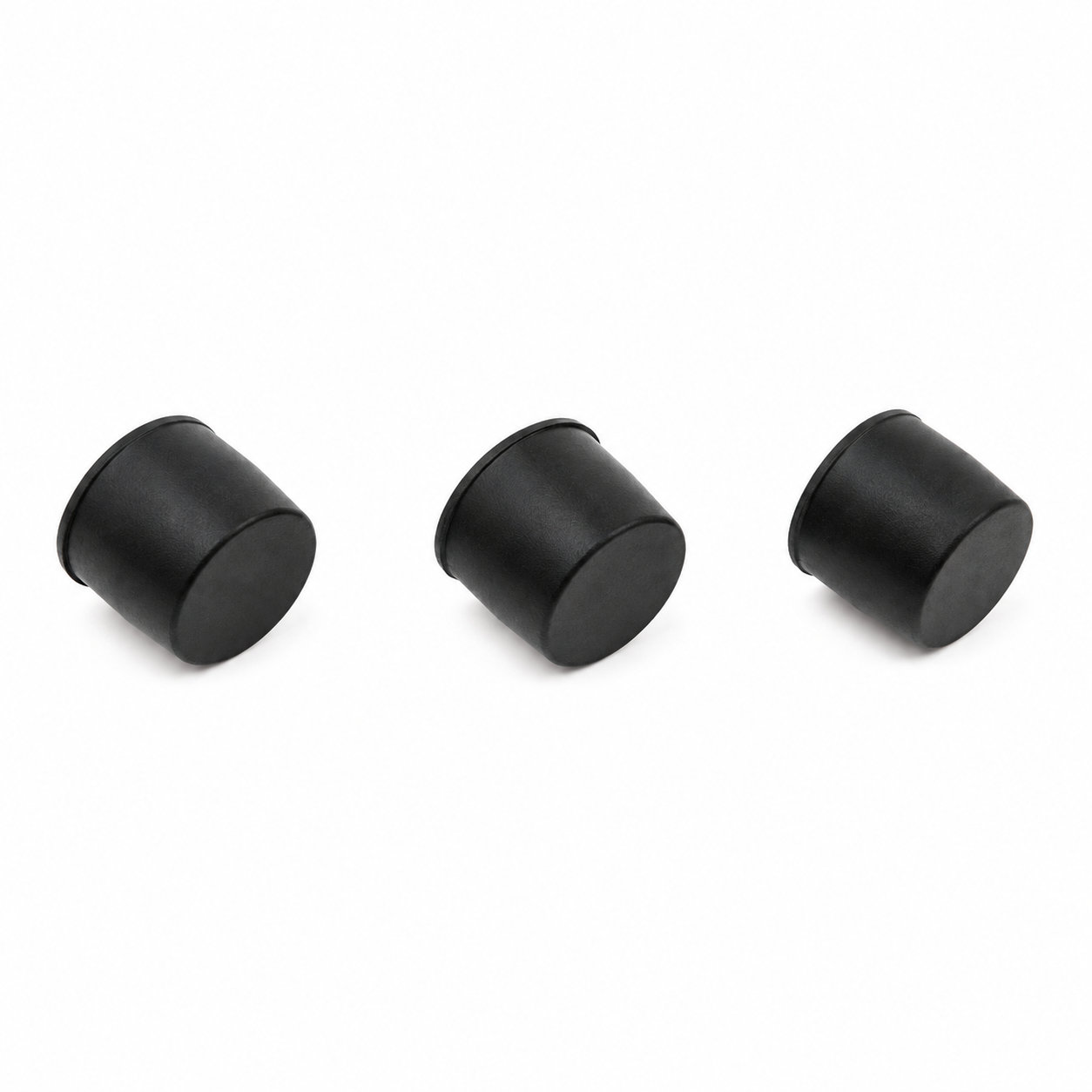
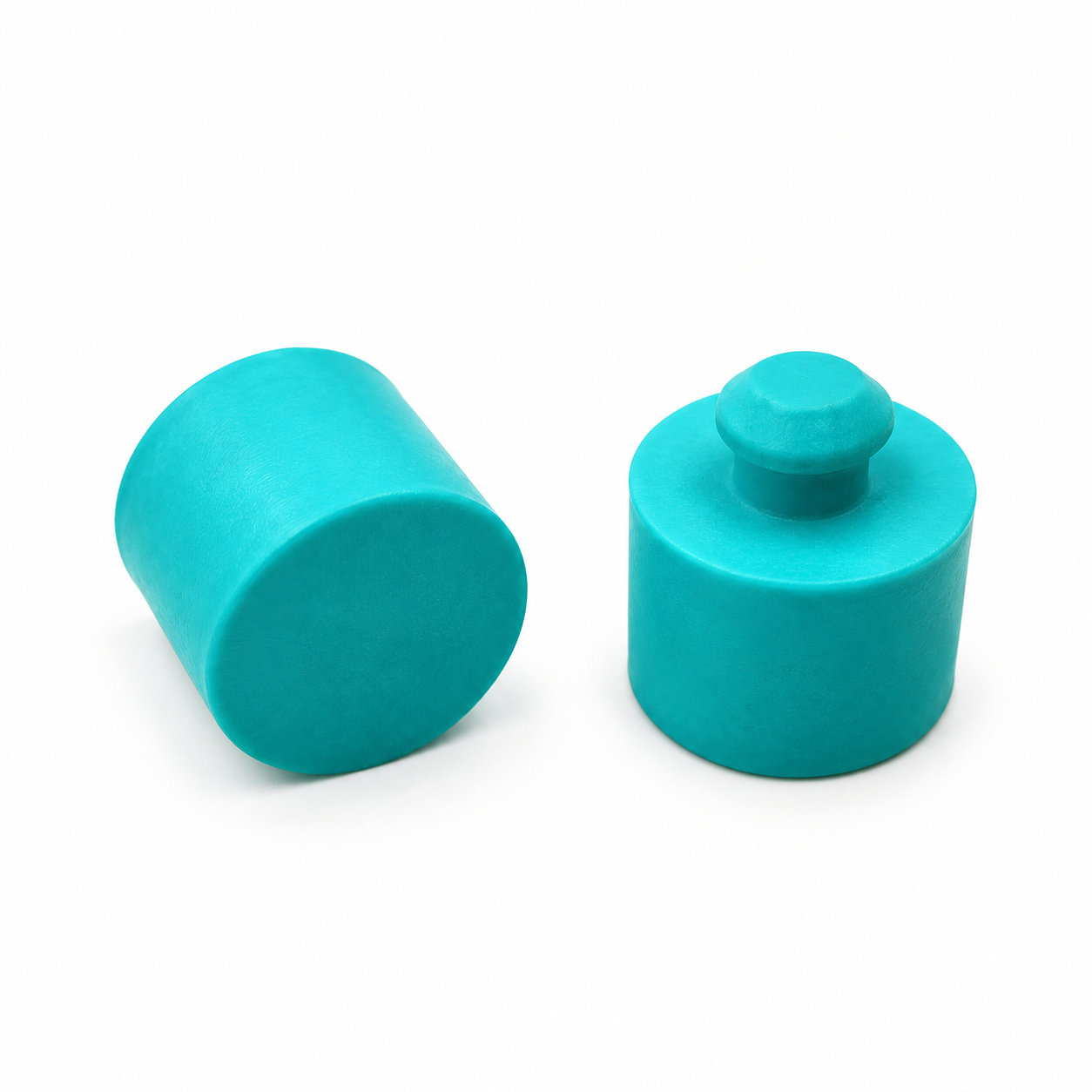
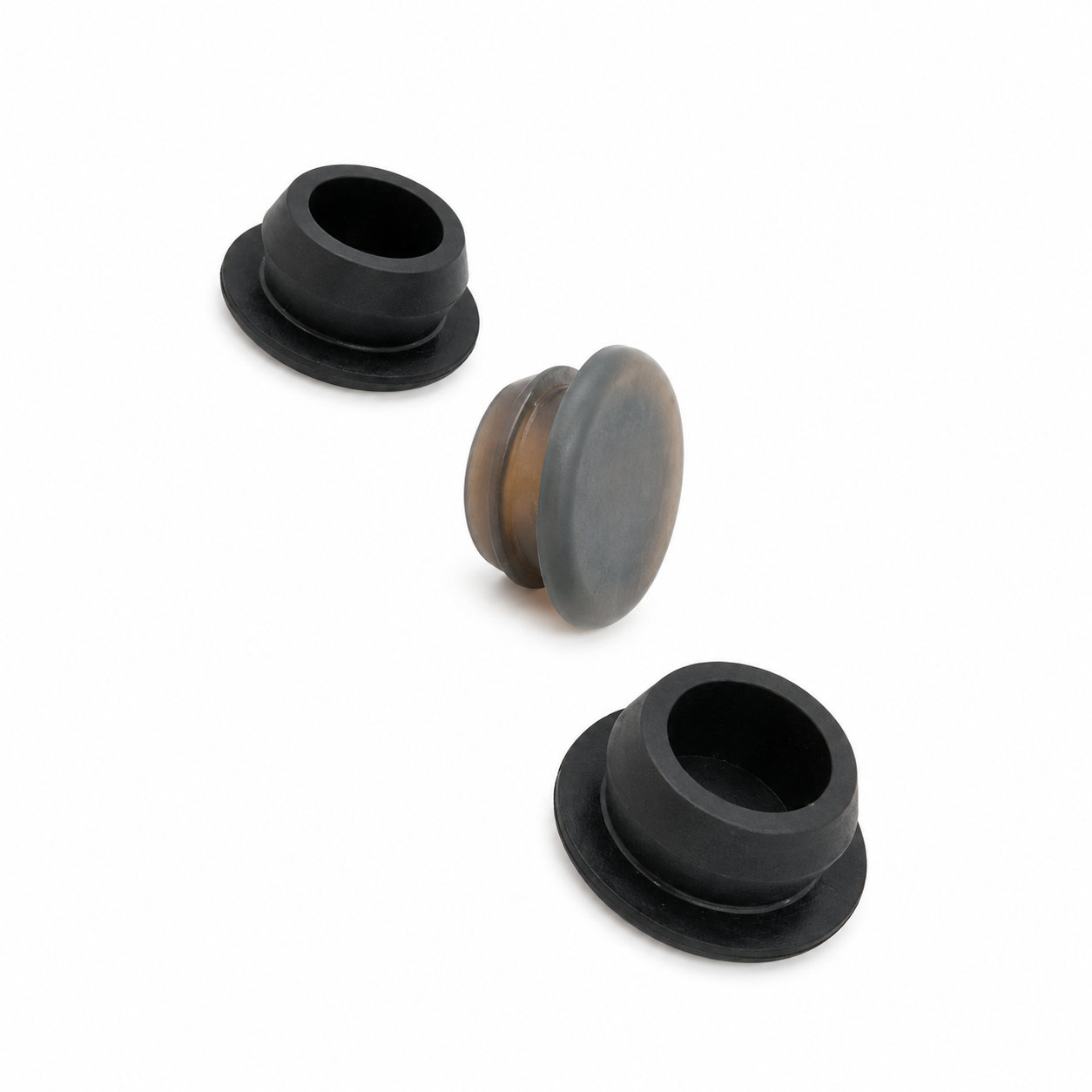
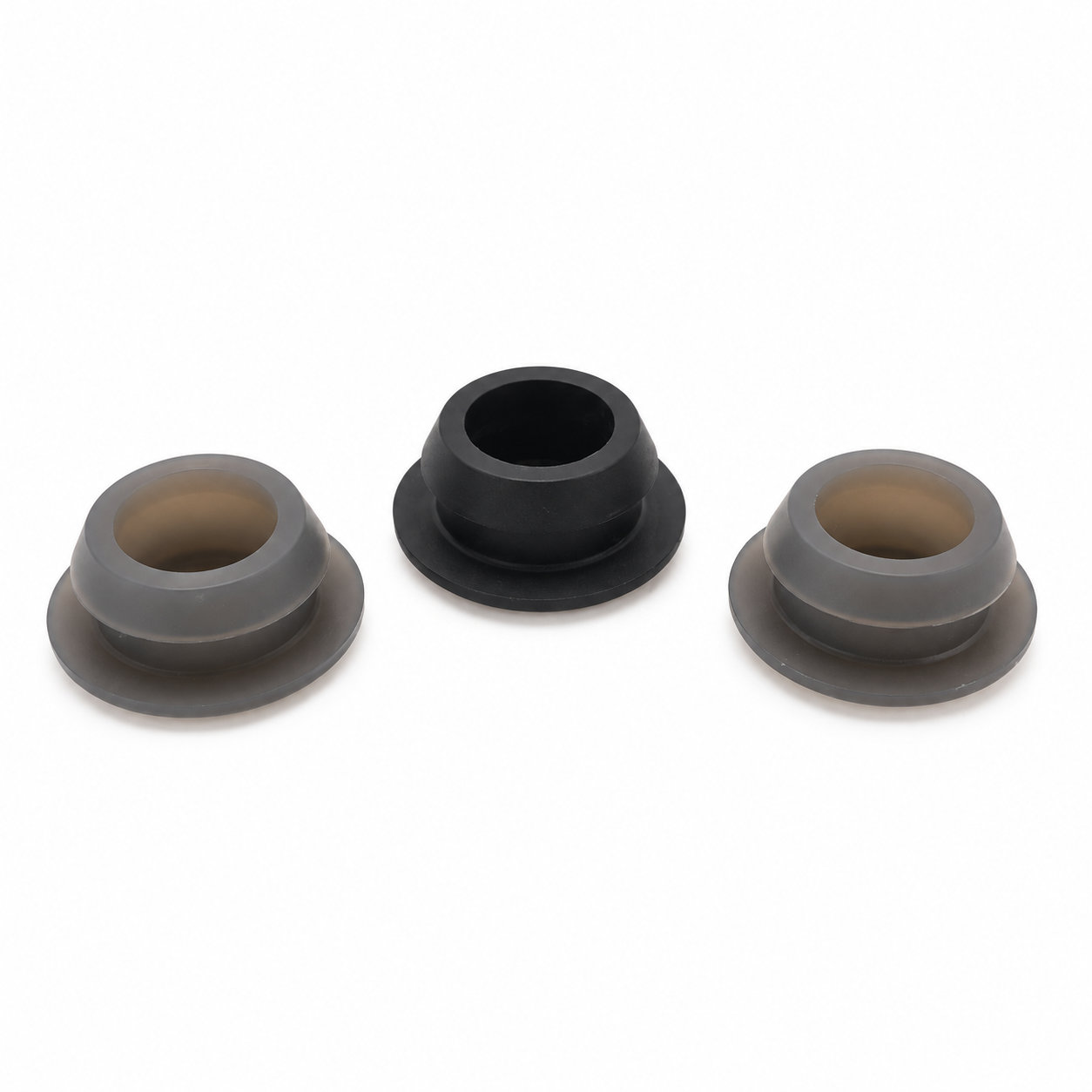
Custom manufacturing example · Colored rubber (BIIR) plugs/rubber caps for medical bottle
CUSTOM RUBBER & SILICONE MANUFACTURING
A custom component for your assembly.
Define the mating surfaces, dimensions and working conditions. ETOL manufactures the part to the agreed design and material.
Share the part, its application and your estimated quantity.

Selected for the contact, temperature and movement
Define the visible surfaces and intended color
Develop holes, lips and walls around the mating parts
Match the attachment and installation method
Colored BIIR rubber caps for medical bottle closures can help distinguish component variants while the molded profile fits the intended container. A cap covers a defined external region, whereas an inserted plug engages the bottle opening. Each configuration needs its own dimensions even when the color is shared.
Keep the identification scheme linked to the complete part. The visible head or cap color should correspond to the selected formulation, size, and bottle position rather than serve as the only replacement criterion. Establish how the component seats and how any retaining hardware acts on it after the bottle is closed.
The BIIR formulation and color configuration should be assessed for the contents and processing sequence used with the medical bottle. Maintain the required cleanliness around the contact surfaces before assembly. Inspect the finished closure position rather than judging the rubber while it is loosely placed on the container. When a bottle design or closing method changes, consider the effect on the cap or plug interface and preserve the correct variant identity throughout the assembly process.
Photos illustrate structure or material appearance only. A cap covers a defined external region, whereas an inserted plug engages the bottle opening. ETOL directly manufactures custom-shaped silicone and rubber parts to your requirements.
FIND THE RIGHT FIT
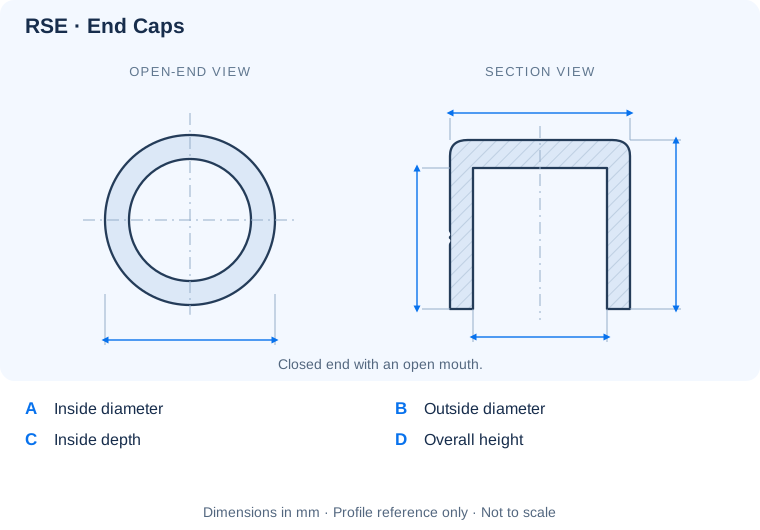
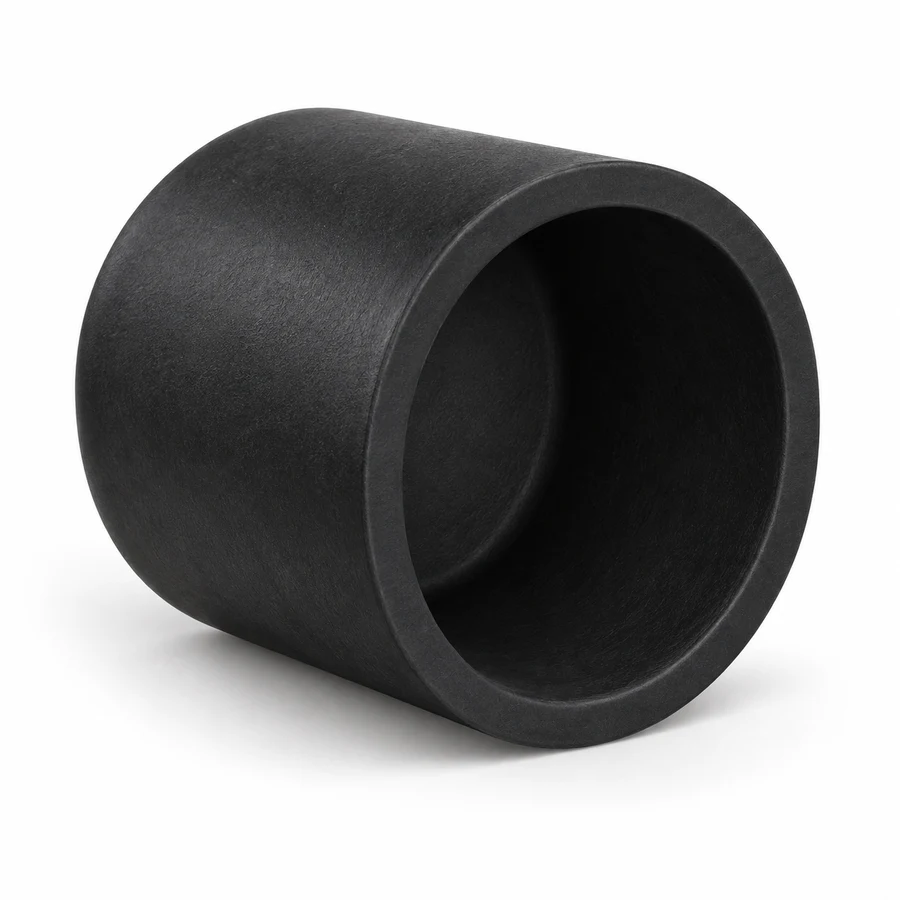
Compare inside diameter A with the outside of the part being covered. Check inside depth C and overall dimensions B and D for available clearance. These RSE references show a round cap with one closed end.
43 closed-end cap sizes. A is the inside diameter and C is the usable internal depth; B and D describe the outside envelope.
| P/N | A | B | C | D | Color | Unit |
|---|---|---|---|---|---|---|
| RSE3.7-7-9 | 3.7 | 7 | 9 | 11 | black,white | mm |
| RSE4.7-8-9 | 4.7 | 8 | 9 | 11 | black,white | mm |
| RSE5.7-9-10 | 5.7 | 9 | 10 | 12 | black,white | mm |
| RSE6.7-10-10 | 6.7 | 10 | 10 | 12 | black,white | mm |
| RSE7.7-11-11 | 7.7 | 11 | 11 | 13 | black,white | mm |
| RSE8.7-12-12 | 8.7 | 12 | 12 | 14 | black,white | mm |
| RSE9.7-14-13 | 9.7 | 14 | 13 | 15 | black,white | mm |
| RSE10.7-15-14 | 10.7 | 15 | 14 | 16 | black,white | mm |
| RSE11.7-16-15 | 11.7 | 16 | 15 | 17 | black,white | mm |
| RSE12.7-17-15 | 12.7 | 17 | 15 | 18 | black,white | mm |
| RSE13.7-18-15 | 13.7 | 18 | 15 | 18 | black,white | mm |
| RSE14.7-19-15 | 14.7 | 19 | 15 | 18 | black,white | mm |
| RSE15.7-20-16 | 15.7 | 20 | 16 | 19 | black,white | mm |
| RSE16.7-21-16 | 16.7 | 21 | 16 | 19 | black,white | mm |
| RSE17.7-22-16 | 17.7 | 22 | 16 | 19 | black,white | mm |
Need a different fit? Share the opening dimensions, mating profile and intended use for a custom size.
Identify key dimensions, mating surfaces and quantity
Agree the compound and manufacturing approach
Review the fit and agreed requirements in the assembly
Manufacture and check against the approved requirements
Identify temperature, contact fluids and repeated movement.
Consider hardness together with wall thickness and support.
Check access, mating dimensions and the fitting sequence.
Yes. Show the receiving opening, contact surfaces and clearance limits. We can review the dimensions and retaining features around the intended fit.
Agree the critical dimensions, material, hardness, visible surfaces and sample requirements. Explain how the part is installed and which interfaces control its function.
A sample can help explain the structure. Compare it with the assembly because wear, swelling or compression may have changed its original dimensions.
The material, part geometry, tooling, quantity and finishing affect the quotation. Include the intended batch size and delivery destination when describing your requirements.
DISCUSS THIS COMPONENT
Share the fit, operating conditions and quantity with our manufacturing team.
EXPLORE RELATED DESIGNS
Explore similar part structures and applications for your next project.