Working conditions
Identify temperature, contact fluids and repeated movement.

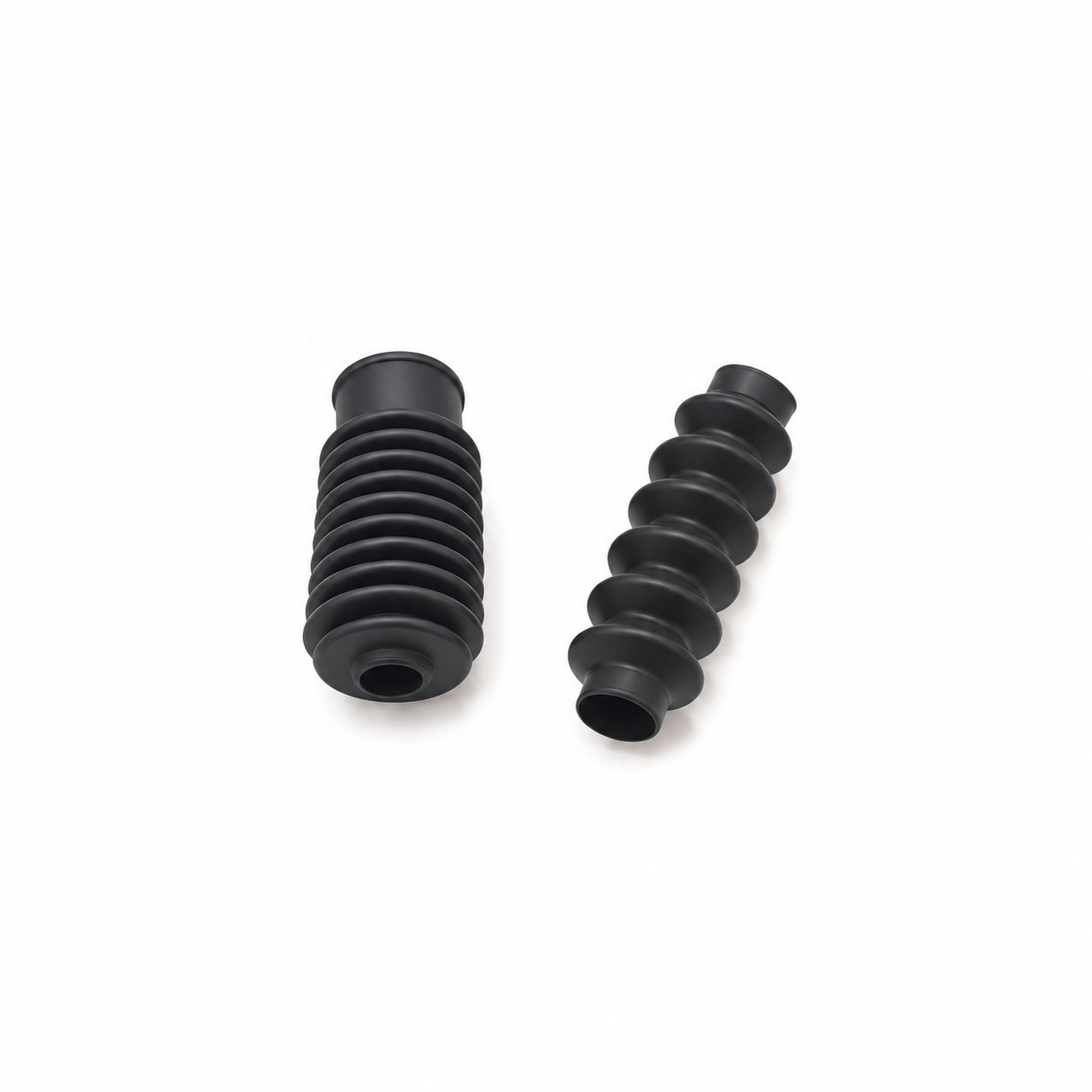
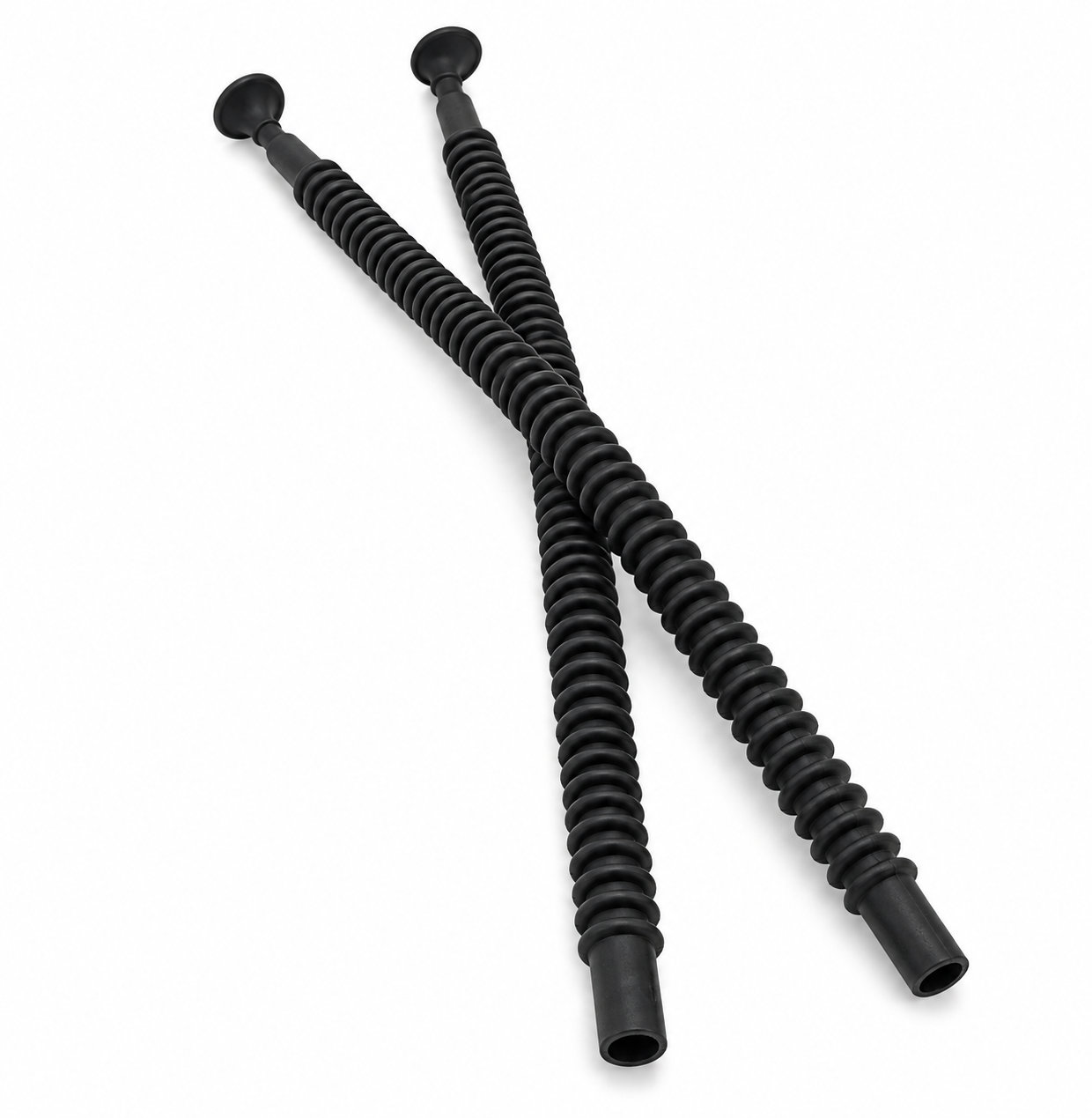
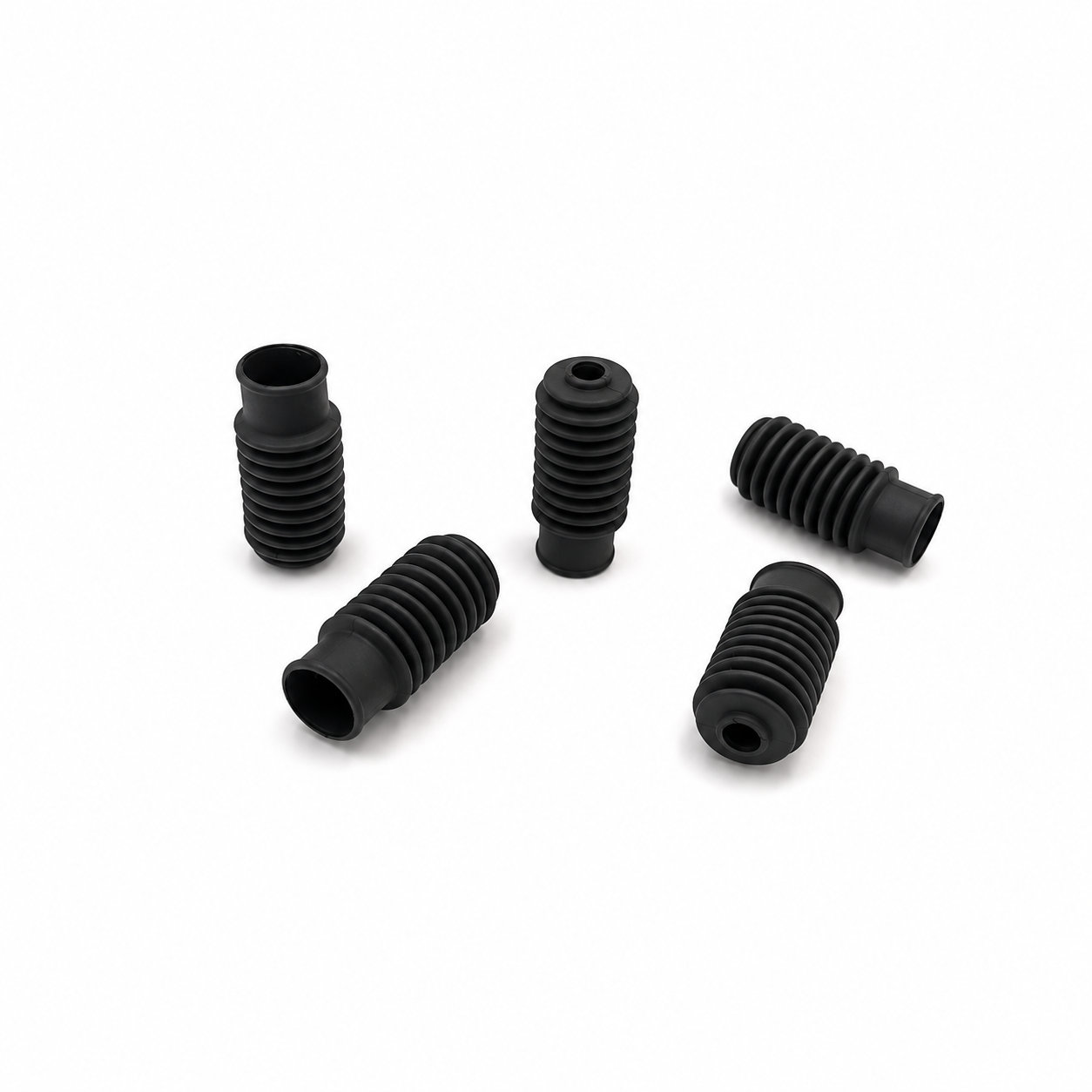
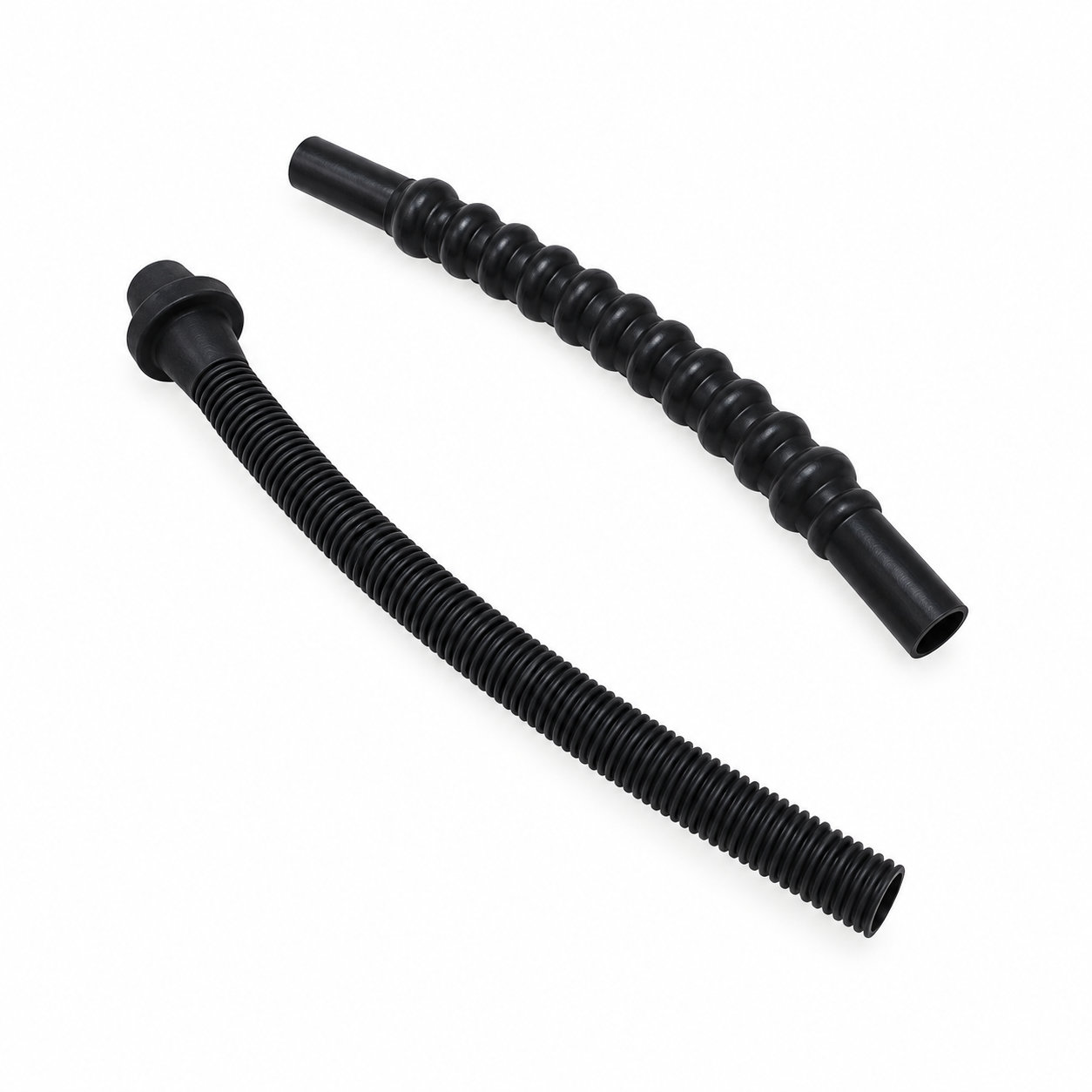
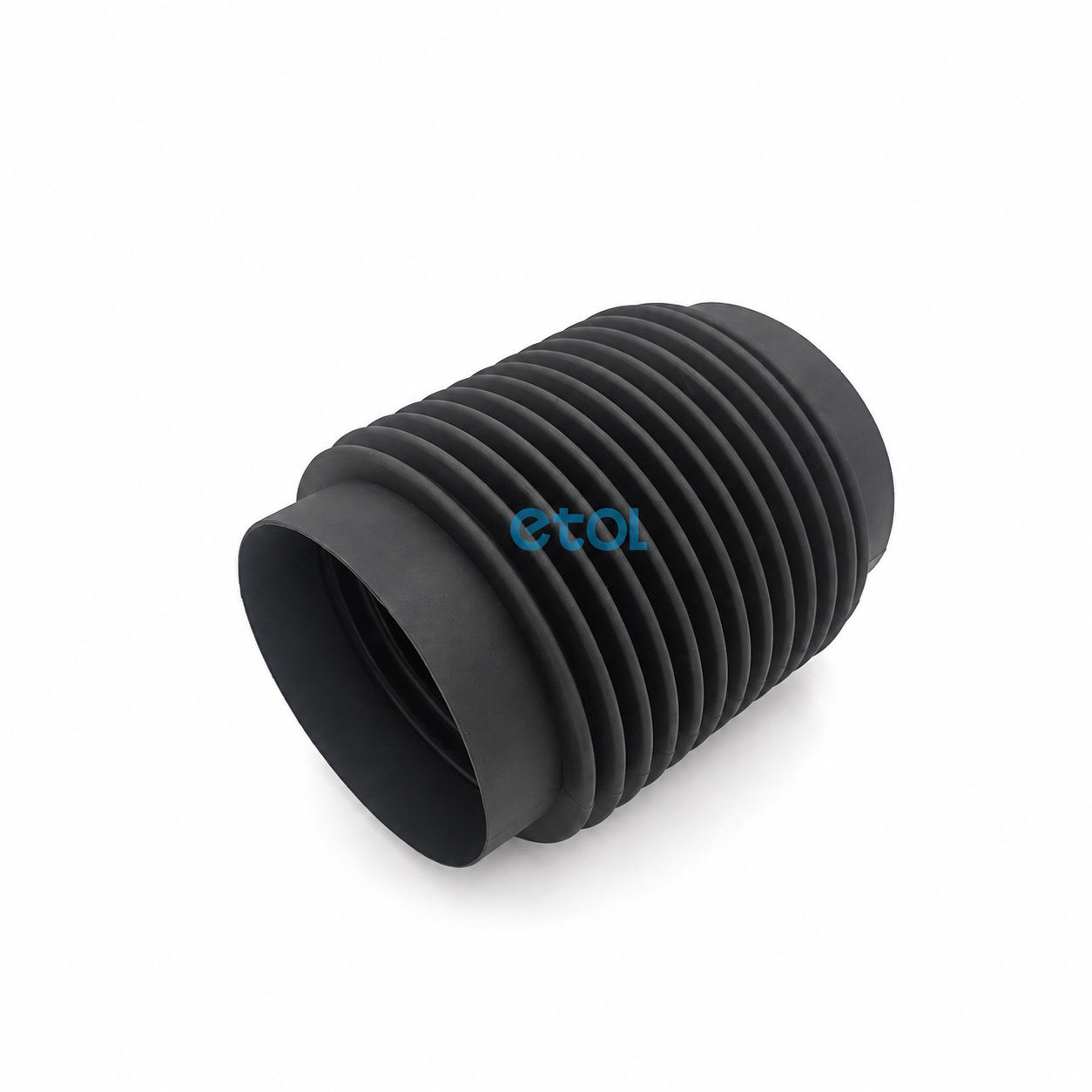
Custom manufacturing example · Rubber bellows hose custom made rubber dust boots manufacturer
CUSTOM RUBBER & SILICONE MANUFACTURING
A custom component for your assembly.
Define the mating surfaces, dimensions and working conditions. ETOL manufactures the part to the agreed design and material.
Share the part, its application and your estimated quantity.
Selected for the contact, temperature and movement
Define the visible surfaces and intended color
Develop holes, lips and walls around the mating parts
Match the attachment and installation method
A rubber bellows hose can provide a flexible covering around a region where the distance or alignment between ends changes. The folded body needs room to gather and extend without contacting nearby hardware. Its relaxed length alone does not describe the full fit, so define the compressed, extended, and lateral movement conditions of the assembly.
Match both end profiles to their receiving features and choose an attachment method suited to the selected design. The rubber compound should reflect the local temperature, fluids, and debris exposure. If the component carries a medium rather than acting as a dust boot, that service requires its own complete assessment.
Fit the bellows without twisting the body between its ends. Move the assembly through its permitted range and inspect for fold inversion, trapped material, and contact with surrounding structure. Check again with covers and neighboring components in their final positions.
During maintenance, keep packed debris from restricting the folds and inspect the ends for displacement. A tear at the same fold on repeated replacements may indicate an operating clearance problem or an incorrect working length. Correct that condition before installing another boot, so the flexible body can move through its intended shape rather than acting as an unintended travel limit for the mechanism.
Photos illustrate structure or material appearance only. Move the assembly through its permitted range and inspect for fold inversion, trapped material, and contact with surrounding structure. ETOL directly manufactures custom-shaped silicone and rubber parts to your requirements.
Identify key dimensions, mating surfaces and quantity
Agree the compound and manufacturing approach
Review the fit and agreed requirements in the assembly
Manufacture and check against the approved requirements
Identify temperature, contact fluids and repeated movement.
Consider hardness together with wall thickness and support.
Check access, mating dimensions and the fitting sequence.
Yes. Show the receiving opening, contact surfaces and clearance limits. We can review the dimensions and retaining features around the intended fit.
Agree the critical dimensions, material, hardness, visible surfaces and sample requirements. Explain how the part is installed and which interfaces control its function.
A sample can help explain the structure. Compare it with the assembly because wear, swelling or compression may have changed its original dimensions.
The material, part geometry, tooling, quantity and finishing affect the quotation. Include the intended batch size and delivery destination when describing your requirements.
DISCUSS THIS COMPONENT
Share the fit, operating conditions and quantity with our manufacturing team.
EXPLORE RELATED DESIGNS
Explore similar part structures and applications for your next project.