Working conditions
Identify temperature, contact fluids and repeated movement.

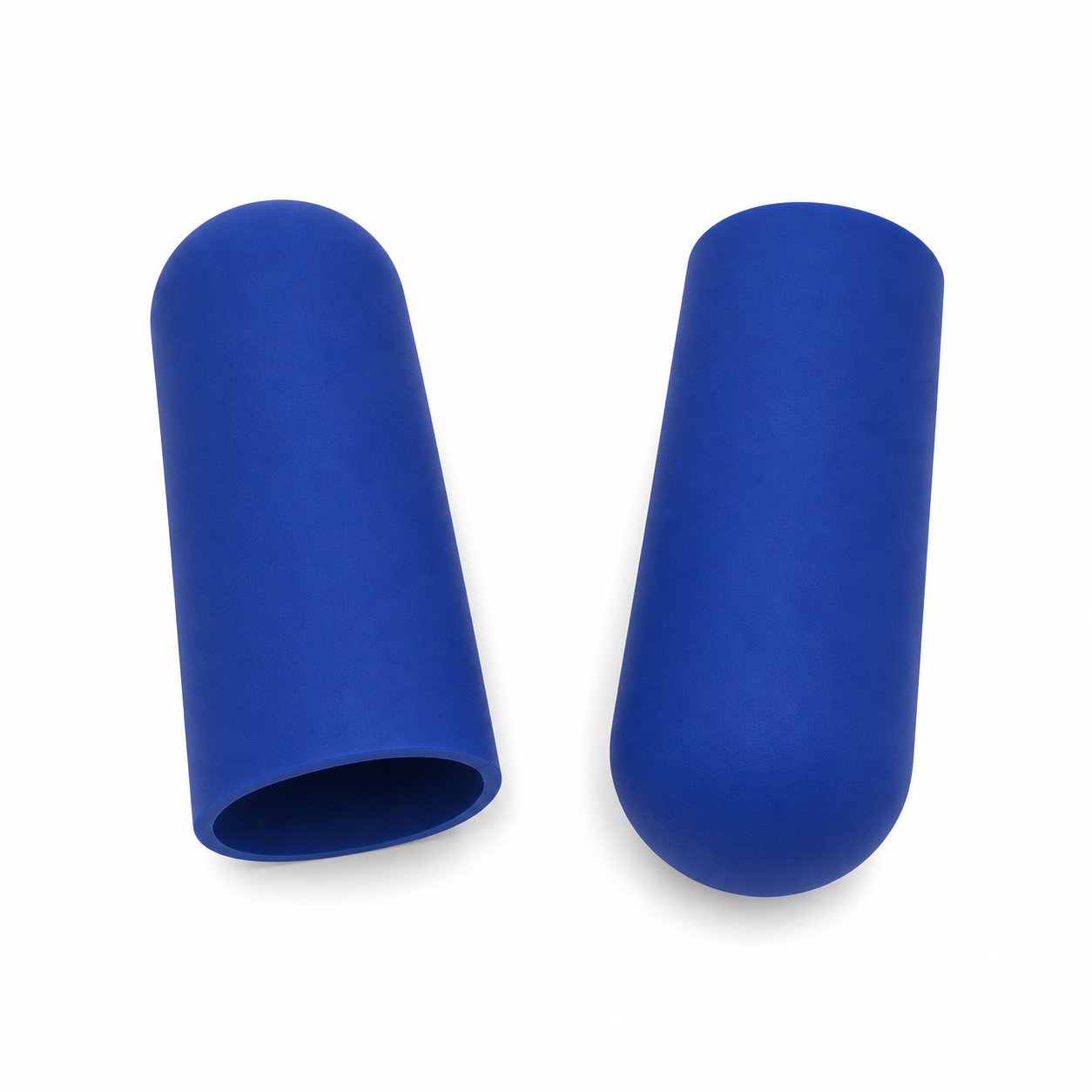
Custom manufacturing example · Rubber Handle Grips Cover
CUSTOM RUBBER & SILICONE MANUFACTURING
A custom component for your assembly.
Define the mating surfaces, dimensions and working conditions. ETOL manufactures the part to the agreed design and material.
Share the part, its application and your estimated quantity.

Selected for the contact, temperature and movement
Define the visible surfaces and intended color
Develop holes, lips and walls around the mating parts
Match the attachment and installation method
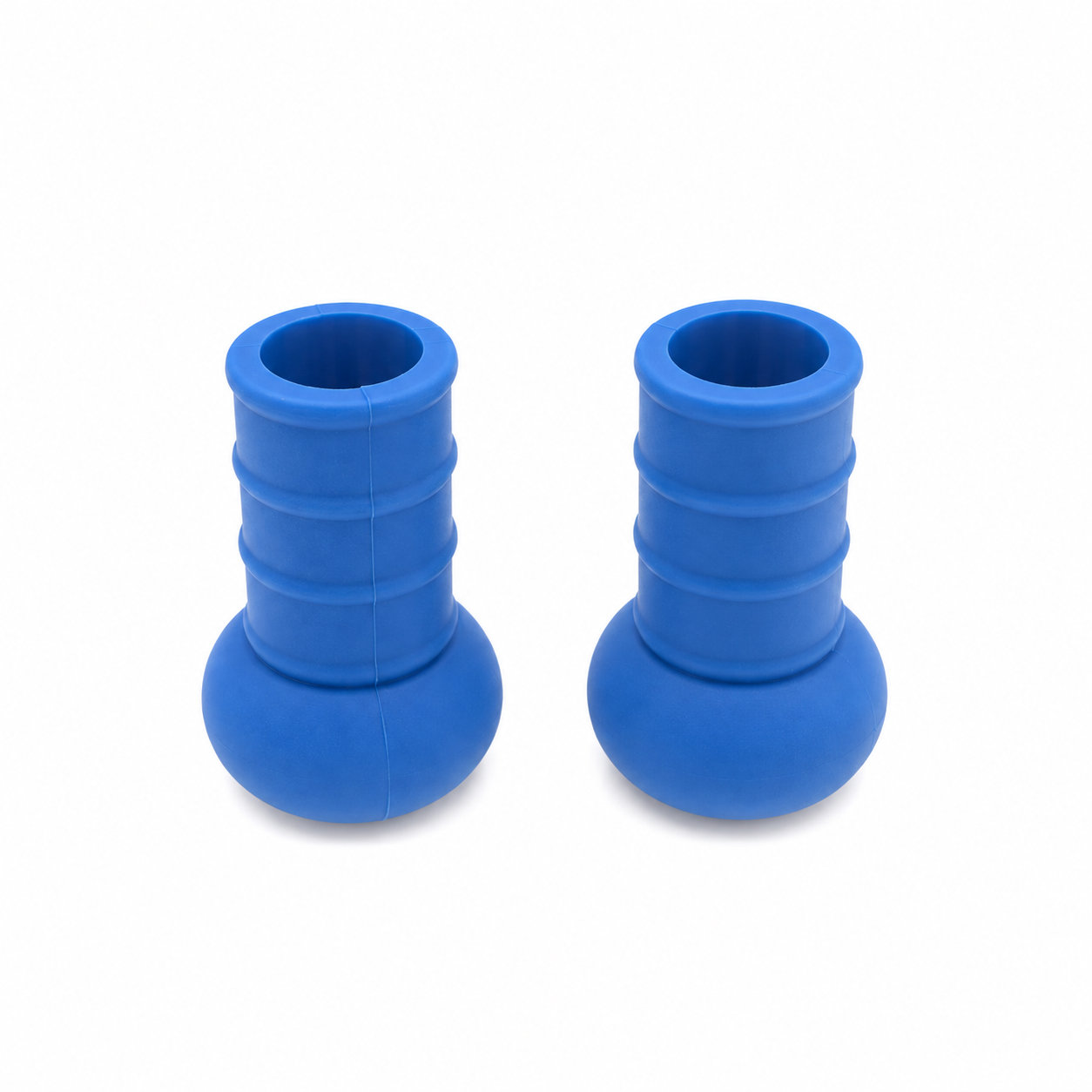
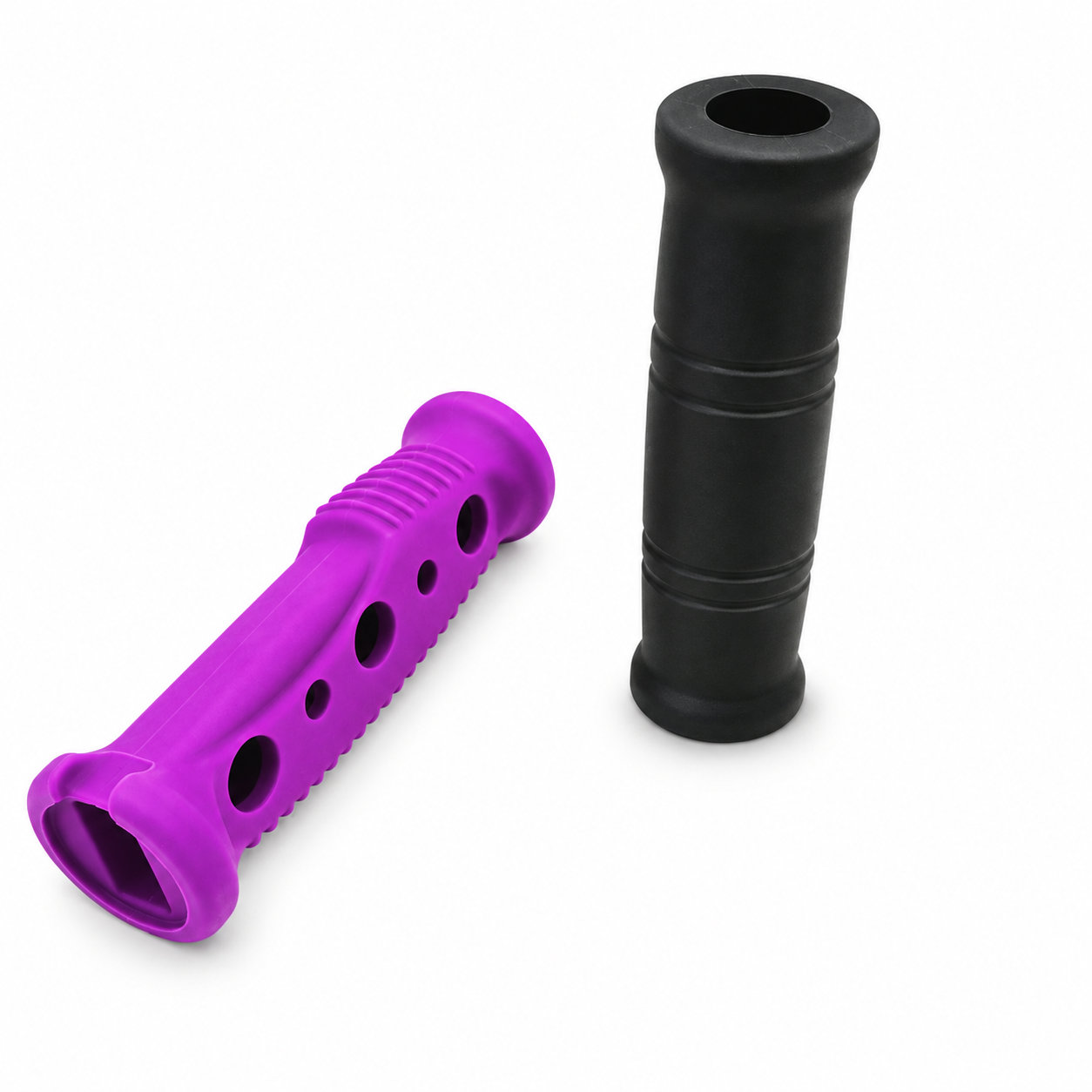
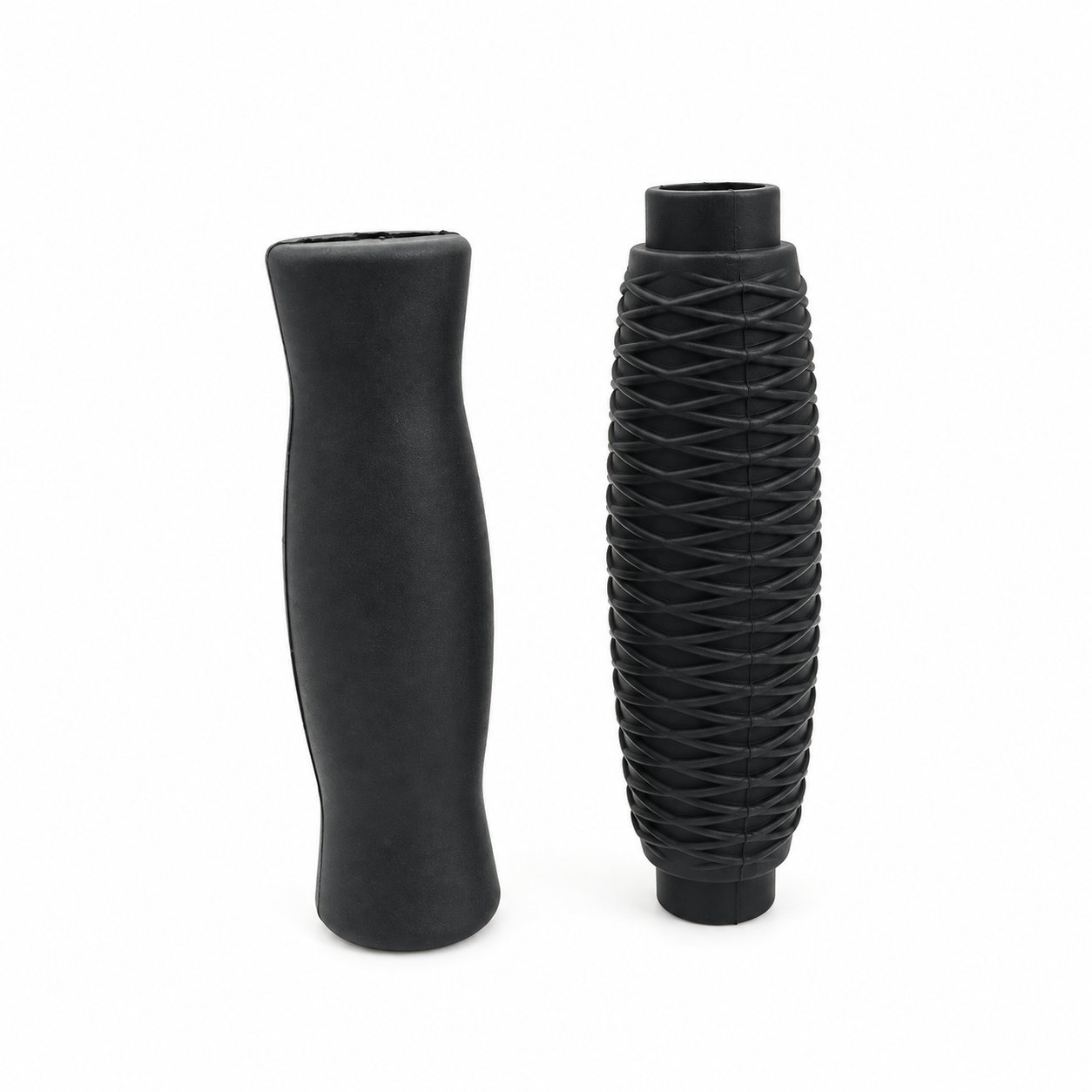
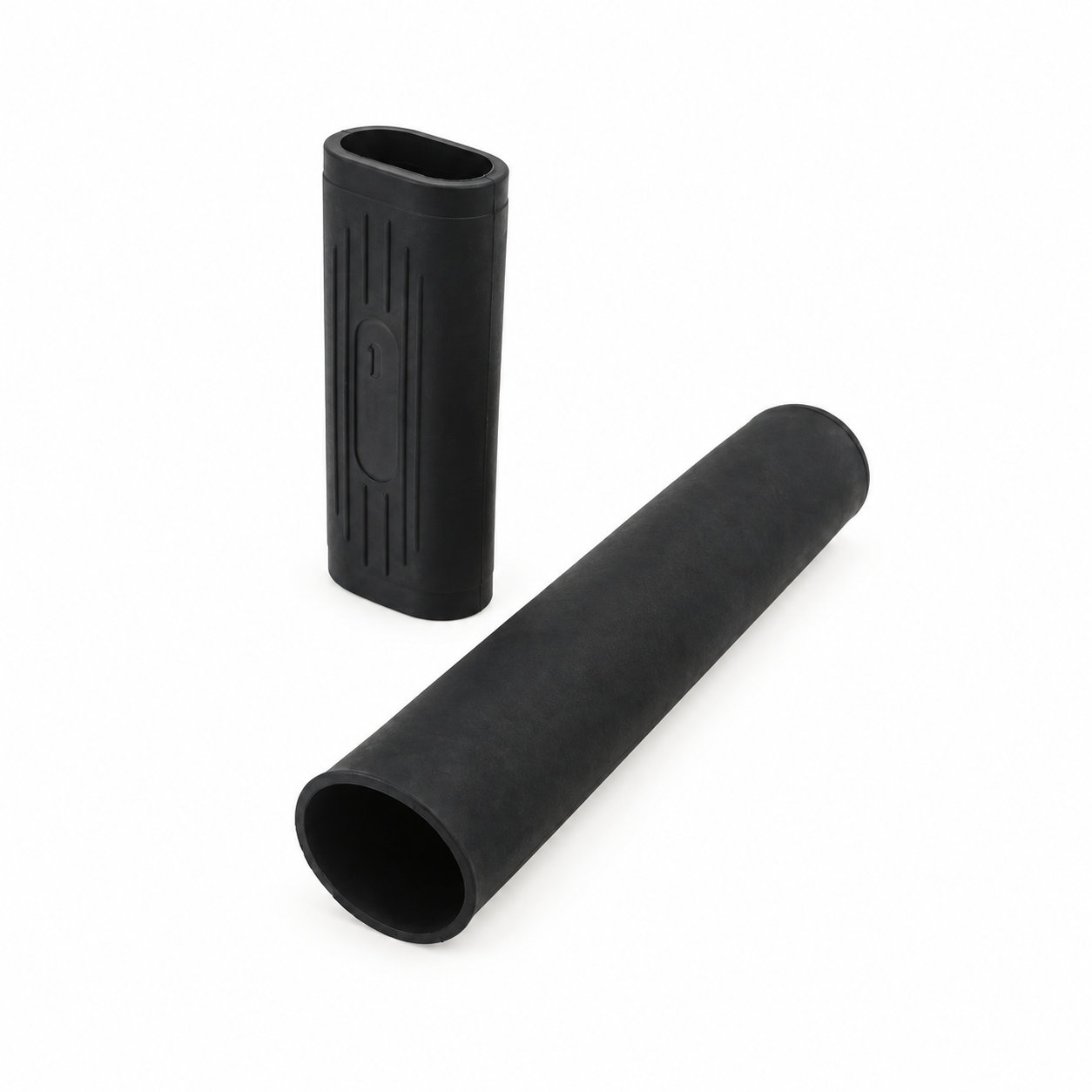
A rubber handle grip cover adds a fitted hand-contact surface. Custom size, color and engraved or embossed logos are available, with a listed hardness range of 30 to 90 Shore A.
When replacing a worn cover, measure the exposed core rather than copying the stretched old part. Pay attention to tapers, local steps and any end feature that limits insertion. These details influence where the new cover grips and whether it reaches its intended position.
Check the fitted part with the kinds of push, pull and twisting motions the handle experiences. A sleeve that stays in place under a straight pull may still rotate under torque. The necessary retention method belongs to the handle design and should not be improvised with an unverified adhesive.
For care, remove surface residue before it builds up in the logo or other recessed areas. Examine the open end for lifting, and stop using a loose cover until its fit has been corrected.
Photos illustrate structure or material only. When replacing a worn cover, measure the exposed core rather than copying the stretched old part. ETOL directly manufactures custom-shaped silicone and rubber parts to your requirements.
Identify key dimensions, mating surfaces and quantity
Agree the compound and manufacturing approach
Review the fit and agreed requirements in the assembly
Manufacture and check against the approved requirements
Identify temperature, contact fluids and repeated movement.
Consider hardness together with wall thickness and support.
Check access, mating dimensions and the fitting sequence.
Yes. Show the receiving opening, contact surfaces and clearance limits. We can review the dimensions and retaining features around the intended fit.
Agree the critical dimensions, material, hardness, visible surfaces and sample requirements. Explain how the part is installed and which interfaces control its function.
A sample can help explain the structure. Compare it with the assembly because wear, swelling or compression may have changed its original dimensions.
The material, part geometry, tooling, quantity and finishing affect the quotation. Include the intended batch size and delivery destination when describing your requirements.
DISCUSS THIS COMPONENT
Share the fit, operating conditions and quantity with our manufacturing team.
EXPLORE RELATED DESIGNS
Explore similar part structures and applications for your next project.