Working conditions
Identify temperature, contact fluids and repeated movement.

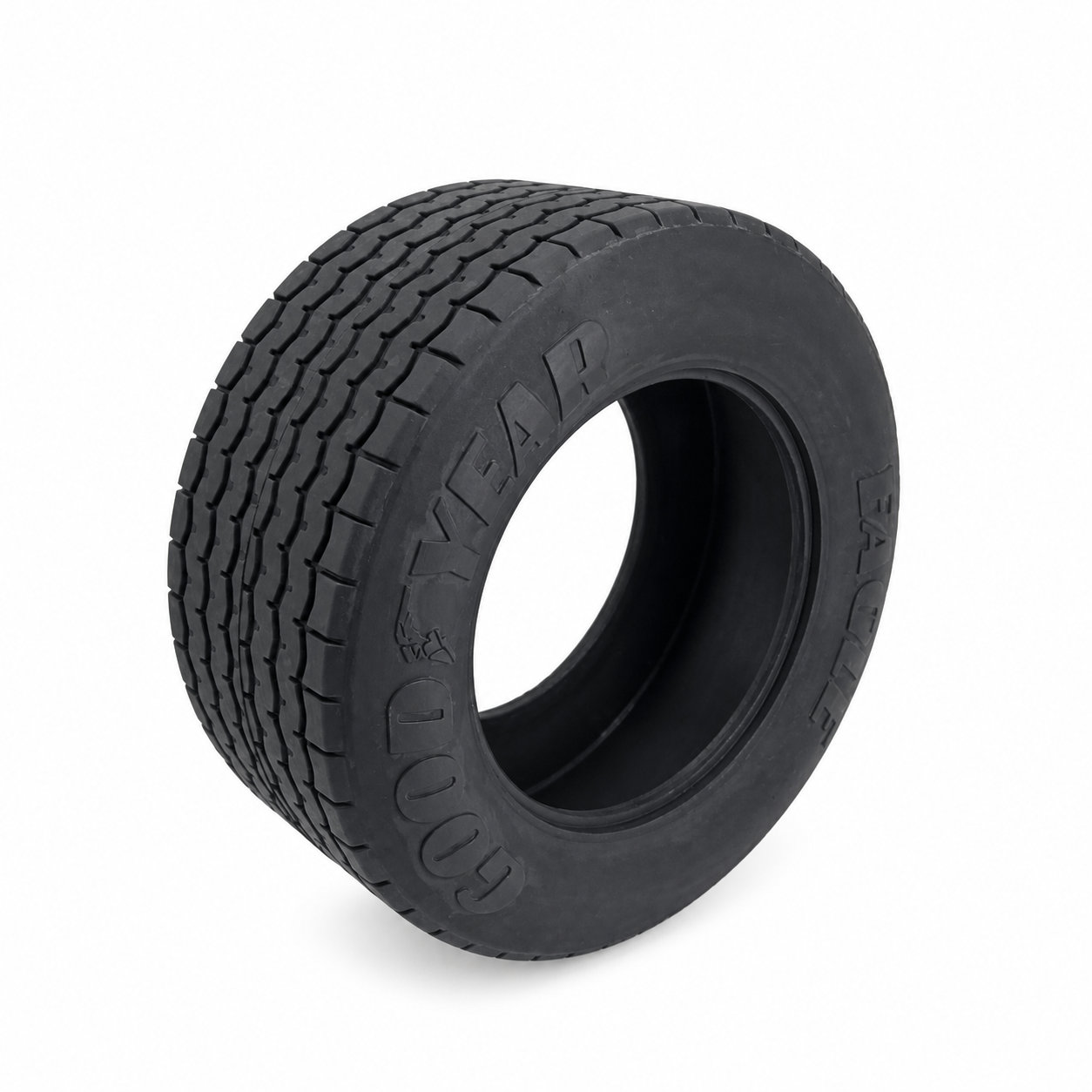
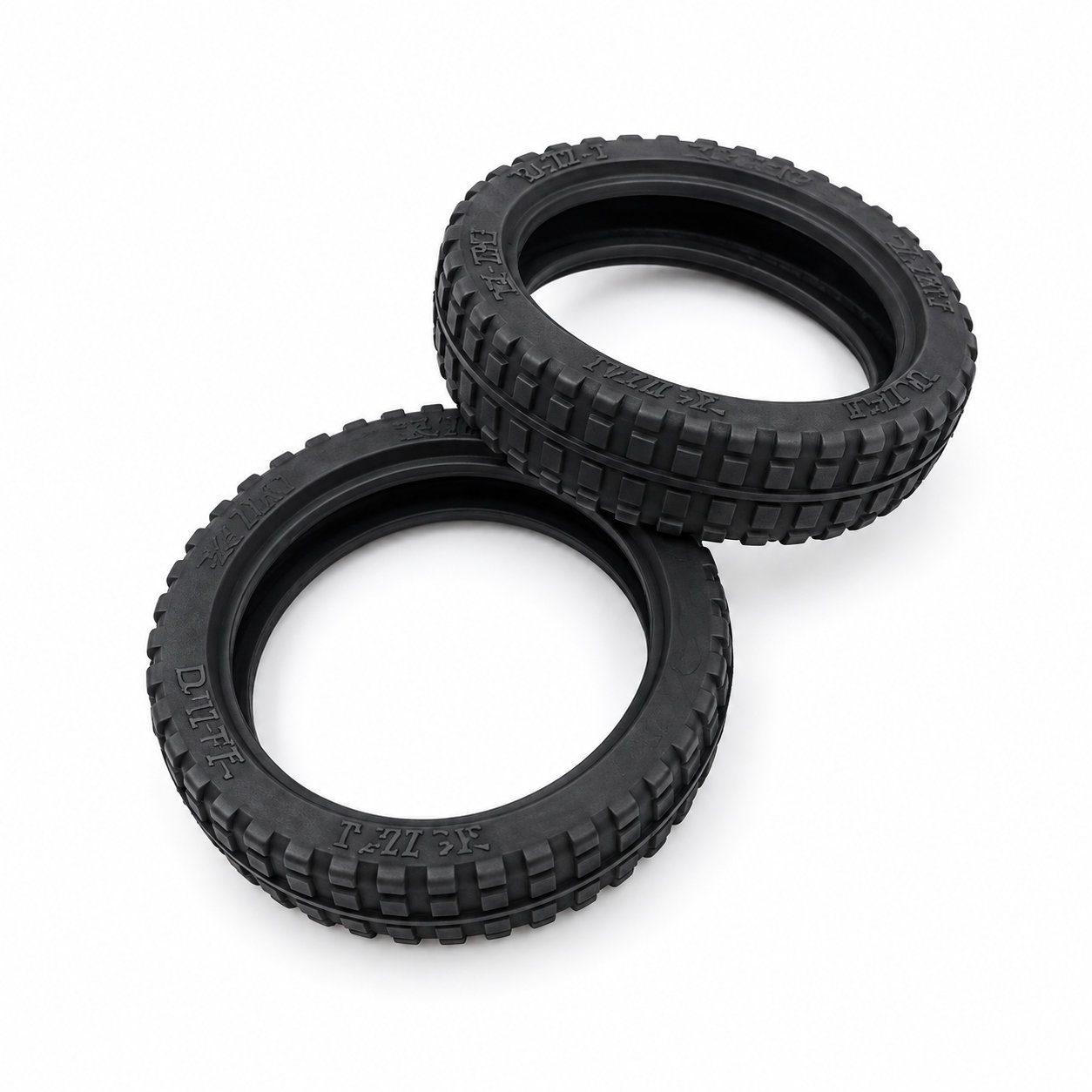
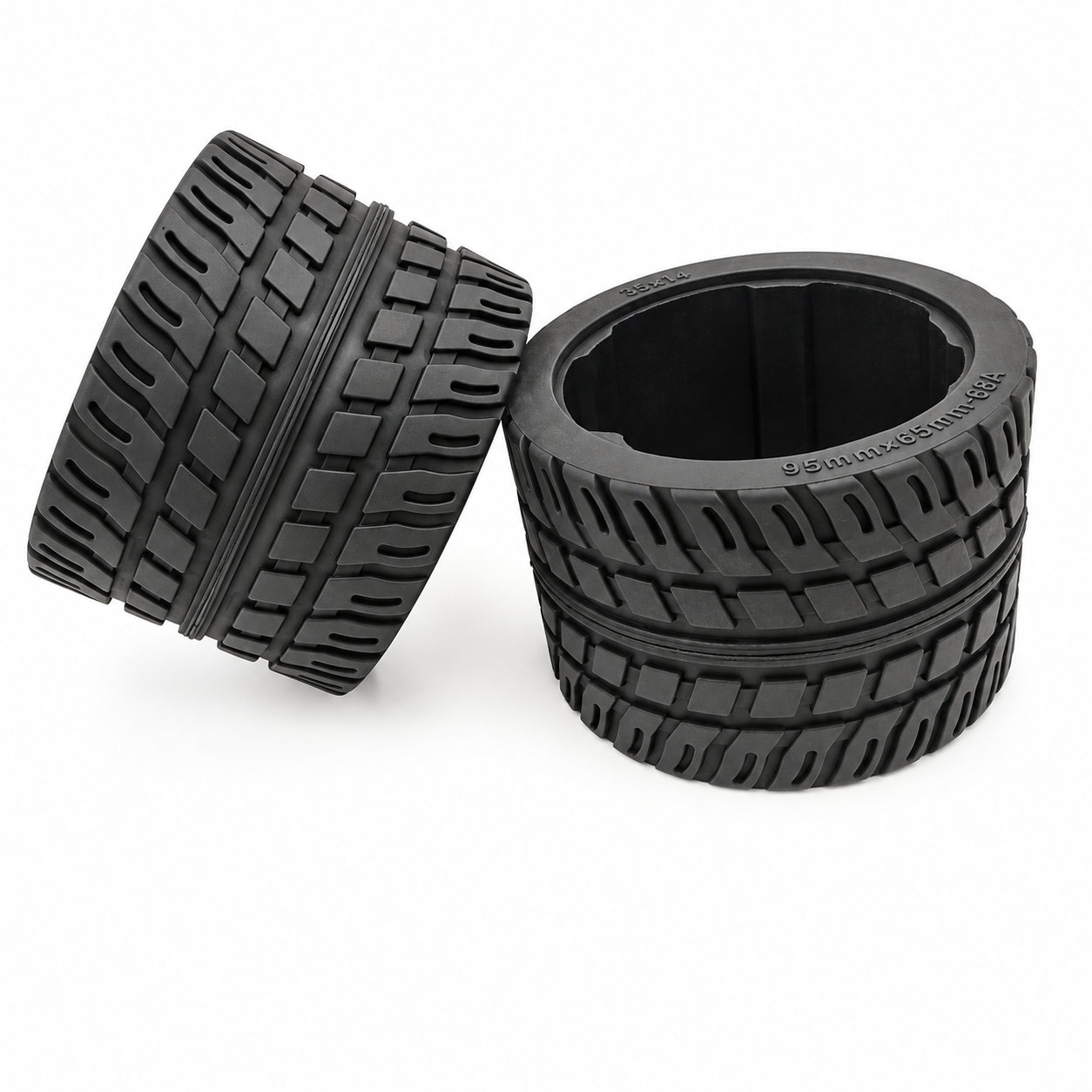
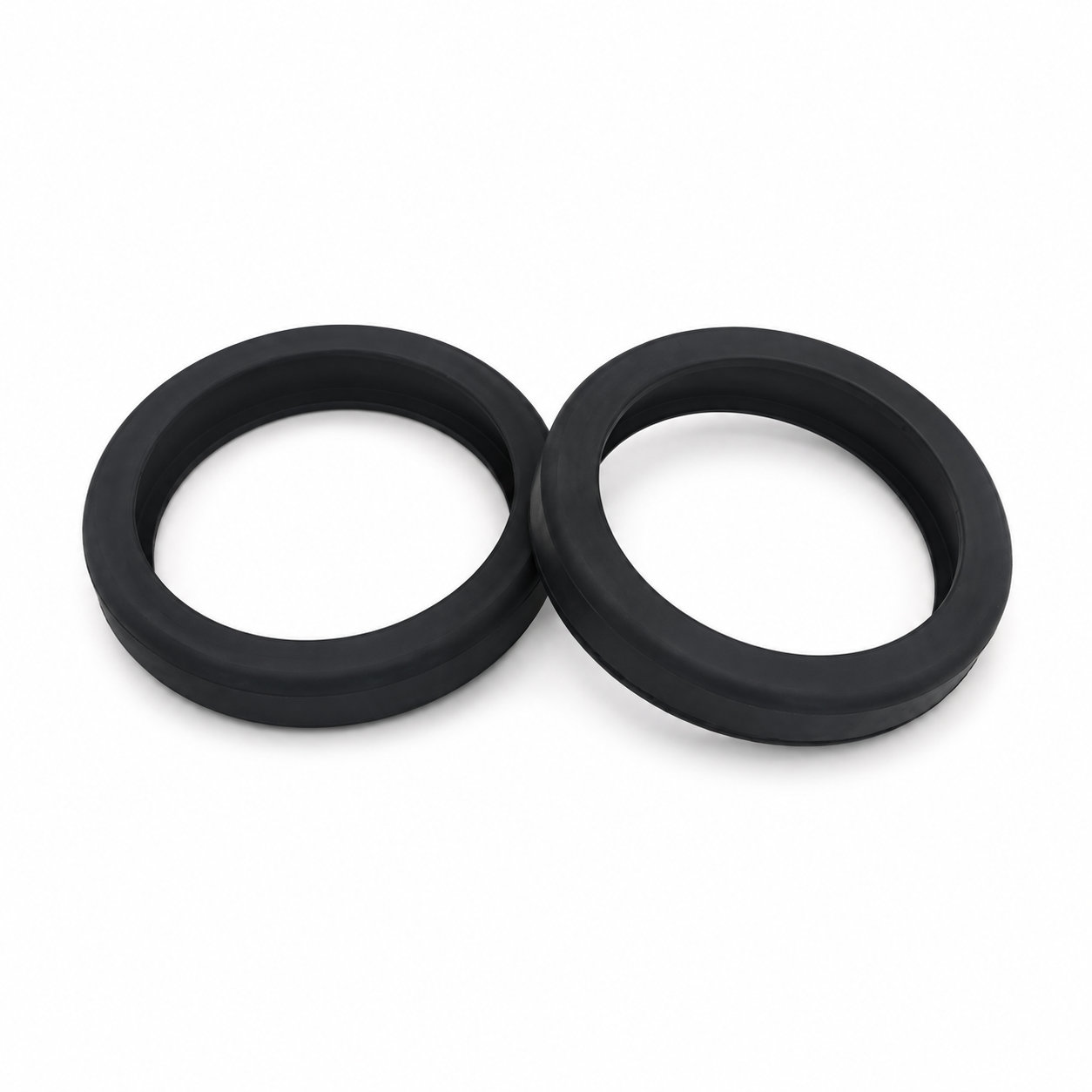
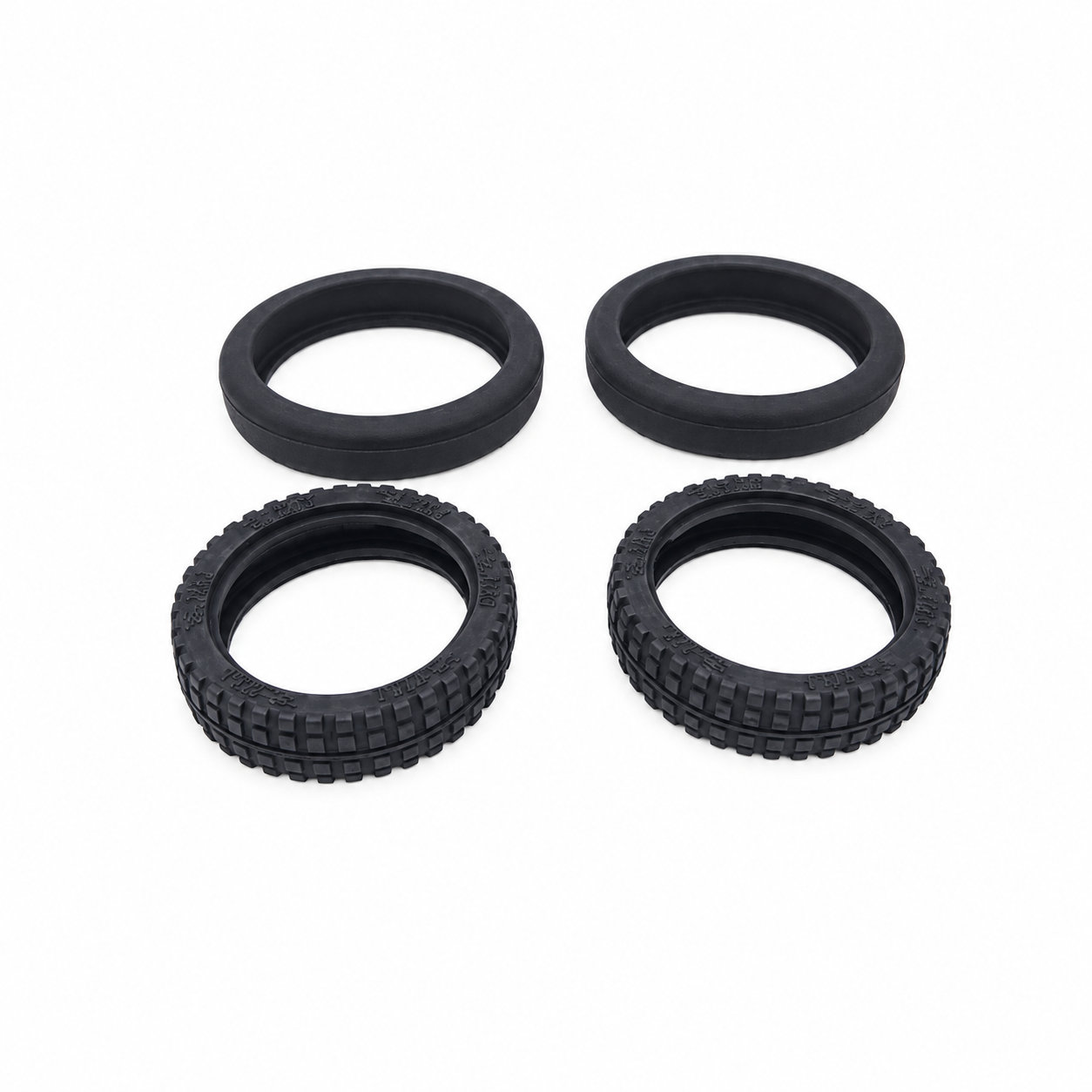
Custom manufacturing example · Rubber Toy Car Tyres Eco-friendly Silicone Wheel
CUSTOM RUBBER & SILICONE MANUFACTURING
A custom component for your assembly.
Define the mating surfaces, dimensions and working conditions. ETOL manufactures the part to the agreed design and material.
Share the part, its application and your estimated quantity.
Selected for the contact, temperature and movement
Define the visible surfaces and intended color
Develop holes, lips and walls around the mating parts
Match the attachment and installation method
Rubber toy car tyres provide the contact between a compatible toy wheel assembly and the surface on which it rolls. Their outer profile can influence how the toy moves across different finishes, so development should include the intended play surface as well as the appearance of the tyre. A tread chosen only from a visual reference may not give the desired rolling behavior when fitted to the actual toy.
Review the outside diameter, width and tread geometry together with the hub connection. Check that the tyre remains clear of the bodywork and that its running surface is positioned correctly relative to the axle. If front and rear wheels differ, identify each version on the drawing. Include the intended surface, such as a representative indoor play mat or tabletop finish, in the sample evaluation rather than testing only on an arbitrary bench.
ETOL offers custom structure, dimensions, color, hardness and material selection for these components. Discuss the required rolling feel and appearance using samples where possible. Any environmental or material claim needs a defined specification, and the completed toy must meet the requirements relevant to its intended use. Provide those requirements during development instead of relying on a broad descriptive label.
Test rubber toy car tyres on the assembled model, observing straight rolling, turning clearance and retention after normal handling. Examine the running surface for irregularities that could create wobble or uneven movement. Remove grit before testing on a finished surface and inspect for tyre separation from the hub during the toy's normal checks. Keep the approved tread and compound reference with the hub drawing for future production. This makes it possible to compare later samples against both the visual design and the rolling behavior established on the original assembled toy.
Photos illustrate structure or material only. Rubber toy car tyres provide the contact between a compatible toy wheel assembly and the surface on which it rolls. ETOL directly manufactures custom-shaped silicone and rubber parts to your requirements.
Identify key dimensions, mating surfaces and quantity
Agree the compound and manufacturing approach
Review the fit and agreed requirements in the assembly
Manufacture and check against the approved requirements
Identify temperature, contact fluids and repeated movement.
Consider hardness together with wall thickness and support.
Check access, mating dimensions and the fitting sequence.
Yes. Show the receiving opening, contact surfaces and clearance limits. We can review the dimensions and retaining features around the intended fit.
Agree the critical dimensions, material, hardness, visible surfaces and sample requirements. Explain how the part is installed and which interfaces control its function.
A sample can help explain the structure. Compare it with the assembly because wear, swelling or compression may have changed its original dimensions.
The material, part geometry, tooling, quantity and finishing affect the quotation. Include the intended batch size and delivery destination when describing your requirements.
DISCUSS THIS COMPONENT
Share the fit, operating conditions and quantity with our manufacturing team.
EXPLORE RELATED DESIGNS
Explore similar part structures and applications for your next project.