Working conditions
Identify temperature, contact fluids and repeated movement.

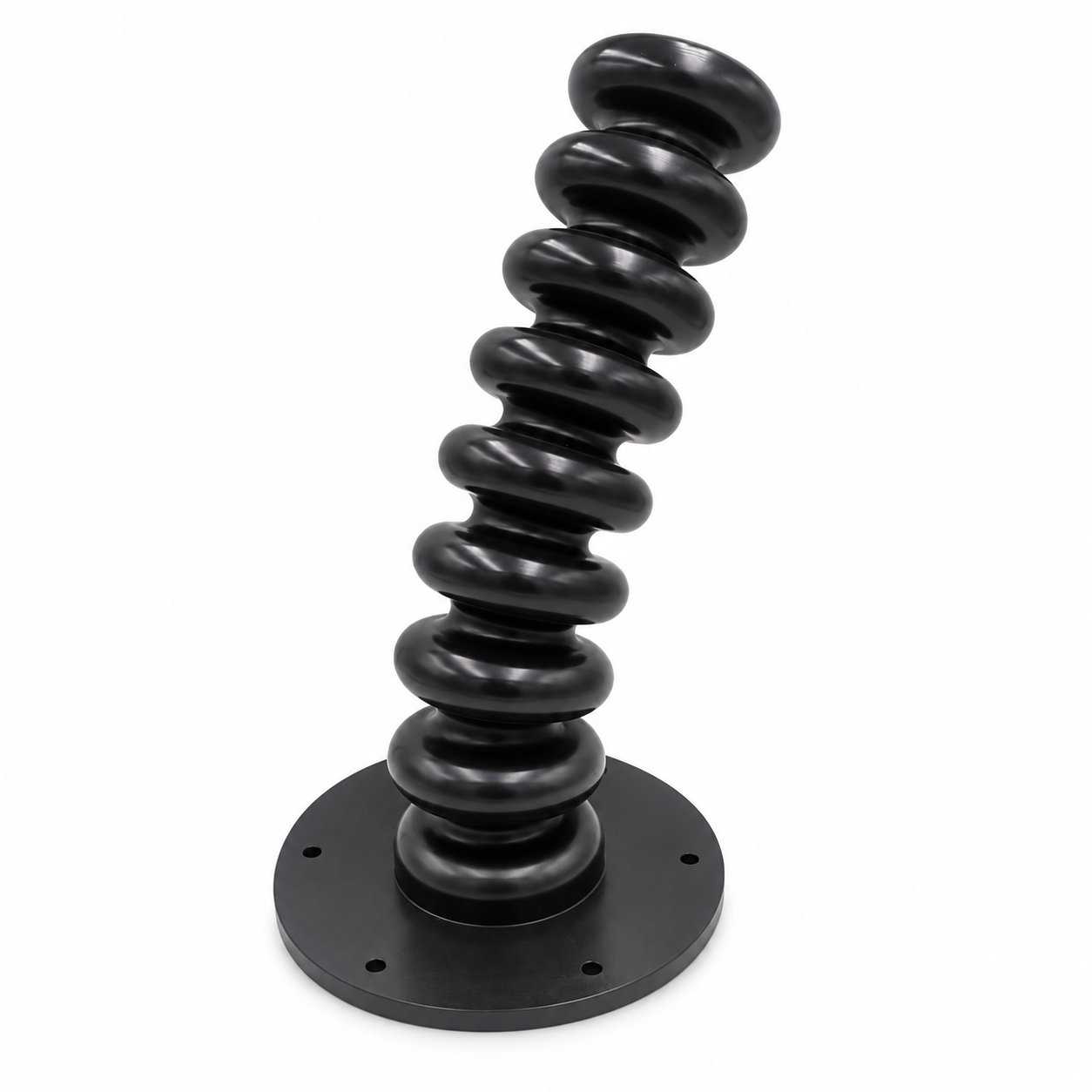
Custom manufacturing example · Custom made shock absorber rubber bellows
CUSTOM RUBBER & SILICONE MANUFACTURING
A custom component for your assembly.
Define the mating surfaces, dimensions and working conditions. ETOL manufactures the part to the agreed design and material.
Share the part, its application and your estimated quantity.
Selected for the contact, temperature and movement
Define the visible surfaces and intended color
Develop holes, lips and walls around the mating parts
Match the attachment and installation method
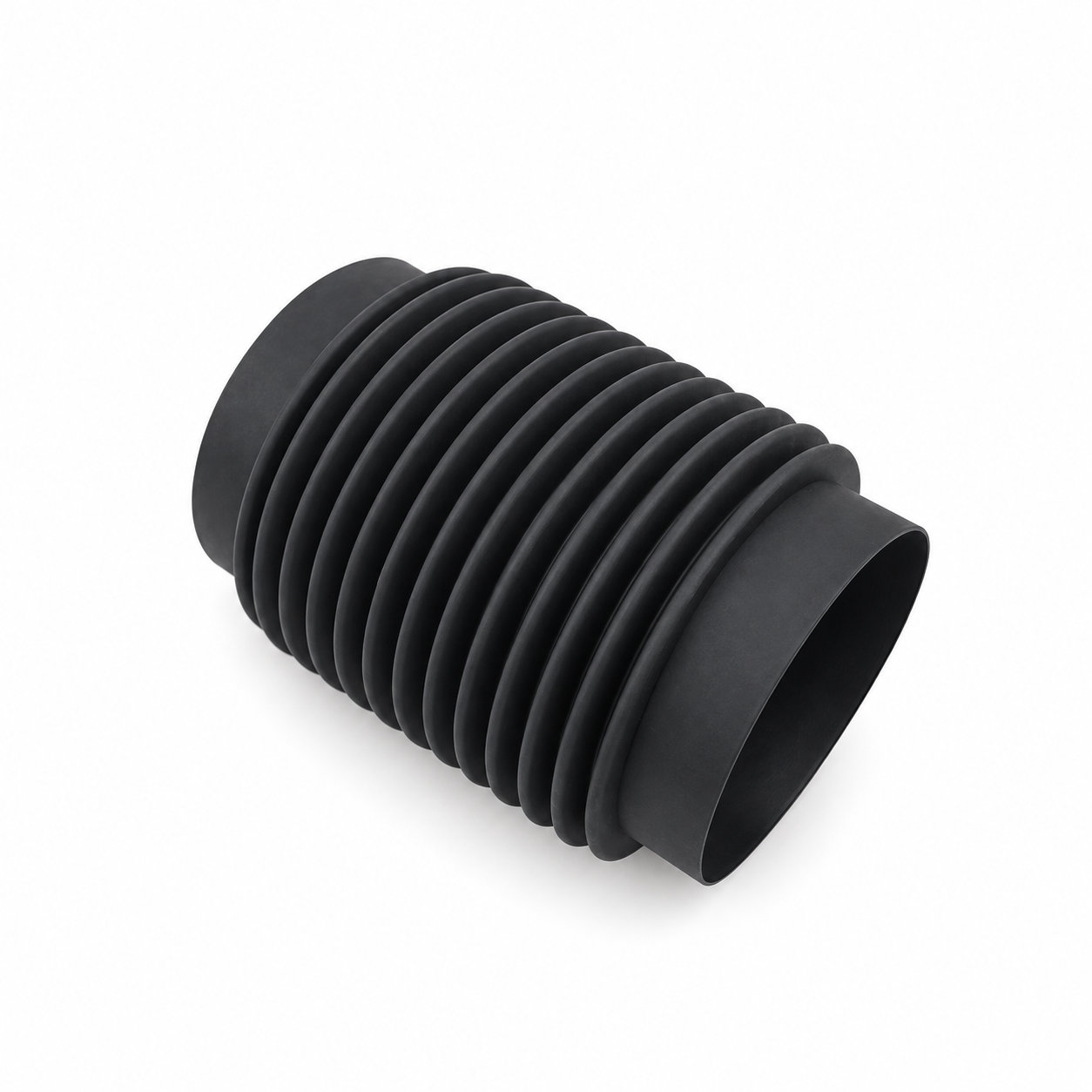
Shock absorber rubber bellows form a flexible cover around a moving assembly. Their folded shape allows the cover to change length, but the required compressed and extended positions must be established from the shock absorber's actual travel. A bellows that fits neatly at rest may be too short at one extreme or overcrowded at the other.
ETOL customizes the material, dimensions, hardness and color. The available hardness choices span 30 to 90 Shore A, with the final selection dependent on fold geometry and movement requirements.
Check radial clearance throughout travel as well as overall length. Folds can move outward when compressed and may contact nearby brackets, springs or guards. At extension, the cover should not become the part that limits the shock absorber's movement. Evaluate the complete assembly slowly through its intended range before proceeding to representative operating conditions.
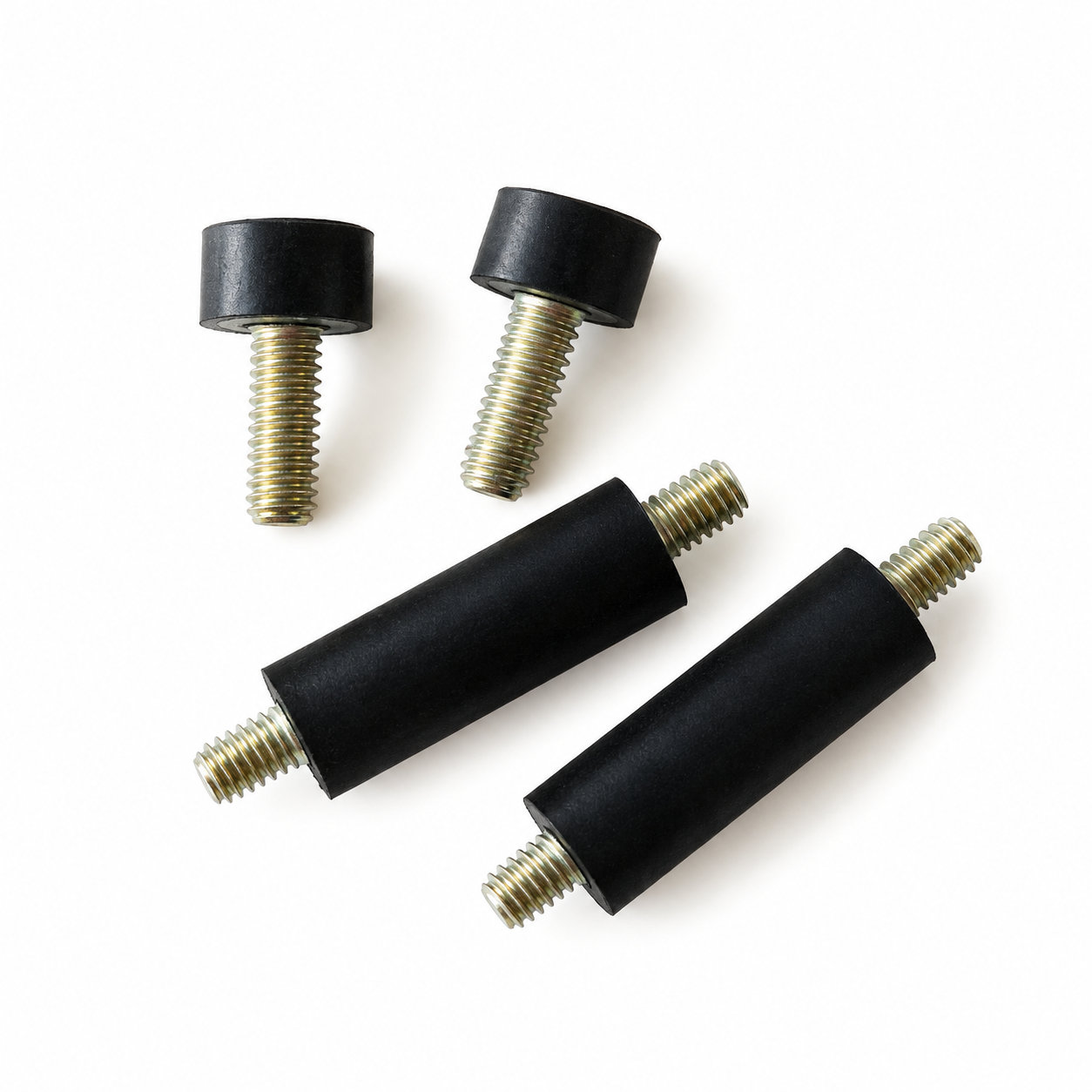
The distance between mounting seats should be measured at both travel limits. Include any change in angle, since a cover may compress unevenly when the two ends do not remain aligned. Check that the chosen attachment arrangement permits the intended motion without rotating an end off its seat.
Maintenance access also influences the design. Dirt can collect between folds, so the installed arrangement should permit inspection and appropriate cleaning without pulling the cover off its seat. Replace a bellows with torn folds or damaged attachment edges, and investigate repeated rubbing marks before fitting another identical part.
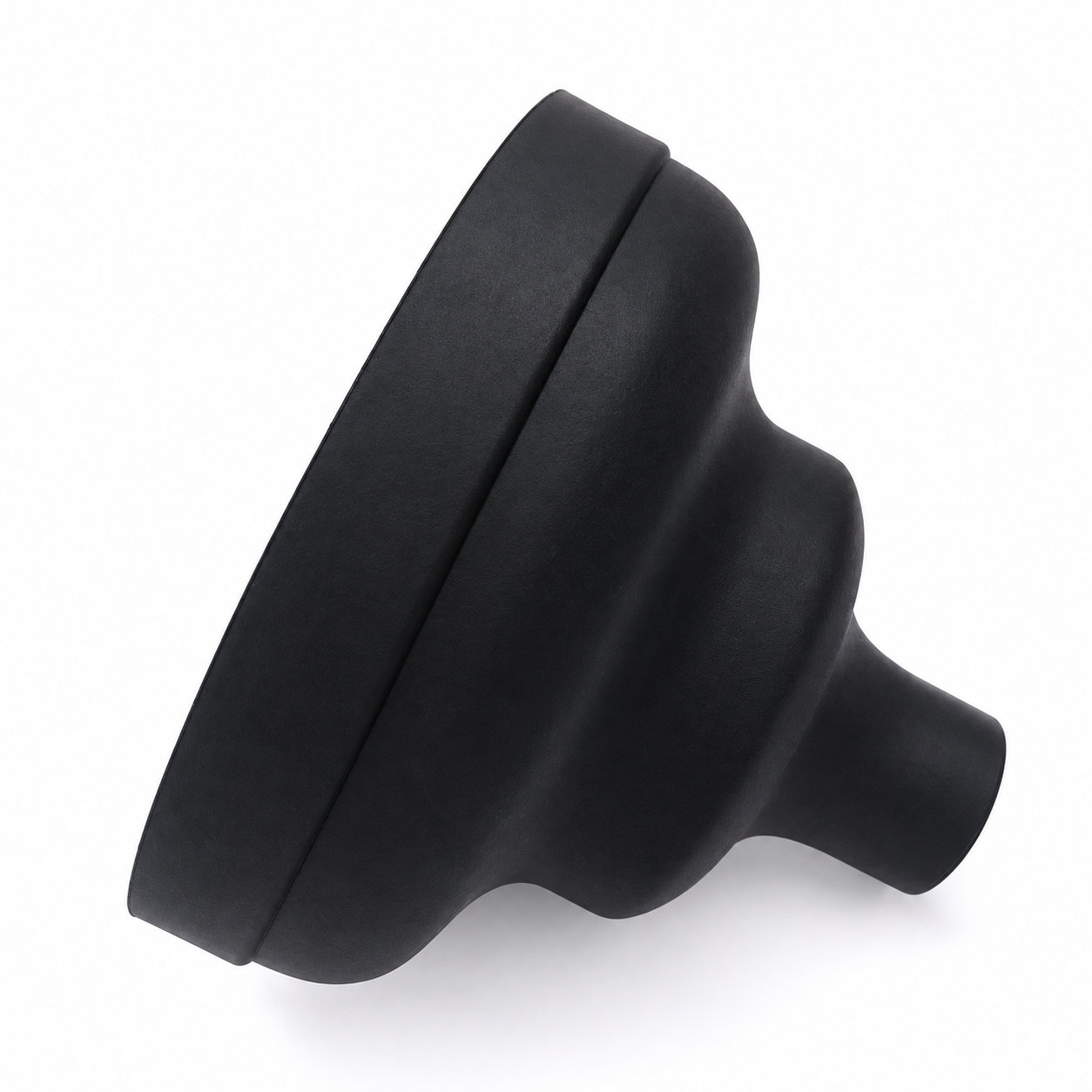
Photos illustrate structure or material only. Folds can move outward when compressed and may contact nearby brackets, springs or guards. ETOL directly manufactures custom-shaped silicone and rubber parts to your requirements.
Identify key dimensions, mating surfaces and quantity
Agree the compound and manufacturing approach
Review the fit and agreed requirements in the assembly
Manufacture and check against the approved requirements
Identify temperature, contact fluids and repeated movement.
Consider hardness together with wall thickness and support.
Check access, mating dimensions and the fitting sequence.
Yes. Show the receiving opening, contact surfaces and clearance limits. We can review the dimensions and retaining features around the intended fit.
Agree the critical dimensions, material, hardness, visible surfaces and sample requirements. Explain how the part is installed and which interfaces control its function.
A sample can help explain the structure. Compare it with the assembly because wear, swelling or compression may have changed its original dimensions.
The material, part geometry, tooling, quantity and finishing affect the quotation. Include the intended batch size and delivery destination when describing your requirements.
DISCUSS THIS COMPONENT
Share the fit, operating conditions and quantity with our manufacturing team.
EXPLORE RELATED DESIGNS
Explore similar part structures and applications for your next project.