Working conditions
Identify temperature, contact fluids and repeated movement.

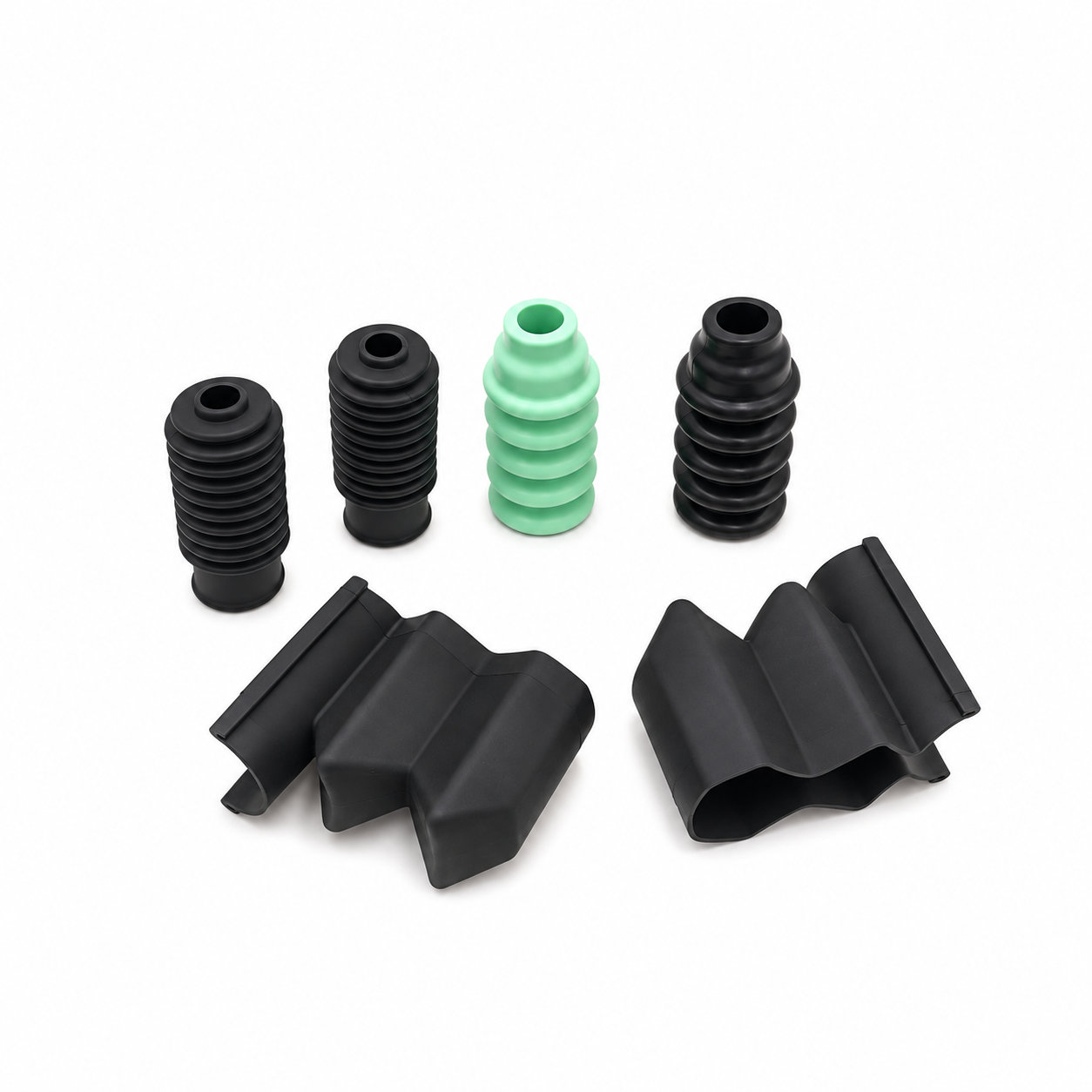
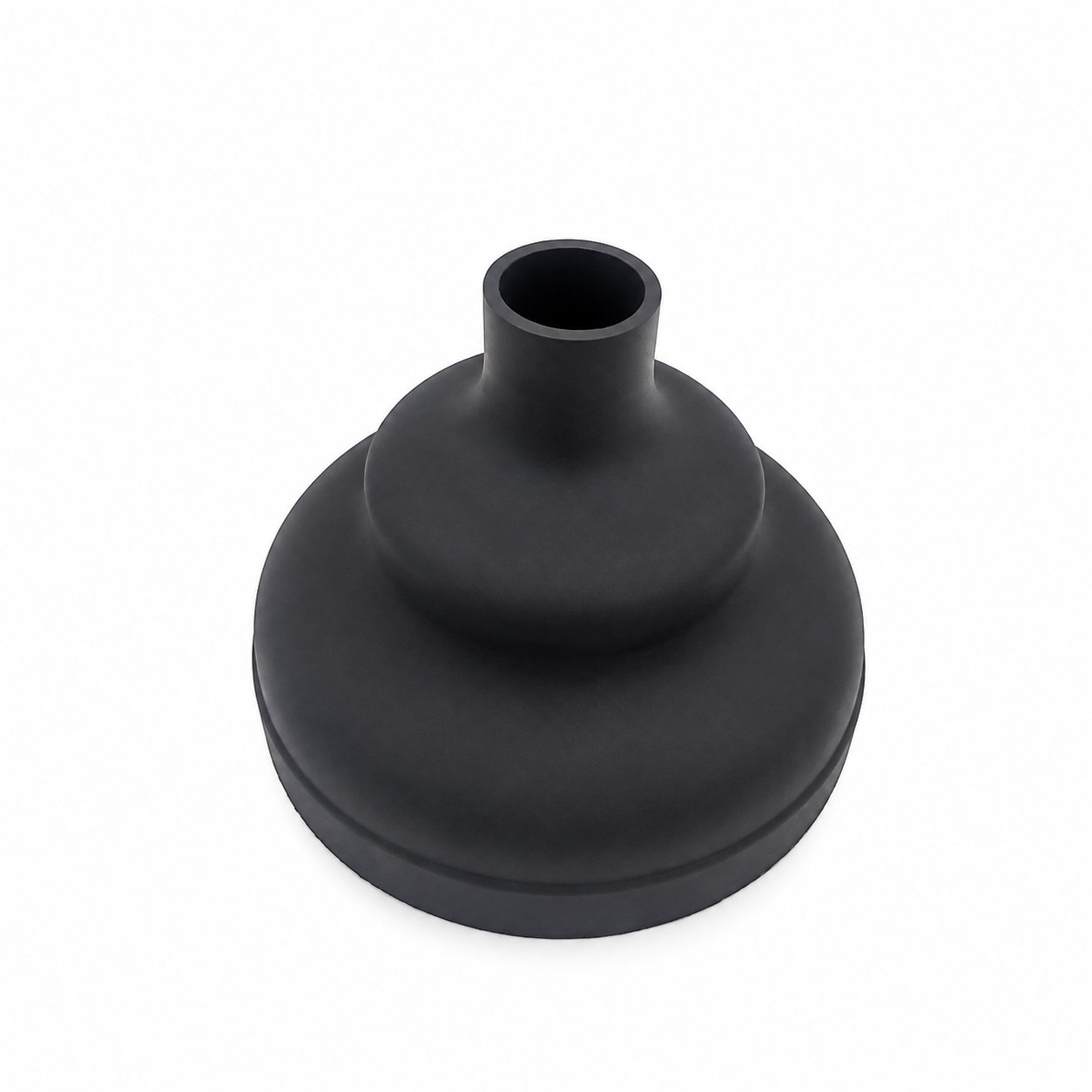
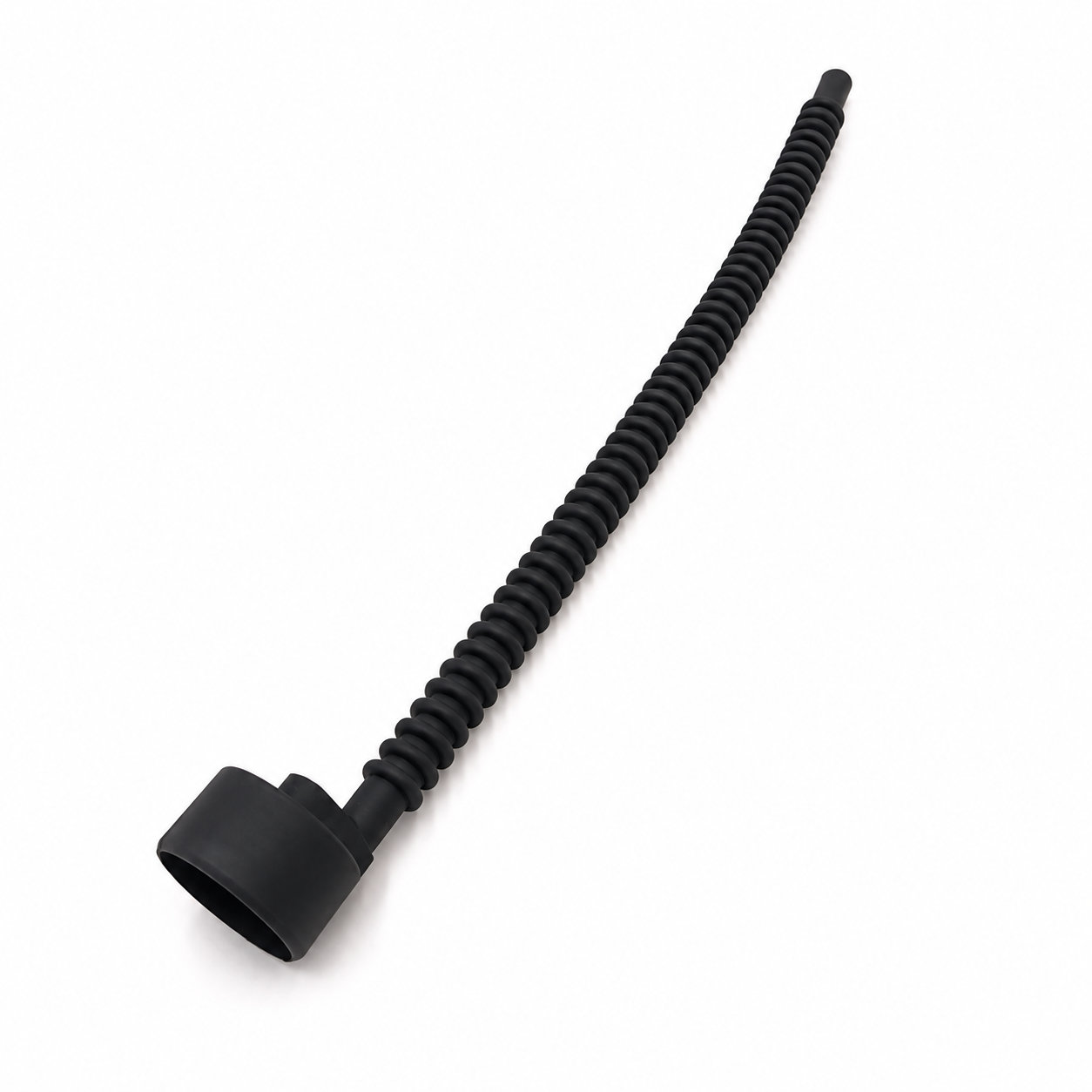
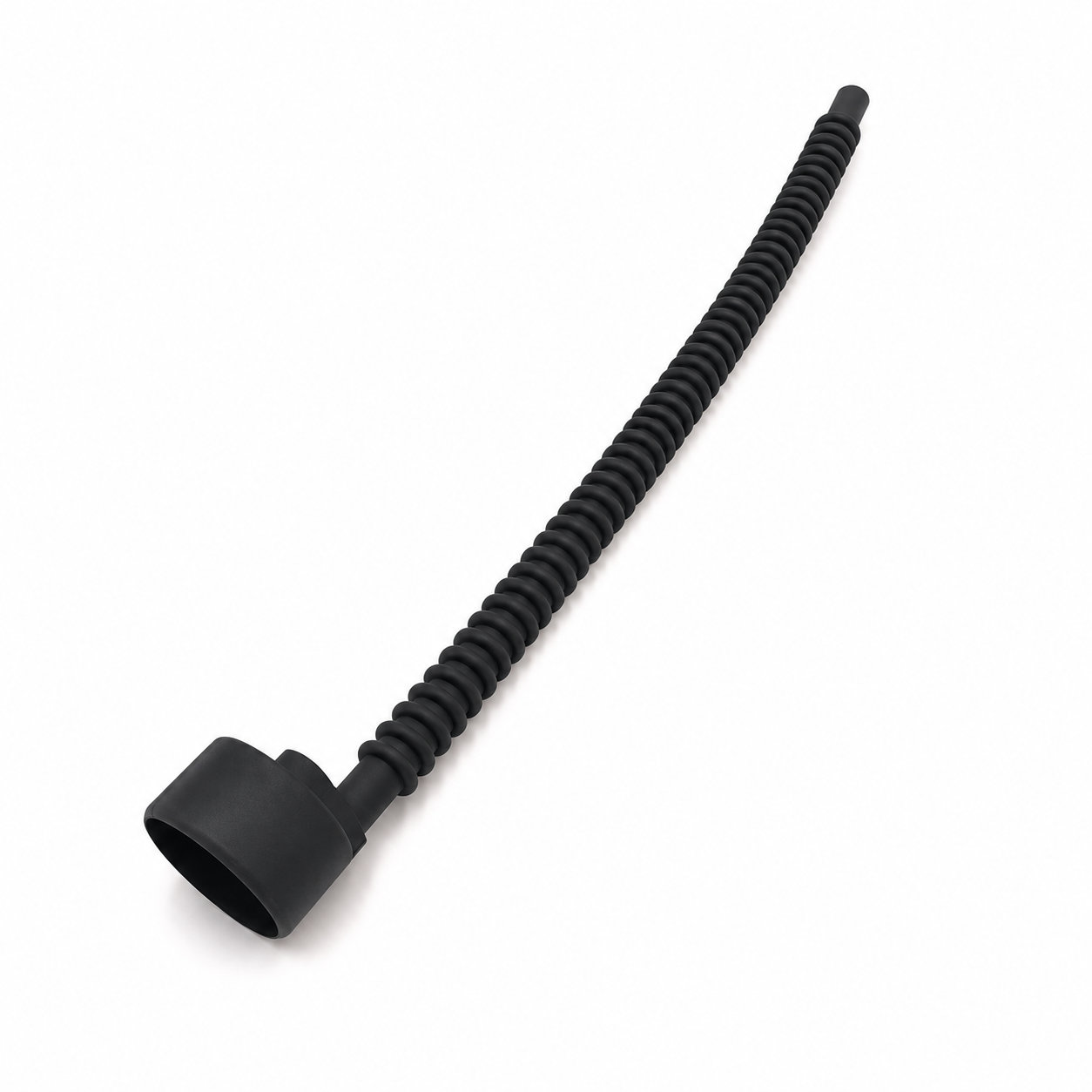
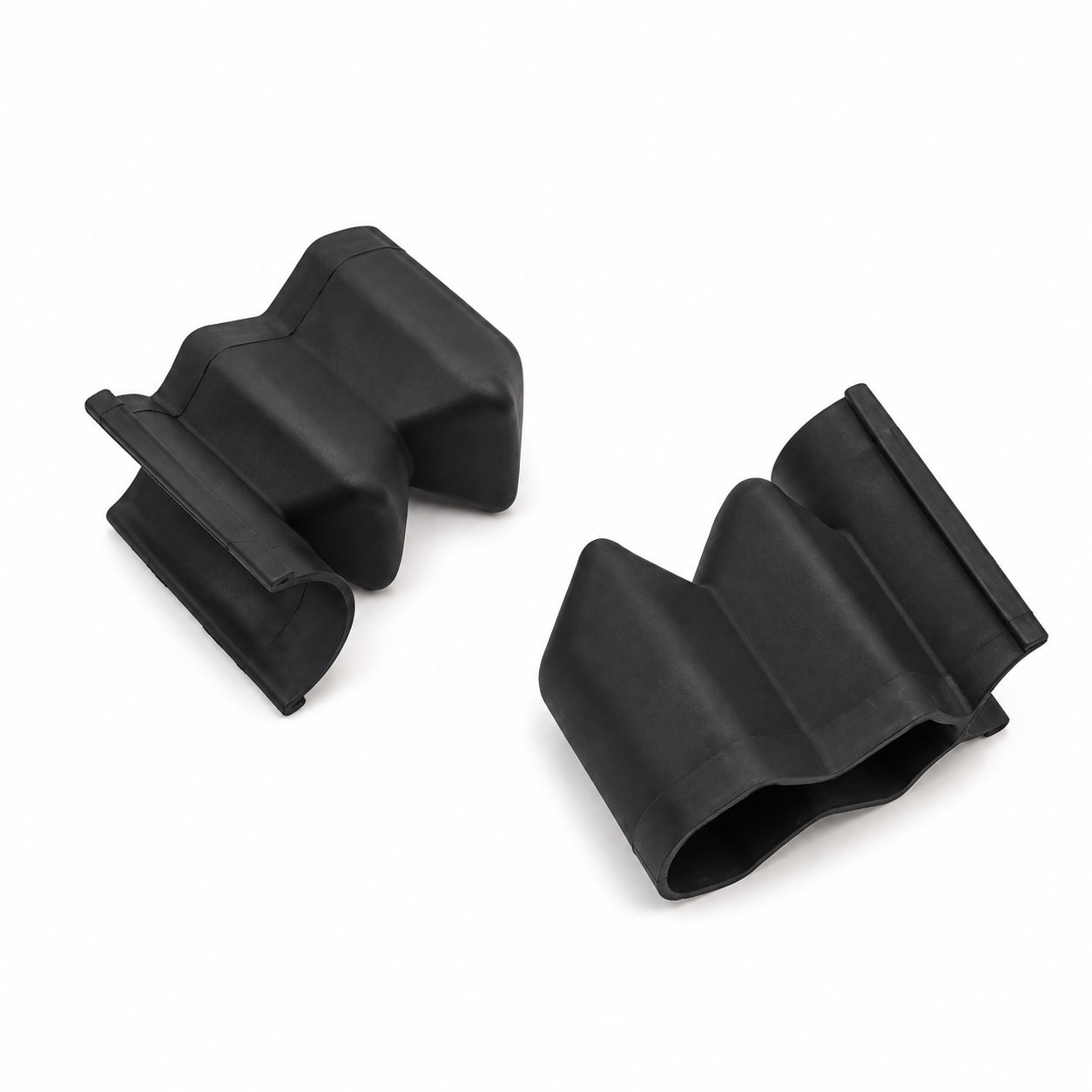
Custom manufacturing example · Custom Made Various Rubber Dust Boot Bellows
CUSTOM RUBBER & SILICONE MANUFACTURING
A custom component for your assembly.
Define the mating surfaces, dimensions and working conditions. ETOL manufactures the part to the agreed design and material.
Share the part, its application and your estimated quantity.

Selected for the contact, temperature and movement
Define the visible surfaces and intended color
Develop holes, lips and walls around the mating parts
Match the attachment and installation method
Rubber Dust Boot Bellows can be developed to cover a moving joint while accommodating changes in length and angle. The folds should follow the motion without becoming trapped between neighboring components. End attachment geometry, free length and available radial space all contribute to the working arrangement.
ETOL customizes the material, dimensions, hardness and color, with hardness options from 30 to 90 Shore A. Select the compound for the surrounding exposure and the deformation expected from the fold design. An angled movement can compress folds on one side while stretching the other, so a straight extension measurement is only part of the assessment.
Evaluate the joint through its intended movement range with the boot attached at both ends. Check whether a fold rubs a bracket, whether the end seat rotates and whether the cover becomes the component limiting motion. At the most compressed position, the folds should not be forced into an unsupported pinch point.
Include the route of any hose or cable beside the joint when reviewing clearances. A neighboring flexible item may enter the space around the boot only at certain positions. Checking the combined motion can reveal interference that would be missed when the boot is moved by itself.
Plan access for inspection and appropriate cleaning. Dust collected between folds can hide a small cut, while a repeated polished area may reveal contact with nearby hardware. Before replacing a damaged boot, identify whether the damage arose from installation, movement clearance or the attachment arrangement. Correcting that cause helps the replacement work within the intended joint geometry.
Photos illustrate structure or material appearance only. An angled movement can compress folds on one side while stretching the other, so a straight extension measurement is only part of the assessment. ETOL directly manufactures custom-shaped silicone and rubber parts to your requirements.
Identify key dimensions, mating surfaces and quantity
Agree the compound and manufacturing approach
Review the fit and agreed requirements in the assembly
Manufacture and check against the approved requirements
Identify temperature, contact fluids and repeated movement.
Consider hardness together with wall thickness and support.
Check access, mating dimensions and the fitting sequence.
Yes. Show the receiving opening, contact surfaces and clearance limits. We can review the dimensions and retaining features around the intended fit.
Agree the critical dimensions, material, hardness, visible surfaces and sample requirements. Explain how the part is installed and which interfaces control its function.
A sample can help explain the structure. Compare it with the assembly because wear, swelling or compression may have changed its original dimensions.
The material, part geometry, tooling, quantity and finishing affect the quotation. Include the intended batch size and delivery destination when describing your requirements.
DISCUSS THIS COMPONENT
Share the fit, operating conditions and quantity with our manufacturing team.
EXPLORE RELATED DESIGNS
Explore similar part structures and applications for your next project.