Working conditions
Identify temperature, contact fluids and repeated movement.

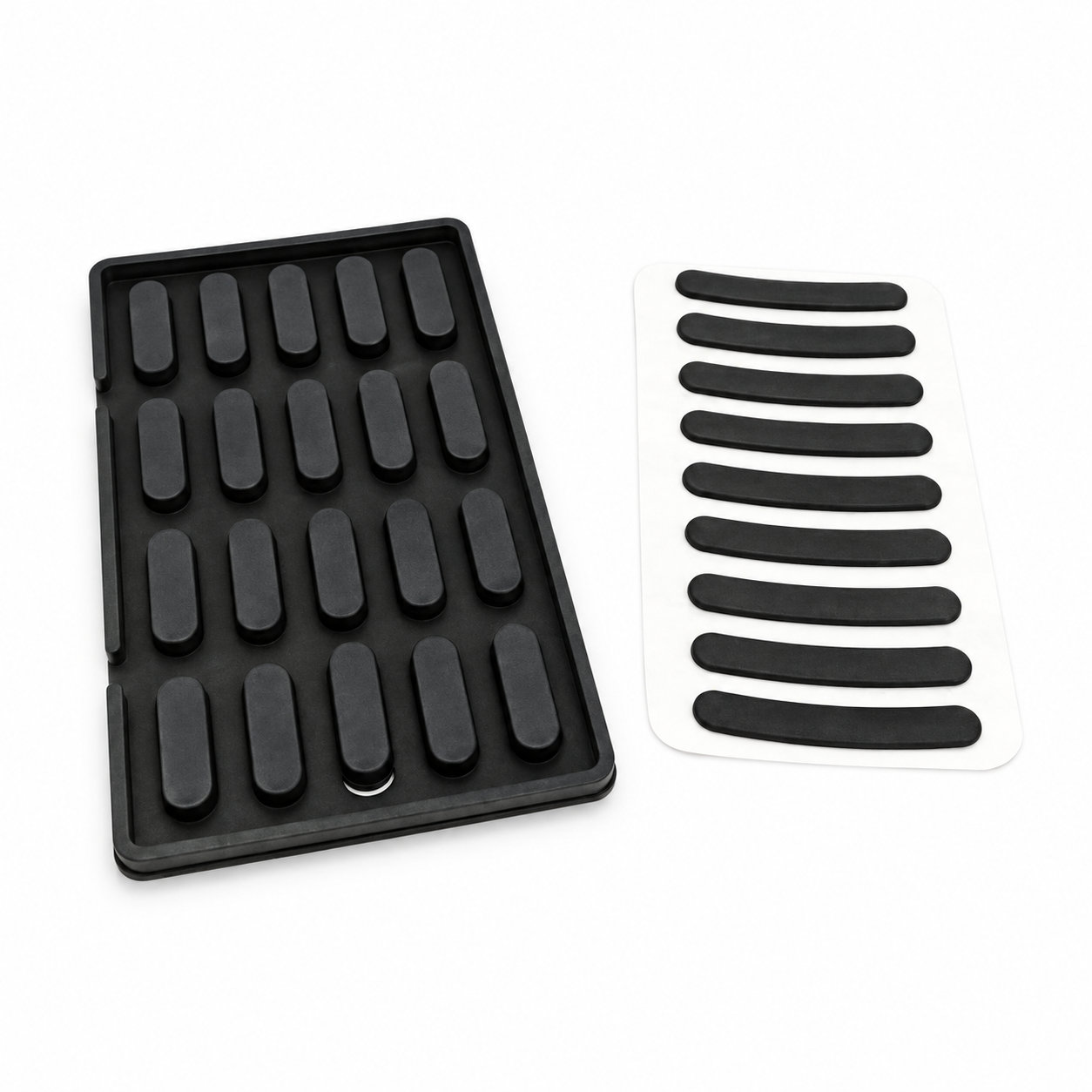
Custom manufacturing example · Protective adhesive rubber pads foam rubber bumper
CUSTOM RUBBER & SILICONE MANUFACTURING
A custom component for your assembly.
Define the mating surfaces, dimensions and working conditions. ETOL manufactures the part to the agreed design and material.
Share the part, its application and your estimated quantity.
Selected for the contact, temperature and movement
Define the visible surfaces and intended color
Develop holes, lips and walls around the mating parts
Match the attachment and installation method
A foam rubber bumper offers a compressible contact layer where adjoining parts need a selected amount of separation. Its behavior depends on the foam construction, thickness, contact area, and applied load. Choose the working compression around the actual closing condition so the material is neither left untouched nor crushed beyond its intended role.
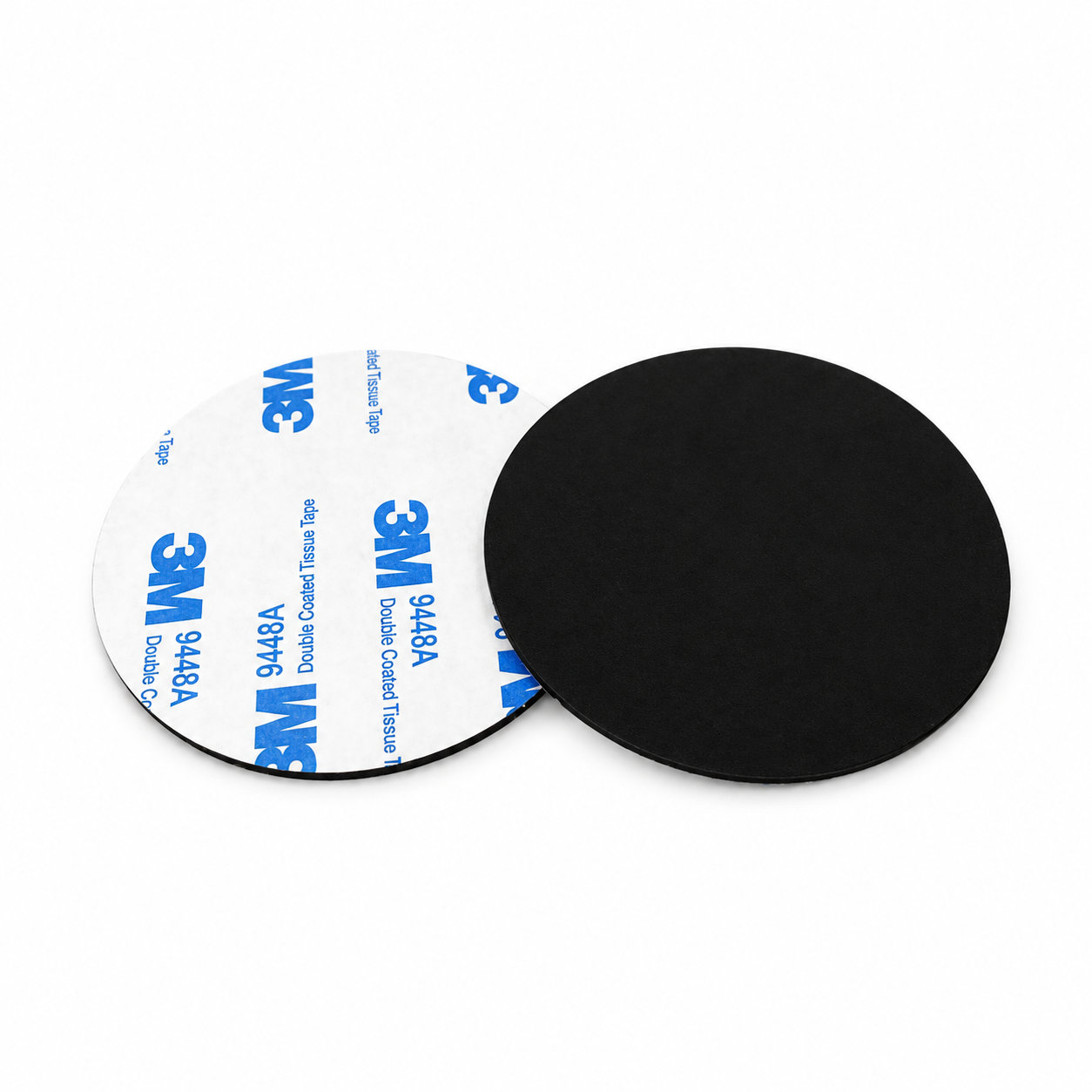
The adhesive face should sit on a supported surface that allows the opposite contact to act through the pad. An unsupported edge can bend away instead of cushioning the intended point. Keep the bumper clear of moving parts that might slice or repeatedly scrape across the foam.
Fit the pad to a prepared substrate using an adhesive system suited to that surface and environment. Bring the assembly into contact gently to confirm the closing position and clearance around it. During inspection, compare the recovered shape with the space it needs to occupy. Permanent flattening, torn edges, or a lifting bond are reasons to review the contact load and replace the component before the adjoining surfaces meet incorrectly.
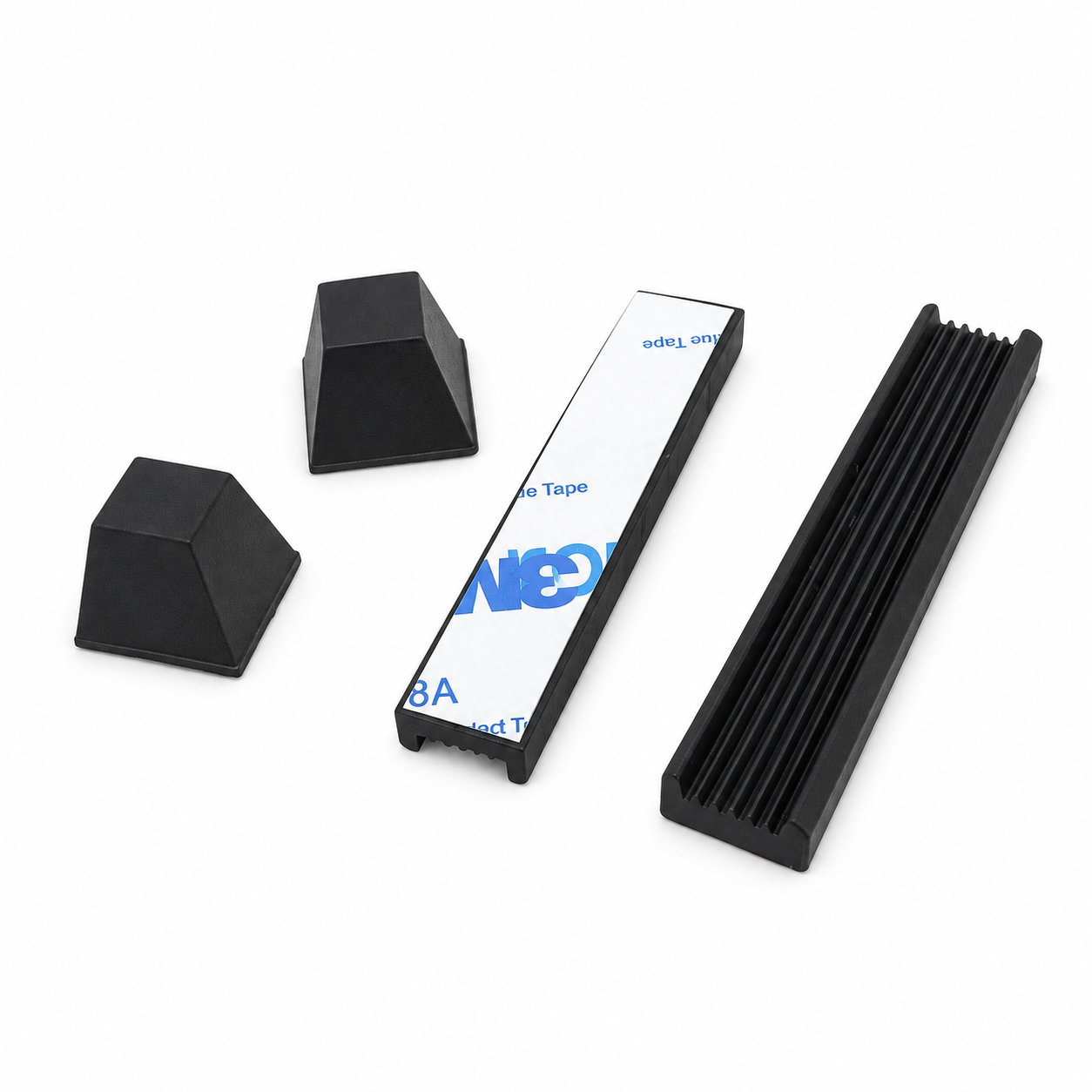
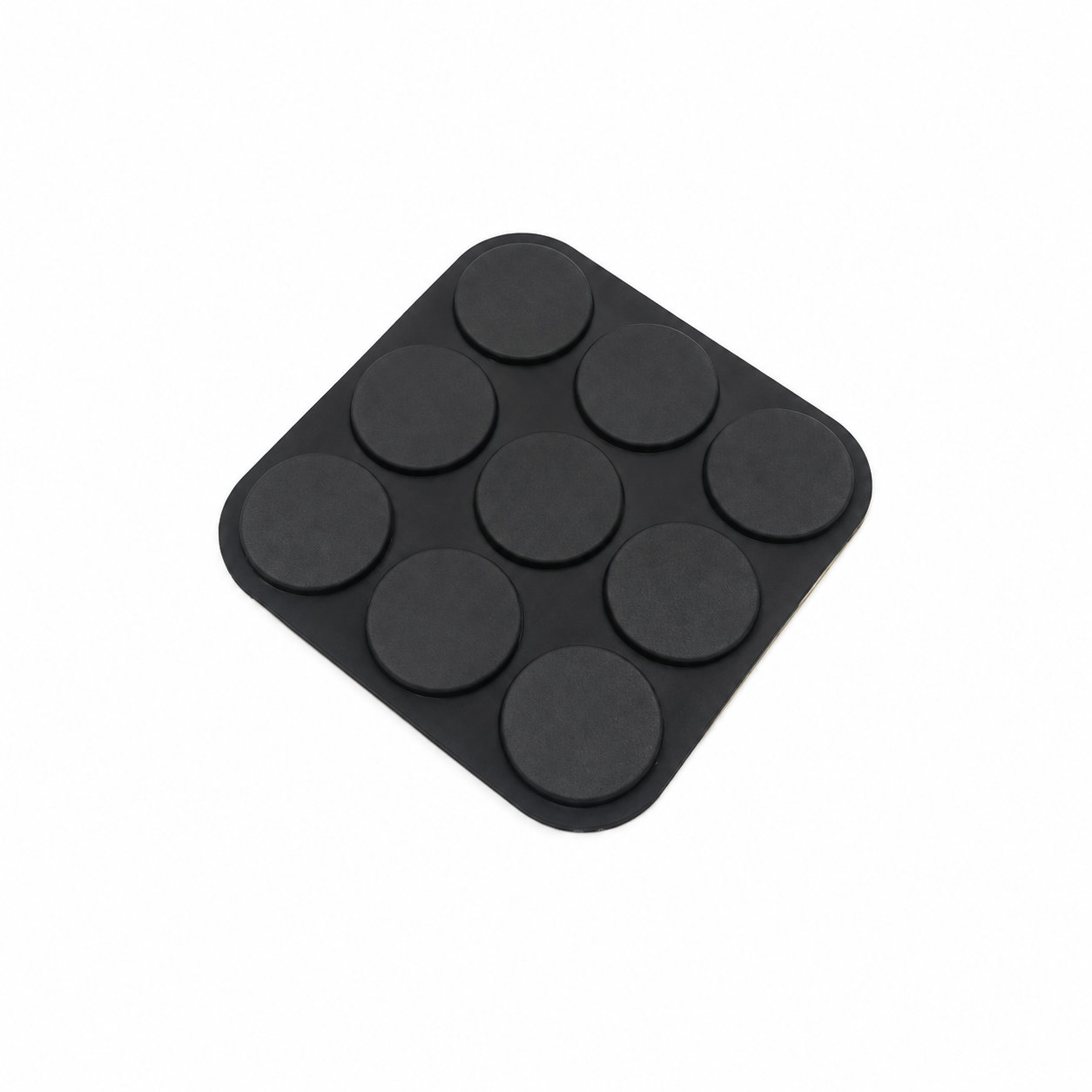
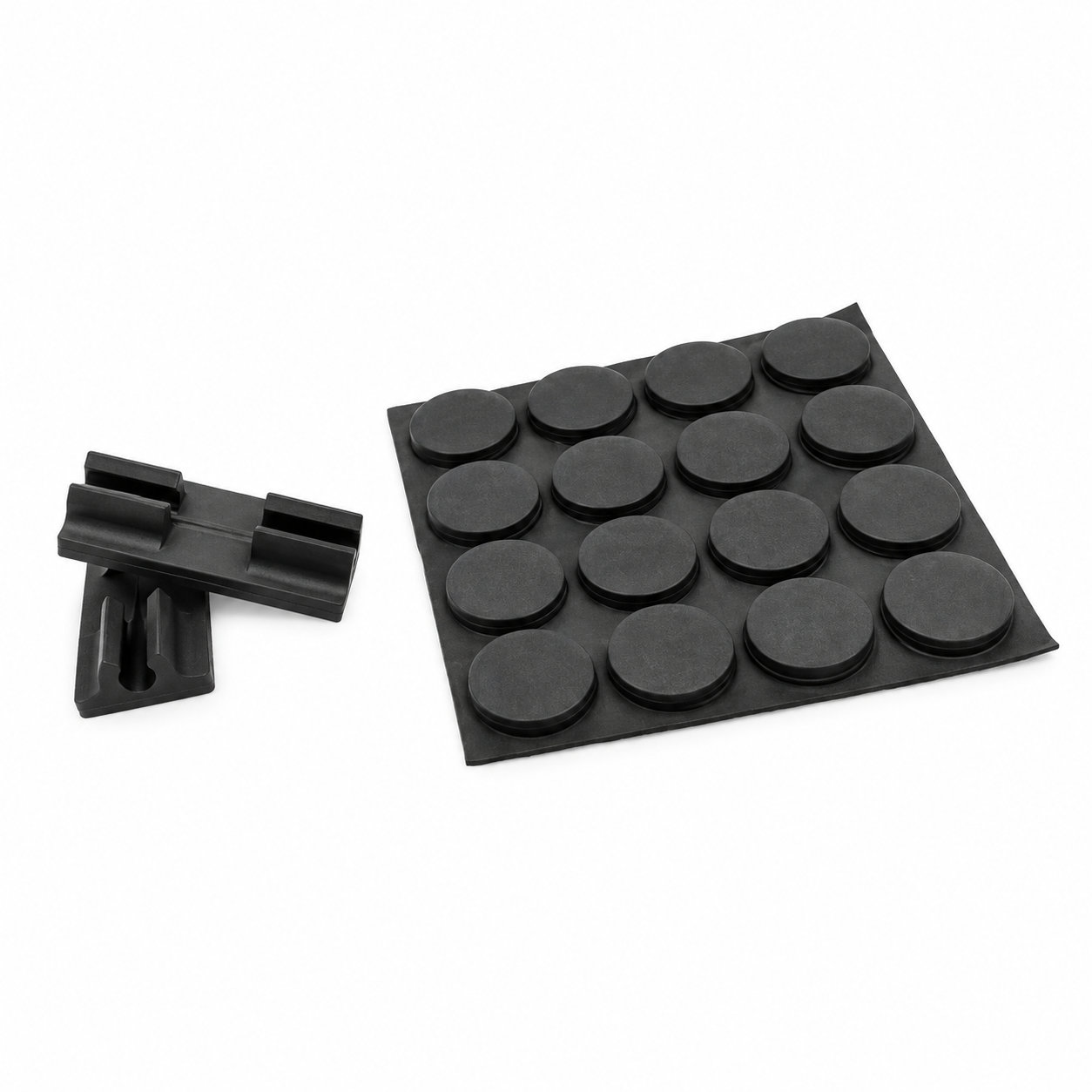
Photos illustrate structure or material only. The adhesive face should sit on a supported surface that allows the opposite contact to act through the pad. ETOL directly manufactures custom-shaped silicone and rubber parts to your requirements.
Identify key dimensions, mating surfaces and quantity
Agree the compound and manufacturing approach
Review the fit and agreed requirements in the assembly
Manufacture and check against the approved requirements
Identify temperature, contact fluids and repeated movement.
Consider hardness together with wall thickness and support.
Check access, mating dimensions and the fitting sequence.
Yes. Show the receiving opening, contact surfaces and clearance limits. We can review the dimensions and retaining features around the intended fit.
Agree the critical dimensions, material, hardness, visible surfaces and sample requirements. Explain how the part is installed and which interfaces control its function.
A sample can help explain the structure. Compare it with the assembly because wear, swelling or compression may have changed its original dimensions.
The material, part geometry, tooling, quantity and finishing affect the quotation. Include the intended batch size and delivery destination when describing your requirements.
DISCUSS THIS COMPONENT
Share the fit, operating conditions and quantity with our manufacturing team.
EXPLORE RELATED DESIGNS
Explore similar part structures and applications for your next project.