Working conditions
Identify temperature, contact fluids and repeated movement.

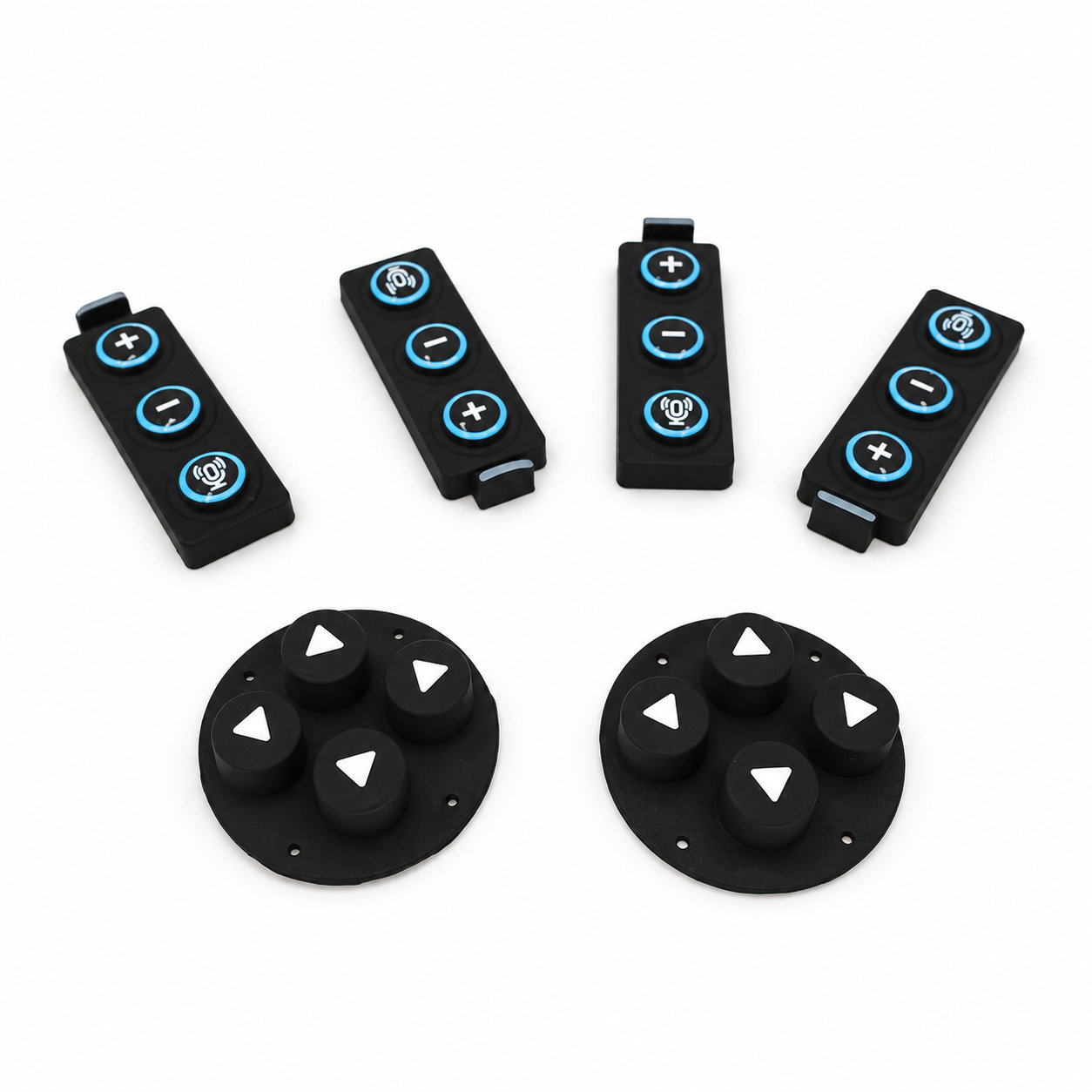
Custom manufacturing example · Carbon pill conductive rubber silicone keypad overlays
CUSTOM RUBBER & SILICONE MANUFACTURING
A custom component for your assembly.
Define the mating surfaces, dimensions and working conditions. ETOL manufactures the part to the agreed design and material.
Share the part, its application and your estimated quantity.
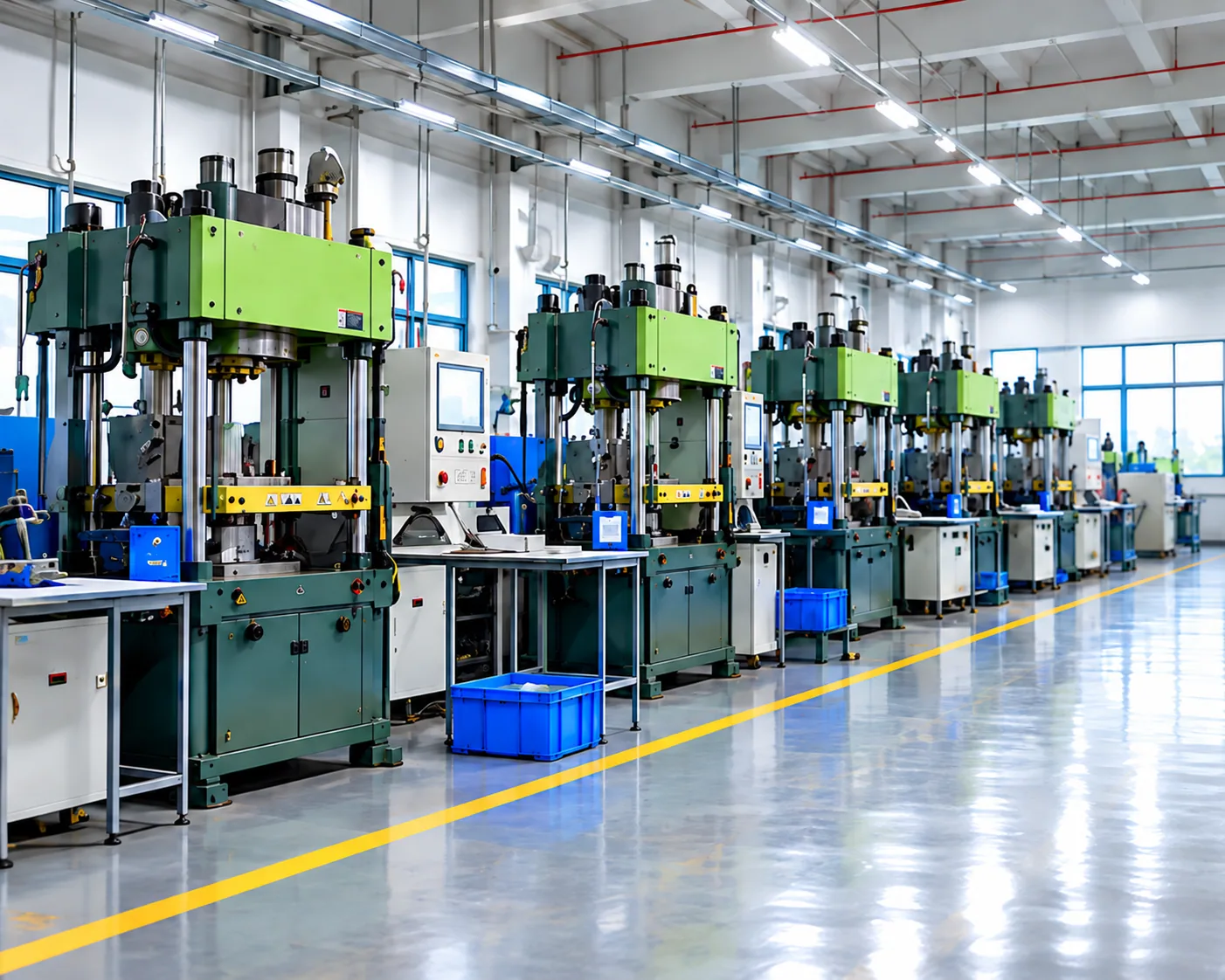
Selected for the contact, temperature and movement
Define the visible surfaces and intended color
Develop holes, lips and walls around the mating parts
Match the attachment and installation method
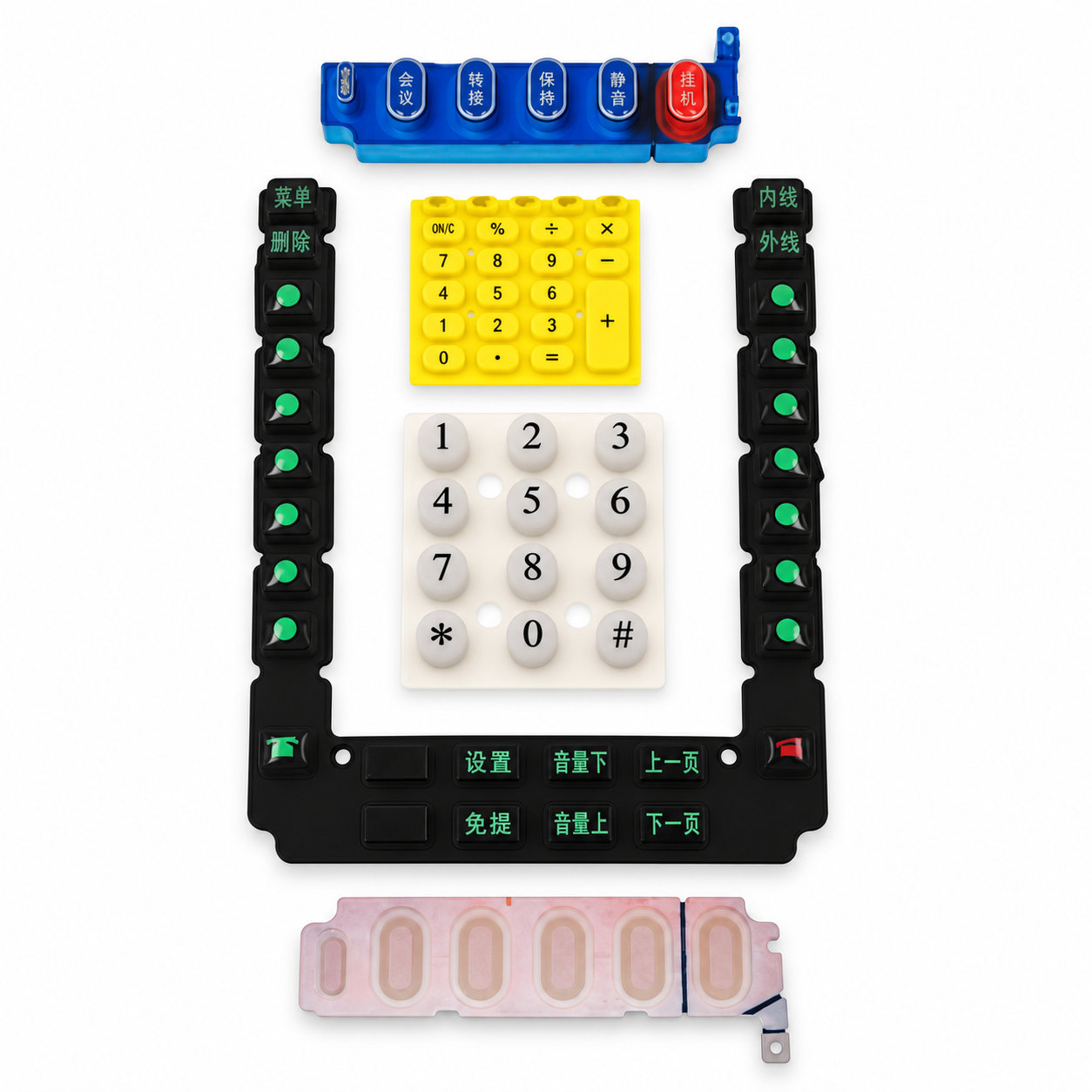
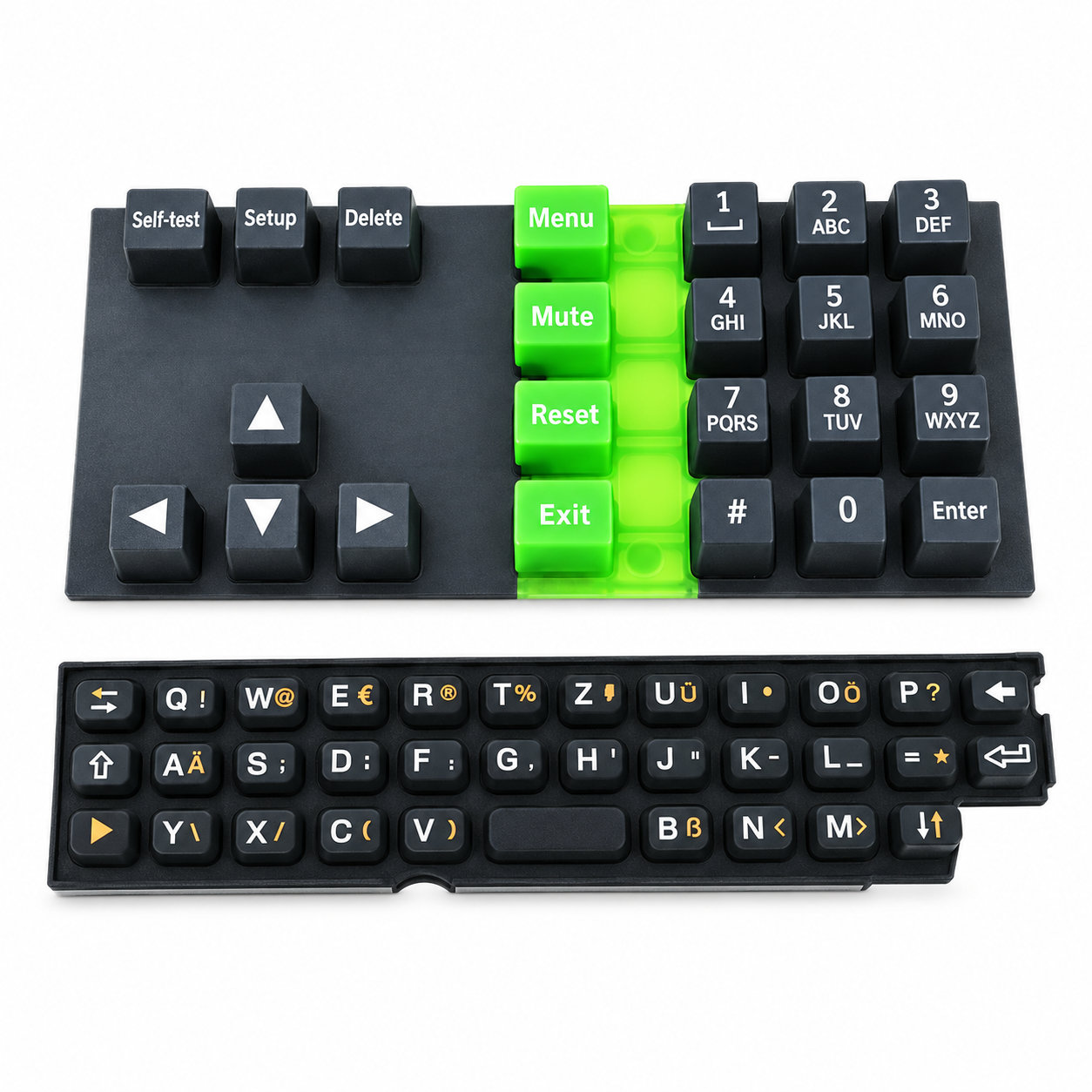
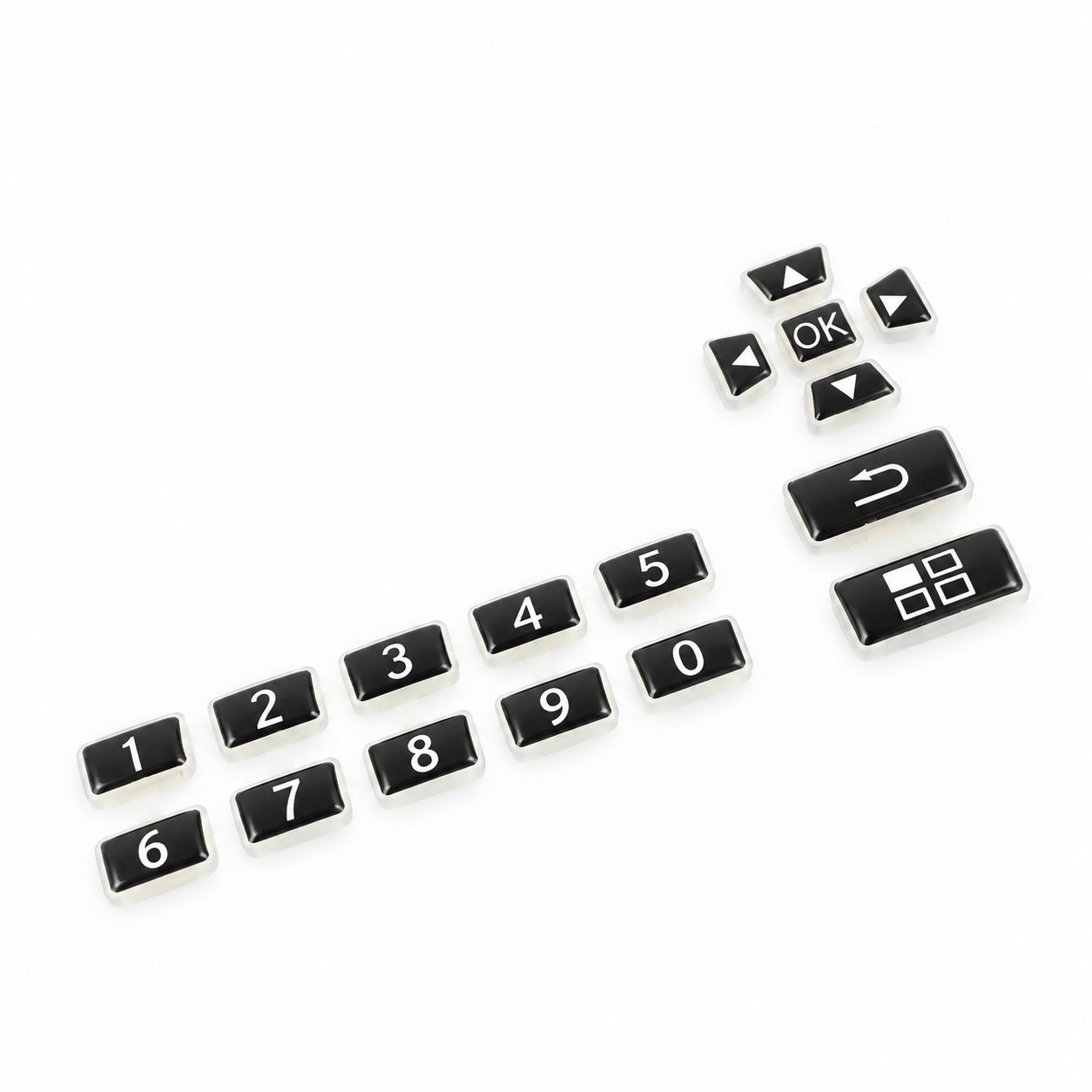
Conductive silicone keypad overlays with carbon pill contacts form part of a layered control assembly. The overlay sits between the user's finger and the matching circuit area, so its installed spacing determines when a press reaches the contact and when release separates it again. The custom layout needs to follow the whole stack of parts.
Review the thickness and support of the enclosure and internal components together. A change beneath the overlay can alter the resting gap even when the top key positions remain unchanged. The overlay should sit naturally without a section suspended over an unsupported area or compressed beneath an unrelated feature.
Operate the keys after the enclosure is fully secured. Check presses across the full array, including those made away from the center of a key. The contact should return to its intended unpressed state after each action. Keeping that movement independent across neighboring keys is part of the assembled fit assessment.
Size and color can be customized for the product. Protect the carbon pill surfaces from contamination during fitting and avoid scraping them during service. When replacing an overlay, preserve the specified contact pattern and support geometry as well as its visible dimensions, since those hidden details determine how it meets the circuit.
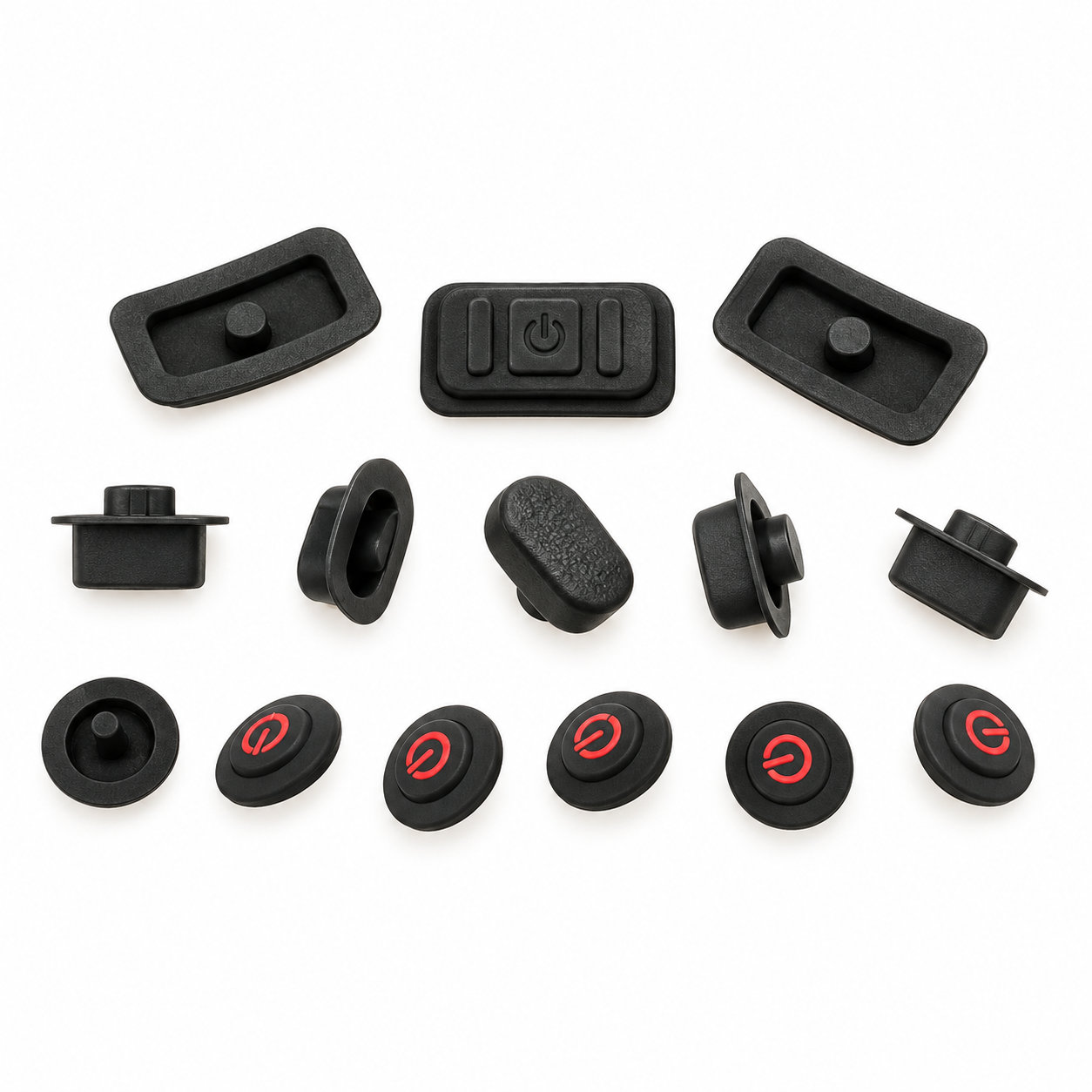
Photos illustrate structure or material only. A change beneath the overlay can alter the resting gap even when the top key positions remain unchanged. ETOL directly manufactures custom-shaped silicone and rubber parts to your requirements.
Identify key dimensions, mating surfaces and quantity
Agree the compound and manufacturing approach
Review the fit and agreed requirements in the assembly
Manufacture and check against the approved requirements
Identify temperature, contact fluids and repeated movement.
Consider hardness together with wall thickness and support.
Check access, mating dimensions and the fitting sequence.
Yes. Show the receiving opening, contact surfaces and clearance limits. We can review the dimensions and retaining features around the intended fit.
Agree the critical dimensions, material, hardness, visible surfaces and sample requirements. Explain how the part is installed and which interfaces control its function.
A sample can help explain the structure. Compare it with the assembly because wear, swelling or compression may have changed its original dimensions.
The material, part geometry, tooling, quantity and finishing affect the quotation. Include the intended batch size and delivery destination when describing your requirements.
DISCUSS THIS COMPONENT
Share the fit, operating conditions and quantity with our manufacturing team.
EXPLORE RELATED DESIGNS
Explore similar part structures and applications for your next project.