Working conditions
Identify temperature, contact fluids and repeated movement.

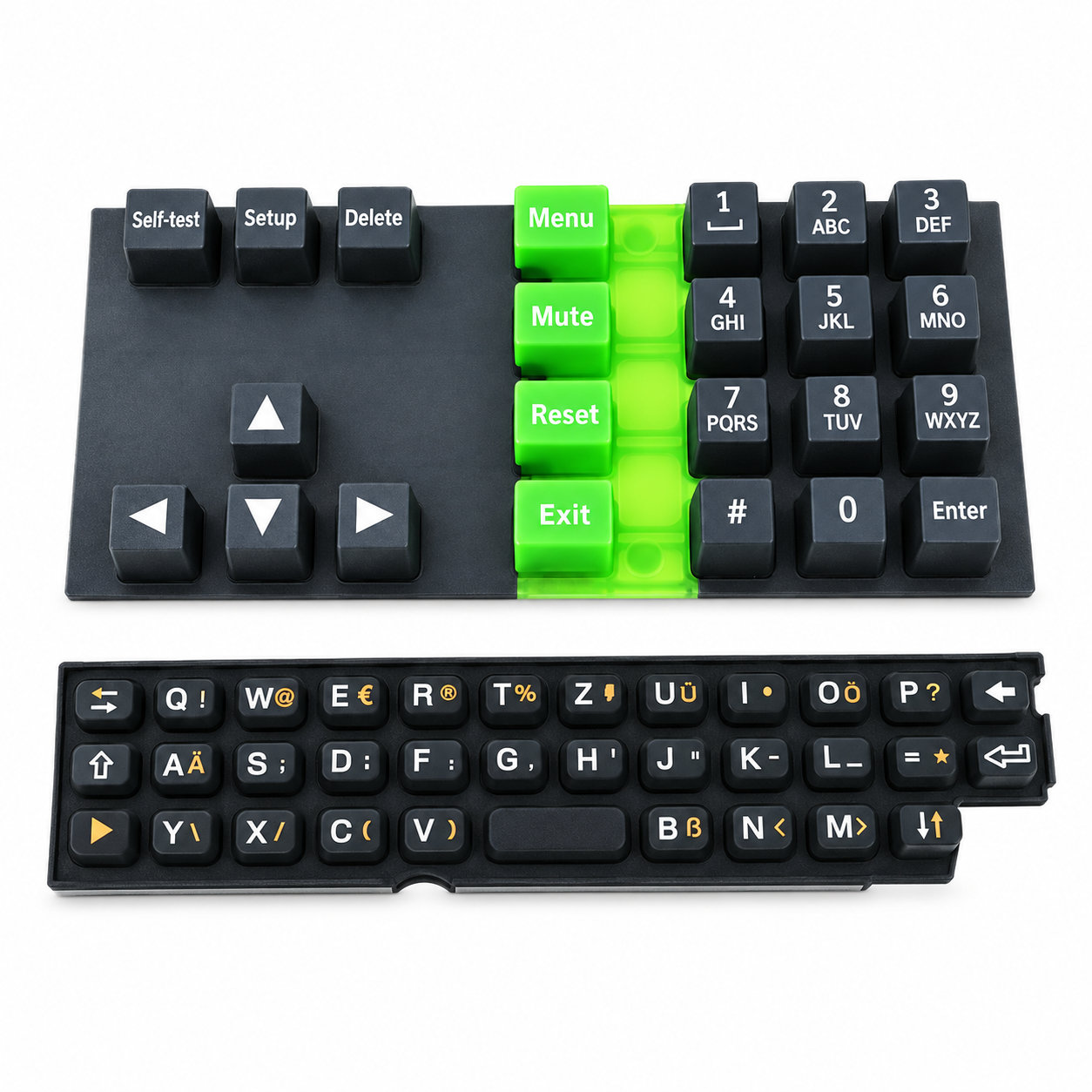
Custom manufacturing example · Silicone rubber keypad for computer/computer keyboard keypad
CUSTOM RUBBER & SILICONE MANUFACTURING
A custom component for your assembly.
Define the mating surfaces, dimensions and working conditions. ETOL manufactures the part to the agreed design and material.
Share the part, its application and your estimated quantity.

Selected for the contact, temperature and movement
Define the visible surfaces and intended color
Develop holes, lips and walls around the mating parts
Match the attachment and installation method
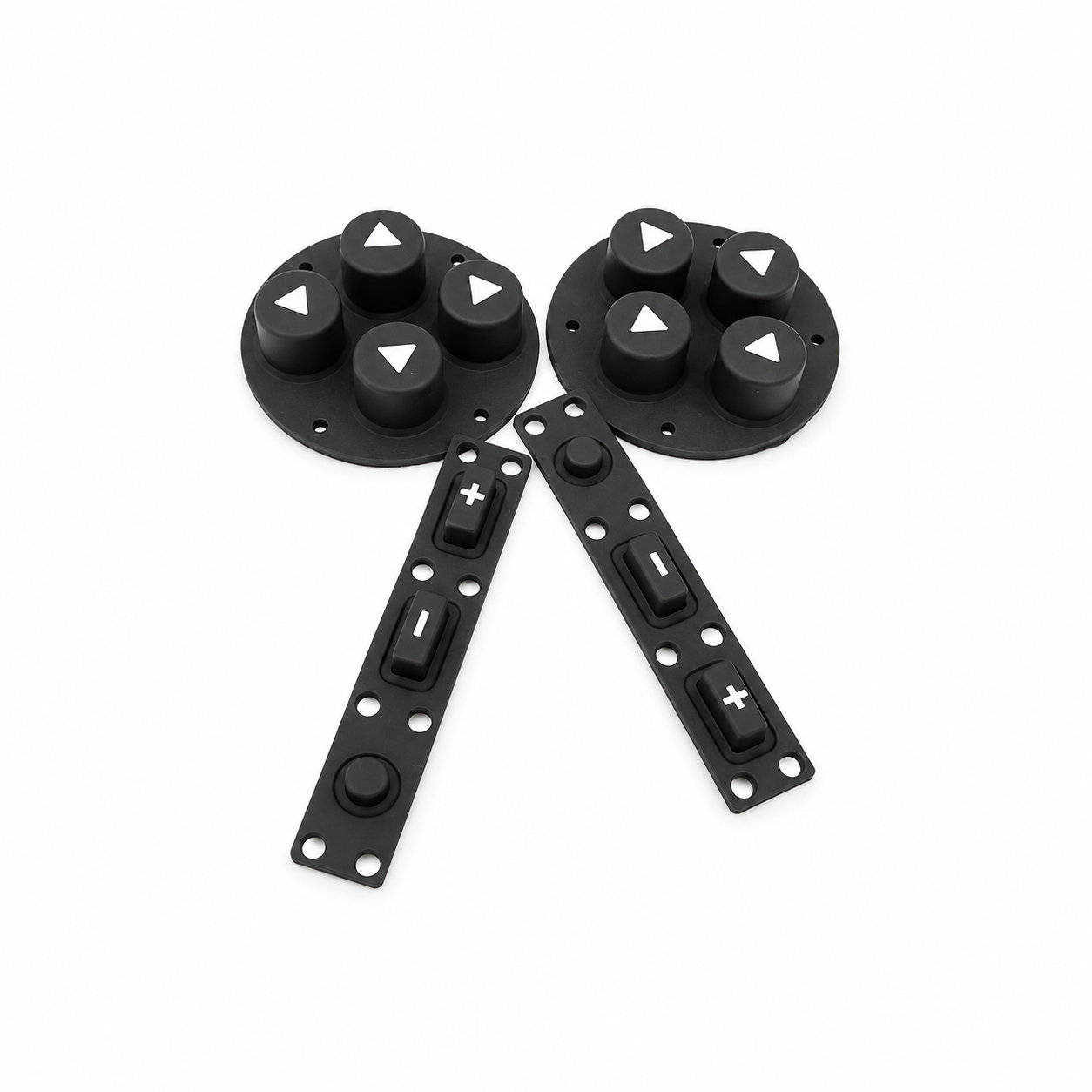
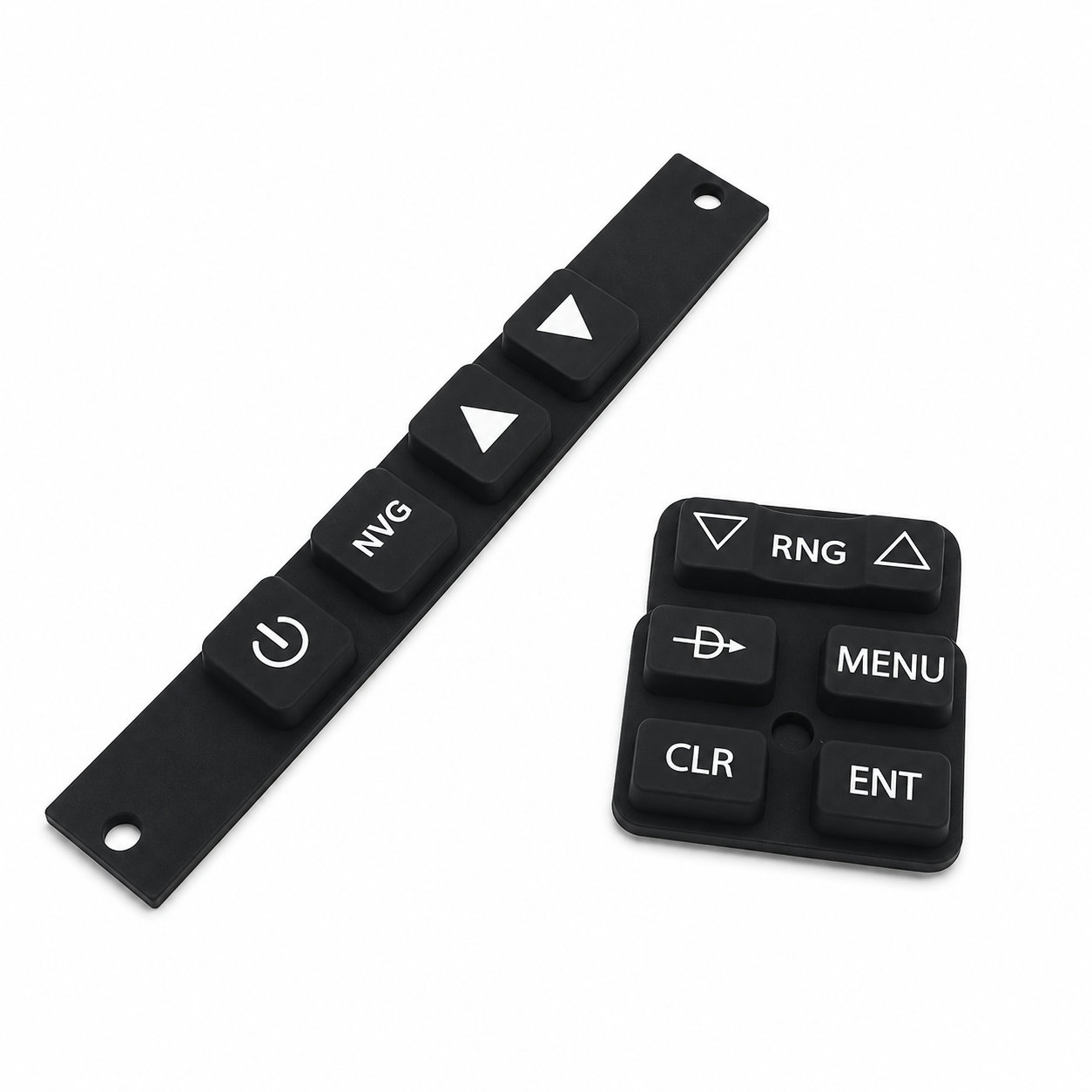
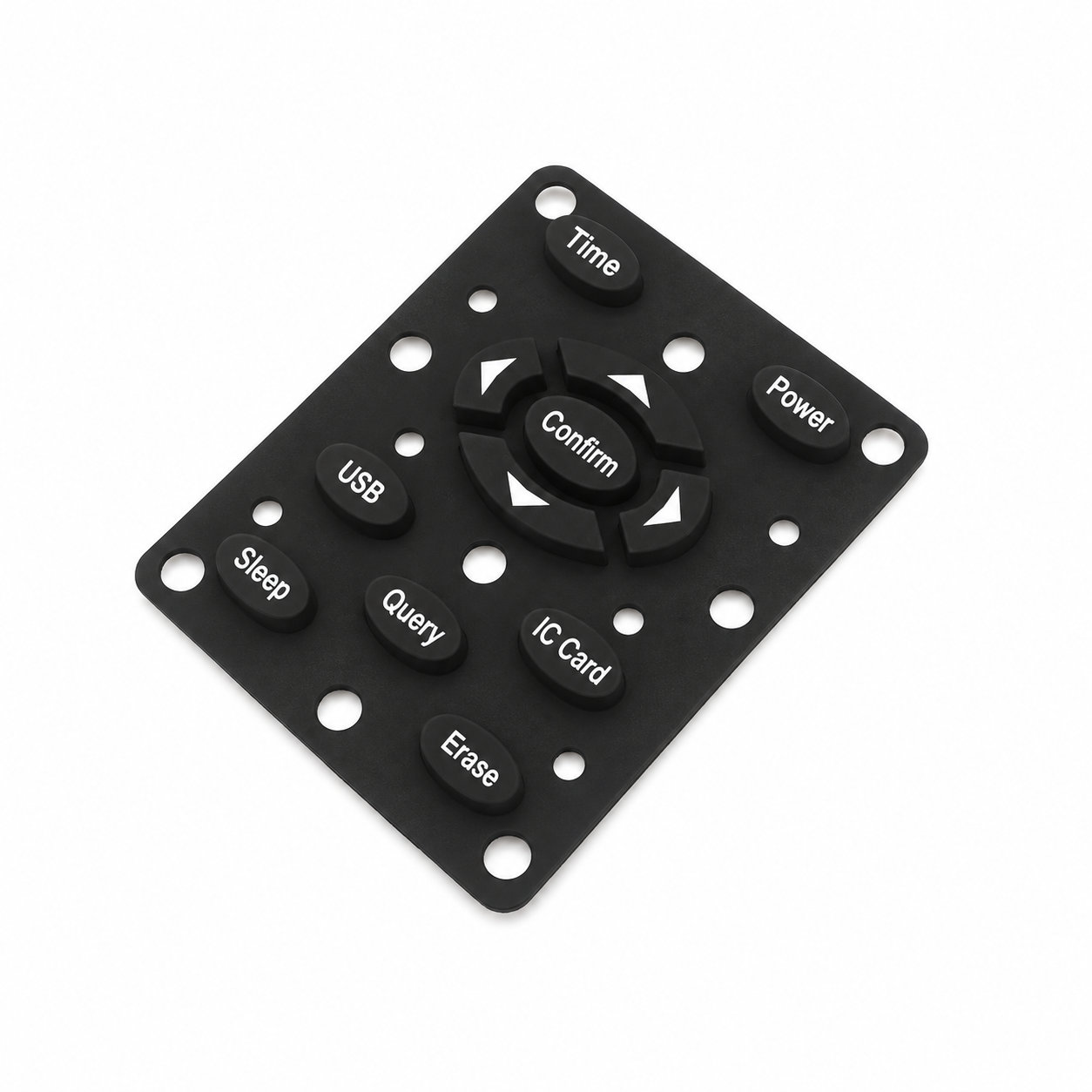
A computer keyboard keypad uses a molded rubber control layer matched to the intended key arrangement. The custom profile should coordinate repeated positions across the housing and align them with the switches or contacts beneath. Small spacing differences can become significant when the layout extends over many keys.
Check the locating features and support across the whole component. The center and outer edges should sit correctly without stretching the membrane to reach the housing. Each key needs its intended clearance and travel, including positions near fasteners or changes in the panel shape.
Install the keypad cleanly and confirm orientation before securing the enclosure. Test the completed keyboard through individual presses and normal typing sequences, looking for missed return or unintended adjacent operation. The visible layout and any legends should remain aligned after the housing covers the surrounding rubber. During service, inspect the membrane for trapped edges when the case is reassembled. Keep dirt away from the working side and use surface cleaning that does not push residue into the key boundaries or damage the markings.
Photos illustrate structure or material only. Each key needs its intended clearance and travel, including positions near fasteners or changes in the panel shape. ETOL directly manufactures custom-shaped silicone and rubber parts to your requirements.
Identify key dimensions, mating surfaces and quantity
Agree the compound and manufacturing approach
Review the fit and agreed requirements in the assembly
Manufacture and check against the approved requirements
Identify temperature, contact fluids and repeated movement.
Consider hardness together with wall thickness and support.
Check access, mating dimensions and the fitting sequence.
Yes. Show the receiving opening, contact surfaces and clearance limits. We can review the dimensions and retaining features around the intended fit.
Agree the critical dimensions, material, hardness, visible surfaces and sample requirements. Explain how the part is installed and which interfaces control its function.
A sample can help explain the structure. Compare it with the assembly because wear, swelling or compression may have changed its original dimensions.
The material, part geometry, tooling, quantity and finishing affect the quotation. Include the intended batch size and delivery destination when describing your requirements.
DISCUSS THIS COMPONENT
Share the fit, operating conditions and quantity with our manufacturing team.
EXPLORE RELATED DESIGNS
Explore similar part structures and applications for your next project.