Working conditions
Identify temperature, contact fluids and repeated movement.

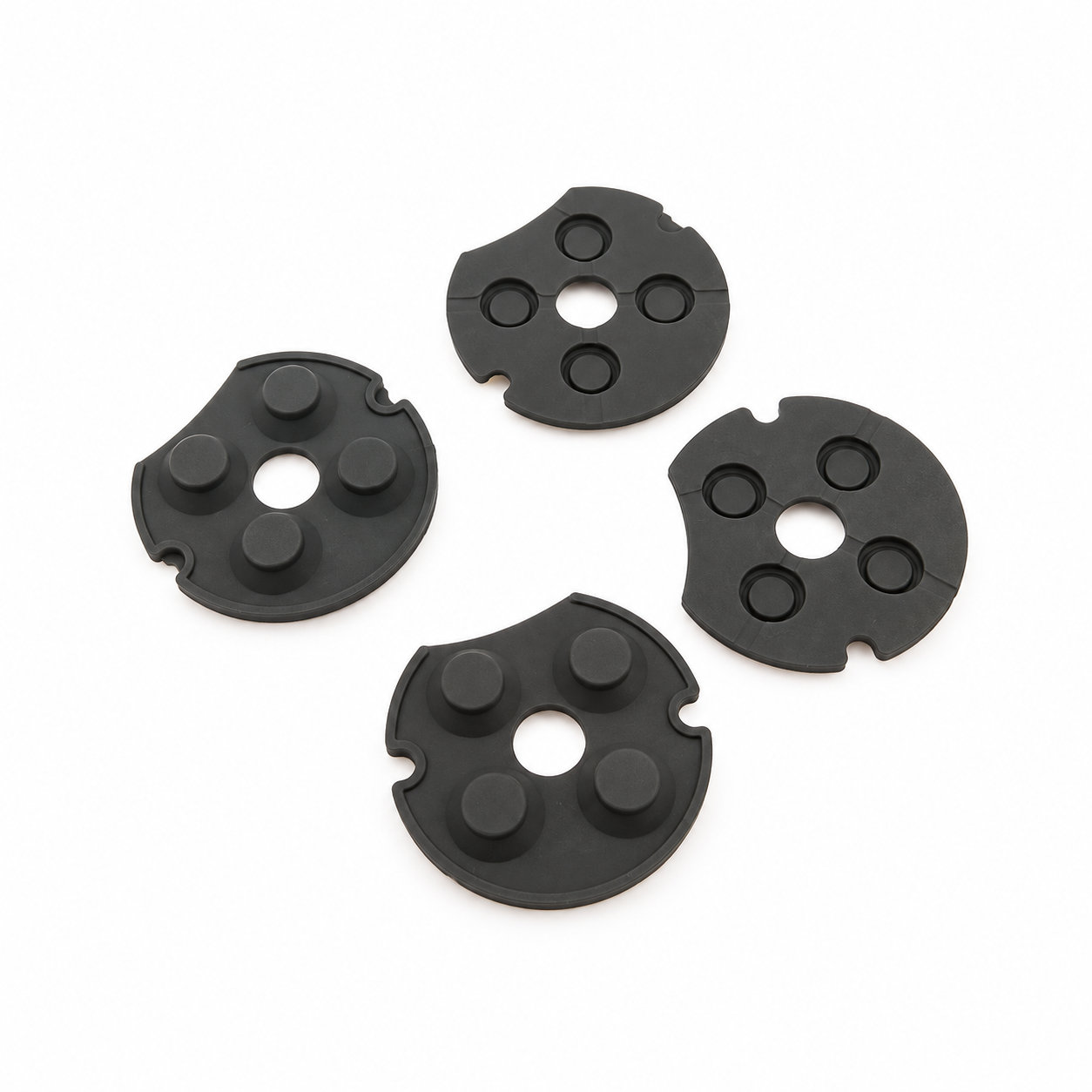
Custom manufacturing example · High quality molded built-in rubber buttons/silicone keypads
CUSTOM RUBBER & SILICONE MANUFACTURING
A custom component for your assembly.
Define the mating surfaces, dimensions and working conditions. ETOL manufactures the part to the agreed design and material.
Share the part, its application and your estimated quantity.
Selected for the contact, temperature and movement
Define the visible surfaces and intended color
Develop holes, lips and walls around the mating parts
Match the attachment and installation method
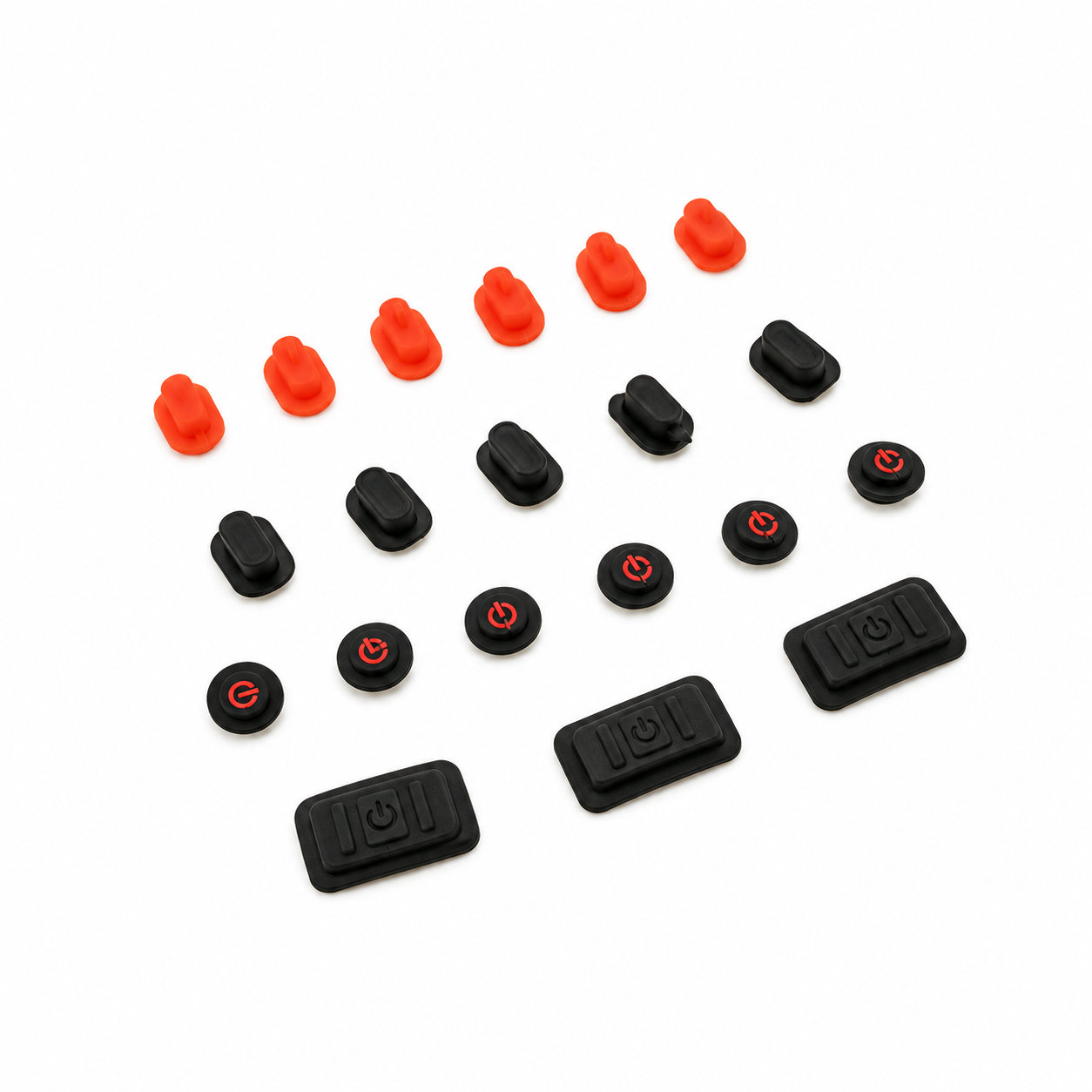
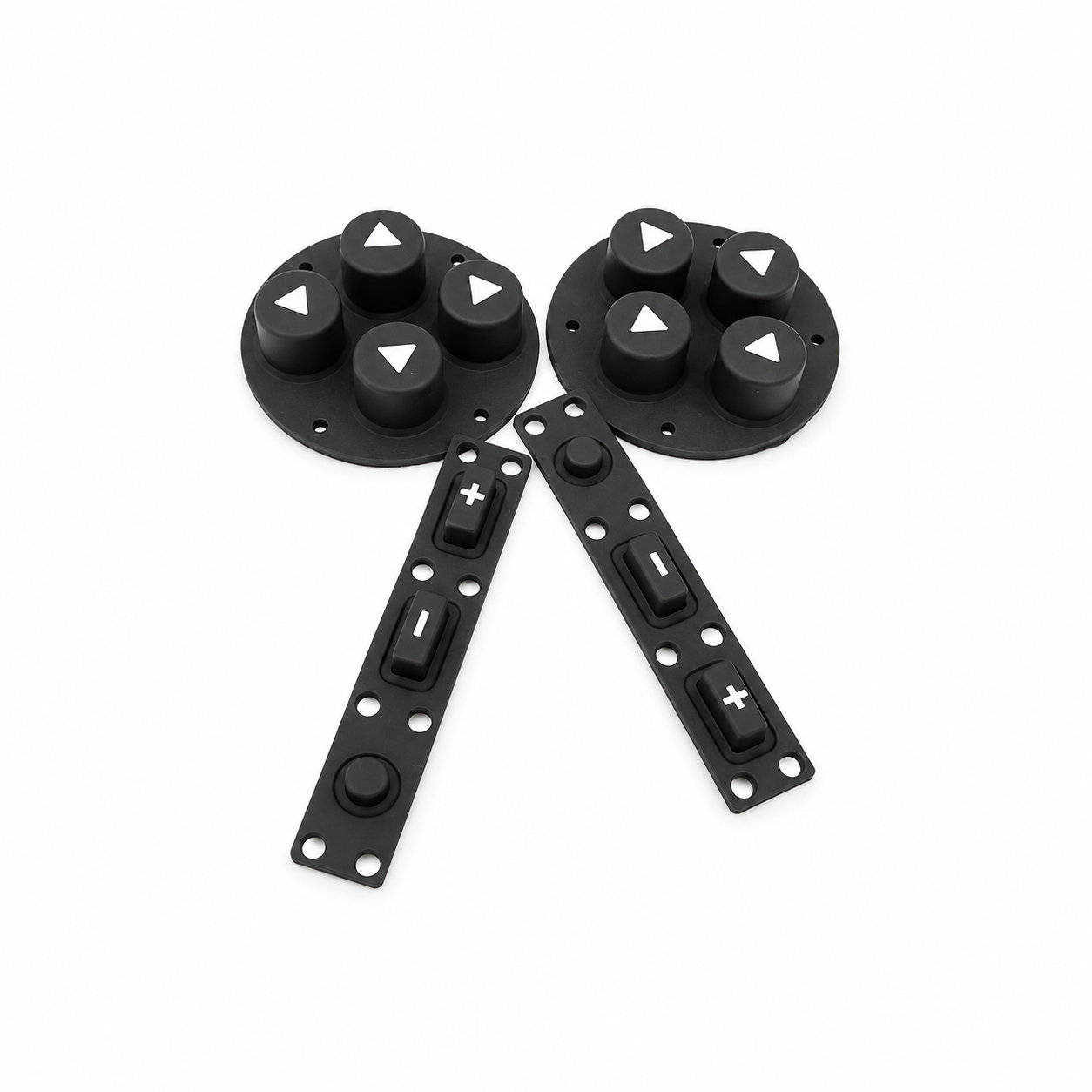
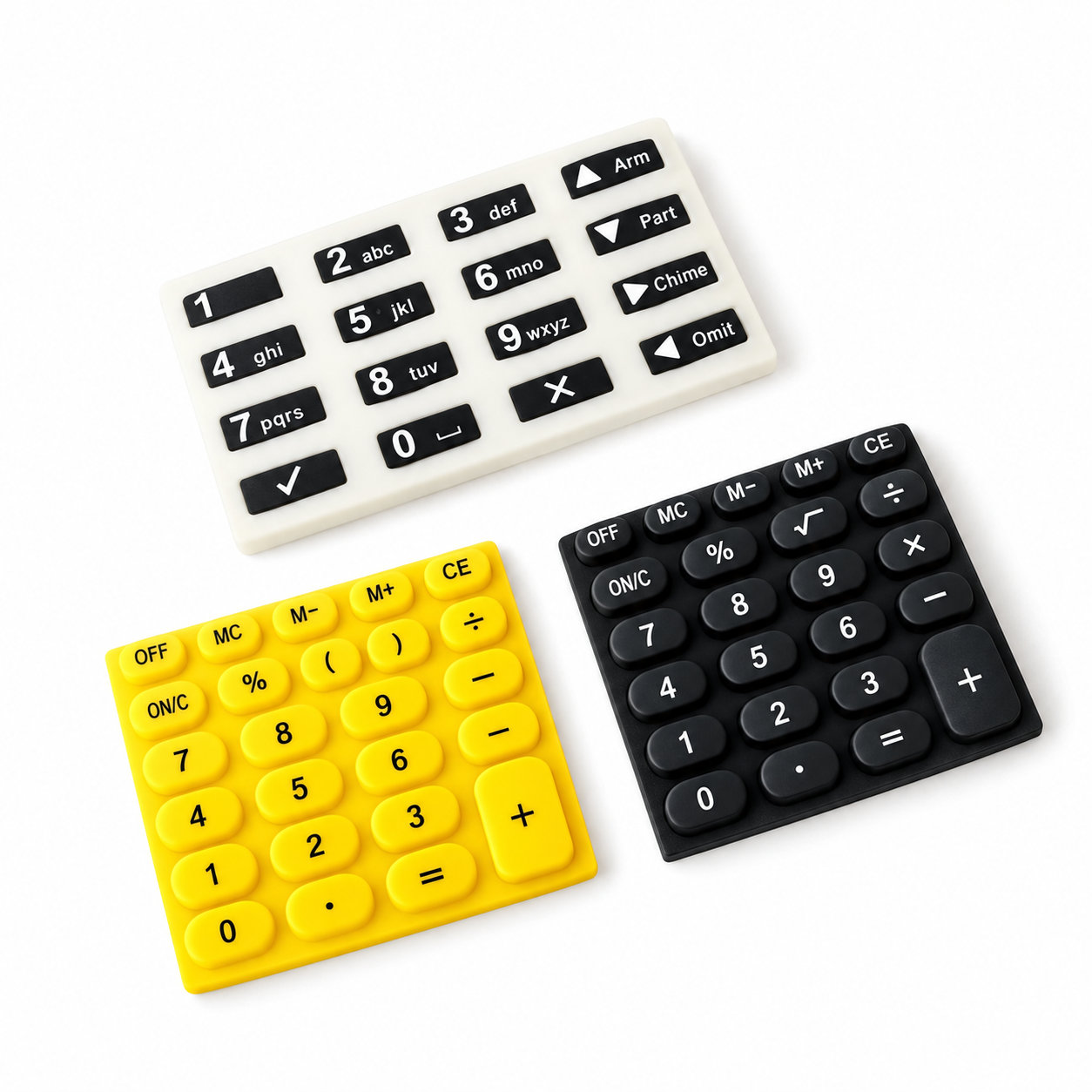
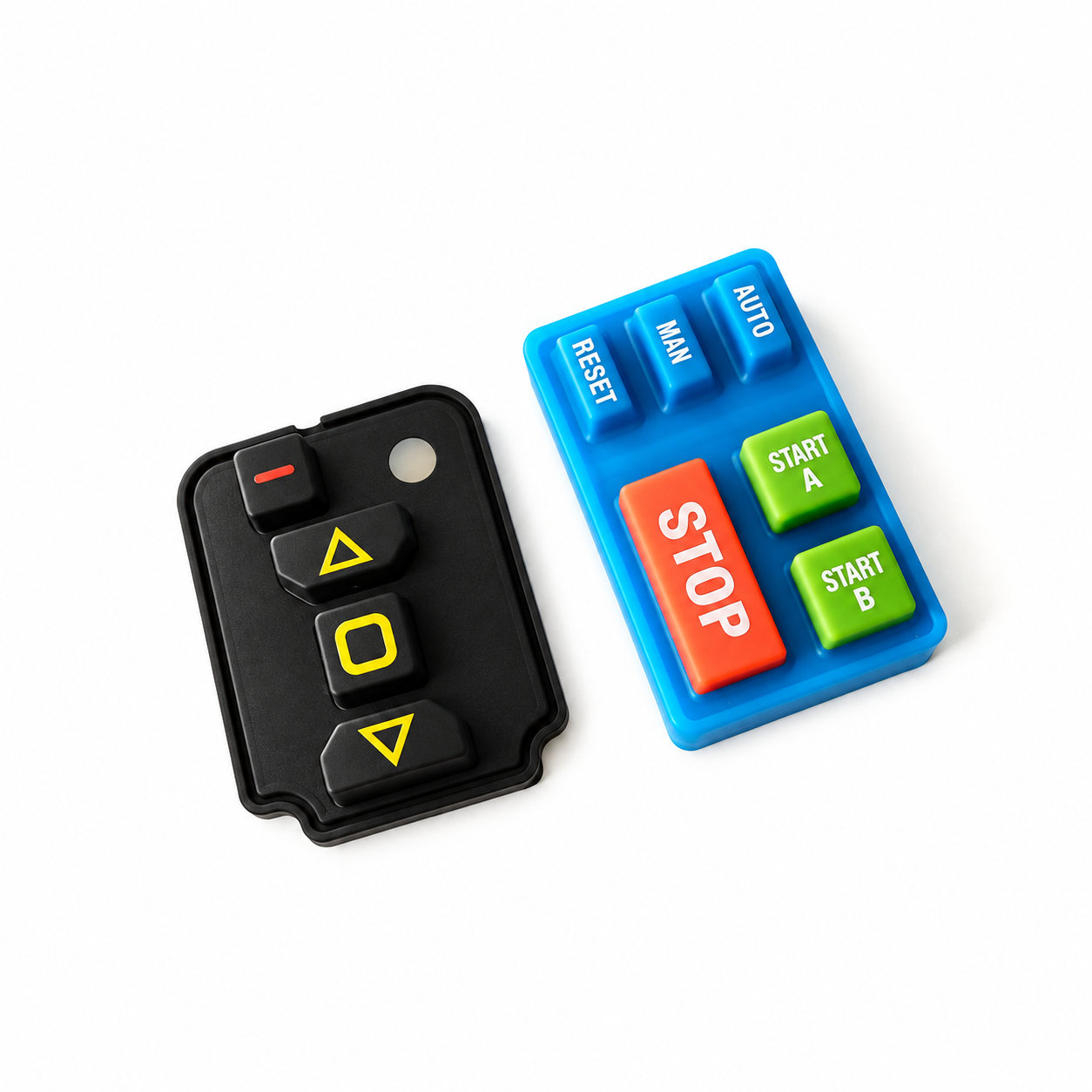
Built-in rubber buttons sit within an enclosure while presenting a flexible operating surface through its openings. Their molded supporting web helps locate the keys, but the surrounding housing must hold that web without restricting the movement needed for each press. The installed relationship between these parts determines the final feel.
Place clamping surfaces away from active flexing areas wherever the design requires those areas to move. A housing rib touching the side of a key can produce drag that is absent when the button is tested loose. The rest height must also agree with the switch position so closing the enclosure does not trigger a command.
During assembly, check that locating pins pass through their intended features without stretching the sheet sideways. Operate every button once the screws and cover are in their final positions. For servicing, lift the rubber evenly instead of pulling on a single key. A torn web can affect alignment across the keypad even if the damaged area is hidden under the front panel.
Photos illustrate structure or material only. The rest height must also agree with the switch position so closing the enclosure does not trigger a command. ETOL directly manufactures custom-shaped silicone and rubber parts to your requirements.
Identify key dimensions, mating surfaces and quantity
Agree the compound and manufacturing approach
Review the fit and agreed requirements in the assembly
Manufacture and check against the approved requirements
Identify temperature, contact fluids and repeated movement.
Consider hardness together with wall thickness and support.
Check access, mating dimensions and the fitting sequence.
Yes. Show the receiving opening, contact surfaces and clearance limits. We can review the dimensions and retaining features around the intended fit.
Agree the critical dimensions, material, hardness, visible surfaces and sample requirements. Explain how the part is installed and which interfaces control its function.
A sample can help explain the structure. Compare it with the assembly because wear, swelling or compression may have changed its original dimensions.
The material, part geometry, tooling, quantity and finishing affect the quotation. Include the intended batch size and delivery destination when describing your requirements.
DISCUSS THIS COMPONENT
Share the fit, operating conditions and quantity with our manufacturing team.
EXPLORE RELATED DESIGNS
Explore similar part structures and applications for your next project.