Working conditions
Identify temperature, contact fluids and repeated movement.


Custom manufacturing example · High quality silicone buttons/rubber mobile phone keypad
CUSTOM RUBBER & SILICONE MANUFACTURING
A custom component for your assembly.
Define the mating surfaces, dimensions and working conditions. ETOL manufactures the part to the agreed design and material.
Share the part, its application and your estimated quantity.

Selected for the contact, temperature and movement
Define the visible surfaces and intended color
Develop holes, lips and walls around the mating parts
Match the attachment and installation method
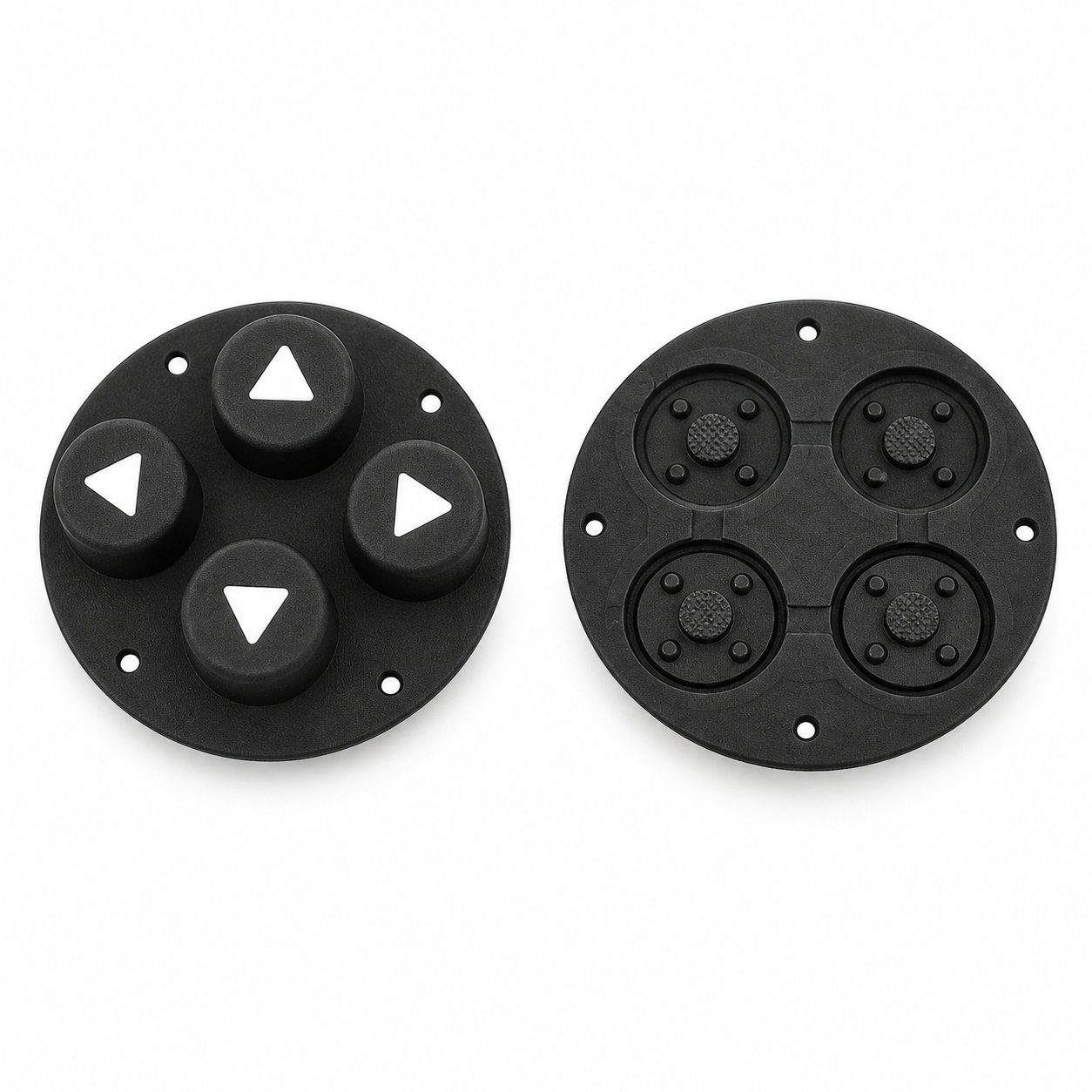
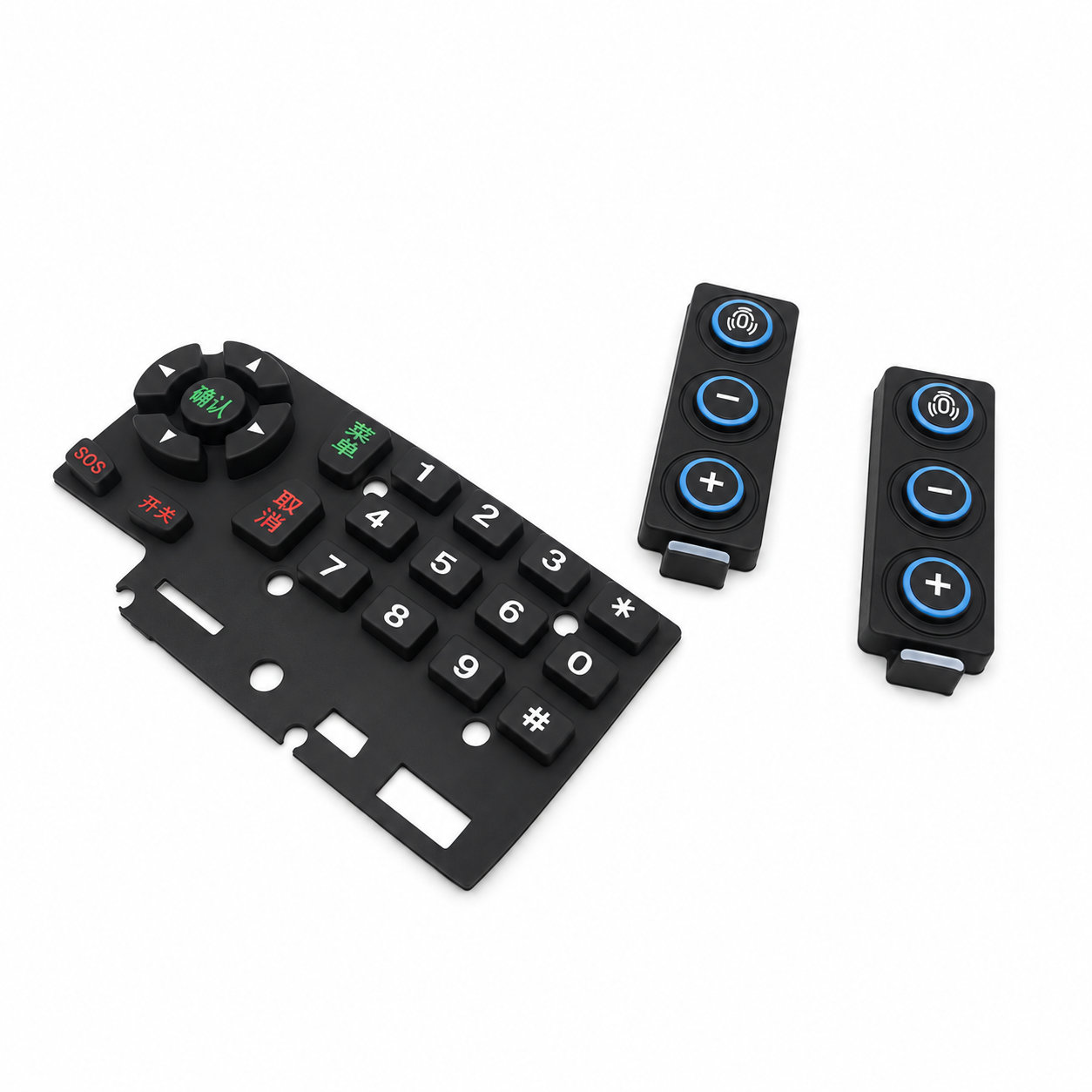
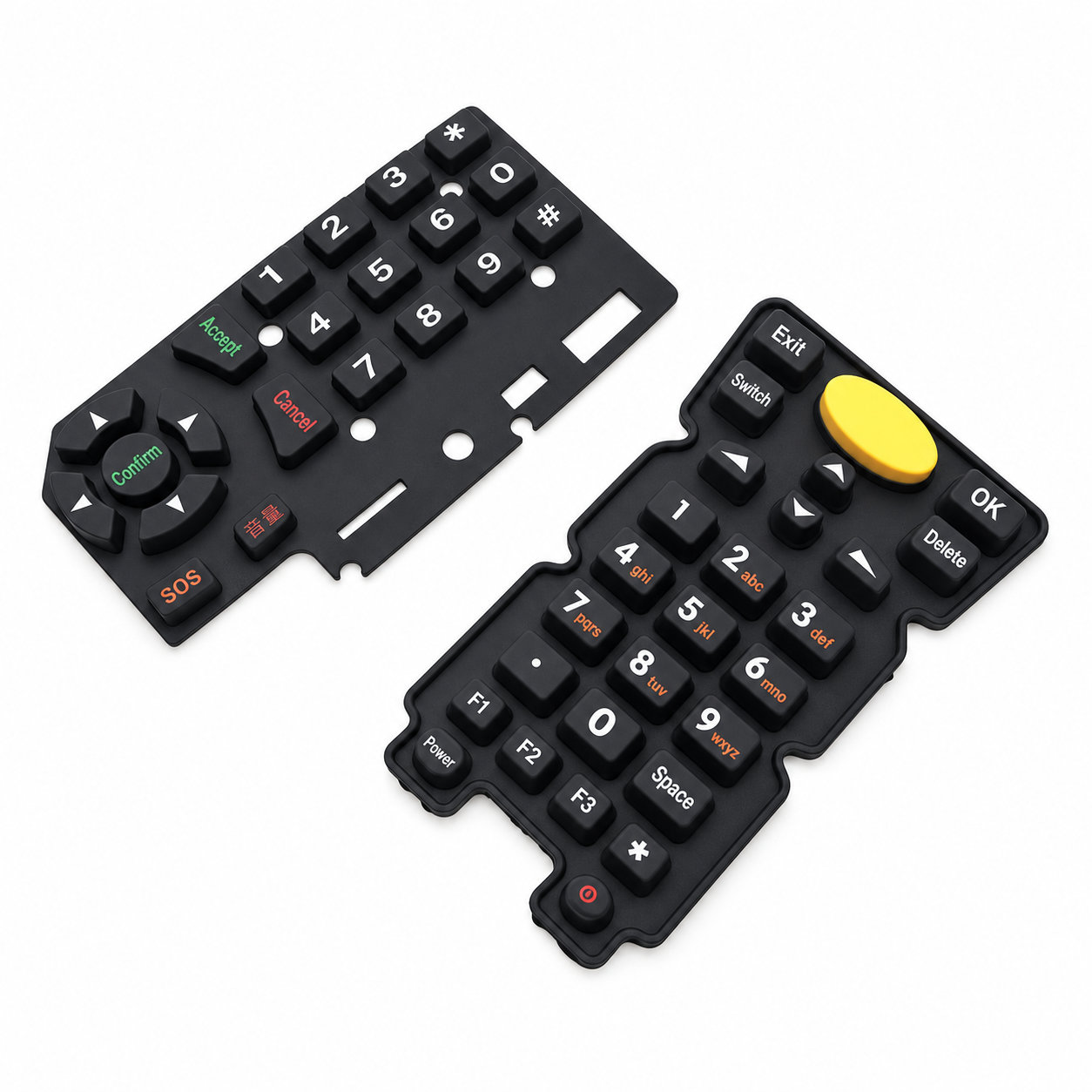
A rubber mobile phone keypad forms a group of physical keys in a flexible molded component. It lets a compact handset present distinct dialing or function controls while keeping their relative positions fixed within one part. Replacement and custom designs need to match the handset's internal layout as closely as the visible key pattern.
The housing openings, circuit-board contacts and keypad locating points must agree. A sheet that fits the front cover can still place an underside contact slightly off its target. Uneven clamping around the perimeter may also alter the feel of keys at the edge compared with those in the center.
Check each key after the phone housing is fully assembled, since loose-part movement does not represent its installed behavior. Look for consistent return, clear separation between commands and readable markings in the normal holding position. Keep oils and cleaning fluid from accumulating beneath the sheet. If one key sticks after reassembly, inspect for a trapped edge or misaligned locating feature before trimming the rubber.
Photos illustrate structure or material only. Look for consistent return, clear separation between commands and readable markings in the normal holding position. ETOL directly manufactures custom-shaped silicone and rubber parts to your requirements.
Identify key dimensions, mating surfaces and quantity
Agree the compound and manufacturing approach
Review the fit and agreed requirements in the assembly
Manufacture and check against the approved requirements
Identify temperature, contact fluids and repeated movement.
Consider hardness together with wall thickness and support.
Check access, mating dimensions and the fitting sequence.
Yes. Show the receiving opening, contact surfaces and clearance limits. We can review the dimensions and retaining features around the intended fit.
Agree the critical dimensions, material, hardness, visible surfaces and sample requirements. Explain how the part is installed and which interfaces control its function.
A sample can help explain the structure. Compare it with the assembly because wear, swelling or compression may have changed its original dimensions.
The material, part geometry, tooling, quantity and finishing affect the quotation. Include the intended batch size and delivery destination when describing your requirements.
DISCUSS THIS COMPONENT
Share the fit, operating conditions and quantity with our manufacturing team.
EXPLORE RELATED DESIGNS
Explore similar part structures and applications for your next project.