Working conditions
Identify temperature, contact fluids and repeated movement.

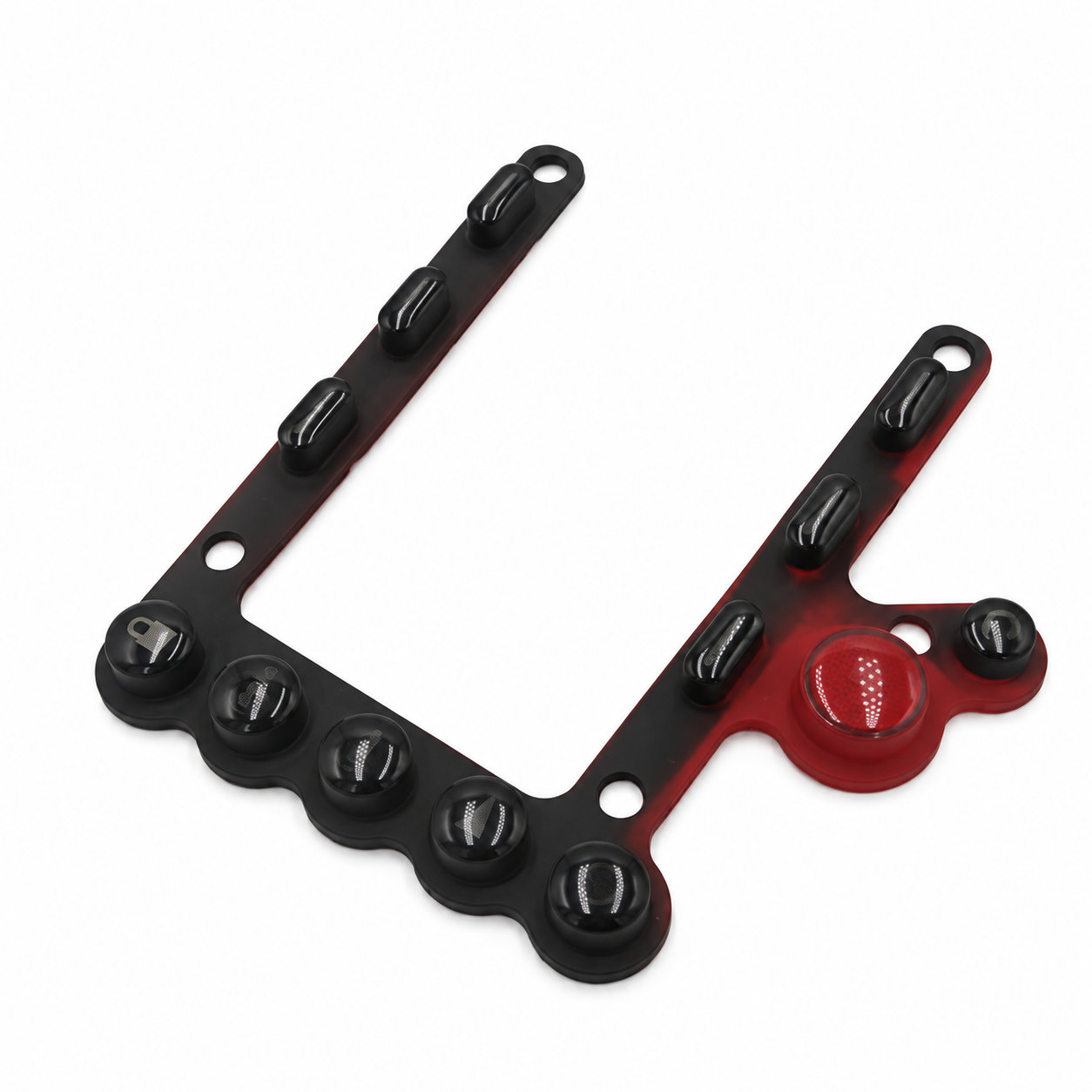
Custom manufacturing example · Laser etch silicone keypad/ Customized rubber keypads
CUSTOM RUBBER & SILICONE MANUFACTURING
A custom component for your assembly.
Define the mating surfaces, dimensions and working conditions. ETOL manufactures the part to the agreed design and material.
Share the part, its application and your estimated quantity.
Selected for the contact, temperature and movement
Define the visible surfaces and intended color
Develop holes, lips and walls around the mating parts
Match the attachment and installation method
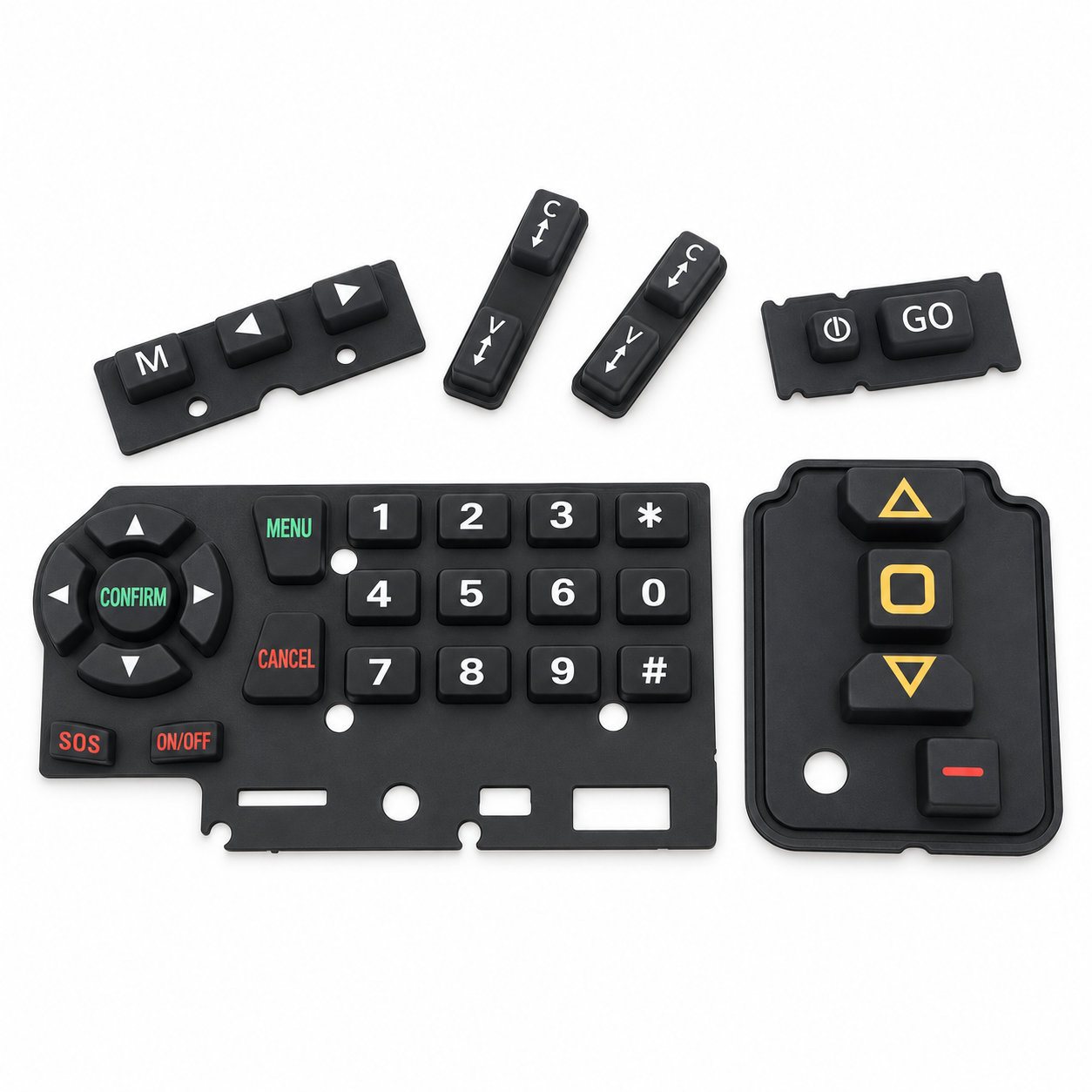
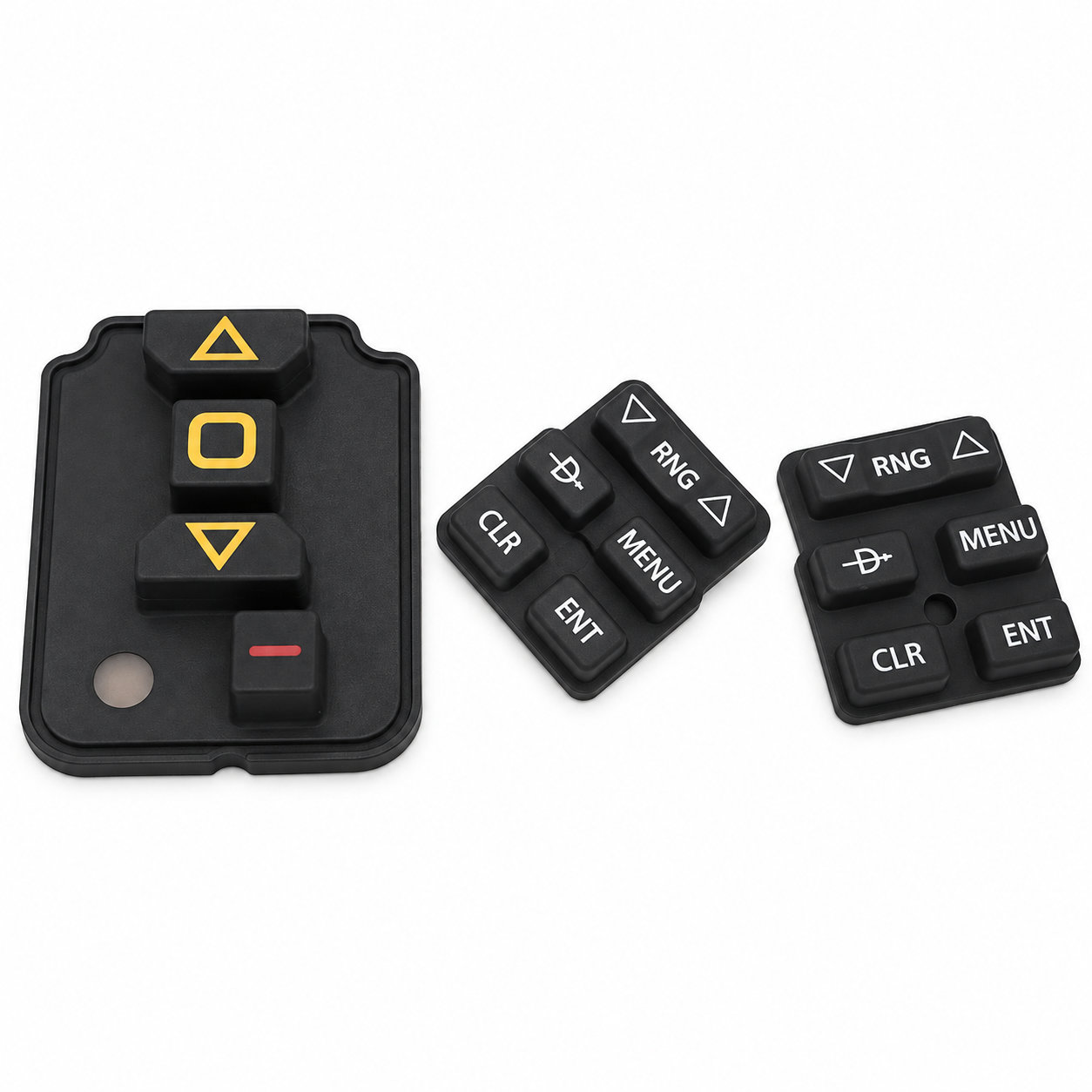
A Laser etch silicone keypad adds tailored legends to a molded rubber control surface. Custom dimensions and Pantone color options allow the keypad to suit a particular enclosure, while the etching layout defines the visible text and symbols. Fine artwork needs to be judged at the size of the finished key, where small spaces and narrow strokes are easier to lose visually.
Begin with the information that the user must recognize during a press. Keep a symbol within the area exposed by the housing, and allow a practical margin around its edges. Long labels may require a different key layout rather than progressively smaller lettering. Where a logo shares the surface with operating information, give the controls enough visual priority to remain clear.
The product lists hardness choices from 20 to 80 Shore A. Key form, wall flexibility and marking position should be reviewed on the same sample, since deformation during a press can affect how a curved surface is viewed. Compare the legends with the keypad installed, using the lighting expected around the equipment.
If illumination is included in the final electronic design, evaluate the etched construction with that lighting arrangement; the marking method alone does not define the illumination result. During routine care, avoid scraping the legend surface with pointed objects. A representative finished key is the useful reference when checking that later parts preserve the intended symbol size, placement and readability.
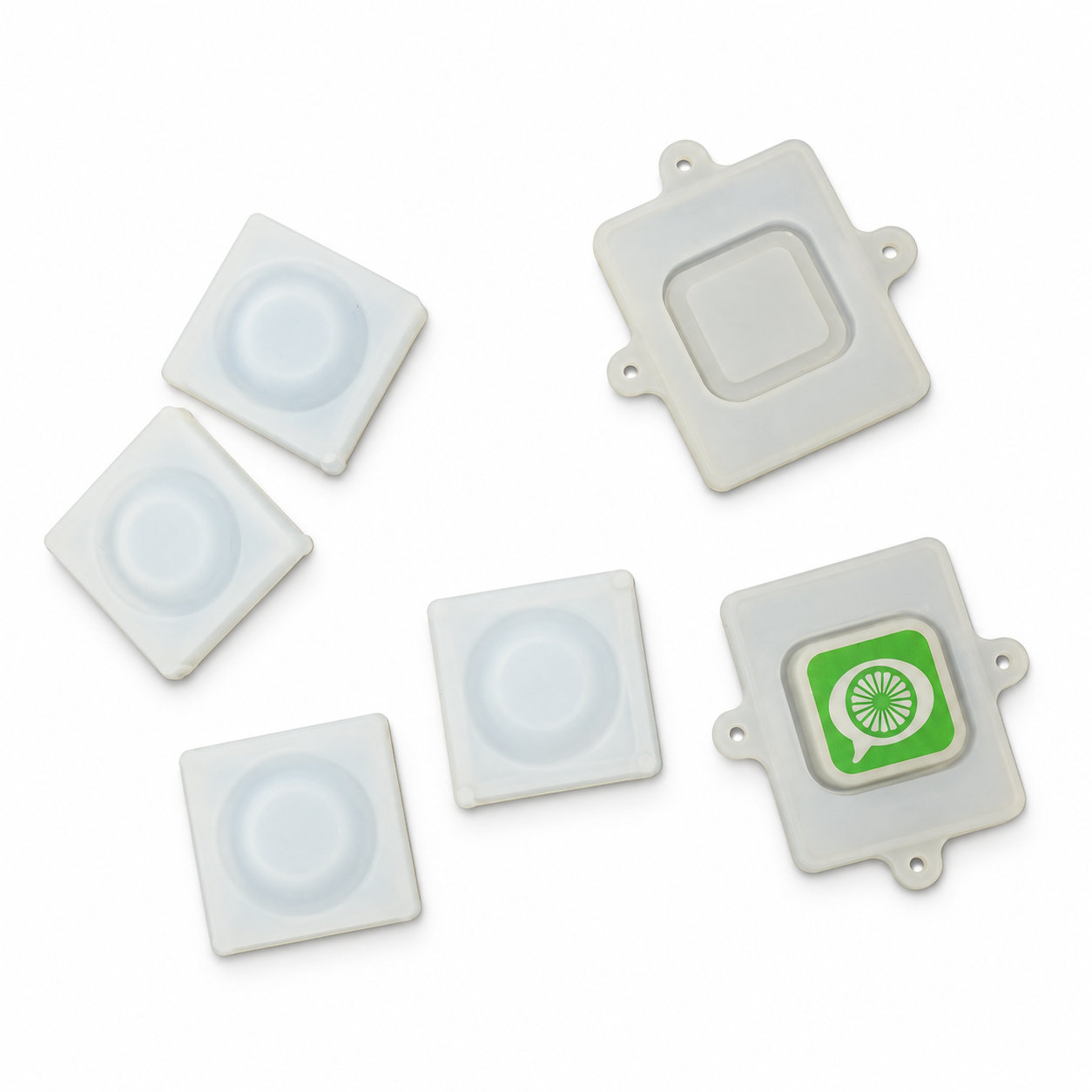
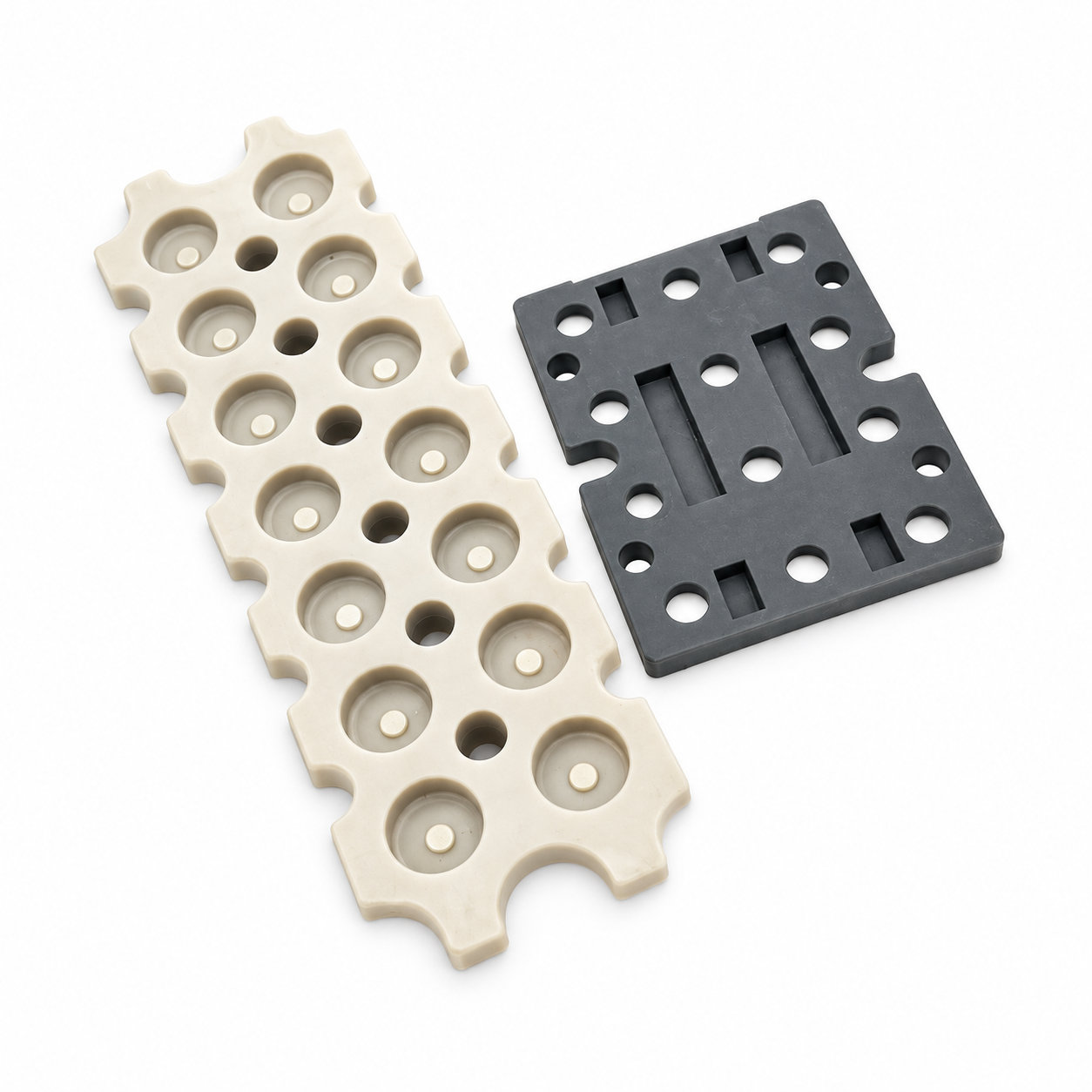
Photos illustrate structure or material only. Fine artwork needs to be judged at the size of the finished key, where small spaces and narrow strokes are easier to lose visually. ETOL directly manufactures custom-shaped silicone and rubber parts to your requirements.
Identify key dimensions, mating surfaces and quantity
Agree the compound and manufacturing approach
Review the fit and agreed requirements in the assembly
Manufacture and check against the approved requirements
Identify temperature, contact fluids and repeated movement.
Consider hardness together with wall thickness and support.
Check access, mating dimensions and the fitting sequence.
Yes. Show the receiving opening, contact surfaces and clearance limits. We can review the dimensions and retaining features around the intended fit.
Agree the critical dimensions, material, hardness, visible surfaces and sample requirements. Explain how the part is installed and which interfaces control its function.
A sample can help explain the structure. Compare it with the assembly because wear, swelling or compression may have changed its original dimensions.
The material, part geometry, tooling, quantity and finishing affect the quotation. Include the intended batch size and delivery destination when describing your requirements.
DISCUSS THIS COMPONENT
Share the fit, operating conditions and quantity with our manufacturing team.
EXPLORE RELATED DESIGNS
Explore similar part structures and applications for your next project.