Working conditions
Identify temperature, contact fluids and repeated movement.

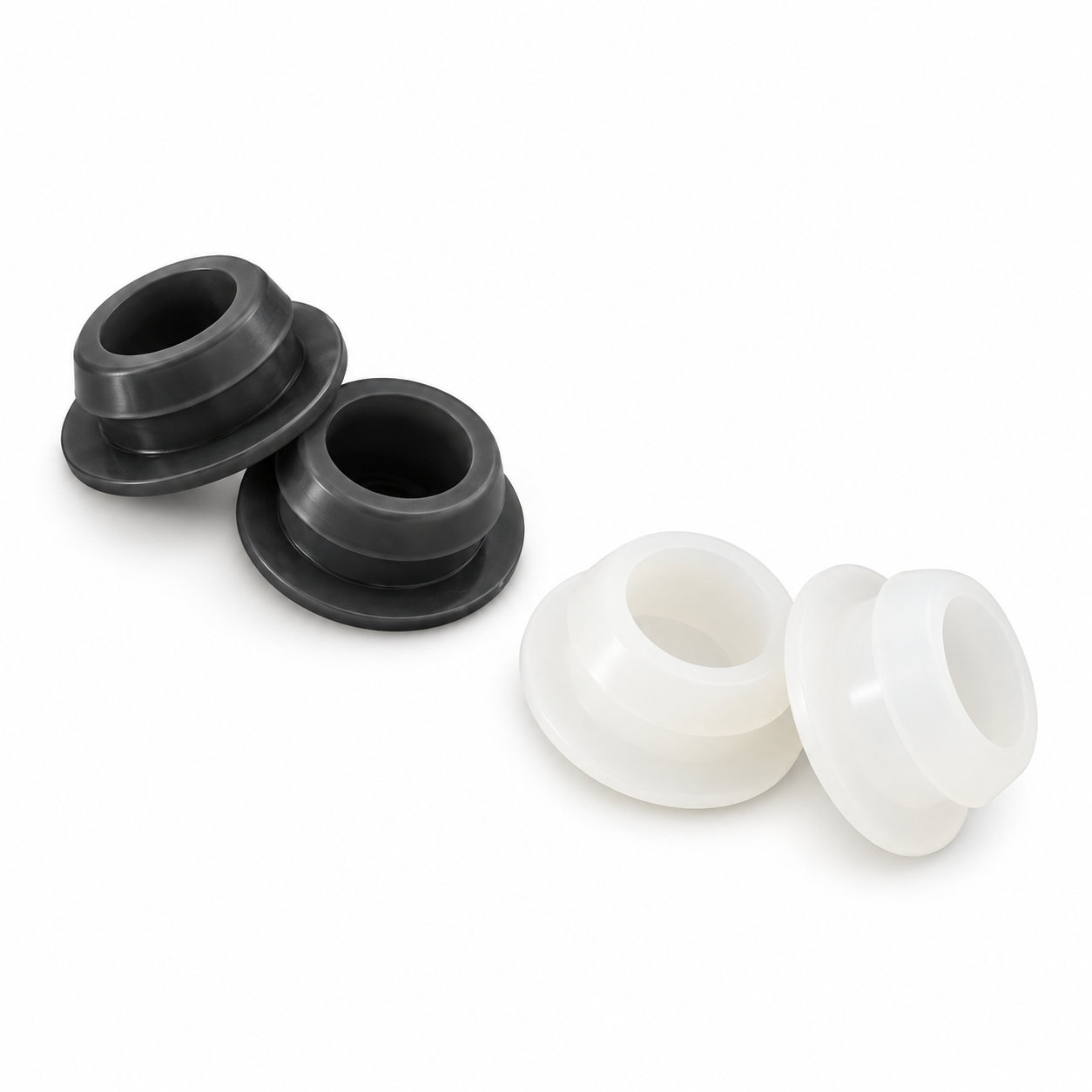
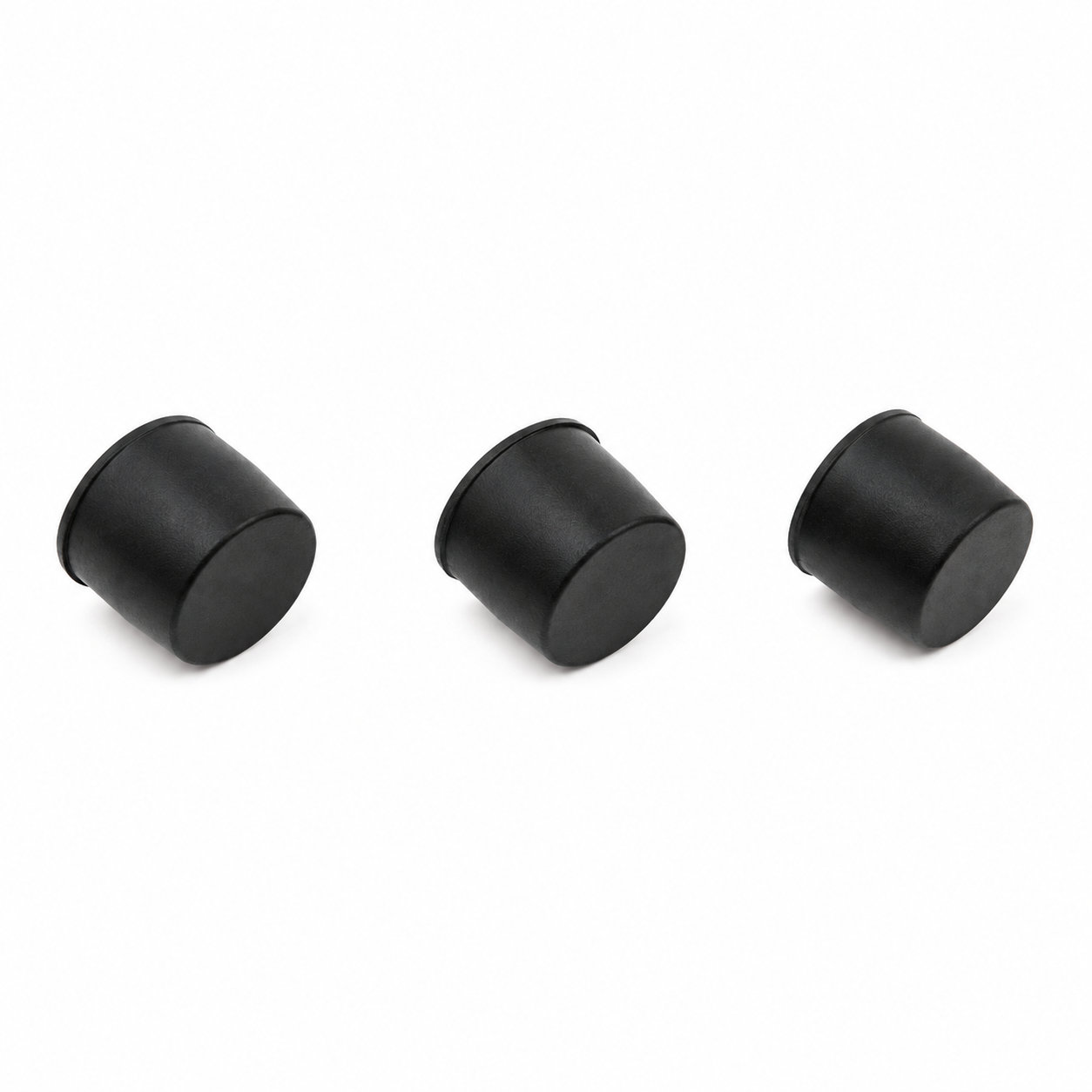
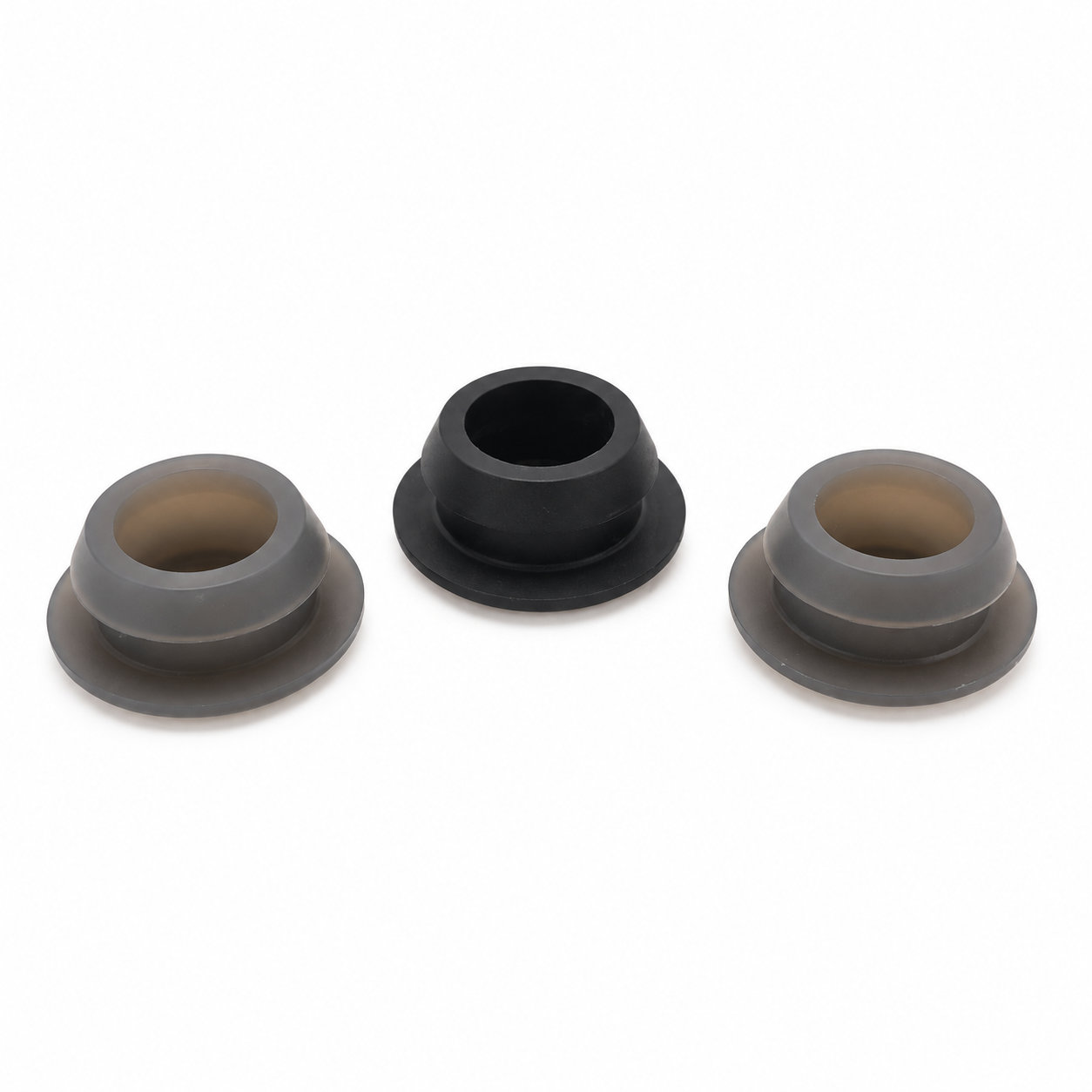
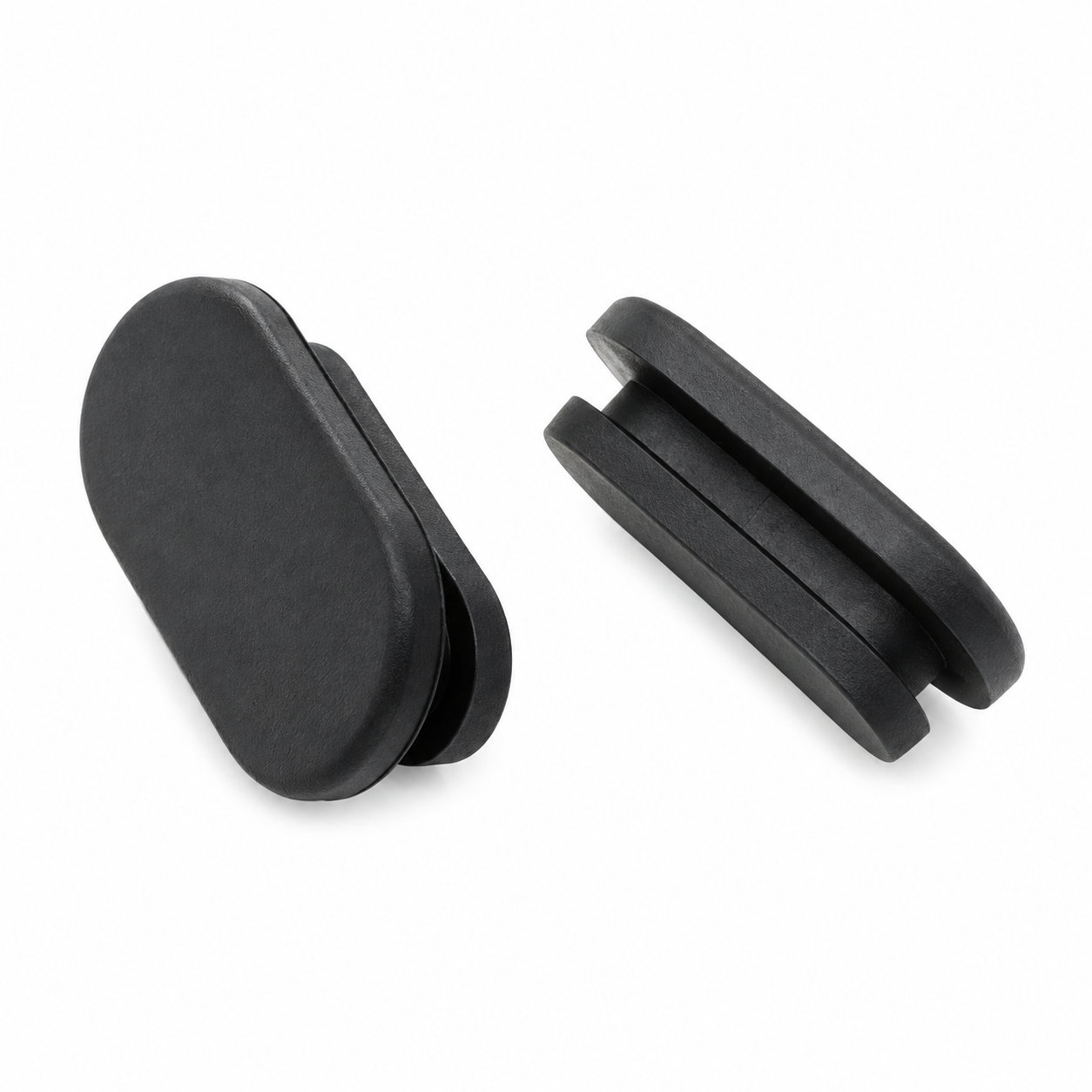
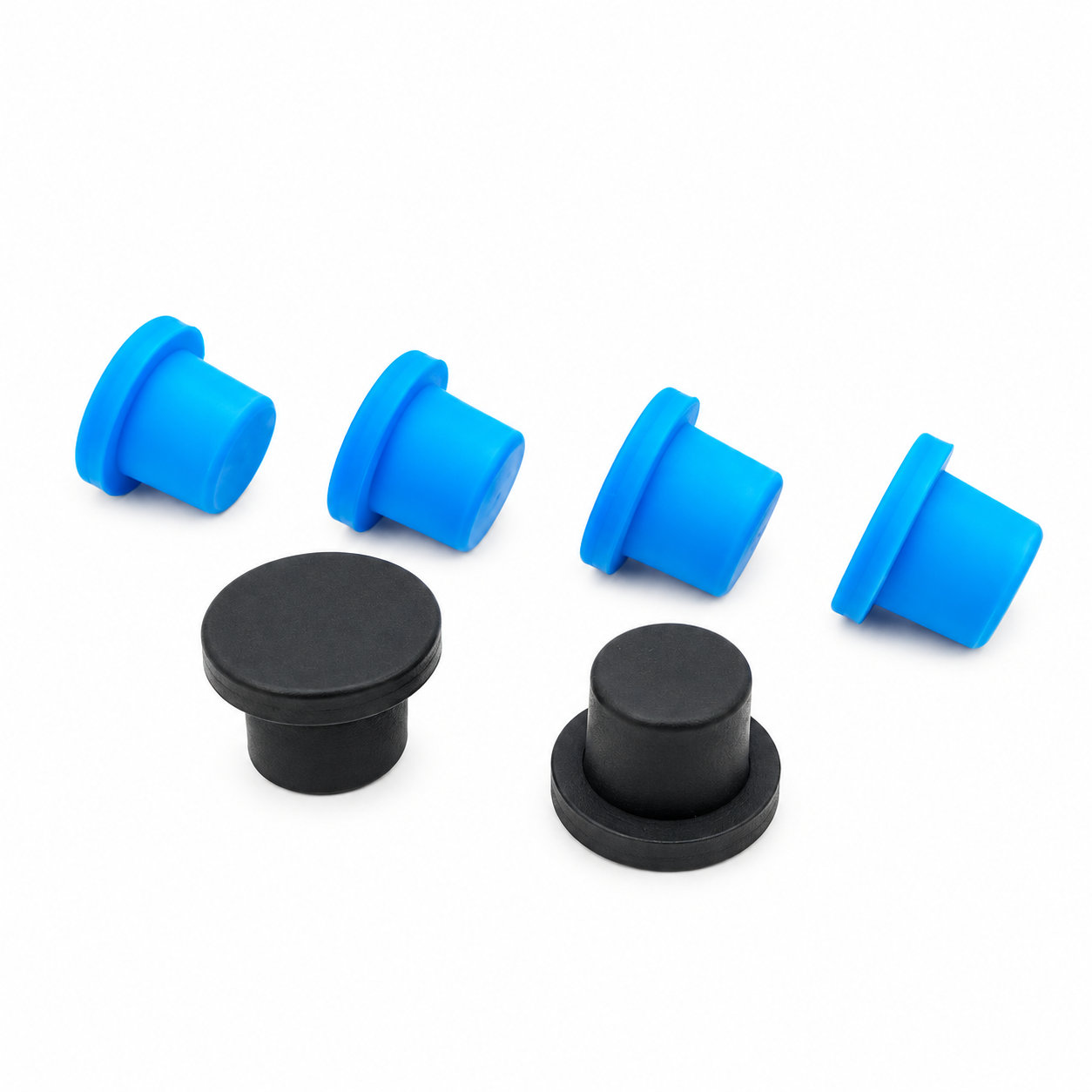
Custom manufacturing example · OEM custom bottle stopper small rubber sealing caps
CUSTOM RUBBER & SILICONE MANUFACTURING
A custom component for your assembly.
Define the mating surfaces, dimensions and working conditions. ETOL manufactures the part to the agreed design and material.
Share the part, its application and your estimated quantity.

Selected for the contact, temperature and movement
Define the visible surfaces and intended color
Develop holes, lips and walls around the mating parts
Match the attachment and installation method
Small rubber sealing caps can be customized for bottle closures where the neck dimensions determine the fit. The relevant measurements include the mouth, the contact region inside or around the neck, and the clearance available above the bottle. Treat the bottle and closure as a pair, particularly when the same outer bottle style is supplied with different neck finishes.
The cap should reach its working position without needing excessive force. Check whether a shoulder, taper or other seating feature controls depth, and make sure removal remains practical. A closure positioned too low can be difficult to grasp; one held too high may have insufficient contact with the neck.
Choose the rubber compound for the contents and the intended washing conditions. Examine a trial assembly in the position in which the bottle will actually be stored or handled. Before reuse, clean the closure and neck contact surfaces and inspect for cuts or lasting deformation. Avoid scraping the sealing area with a hard utensil when removing dried residue, since a small damaged region can interrupt an otherwise consistent fit.
Photos illustrate structure or material appearance only. The relevant measurements include the mouth, the contact region inside or around the neck, and the clearance available above the bottle. ETOL directly manufactures custom-shaped silicone and rubber parts to your requirements.
FIND THE RIGHT FIT
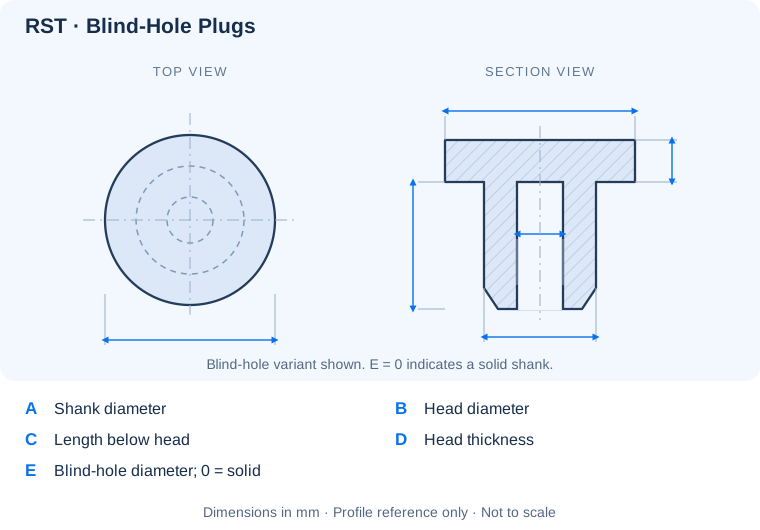
Choose a blind-hole, tapered, undercut or solid T-shaped profile, then compare its dimensions with the opening and available seating depth. Each profile has its own drawing and dimension meanings.
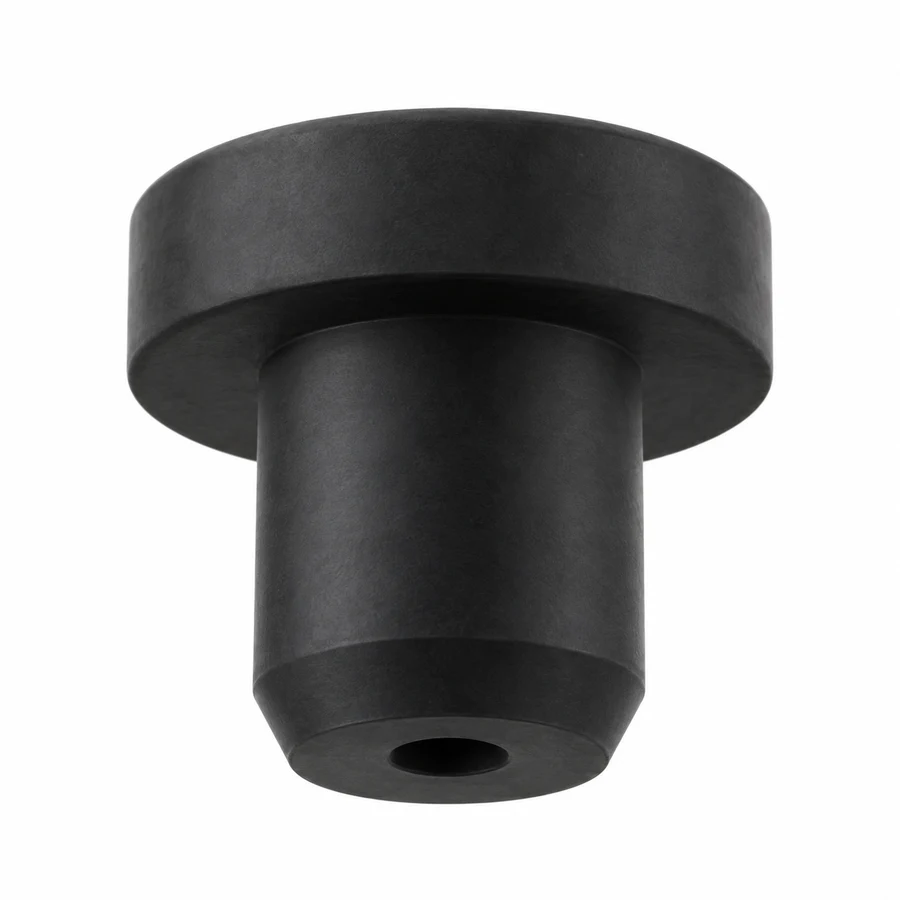
155 T-shaped plug sizes. Match shank diameter A, head diameter B, shank length C and head thickness D. E is the bottom blind-hole diameter; E = 0 indicates a solid shank.
| P/N | A | B | C | D | E | Unit |
|---|---|---|---|---|---|---|
| RST2.5-5.5-5.3 | 2.5 | 5.5 | 5.3 | 2 | 0 | mm |
| RST2.7-5.5-5 | 2.7 | 5.5 | 5 | 2 | 0 | mm |
| RST3-4.3-4.5 | 3 | 4.3 | 4.5 | 0.8 | 0 | mm |
| RST3-7-7 | 3 | 7 | 7 | 2.2 | 0 | mm |
| RST3.3-6.5-6 | 3.3 | 6.5 | 6 | 1.5 | 0 | mm |
| RST3.5-6.5-6 | 3.5 | 6.5 | 6 | 2 | 0 | mm |
| RST3.8-7-10.5 | 3.8 | 7 | 10.5 | 1.5 | 0 | mm |
| RST3.8-7-7 | 3.8 | 7 | 7 | 1.5 | 0 | mm |
| RST3.8-7-6 | 3.8 | 7 | 6 | 1.5 | 0 | mm |
| RST4-7.5-6 | 4 | 7.5 | 6 | 2 | 0 | mm |
| RST4-9.5-7 | 4 | 9.5 | 7 | 2.5 | 0 | mm |
| RST4.3-8-6 | 4.3 | 8 | 6 | 1.5 | 0 | mm |
| RST4.5-7.5-6 | 4.5 | 7.5 | 6 | 2 | 0 | mm |
| RST4.8-6.8-3.6 | 4.8 | 6.8 | 3.6 | 0.9 | 0 | mm |
| RST4.8-9-7 | 4.8 | 9 | 7 | 1.5 | 0 | mm |
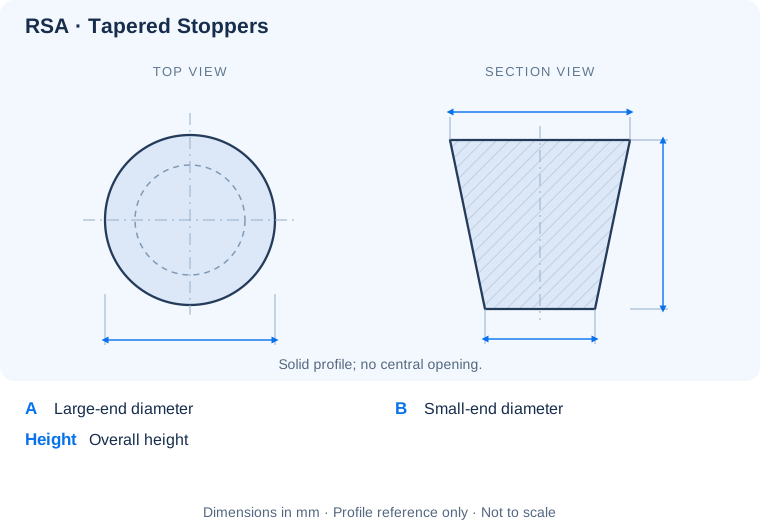
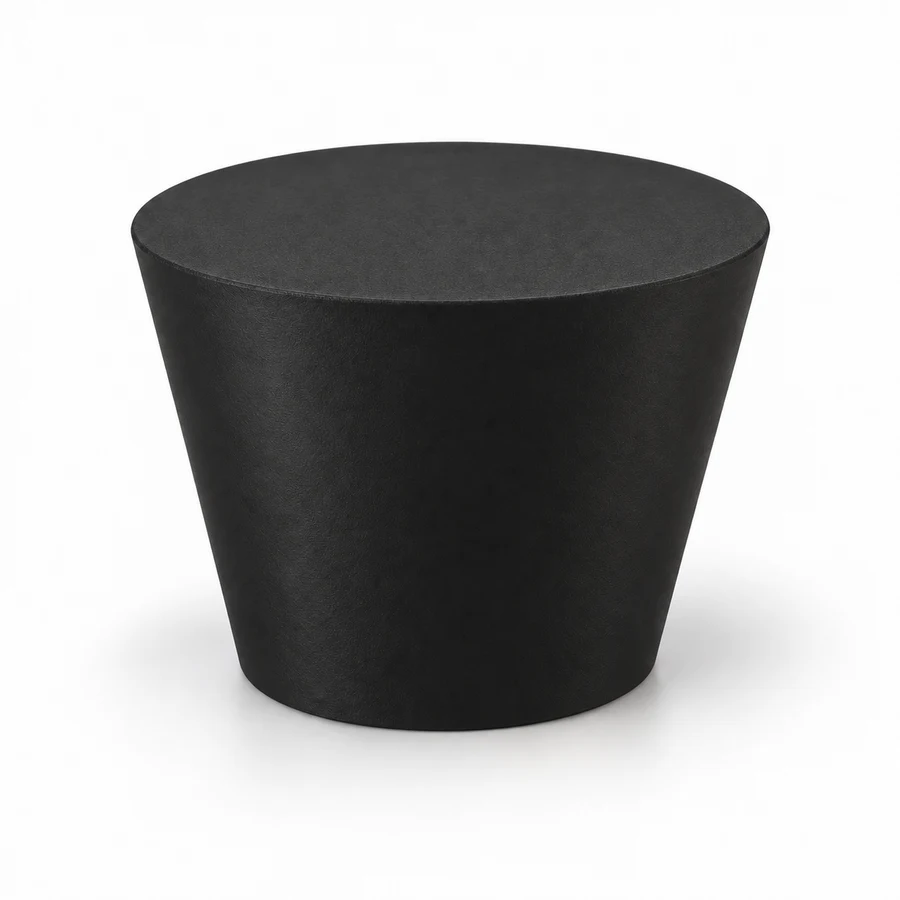
70 tapered stopper sizes. Compare the large-end diameter A, small-end diameter B and overall height with the opening and intended insertion depth.
| P/N | A | B | Height | Color | Material | Unit |
|---|---|---|---|---|---|---|
| RSA1.6-0.4-15.9 | 1.6 | 0.4 | 15.9 | Transparent | Silicone | mm |
| RSA2-0.5-19.1 | 2 | 0.5 | 19.1 | Transparent | Silicone | mm |
| RSA3.2-0.8-15.9 | 3.2 | 0.8 | 15.9 | Transparent | Silicone | mm |
| RSA3.2-1.6-15.9 | 3.2 | 1.6 | 15.9 | Transparent | Silicone | mm |
| RSA4.8-1.6-15.9 | 4.8 | 1.6 | 15.9 | Transparent | Silicone | mm |
| RSA4.8-1.6-19.1 | 4.8 | 1.6 | 19.1 | Transparent | Silicone | mm |
| RSA5.5-1.2-38.1 | 5.5 | 1.2 | 38.1 | Transparent | Silicone | mm |
| RSA6.4-3.2-19.1 | 6.4 | 3.2 | 19.1 | Transparent | Silicone | mm |
| RSA6.4-3.2-25.4 | 6.4 | 3.2 | 25.4 | Transparent | Silicone | mm |
| RSA8.7-4.8-15.9 | 8.7 | 4.8 | 15.9 | Transparent | Silicone | mm |
| RSA8.7-4.8-25.4 | 8.7 | 4.8 | 25.4 | Transparent | Silicone | mm |
| RSA9.2-6.2-12.8 | 9.2 | 6.2 | 12.8 | Transparent | Silicone | mm |
| RSA9.5-6.5-18.5 | 9.5 | 6.5 | 18.5 | Transparent | Silicone | mm |
| RSA11-8.5-17.5 | 11 | 8.5 | 17.5 | Transparent | Silicone | mm |
| RSA11.5-6.5-25 | 11.5 | 6.5 | 25 | Transparent | Silicone | mm |
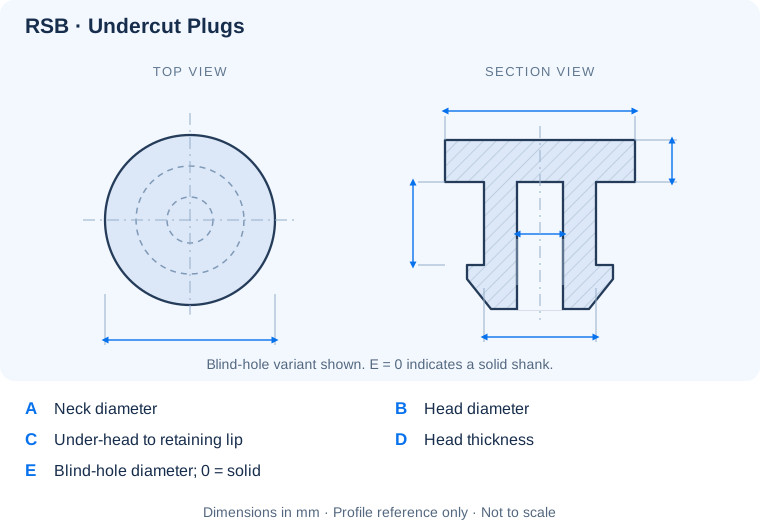
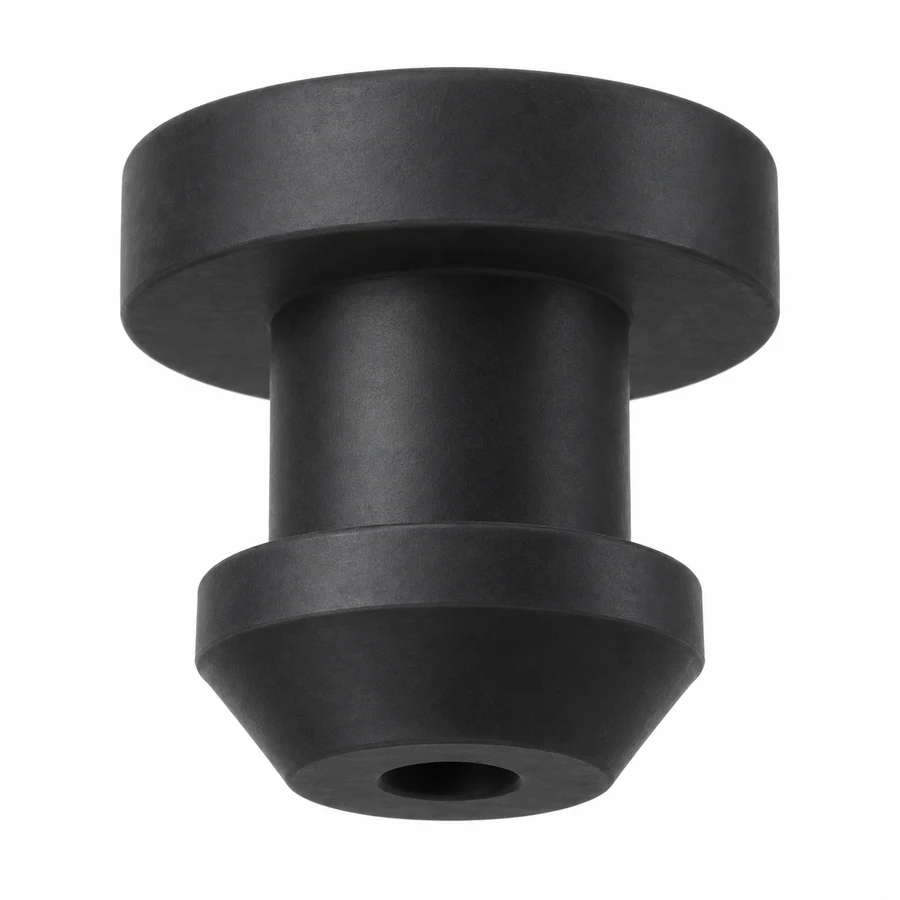
50 undercut plug sizes with a retaining lip. A is the neck diameter and C is the distance from the underside of the head to the upper face of the lip. E = 0 indicates a solid shank.
| P/N | A | B | C | D | E | Unit |
|---|---|---|---|---|---|---|
| RSB2.5-6-3 | 2.5 | 6 | 3 | 1.5 | 0 | mm |
| RSB3-7-3 | 3 | 7 | 3 | 2 | 0 | mm |
| RSB3.5-7.5-3 | 3.5 | 7.5 | 3 | 2 | 0 | mm |
| RSB3.6-7.5-6 | 3.6 | 7.5 | 6 | 2 | 0 | mm |
| RSB4-8-3 | 4 | 8 | 3 | 2 | 0 | mm |
| RSB4.5-8.5-3 | 4.5 | 8.5 | 3 | 2 | 2 | mm |
| RSB5-9-3 | 5 | 9 | 3 | 2 | 2.5 | mm |
| RSB5.5-9.5-3 | 5.5 | 9.5 | 3 | 2 | 3 | mm |
| RSB6-10-4 | 6 | 10 | 4 | 2 | 3.5 | mm |
| RSB6.5-10.5-4 | 6.5 | 10.5 | 4 | 2 | 4 | mm |
| RSB6.5-12-8 | 6.5 | 12 | 8 | 2 | 0 | mm |
| RSB6.7-8.7-5.3 | 6.7 | 8.7 | 5.3 | 1.3 | 4.1 | mm |
| RSB7-11-4 | 7 | 11 | 4 | 2 | 4.5 | mm |
| RSB7.5-11.5-4 | 7.5 | 11.5 | 4 | 2 | 5 | mm |
| RSB8-12-4 | 8 | 12 | 4 | 2 | 5.5 | mm |
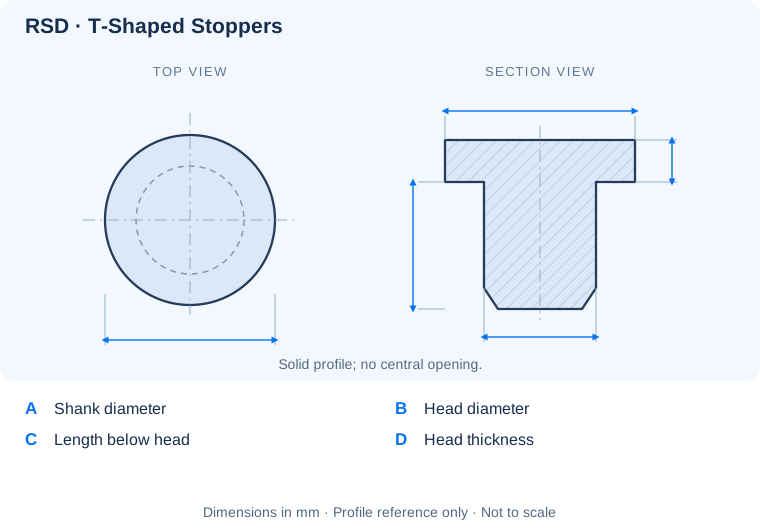
30 solid T-shaped stopper sizes. Compare shank diameter A and length C with the opening; head diameter B and thickness D define the top flange.
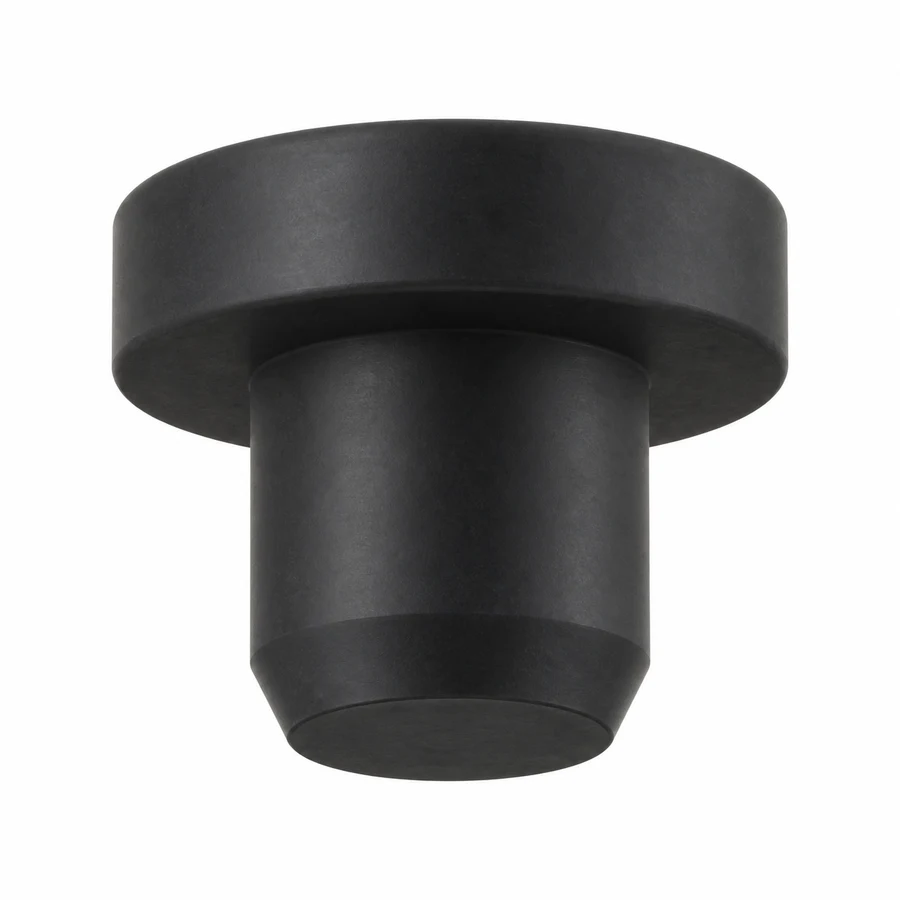
| P/N | A | B | C | D | Color | Material | Unit |
|---|---|---|---|---|---|---|---|
| RSD2.7-5.5-5 | 2.7 | 5.5 | 5 | 2 | Black, White | Silicone | mm |
| RSD3-7-7 | 3 | 7 | 7 | 2.2 | Black, White | Silicone | mm |
| RSD3.3-6.5-6 | 3.3 | 6.5 | 6 | 1.5 | Black, White | Silicone | mm |
| RSD3.5-6.5-6 | 3.5 | 6.5 | 6 | 2 | Black, White | Silicone | mm |
| RSD3.8-7-6 | 3.8 | 7 | 6 | 1.5 | Black, White | Silicone | mm |
| RSD4-9.5-7 | 4 | 9.5 | 7 | 2.5 | Black, White | Silicone | mm |
| RSD4.3-8-6 | 4.3 | 8 | 6 | 1.5 | Black, White | Silicone | mm |
| RSD4.5-7.5-6 | 4.5 | 7.5 | 6 | 2 | Black, White | Silicone | mm |
| RSD4.8-9-7 | 4.8 | 9 | 7 | 1.5 | Black, White | Silicone | mm |
| RSD5-12-8 | 5 | 12 | 8 | 2.8 | Black, White | Silicone | mm |
| RSD5.3-9.5-7 | 5.3 | 9.5 | 7 | 1.5 | Black, White | Silicone | mm |
| RSD5.5-8.5-7 | 5.5 | 8.5 | 7 | 2 | Black, White | Silicone | mm |
| RSD5.8-10-8 | 5.8 | 10 | 8 | 2 | Black, White | Silicone | mm |
| RSD6-13-8 | 6 | 13 | 8 | 3.5 | Black, White | Silicone | mm |
| RSD6.3-10.5-8 | 6.3 | 10.5 | 8 | 2 | Black, White | Silicone | mm |
Need a different fit? Share the opening dimensions, mating profile and intended use for a custom size.
Identify key dimensions, mating surfaces and quantity
Agree the compound and manufacturing approach
Review the fit and agreed requirements in the assembly
Manufacture and check against the approved requirements
Identify temperature, contact fluids and repeated movement.
Consider hardness together with wall thickness and support.
Check access, mating dimensions and the fitting sequence.
Yes. Show the receiving opening, contact surfaces and clearance limits. We can review the dimensions and retaining features around the intended fit.
Agree the critical dimensions, material, hardness, visible surfaces and sample requirements. Explain how the part is installed and which interfaces control its function.
A sample can help explain the structure. Compare it with the assembly because wear, swelling or compression may have changed its original dimensions.
The material, part geometry, tooling, quantity and finishing affect the quotation. Include the intended batch size and delivery destination when describing your requirements.
DISCUSS THIS COMPONENT
Share the fit, operating conditions and quantity with our manufacturing team.
EXPLORE RELATED DESIGNS
Explore similar part structures and applications for your next project.