Working conditions
Identify temperature, contact fluids and repeated movement.

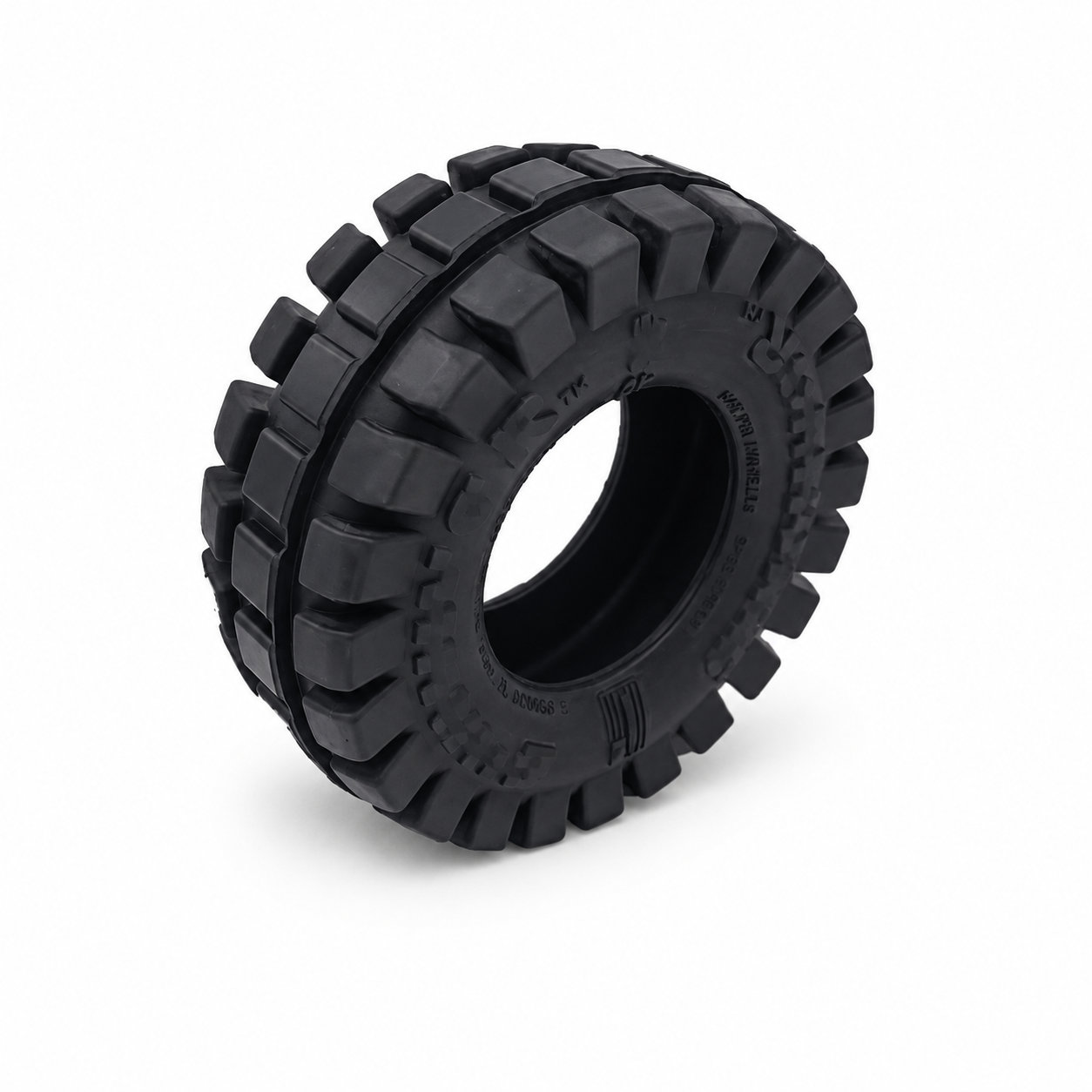
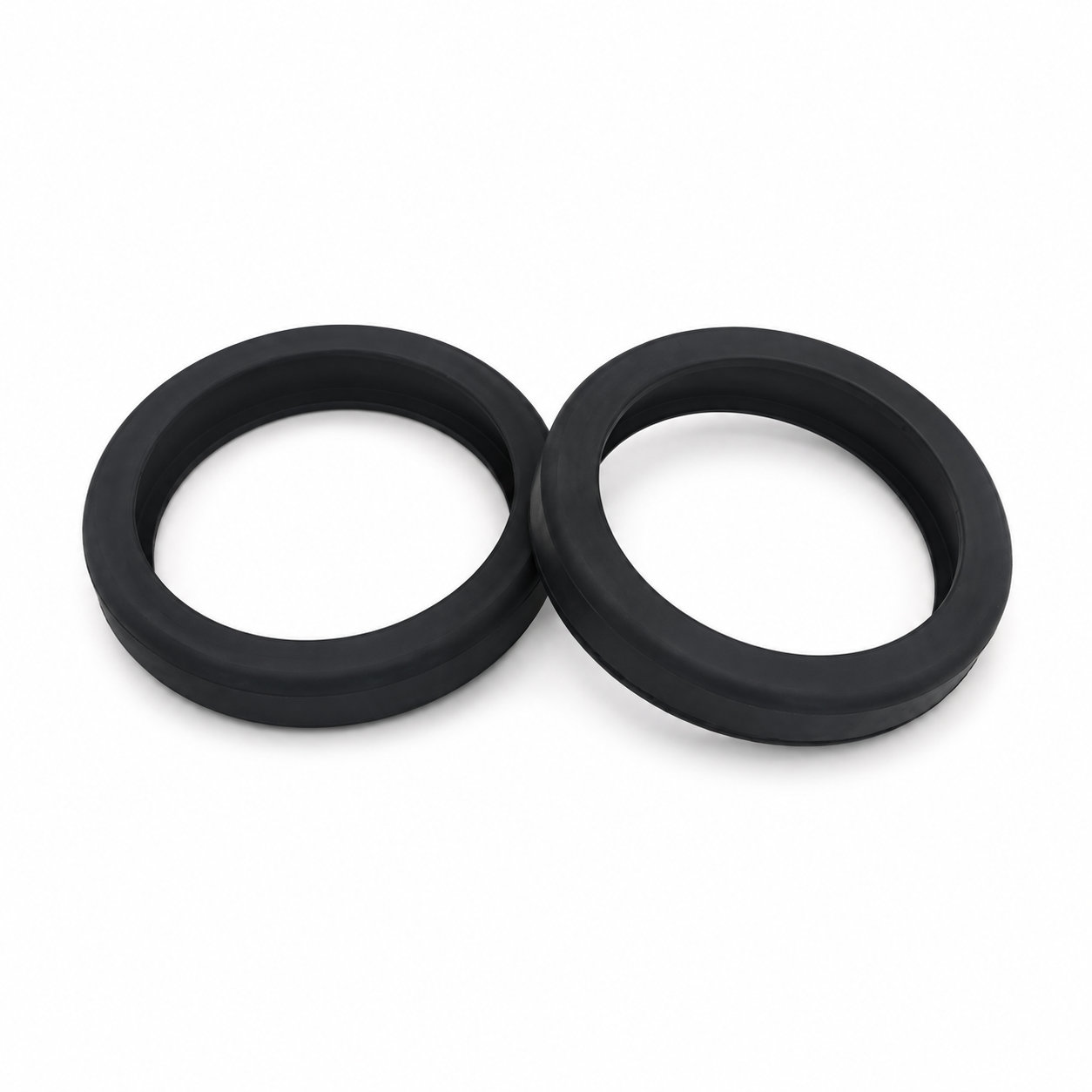
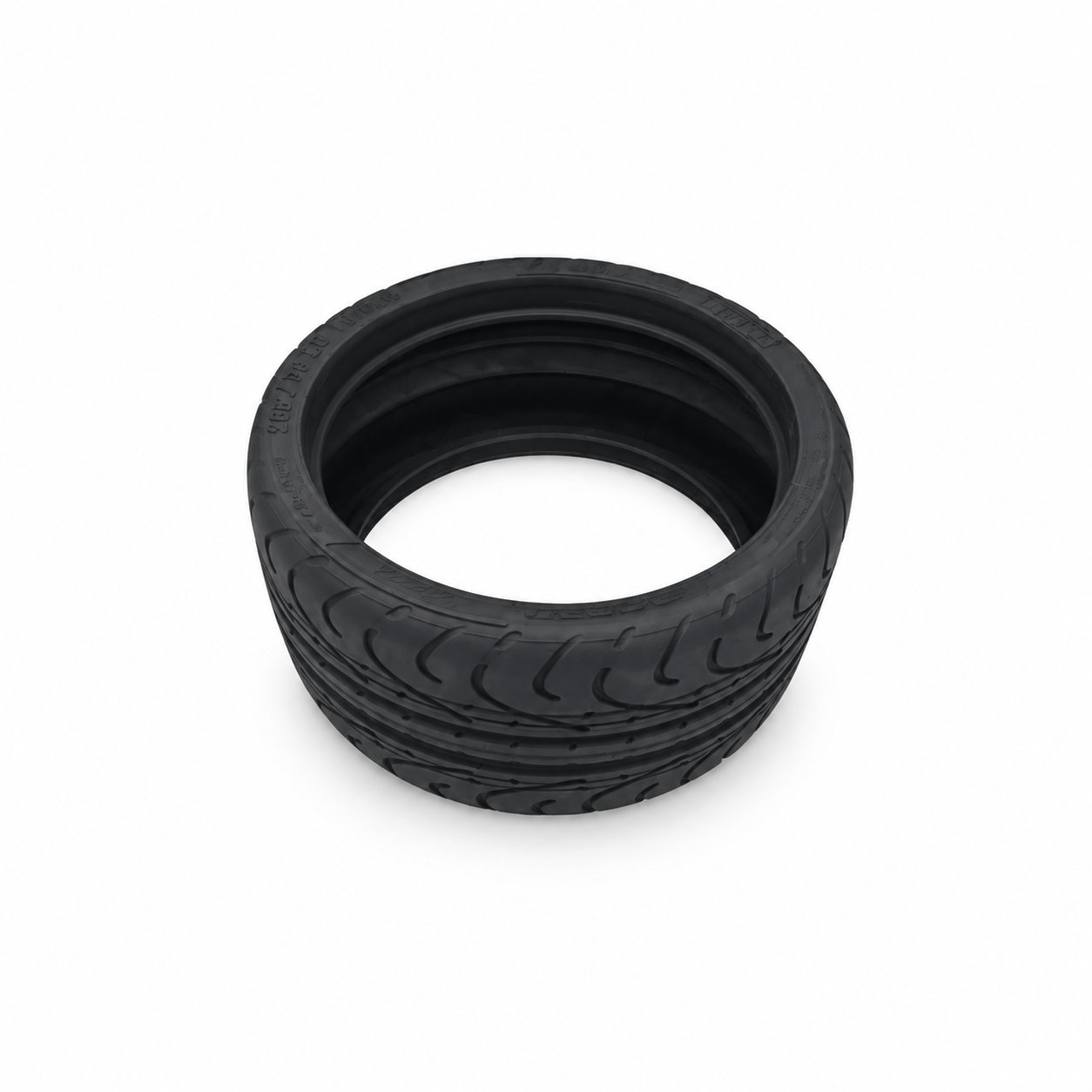
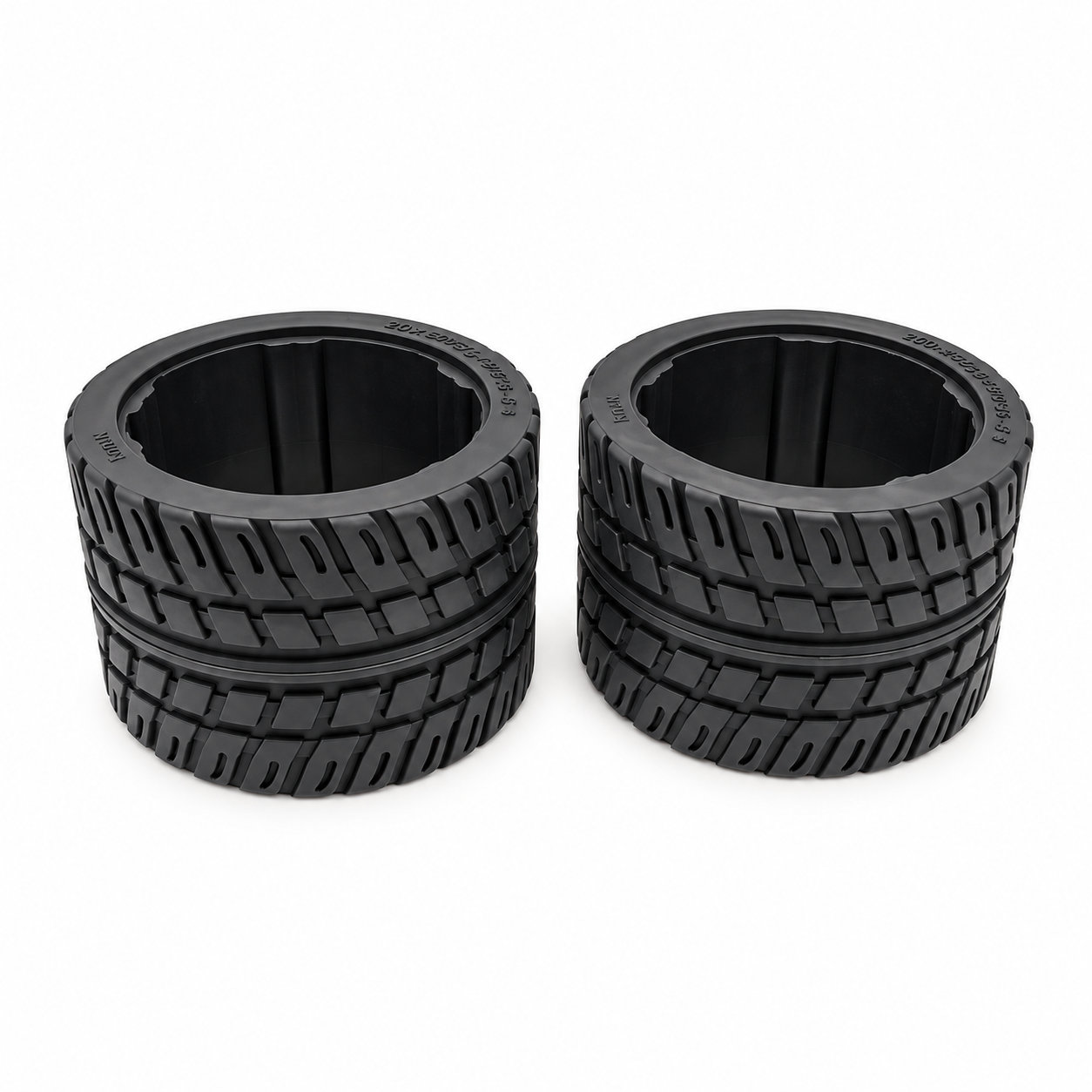
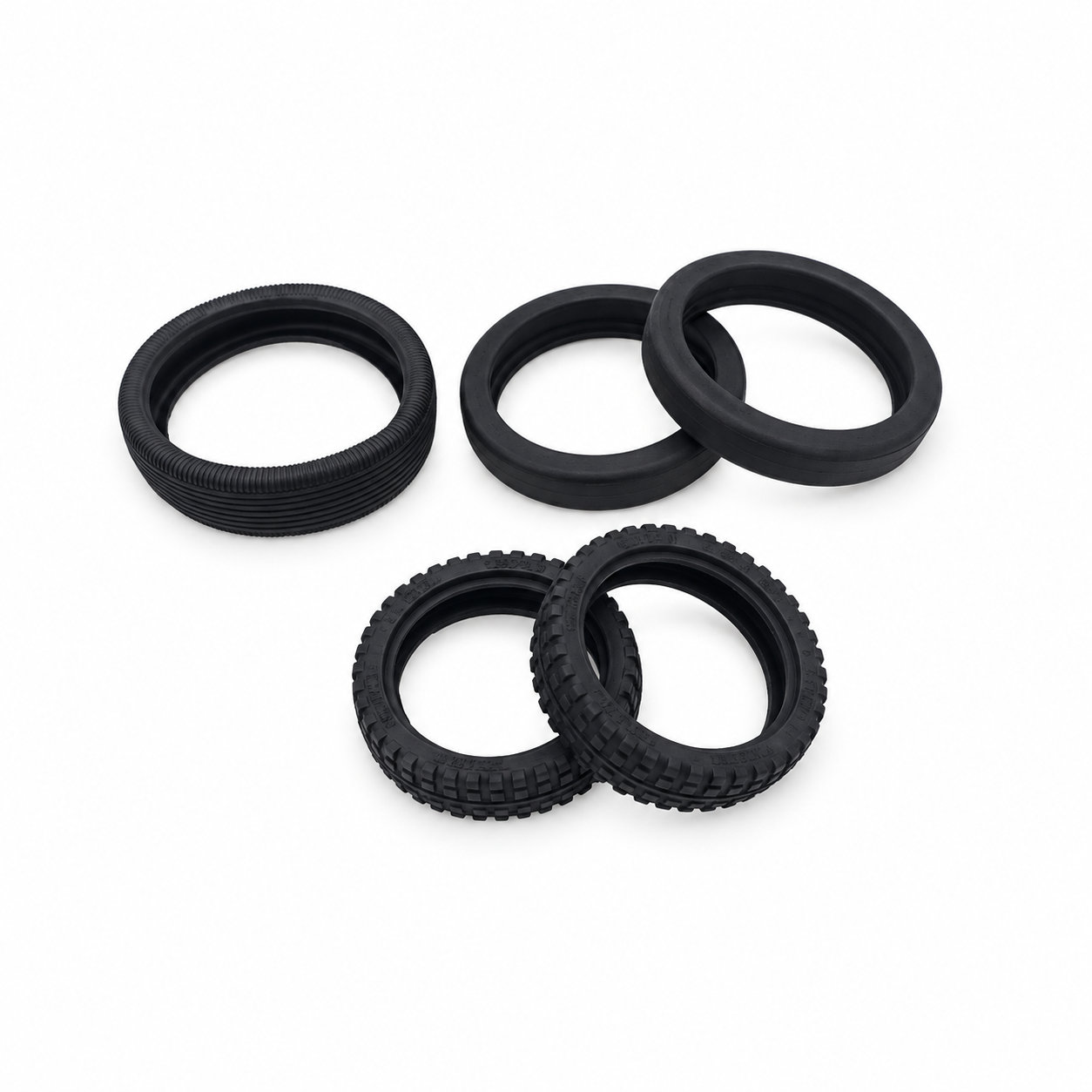
Custom manufacturing example · Remote control toy car tires, hot wheels toy cars
CUSTOM RUBBER & SILICONE MANUFACTURING
A custom component for your assembly.
Define the mating surfaces, dimensions and working conditions. ETOL manufactures the part to the agreed design and material.
Share the part, its application and your estimated quantity.
Selected for the contact, temperature and movement
Define the visible surfaces and intended color
Develop holes, lips and walls around the mating parts
Match the attachment and installation method
Remote control toy car tires need to fit their wheels while clearing the vehicle throughout steering and suspension movement where those features are present. A tire can rotate freely with the wheels straight ahead yet contact the body at a steering limit. Outside diameter, width and sidewall profile should therefore be assessed on the assembled toy.
Check the rim interface and retention method before evaluating the tread. A loose tire can move independently of the wheel, affecting the intended drive arrangement. A branded or familiar toy category in a title does not establish fitment to a particular model or licensing relationship.
Evaluate the finished wheel assembly for its intended use and users. The rubber name does not establish a specific grip, speed or wear rating. Remove debris from the tread during care and inspect the rim contact for tearing or creep. Replace damaged tires with the appropriate profile rather than forcing a different diameter onto the same rim and altering the toy's wheel clearance.
Photos illustrate structure or material only. A loose tire can move independently of the wheel, affecting the intended drive arrangement. ETOL directly manufactures custom-shaped silicone and rubber parts to your requirements.
Identify key dimensions, mating surfaces and quantity
Agree the compound and manufacturing approach
Review the fit and agreed requirements in the assembly
Manufacture and check against the approved requirements
Identify temperature, contact fluids and repeated movement.
Consider hardness together with wall thickness and support.
Check access, mating dimensions and the fitting sequence.
Yes. Show the receiving opening, contact surfaces and clearance limits. We can review the dimensions and retaining features around the intended fit.
Agree the critical dimensions, material, hardness, visible surfaces and sample requirements. Explain how the part is installed and which interfaces control its function.
A sample can help explain the structure. Compare it with the assembly because wear, swelling or compression may have changed its original dimensions.
The material, part geometry, tooling, quantity and finishing affect the quotation. Include the intended batch size and delivery destination when describing your requirements.
DISCUSS THIS COMPONENT
Share the fit, operating conditions and quantity with our manufacturing team.
EXPLORE RELATED DESIGNS
Explore similar part structures and applications for your next project.