Working conditions
Identify temperature, contact fluids and repeated movement.

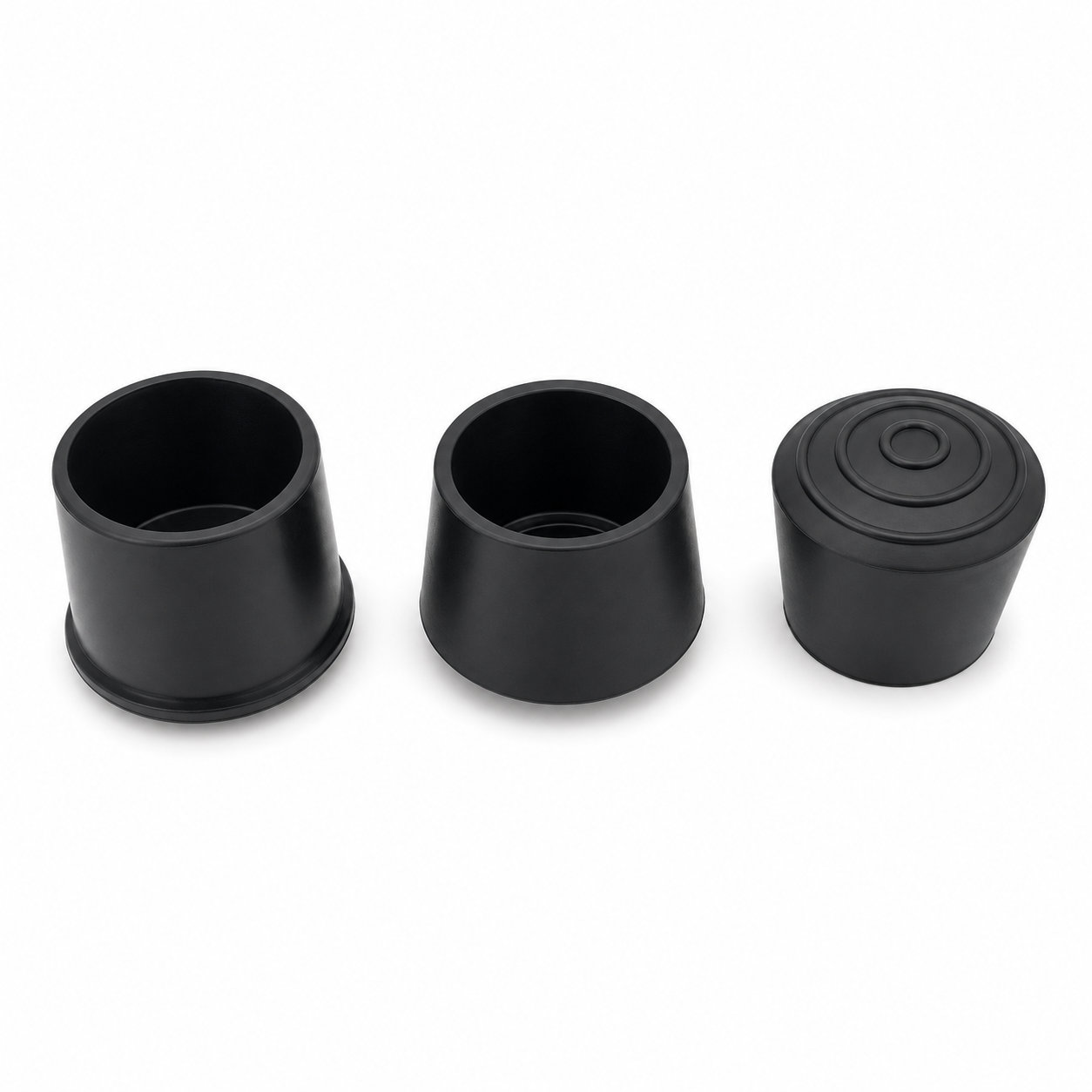
Custom manufacturing example · Custom Made Silicone Rubber Furniture Leg Covers
CUSTOM RUBBER & SILICONE MANUFACTURING
A custom component for your assembly.
Define the mating surfaces, dimensions and working conditions. ETOL manufactures the part to the agreed design and material.
Share the part, its application and your estimated quantity.
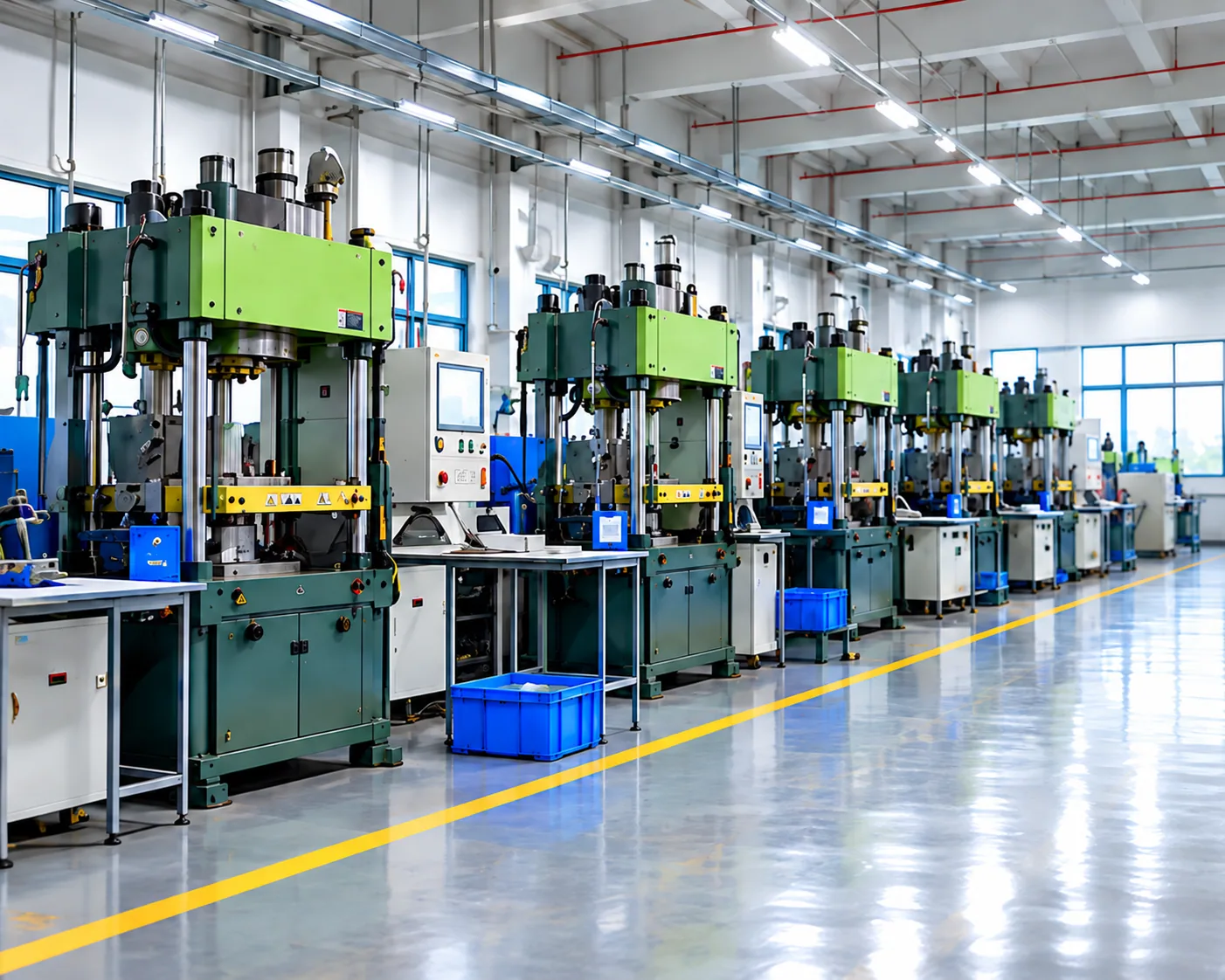
Selected for the contact, temperature and movement
Define the visible surfaces and intended color
Develop holes, lips and walls around the mating parts
Match the attachment and installation method
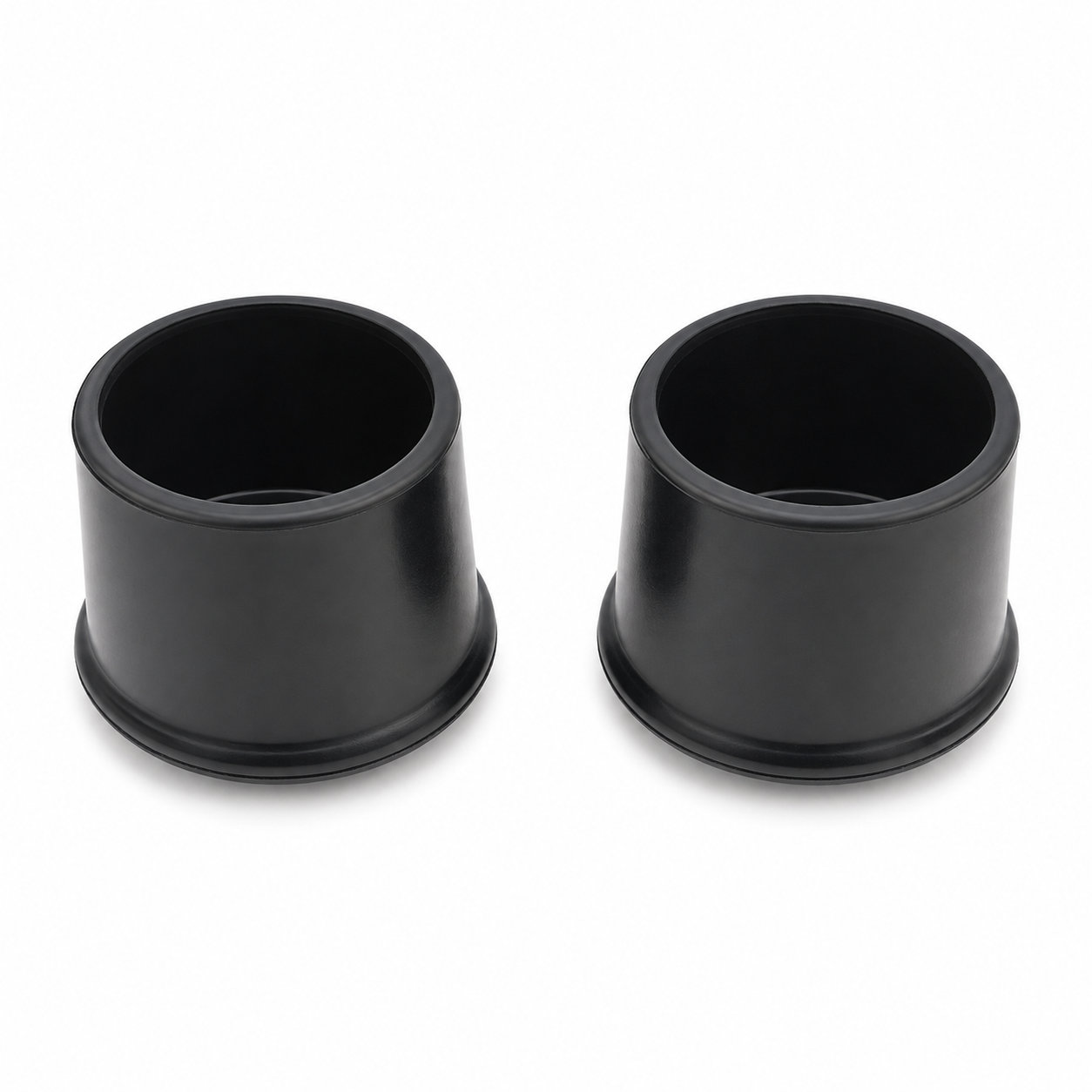
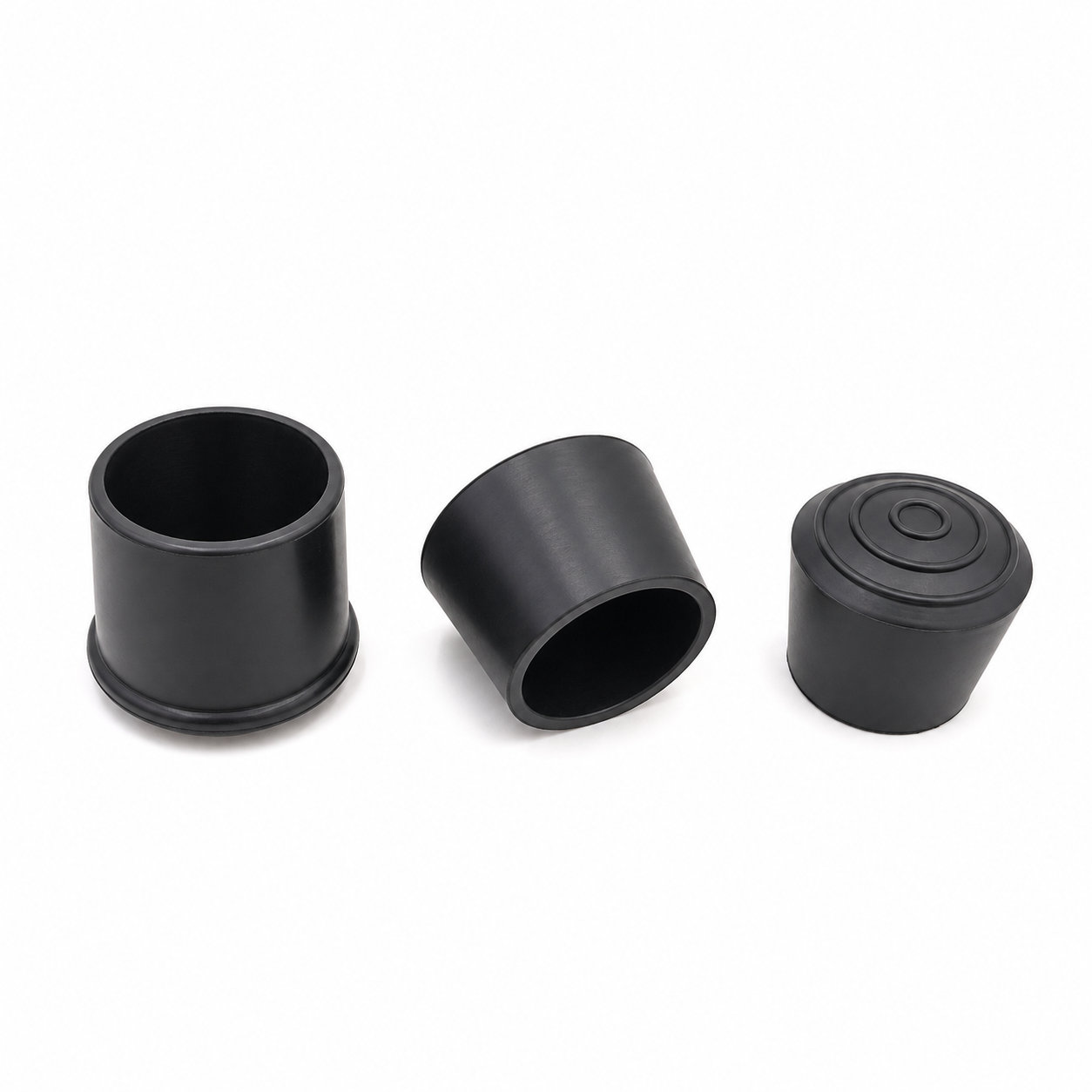
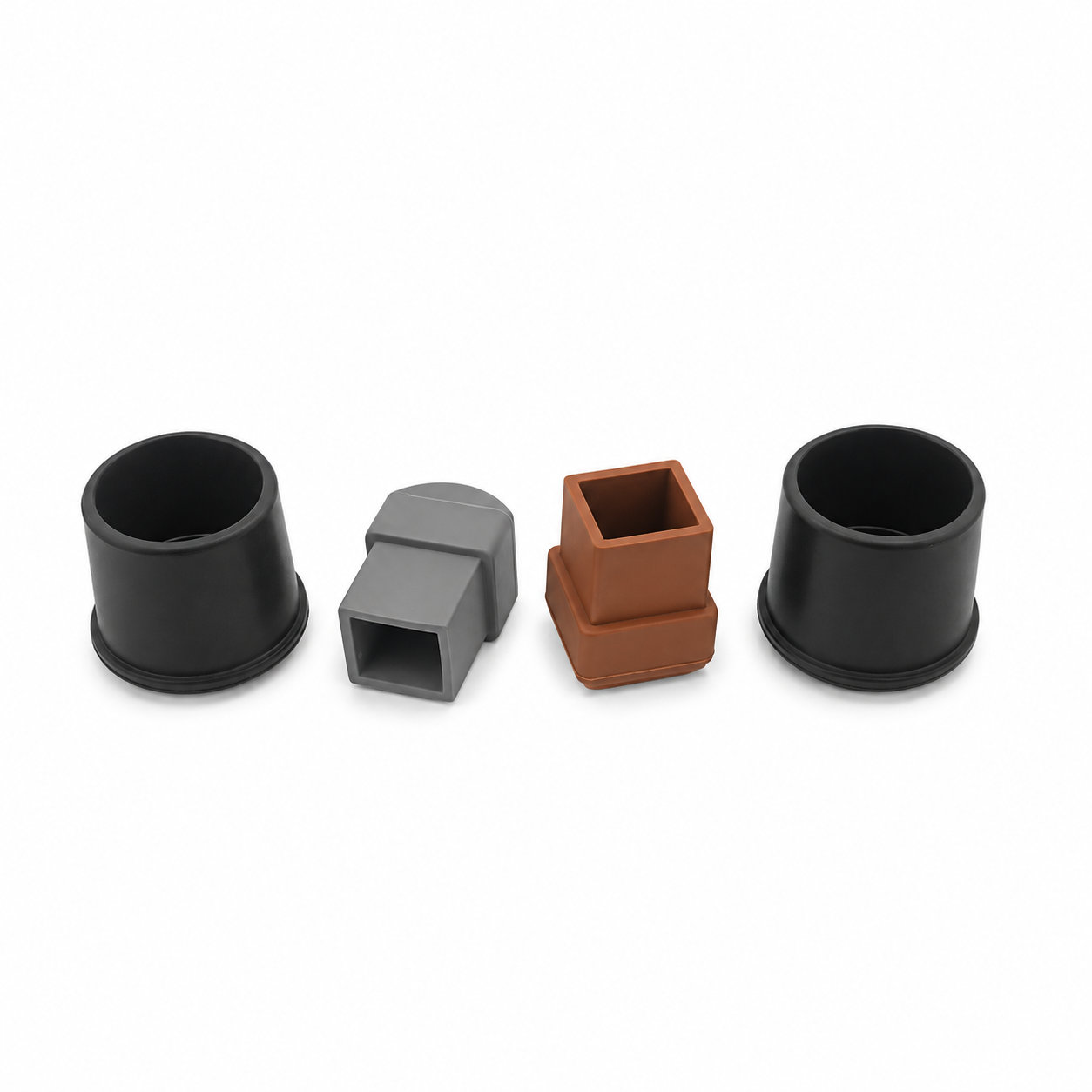
Silicone rubber furniture leg covers fit around furniture feet to separate the leg end from the floor. Their usefulness depends on matching the entire lower leg profile, including any taper or rounded corners, rather than choosing by the widest visible dimension alone. A cover that grips at its mouth but leaves a large gap underneath can fold during movement.
Custom dimensions allow the opening, sidewall depth and base shape to follow a particular chair or table. For angled legs, the base needs to meet the floor evenly when the furniture is standing normally. Excess material on one side can become a catch point as a chair slides backward.
Before fitting, remove sharp fragments and loose dirt from the leg end. Push the cover into its seated position without rolling the rim inward. Check all feet together so the furniture rests without rocking. Lift heavier pieces when repositioning them, and periodically clean the contact surface: grit trapped under a soft cover can still mark a floor despite the cushioning material.
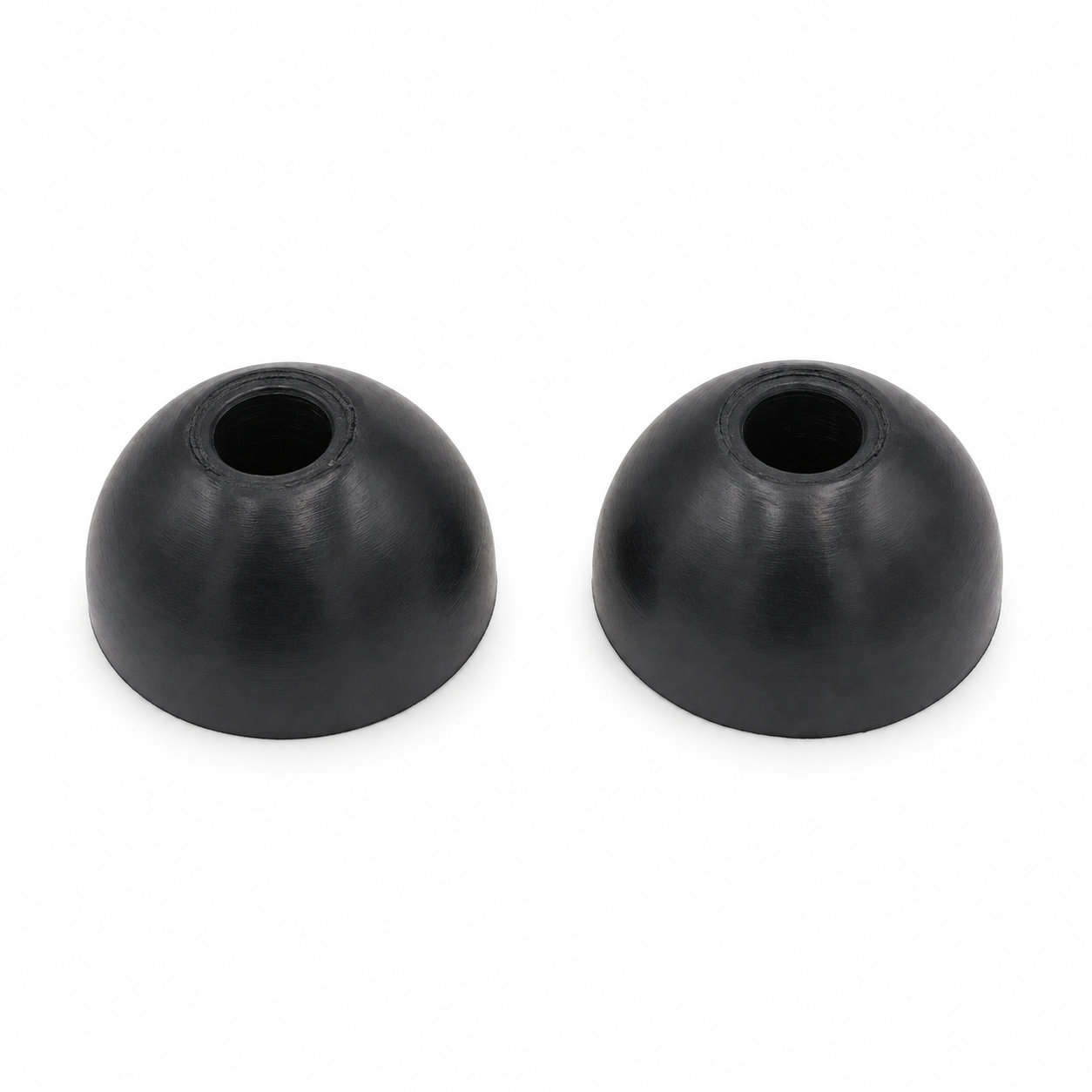
Photos illustrate structure or material only. A cover that grips at its mouth but leaves a large gap underneath can fold during movement. ETOL directly manufactures custom-shaped silicone and rubber parts to your requirements.
Identify key dimensions, mating surfaces and quantity
Agree the compound and manufacturing approach
Review the fit and agreed requirements in the assembly
Manufacture and check against the approved requirements
Identify temperature, contact fluids and repeated movement.
Consider hardness together with wall thickness and support.
Check access, mating dimensions and the fitting sequence.
Yes. Show the receiving opening, contact surfaces and clearance limits. We can review the dimensions and retaining features around the intended fit.
Agree the critical dimensions, material, hardness, visible surfaces and sample requirements. Explain how the part is installed and which interfaces control its function.
A sample can help explain the structure. Compare it with the assembly because wear, swelling or compression may have changed its original dimensions.
The material, part geometry, tooling, quantity and finishing affect the quotation. Include the intended batch size and delivery destination when describing your requirements.
DISCUSS THIS COMPONENT
Share the fit, operating conditions and quantity with our manufacturing team.
EXPLORE RELATED DESIGNS
Explore similar part structures and applications for your next project.