Working conditions
Identify temperature, contact fluids and repeated movement.

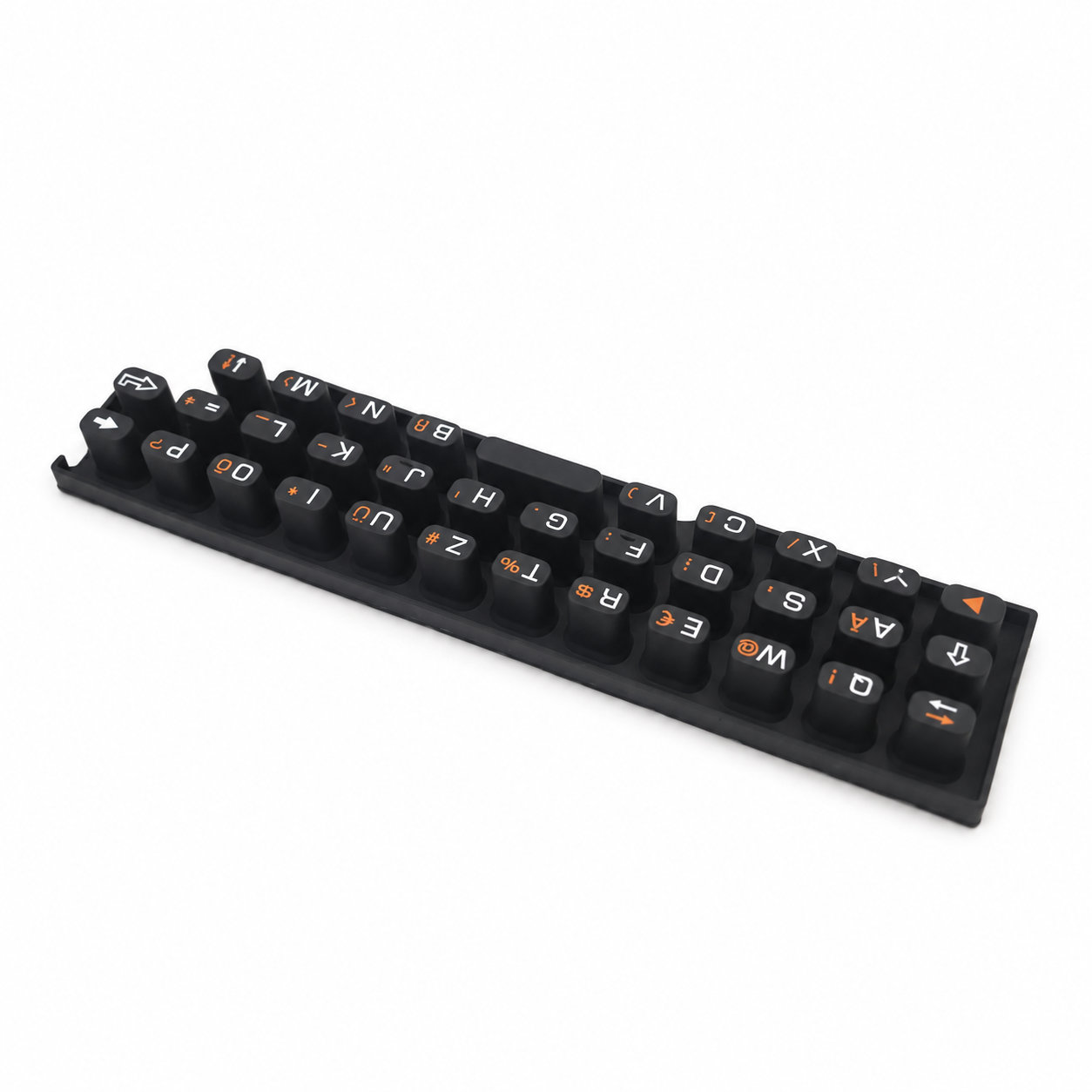
Custom manufacturing example · Rubber industrial keyboard silicone keypad buttons
CUSTOM RUBBER & SILICONE MANUFACTURING
A custom component for your assembly.
Define the mating surfaces, dimensions and working conditions. ETOL manufactures the part to the agreed design and material.
Share the part, its application and your estimated quantity.
Selected for the contact, temperature and movement
Define the visible surfaces and intended color
Develop holes, lips and walls around the mating parts
Match the attachment and installation method
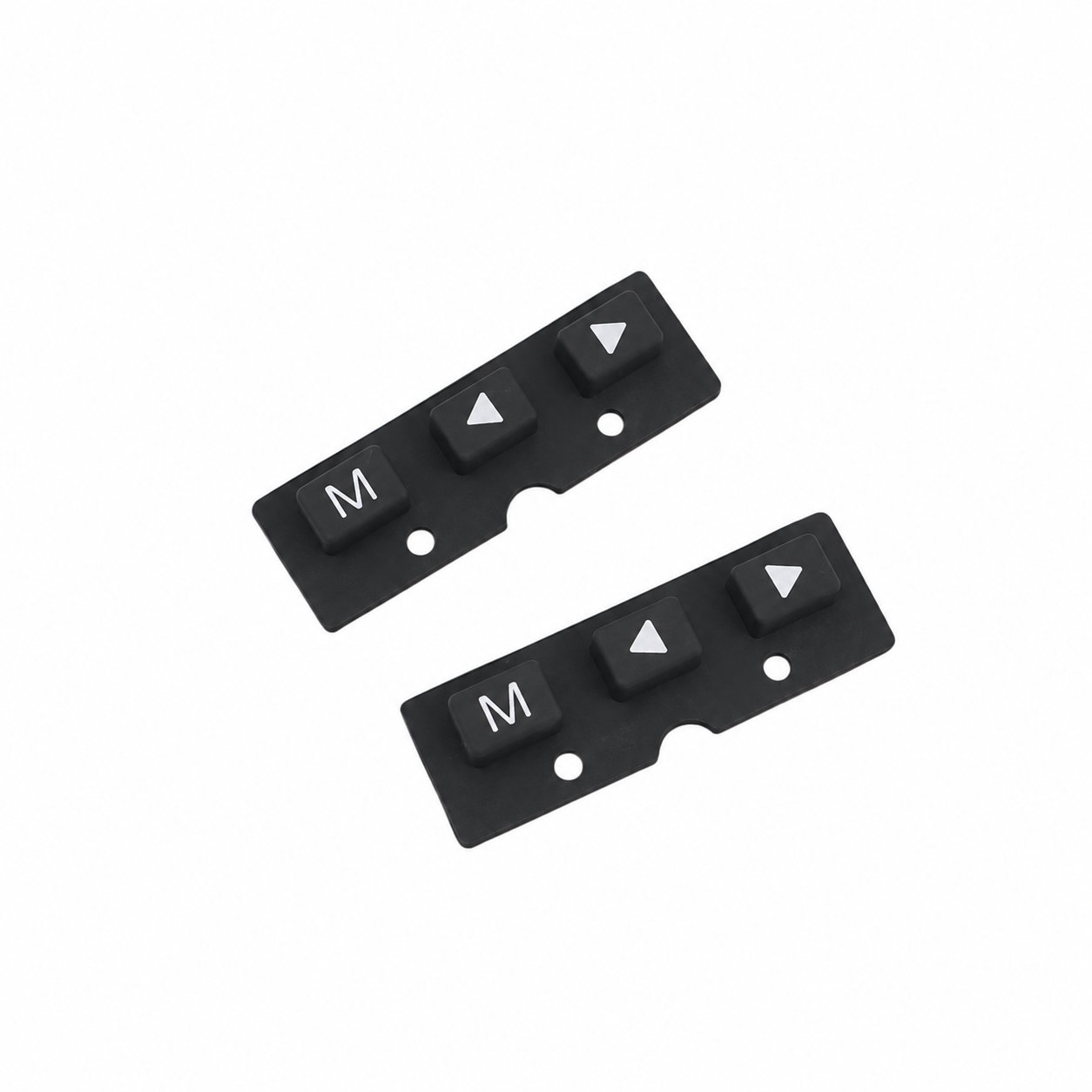
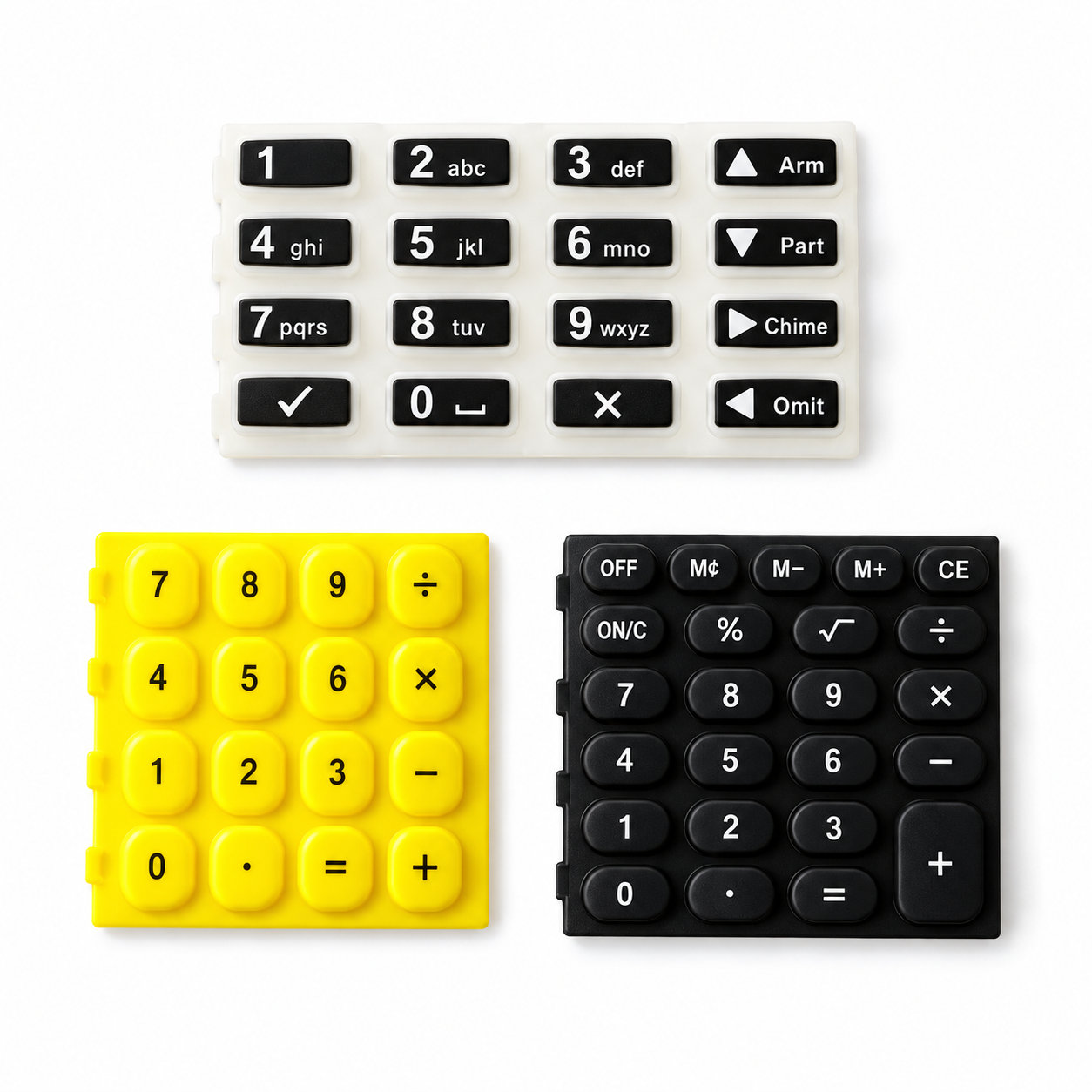
A Rubber industrial keyboard gives an equipment interface a flexible molded key surface. Custom sizing, multiple colors and molded identification allow the part to follow the control arrangement. For a panel used repeatedly, the important fit extends beyond one comfortable press to the full sequence of actions performed during normal work.
Trial that sequence with the panel at its intended mounting angle. Check whether a hand can reach the next key without resting on another control, and whether the labeling stays visible around the user's fingers. Keys that are reached from the side may need a different assessment from those pressed directly from the front.
ETOL lists hardness options from 20 to 80 Shore A. Compare candidate constructions in the assembled panel so the rubber, housing openings and switching components are assessed together. An unsupported section beneath the pad can produce a different response from a well supported one even when the keys use the same material.
Leave practical access for cleaning between the exposed keys. During servicing, look for a developing rub mark at the edge of frequently used controls and confirm that each releases after a slow press. Correct local interference before it changes the way an operator has to use the keyboard.
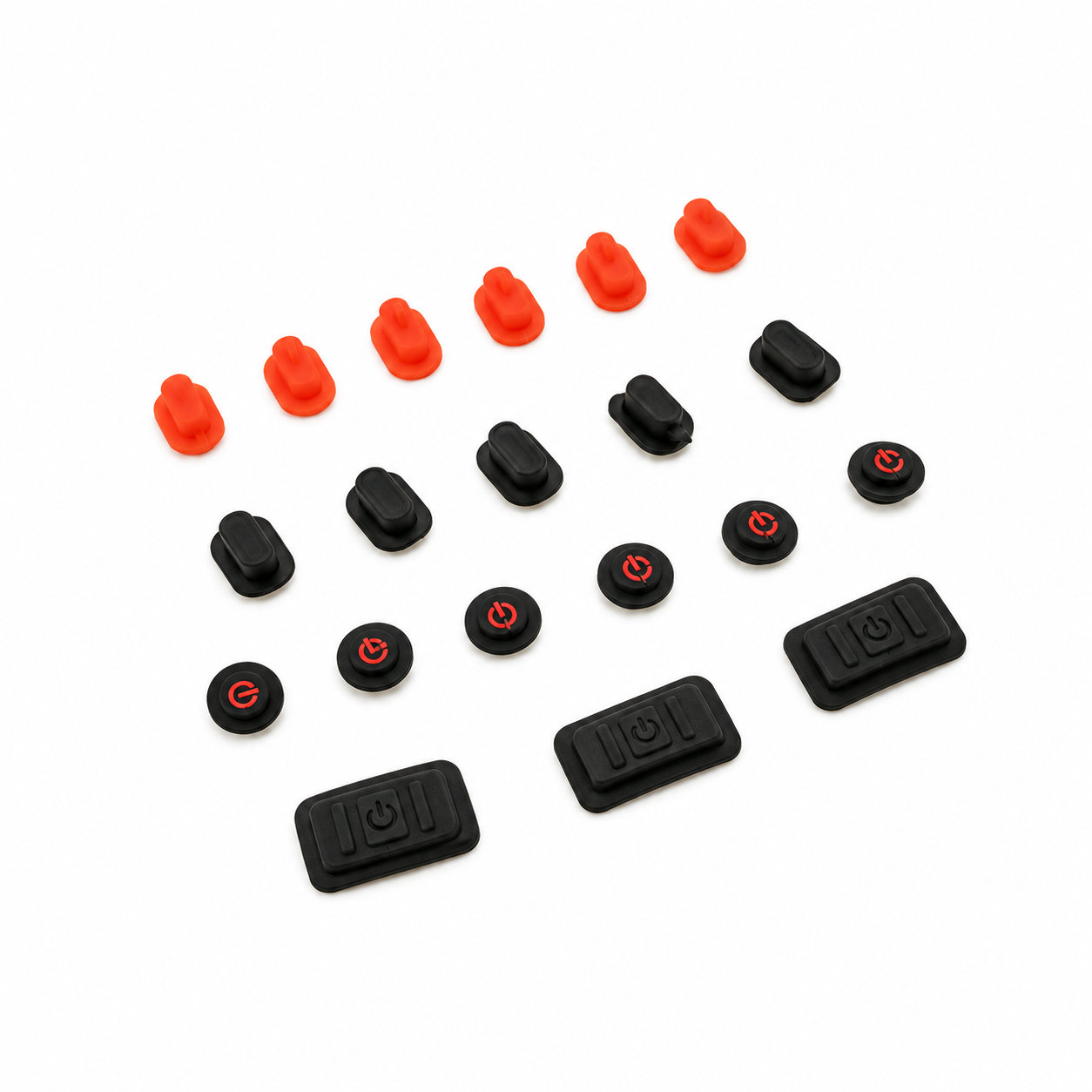
Photos illustrate structure or material only. A Rubber industrial keyboard gives an equipment interface a flexible molded key surface. ETOL directly manufactures custom-shaped silicone and rubber parts to your requirements.
Identify key dimensions, mating surfaces and quantity
Agree the compound and manufacturing approach
Review the fit and agreed requirements in the assembly
Manufacture and check against the approved requirements
Identify temperature, contact fluids and repeated movement.
Consider hardness together with wall thickness and support.
Check access, mating dimensions and the fitting sequence.
Yes. Show the receiving opening, contact surfaces and clearance limits. We can review the dimensions and retaining features around the intended fit.
Agree the critical dimensions, material, hardness, visible surfaces and sample requirements. Explain how the part is installed and which interfaces control its function.
A sample can help explain the structure. Compare it with the assembly because wear, swelling or compression may have changed its original dimensions.
The material, part geometry, tooling, quantity and finishing affect the quotation. Include the intended batch size and delivery destination when describing your requirements.
DISCUSS THIS COMPONENT
Share the fit, operating conditions and quantity with our manufacturing team.
EXPLORE RELATED DESIGNS
Explore similar part structures and applications for your next project.