Working conditions
Identify temperature, contact fluids and repeated movement.

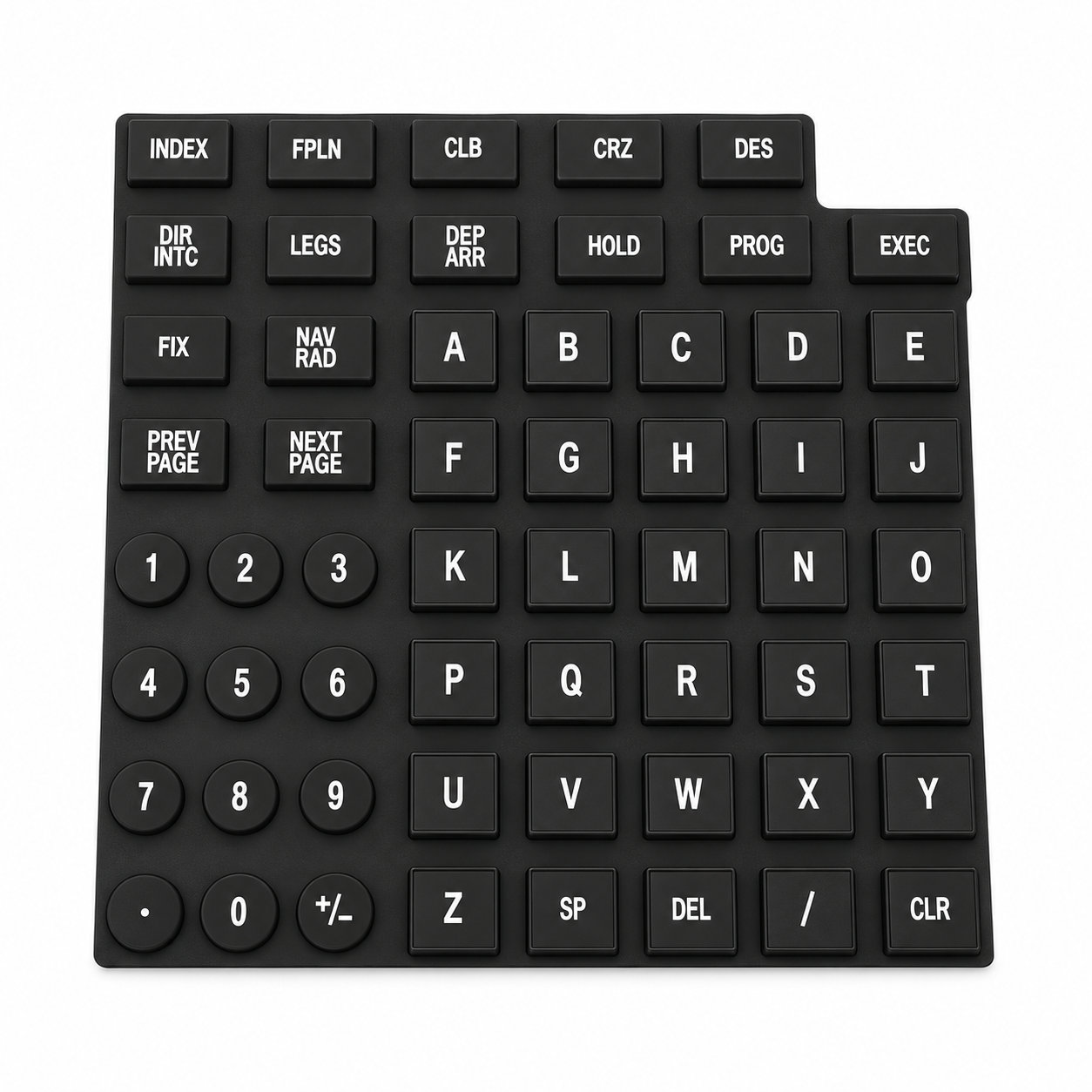
Custom manufacturing example · Custom Elastomer Silicone keypad manufacturer
CUSTOM RUBBER & SILICONE MANUFACTURING
A custom component for your assembly.
Define the mating surfaces, dimensions and working conditions. ETOL manufactures the part to the agreed design and material.
Share the part, its application and your estimated quantity.

Selected for the contact, temperature and movement
Define the visible surfaces and intended color
Develop holes, lips and walls around the mating parts
Match the attachment and installation method
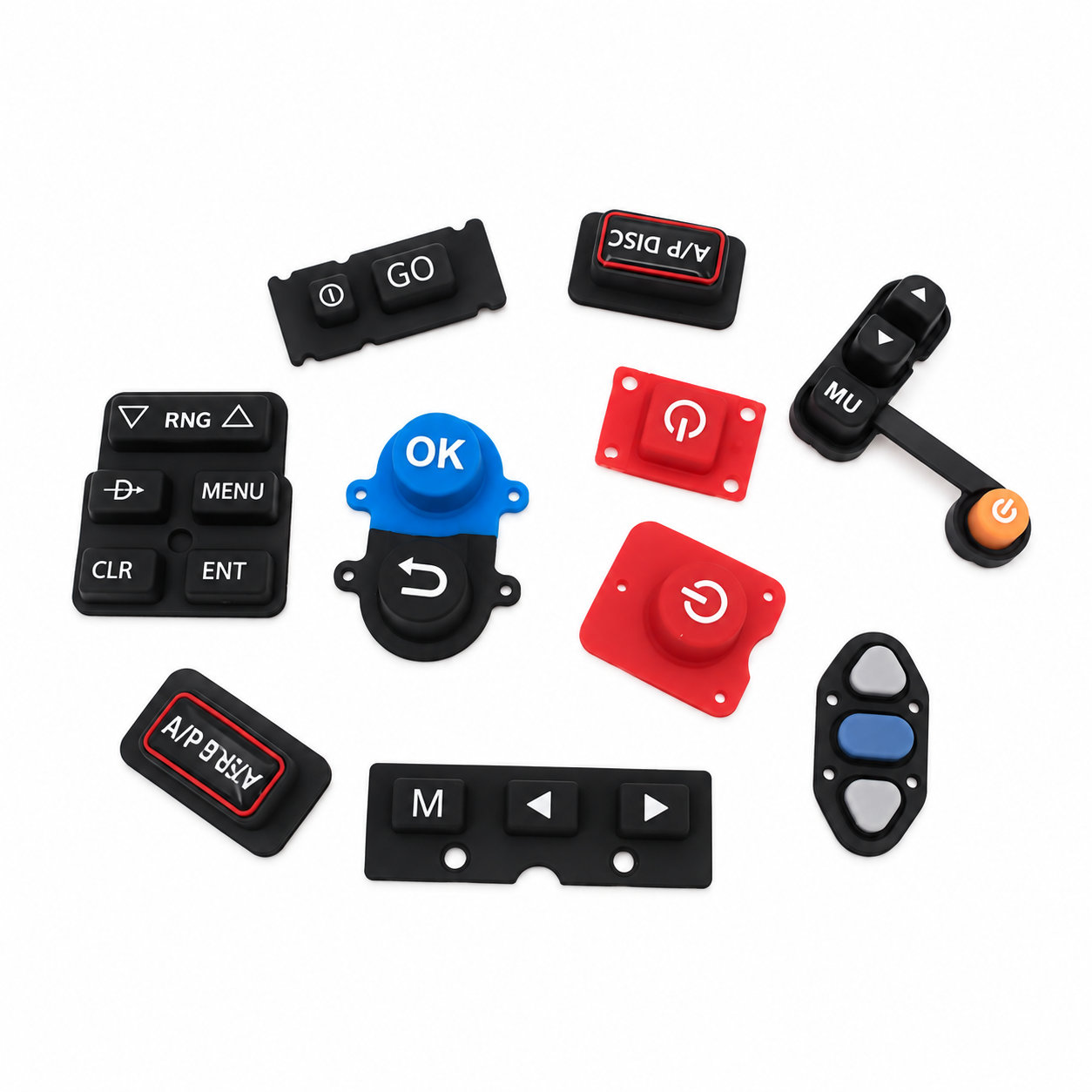
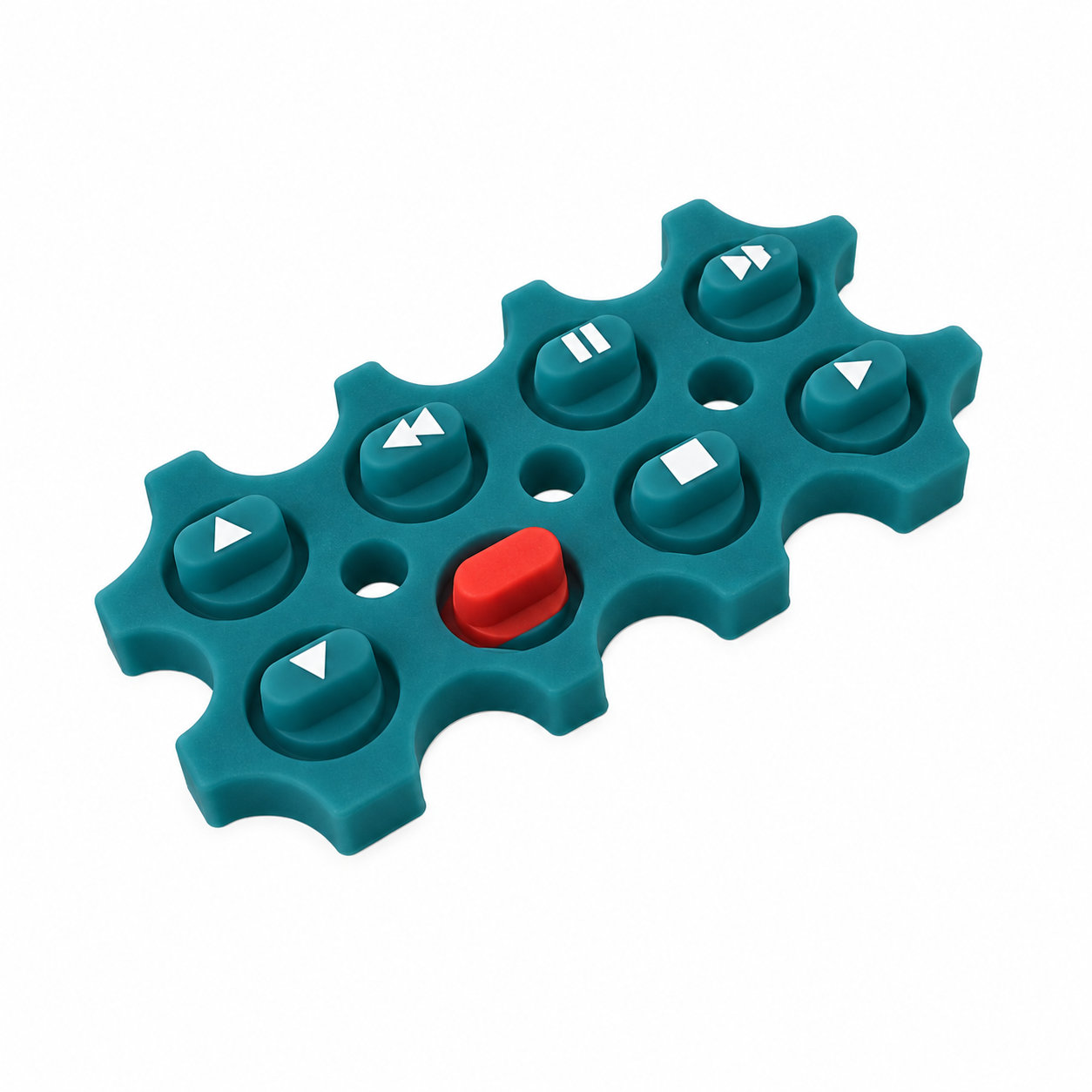
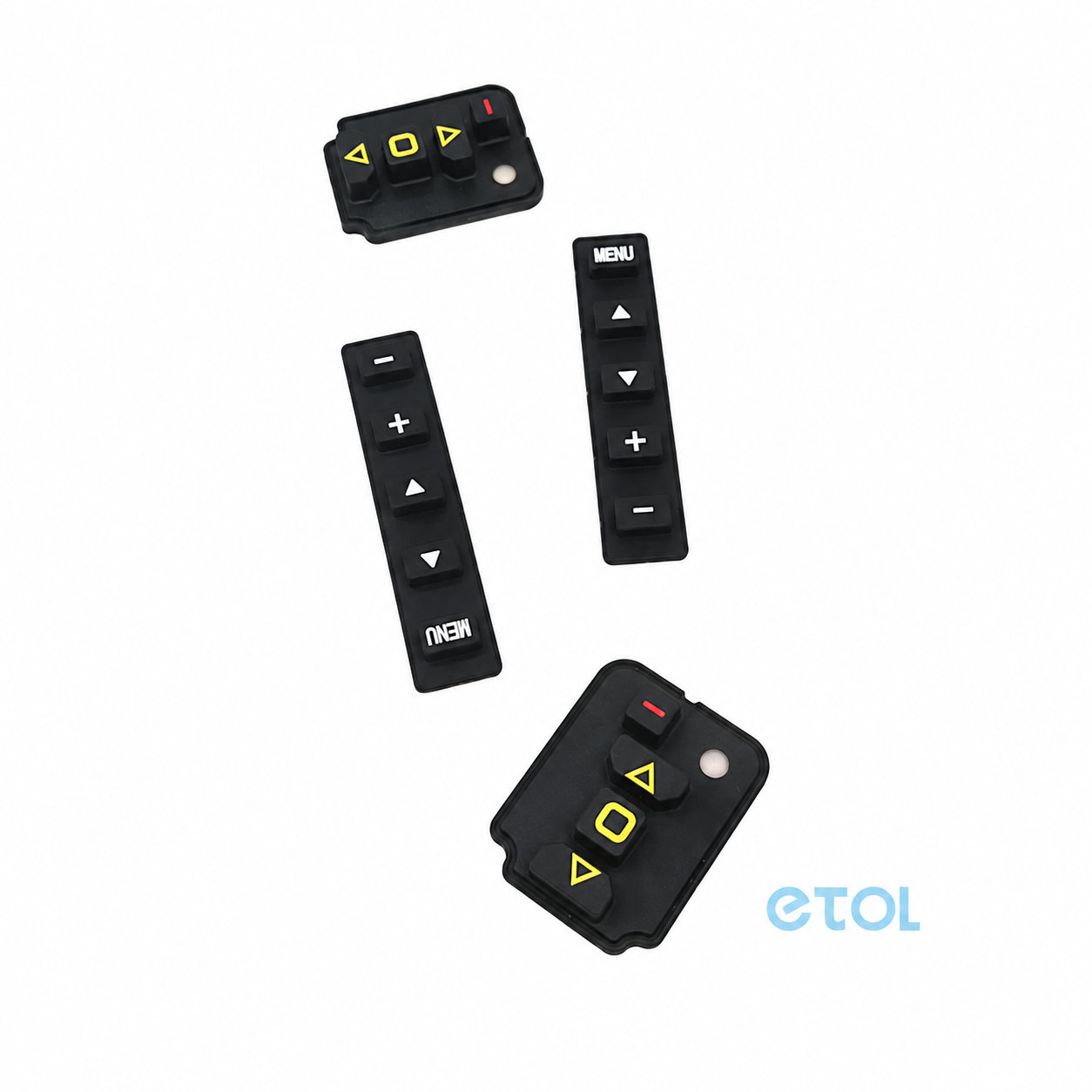
A Custom Elastomer Silicone keypad can combine the flexible key structure, contact arrangement and visible control markings in a single tailored component. ETOL offers conductive and non-conductive constructions, with carbon pill or conductive ink approaches among the conductive options. The appropriate choice follows the electronics beneath the keypad.
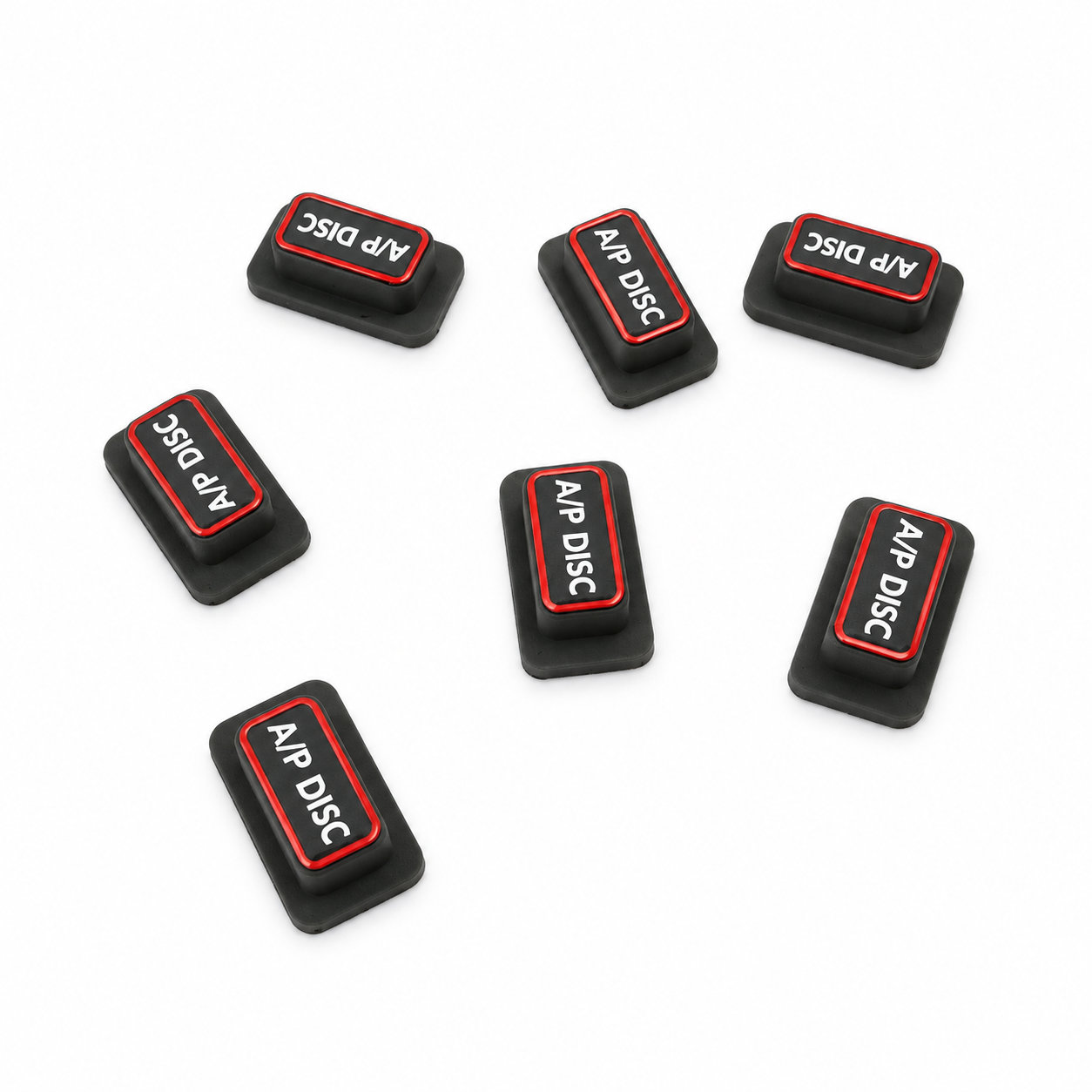
The available marking methods give the interface several design directions. Screen printing can provide surface text and symbols, while embossed or debossed molded symbols add form to the key surface. Laser etching is available for designs involving LED backlighting. The illumination arrangement should be considered with the selected material and key construction, rather than treated as a marking change alone.
Colors can follow a Pantone reference, and the listed hardness range is 20 to 80 Shore A. Neither color nor hardness determines the entire user experience: key height, spacing and web geometry also affect how a control responds. Keep a functional prototype as the reference when those features are adjusted.
Decide whether a molded symbol is intended to help distinguish a key by touch, carry a visible label, or work alongside a printed legend. The chosen marking depth and location should leave the pressing area usable. Where multiple marking methods are combined, check their relationship on the assembled key instead of approving each detail in isolation.
For an illuminated design, examine the keypad with the enclosure closed under both ambient light and its intended backlighting. Check that the symbols remain legible and that nearby keys can still be distinguished. Then test the electrical response across the full layout, including keys at the edges of the molded part. Assembly pressure and housing contact should not leave a key partly depressed or interfere with its return after release.
Photos illustrate structure or material only. For an illuminated design, examine the keypad with the enclosure closed under both ambient light and its intended backlighting. ETOL directly manufactures custom-shaped silicone and rubber parts to your requirements.
Identify key dimensions, mating surfaces and quantity
Agree the compound and manufacturing approach
Review the fit and agreed requirements in the assembly
Manufacture and check against the approved requirements
Identify temperature, contact fluids and repeated movement.
Consider hardness together with wall thickness and support.
Check access, mating dimensions and the fitting sequence.
Yes. Show the receiving opening, contact surfaces and clearance limits. We can review the dimensions and retaining features around the intended fit.
Agree the critical dimensions, material, hardness, visible surfaces and sample requirements. Explain how the part is installed and which interfaces control its function.
A sample can help explain the structure. Compare it with the assembly because wear, swelling or compression may have changed its original dimensions.
The material, part geometry, tooling, quantity and finishing affect the quotation. Include the intended batch size and delivery destination when describing your requirements.
DISCUSS THIS COMPONENT
Share the fit, operating conditions and quantity with our manufacturing team.
EXPLORE RELATED DESIGNS
Explore similar part structures and applications for your next project.