Working conditions
Identify temperature, contact fluids and repeated movement.

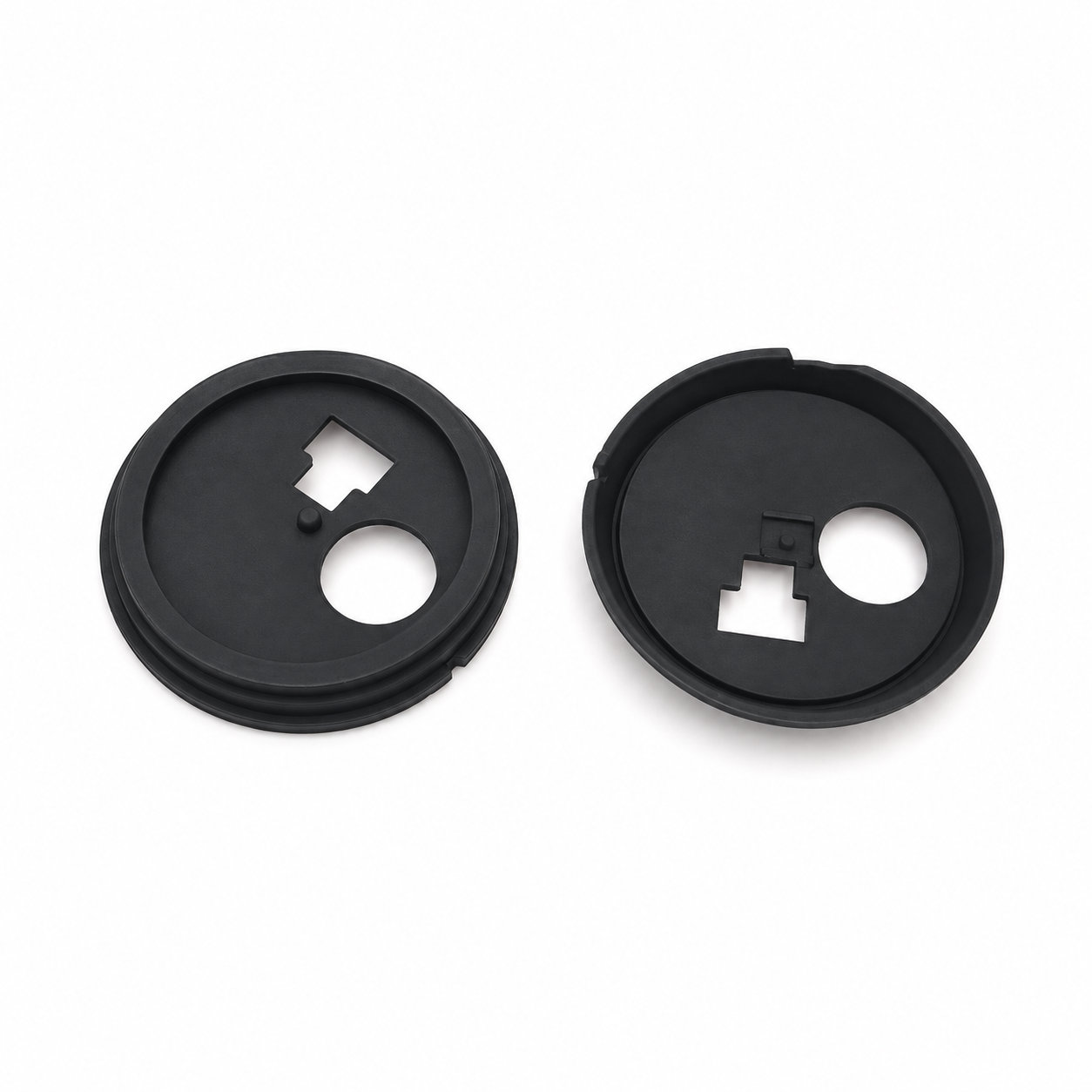
Custom manufacturing example · Custom made round silicone rubber dust cap
CUSTOM RUBBER & SILICONE MANUFACTURING
A custom component for your assembly.
Define the mating surfaces, dimensions and working conditions. ETOL manufactures the part to the agreed design and material.
Share the part, its application and your estimated quantity.

Selected for the contact, temperature and movement
Define the visible surfaces and intended color
Develop holes, lips and walls around the mating parts
Match the attachment and installation method
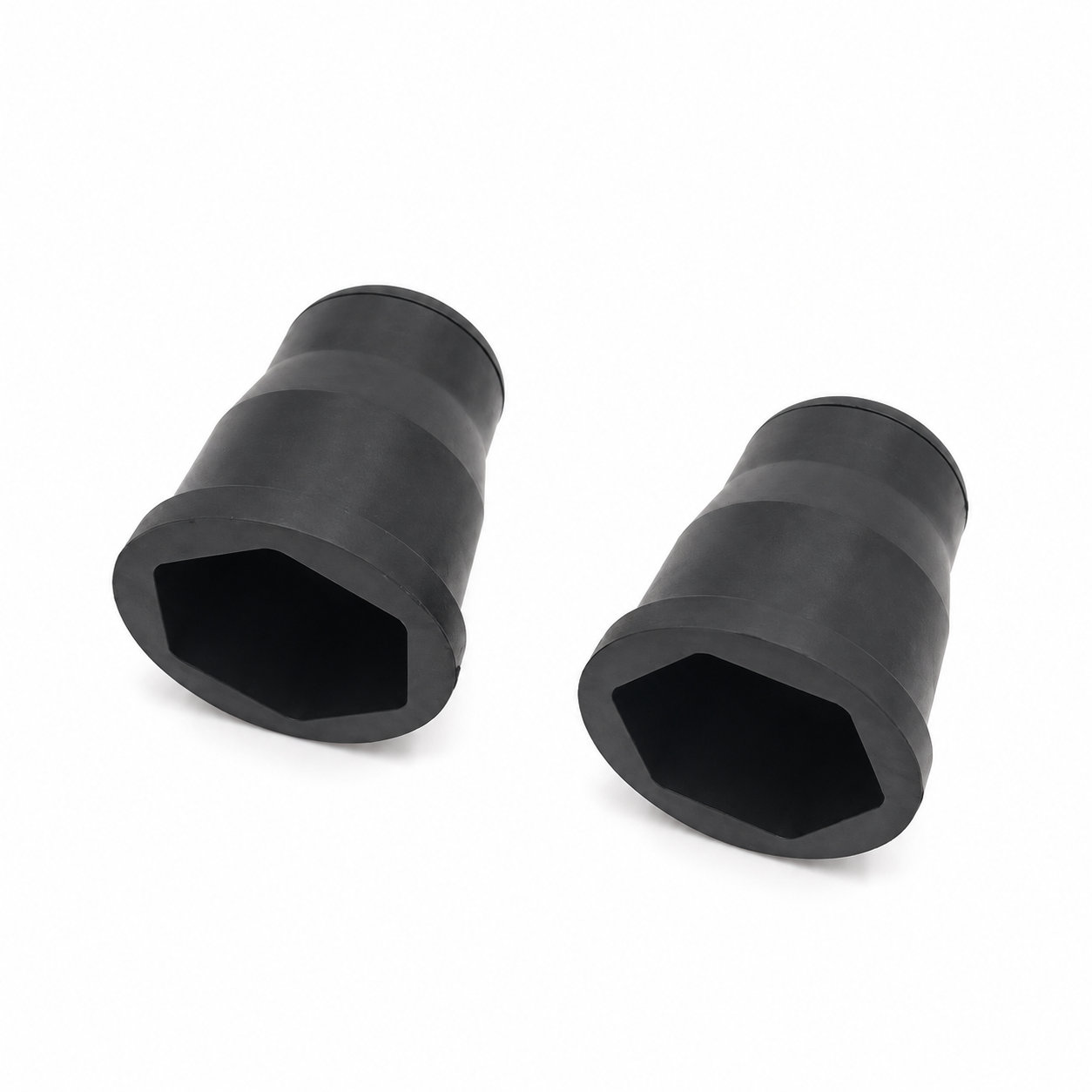
A silicone rubber dust cap covers a matching round feature when it is not in use, helping keep direct dust and debris away from the protected opening. Its fit should suit the outside shape and available engagement length. A cap that only catches on a narrow edge may come loose during routine handling.
Consider how often the opening is accessed. A frequently removed cap needs a practical grip area and enough surrounding space for removal without using a pointed tool. The cover should also have a clean place to rest while detached so it does not carry dirt back to the opening when refitted.
Press the cap into its intended seat without folding the lower edge. Dust coverage should not be assumed to provide a pressure seal or a particular water-protection rating. Check the inner surface before replacing it, particularly after storage in a dusty area. A split rim or permanently stretched opening is a reason to replace the cap even if its outside face still appears serviceable.
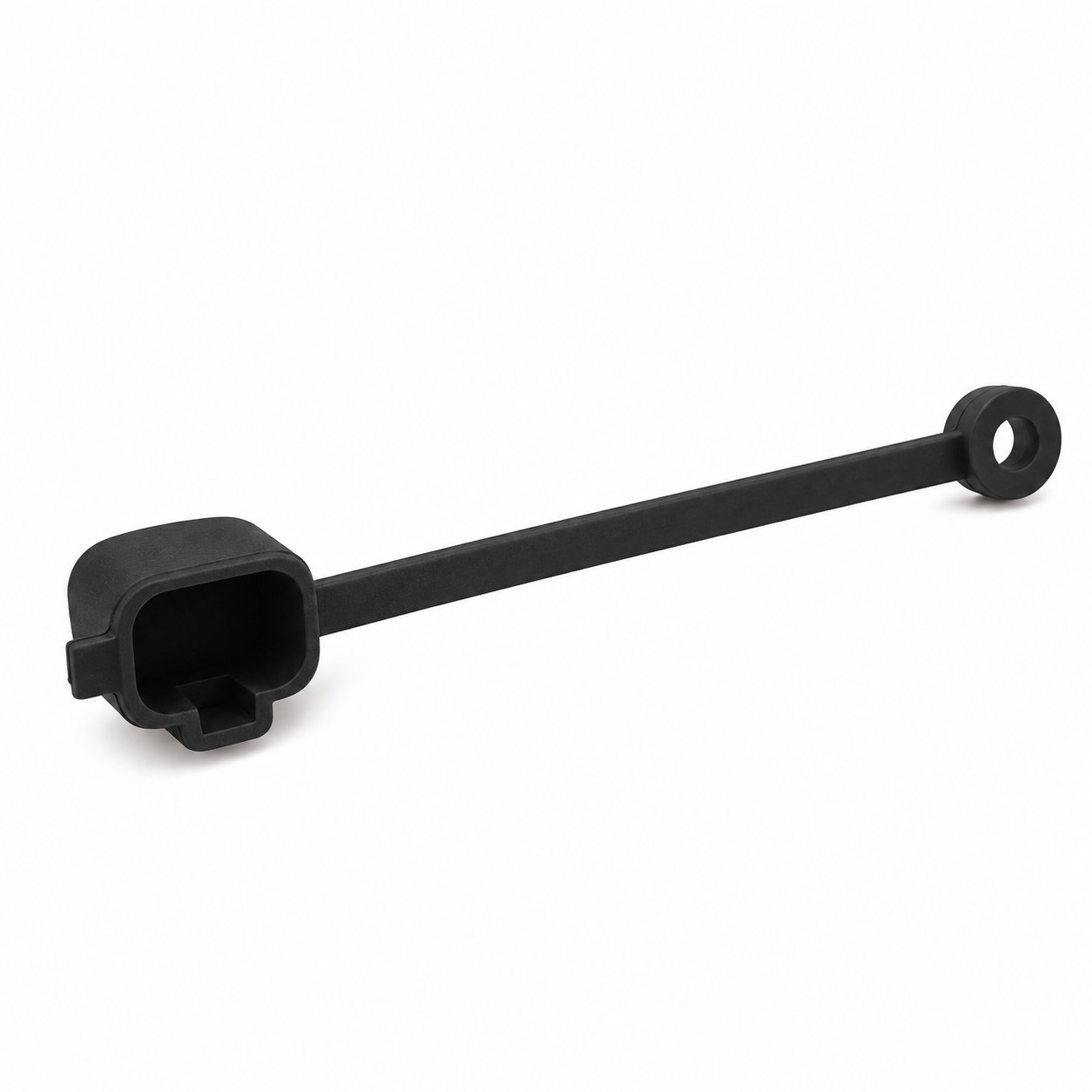
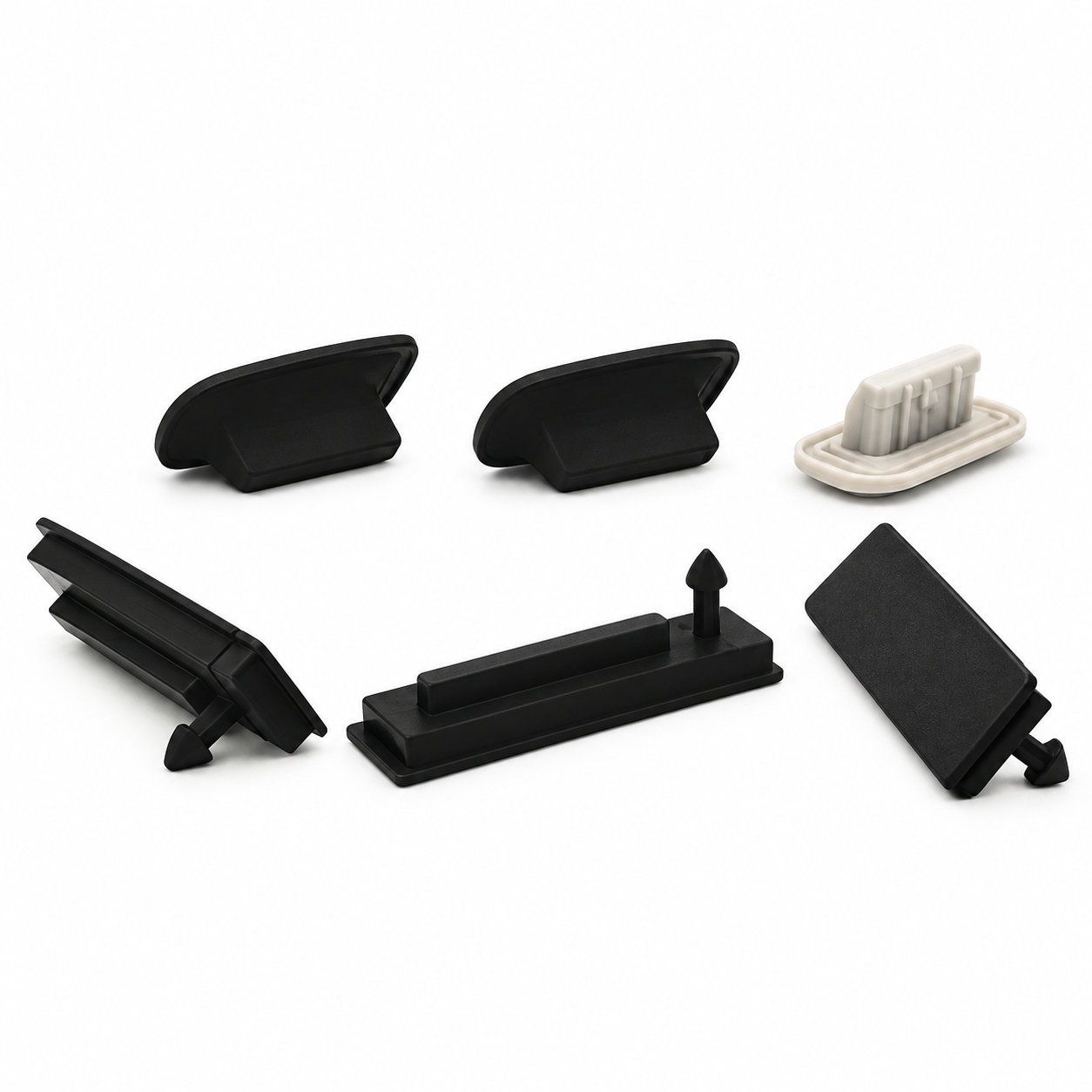
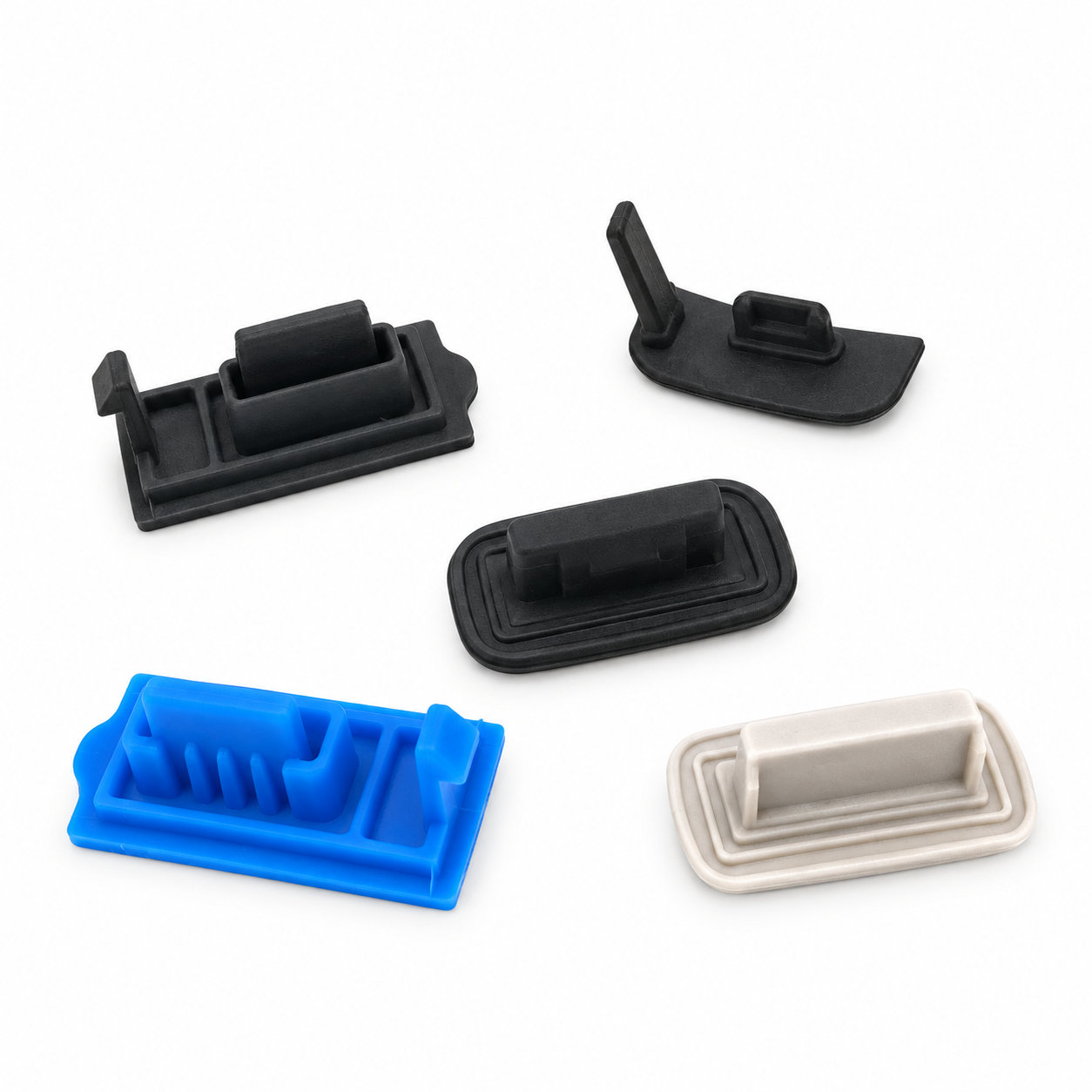
Photos illustrate structure or material appearance only. Press the cap into its intended seat without folding the lower edge. ETOL directly manufactures custom-shaped silicone and rubber parts to your requirements.
Identify key dimensions, mating surfaces and quantity
Agree the compound and manufacturing approach
Review the fit and agreed requirements in the assembly
Manufacture and check against the approved requirements
Identify temperature, contact fluids and repeated movement.
Consider hardness together with wall thickness and support.
Check access, mating dimensions and the fitting sequence.
Yes. Show the receiving opening, contact surfaces and clearance limits. We can review the dimensions and retaining features around the intended fit.
Agree the critical dimensions, material, hardness, visible surfaces and sample requirements. Explain how the part is installed and which interfaces control its function.
A sample can help explain the structure. Compare it with the assembly because wear, swelling or compression may have changed its original dimensions.
The material, part geometry, tooling, quantity and finishing affect the quotation. Include the intended batch size and delivery destination when describing your requirements.
DISCUSS THIS COMPONENT
Share the fit, operating conditions and quantity with our manufacturing team.
EXPLORE RELATED DESIGNS
Explore similar part structures and applications for your next project.