Working conditions
Identify temperature, contact fluids and repeated movement.

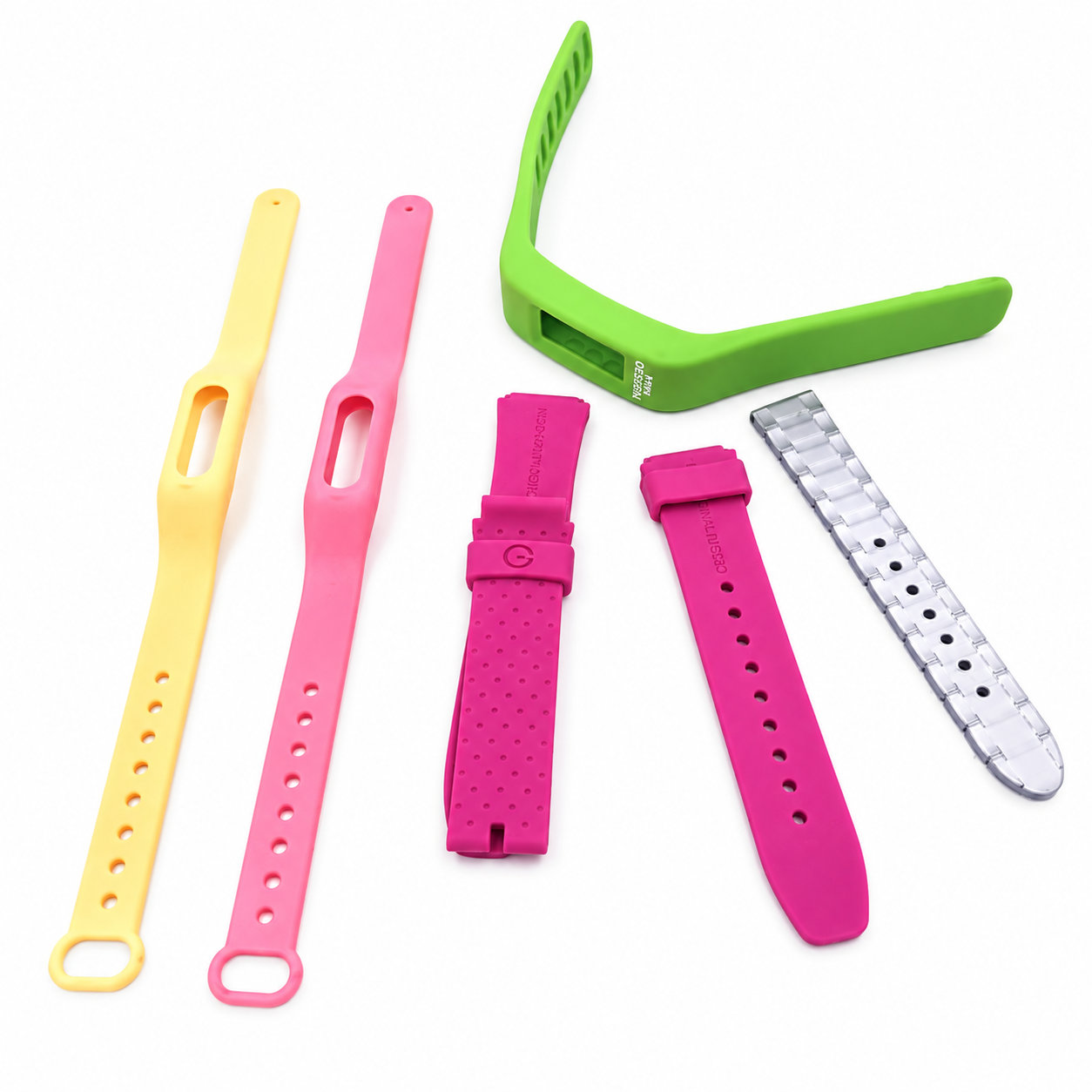
Custom manufacturing example · Silicone strap band customized silicone wrist band watch
CUSTOM RUBBER & SILICONE MANUFACTURING
A custom component for your assembly.
Define the mating surfaces, dimensions and working conditions. ETOL manufactures the part to the agreed design and material.
Share the part, its application and your estimated quantity.
Selected for the contact, temperature and movement
Define the visible surfaces and intended color
Develop holes, lips and walls around the mating parts
Match the attachment and installation method
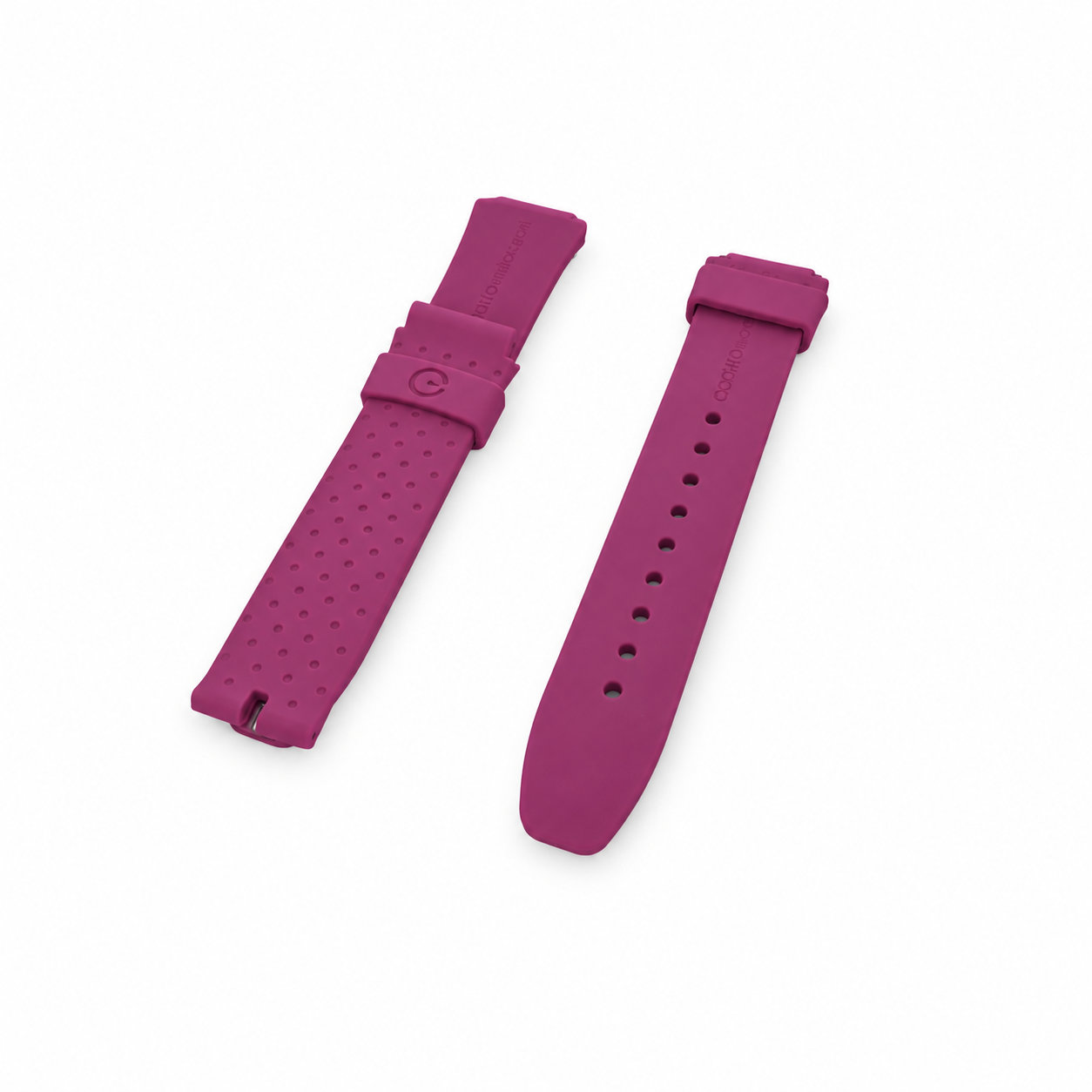
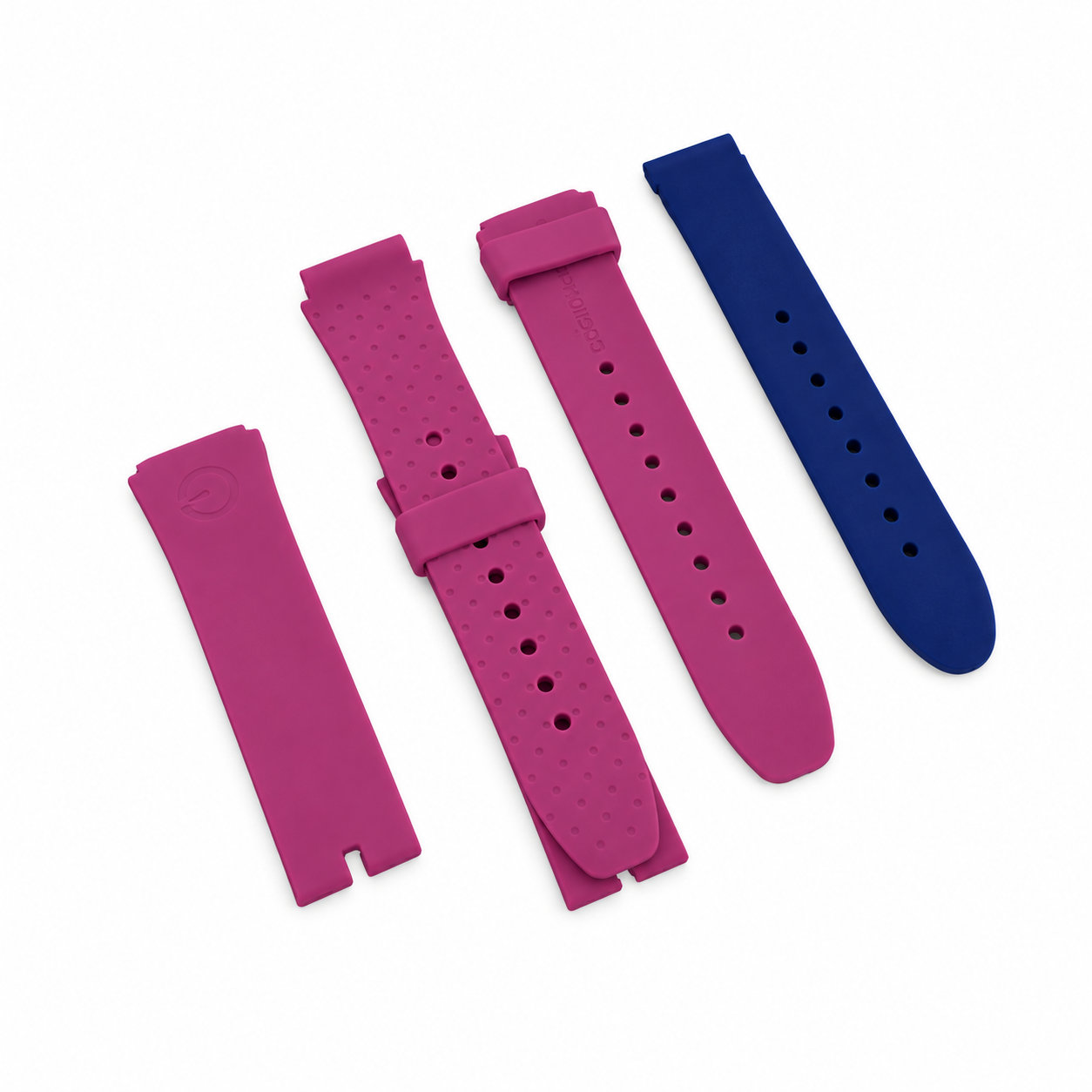
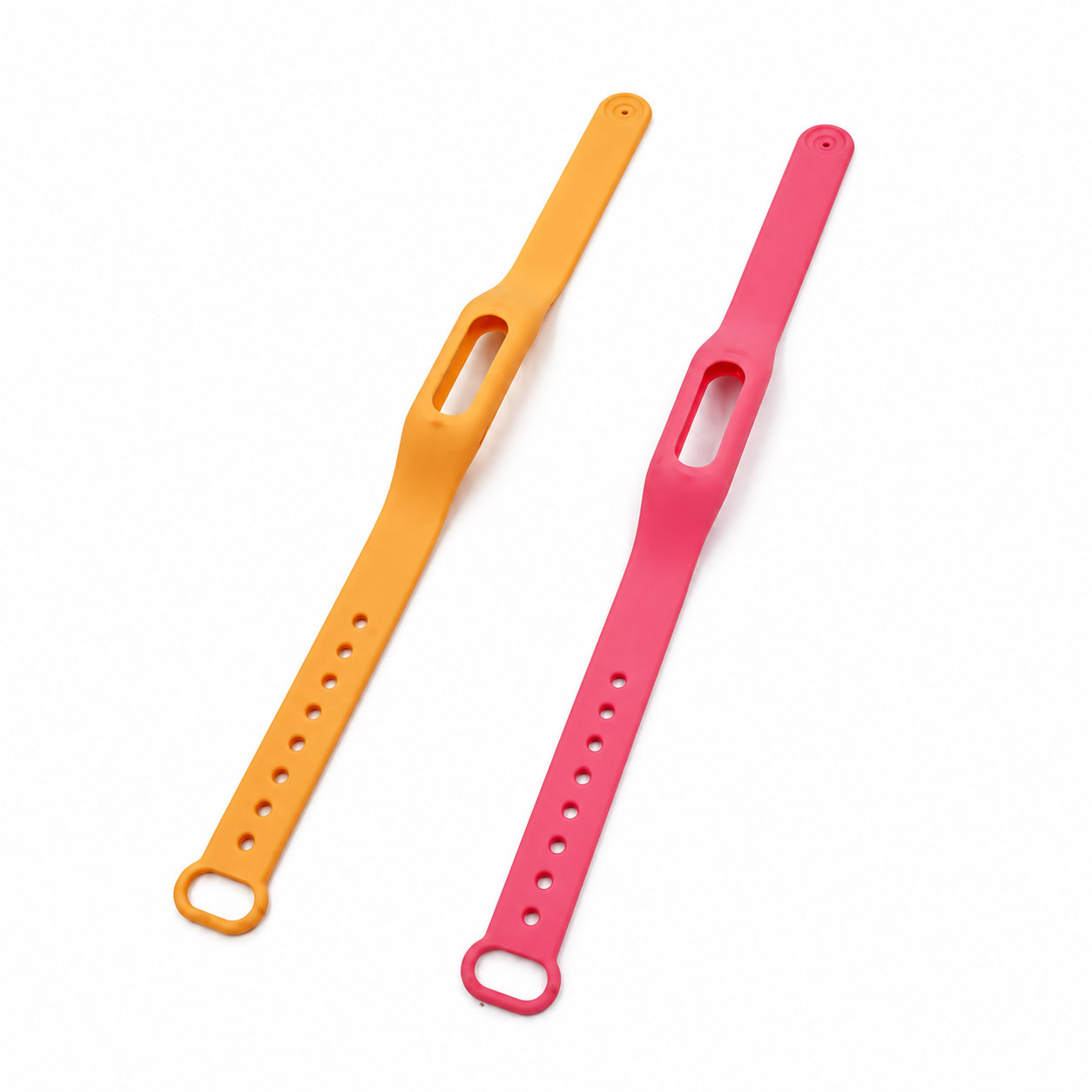
A silicone strap band needs room for the remaining tail after the watch is fastened. The tail position changes across the adjustment range, so the keeper arrangement should be considered with both shorter and longer settings. A band can close around the wrist yet leave an unsupported tail that catches or bends sharply during ordinary movement.
Check the keeper opening against the strap width and thickness at the area that passes through it. A tapered band may present a different section near its tip than near the buckle. The keeper should hold the tail as intended without requiring it to be stretched or folded into an incompatible opening.
Evaluate the complete closure at representative settings, including how the tail is inserted and withdrawn. The case attachment and selected material must also suit the finished wearable. During cleaning, clear residue from the keeper and examine the tail edges for repeated rubbing. Do not trim or add holes casually to correct an unsuitable length; those changes alter the molded part. Choose a configuration that provides the required adjustment and tail management together.
Photos illustrate structure or material only. A tapered band may present a different section near its tip than near the buckle. ETOL directly manufactures custom-shaped silicone and rubber parts to your requirements.
Identify key dimensions, mating surfaces and quantity
Agree the compound and manufacturing approach
Review the fit and agreed requirements in the assembly
Manufacture and check against the approved requirements
Identify temperature, contact fluids and repeated movement.
Consider hardness together with wall thickness and support.
Check access, mating dimensions and the fitting sequence.
Yes. Show the receiving opening, contact surfaces and clearance limits. We can review the dimensions and retaining features around the intended fit.
Agree the critical dimensions, material, hardness, visible surfaces and sample requirements. Explain how the part is installed and which interfaces control its function.
A sample can help explain the structure. Compare it with the assembly because wear, swelling or compression may have changed its original dimensions.
The material, part geometry, tooling, quantity and finishing affect the quotation. Include the intended batch size and delivery destination when describing your requirements.
DISCUSS THIS COMPONENT
Share the fit, operating conditions and quantity with our manufacturing team.
EXPLORE RELATED DESIGNS
Explore similar part structures and applications for your next project.