Working conditions
Identify temperature, contact fluids and repeated movement.

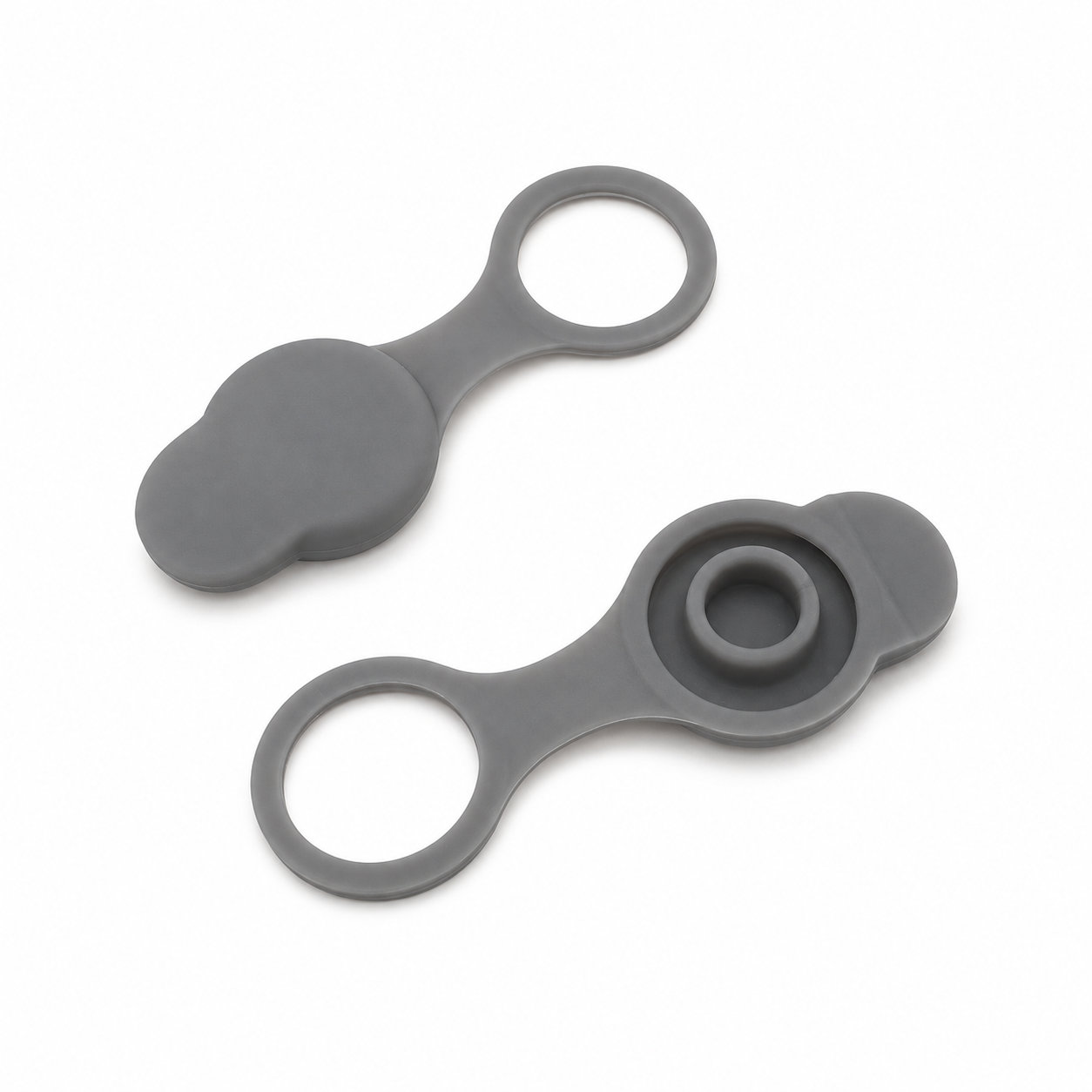
Custom manufacturing example · Waterproof silicone cover anti dust usb plug
CUSTOM RUBBER & SILICONE MANUFACTURING
A custom component for your assembly.
Define the mating surfaces, dimensions and working conditions. ETOL manufactures the part to the agreed design and material.
Share the part, its application and your estimated quantity.

Selected for the contact, temperature and movement
Define the visible surfaces and intended color
Develop holes, lips and walls around the mating parts
Match the attachment and installation method
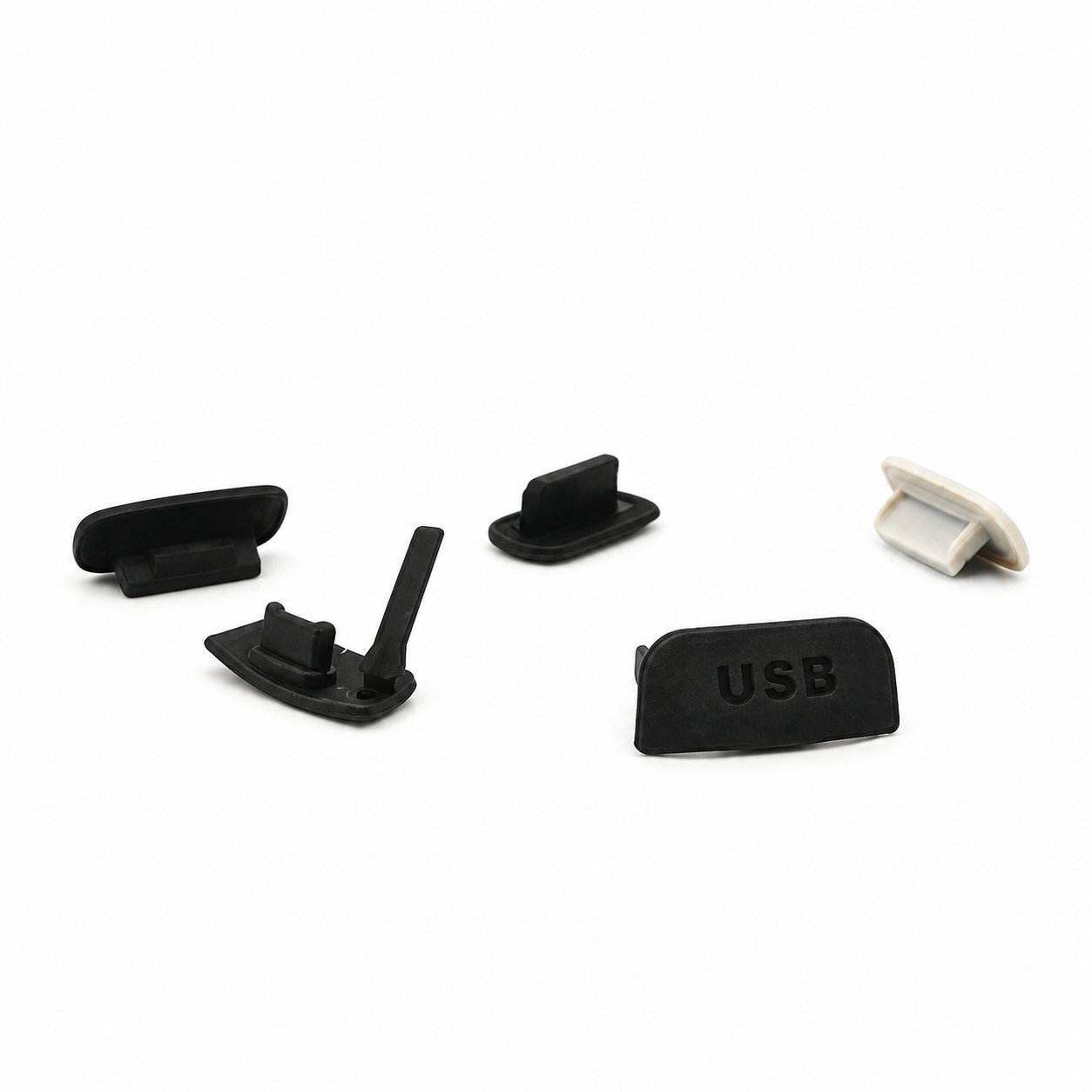
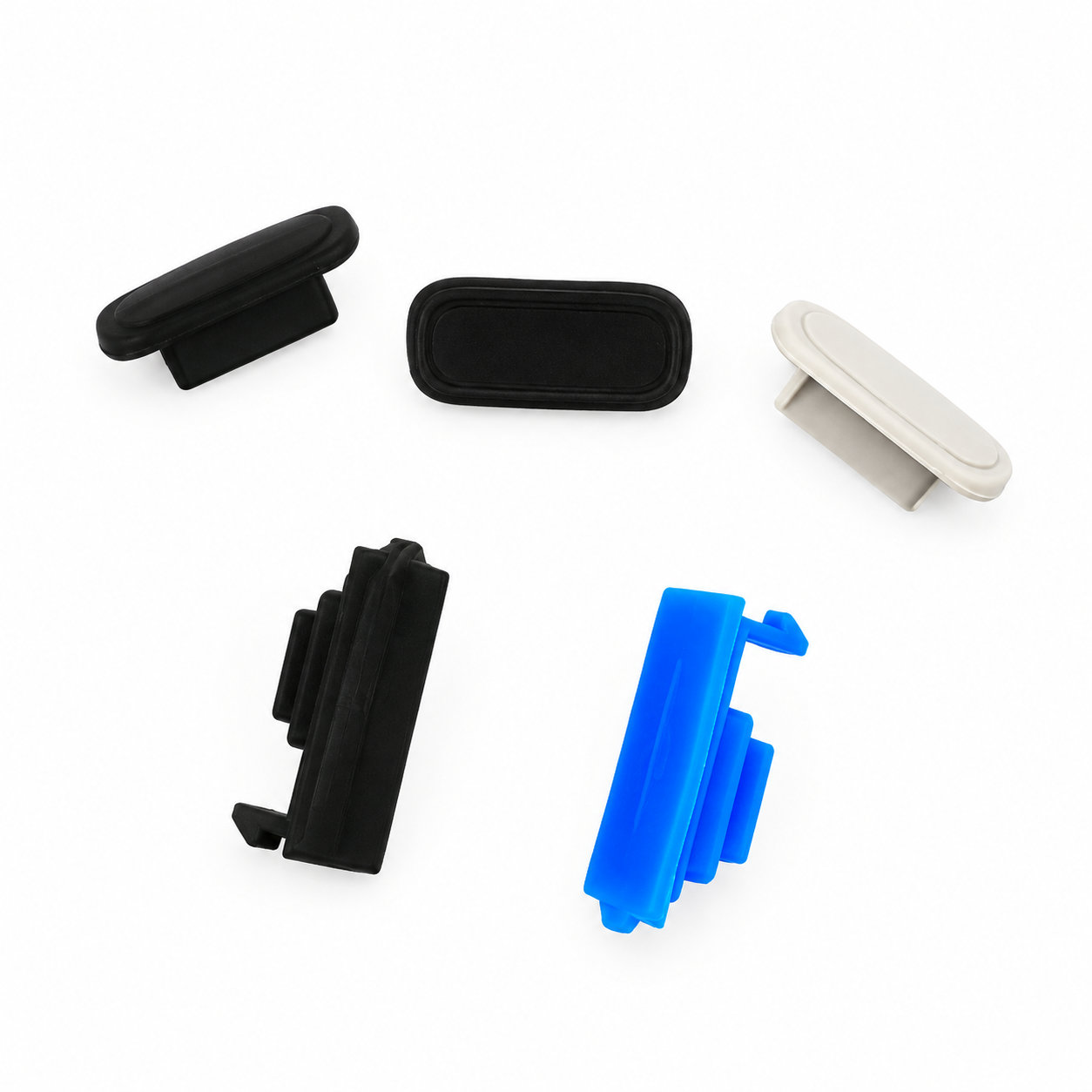
The waterproof silicone cover is presented as an anti-dust USB plug for a matching opening. Its practical role is to close the port when a cable is absent. The silicone part can be customized in shape, hardness, dimensions and color, allowing the closure to be developed around the actual equipment interface.
A useful fit starts with the contact perimeter. The plug must reach its intended seating position without being stopped by a neighboring ledge, and its sealing area must remain free of grit. The product name alone does not establish a water depth, exposure duration or ingress protection classification for the finished device.
Before closing a recently exposed port, make sure moisture is not being enclosed behind the plug. Clean the accessible exterior gently and allow it to dry; avoid pushing cleaning tools into the connector contacts.
If users remove the plug often, include that handling pattern in the fit evaluation. Check that the edge remains easy to grasp after repeated closure and that removal does not distort the surrounding port opening. Replace damaged plugs instead of relying on extra insertion force to restore contact.
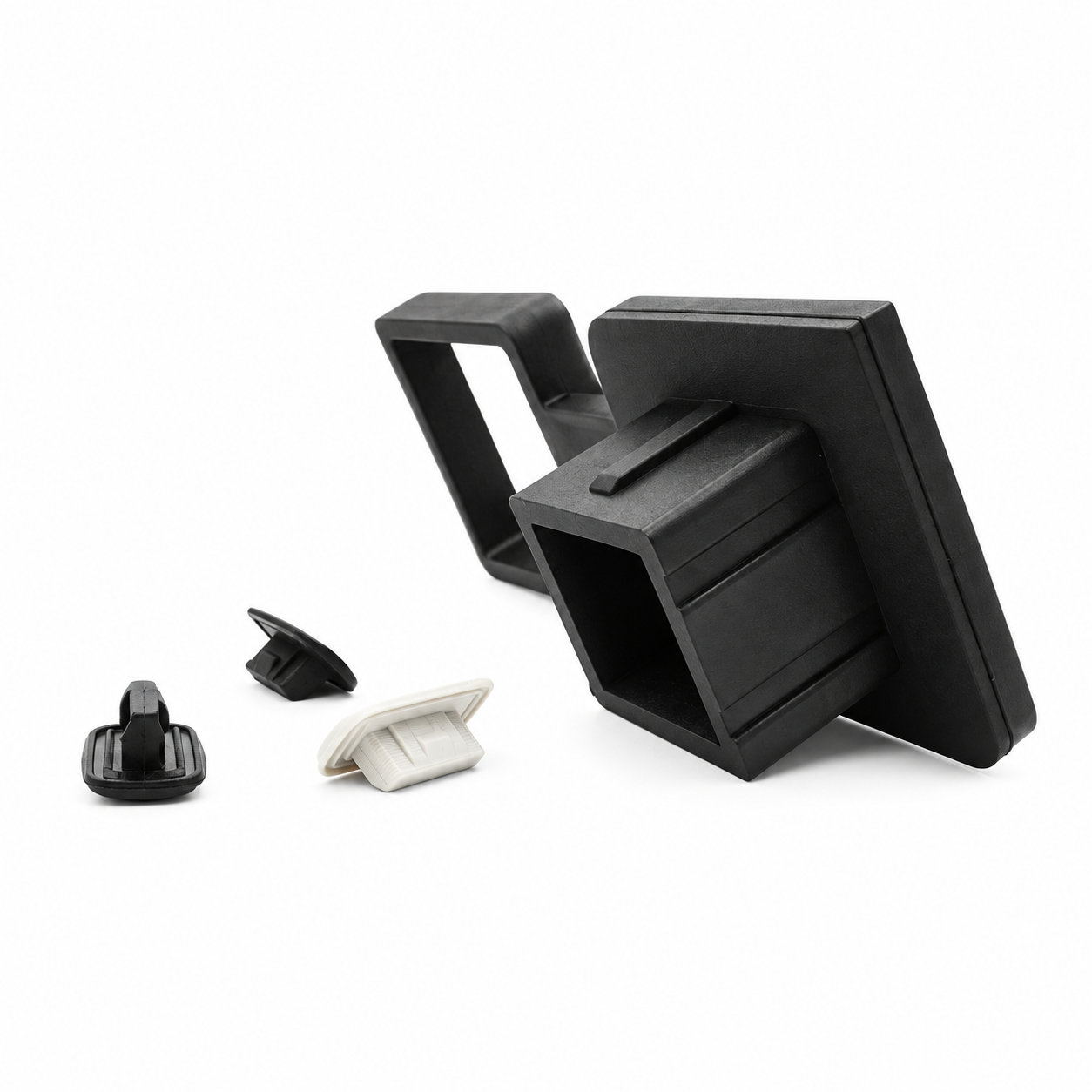
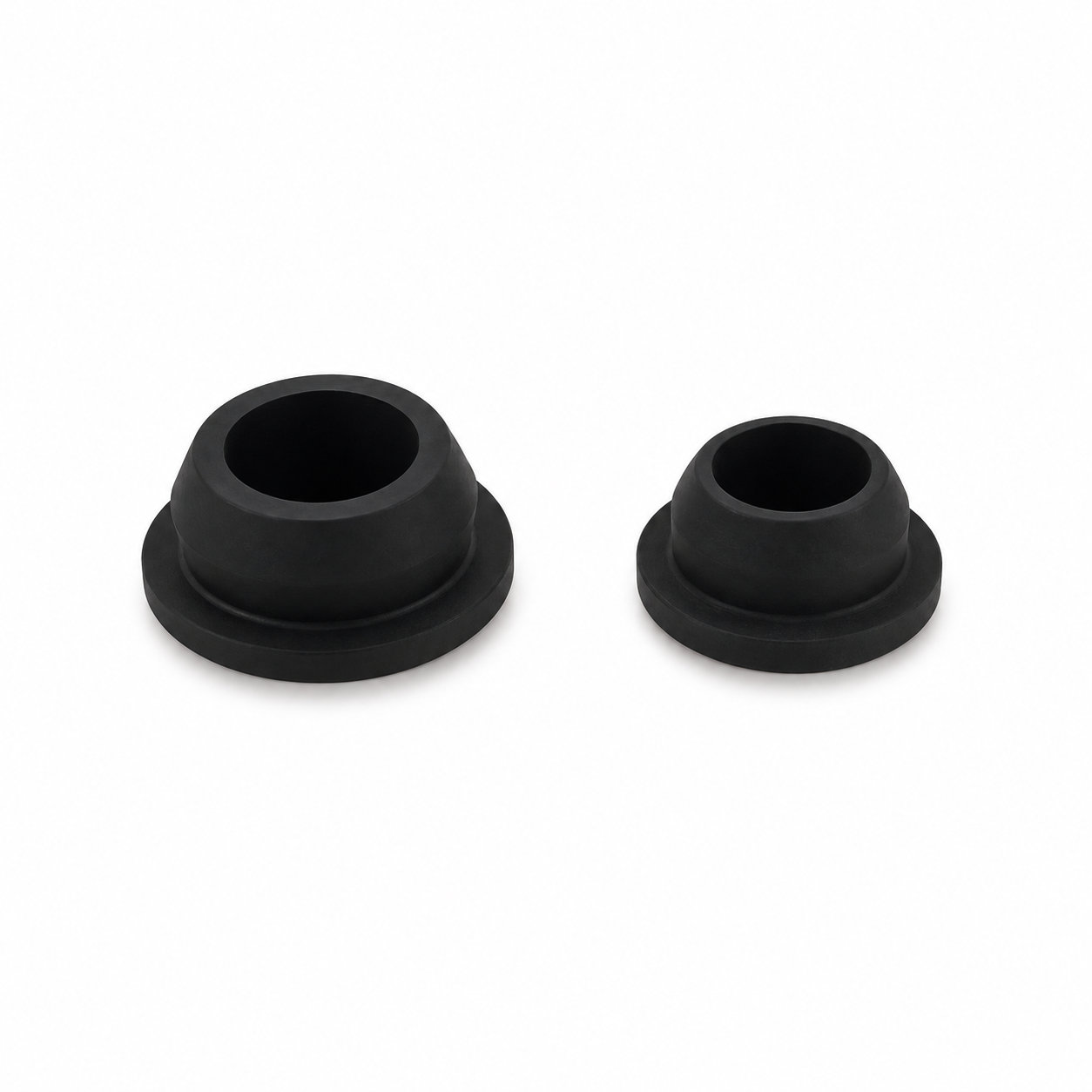
Photos illustrate structure or material appearance only. The silicone part can be customized in shape, hardness, dimensions and color, allowing the closure to be developed around the actual equipment interface. ETOL directly manufactures custom-shaped silicone and rubber parts to your requirements.
Identify key dimensions, mating surfaces and quantity
Agree the compound and manufacturing approach
Review the fit and agreed requirements in the assembly
Manufacture and check against the approved requirements
Identify temperature, contact fluids and repeated movement.
Consider hardness together with wall thickness and support.
Check access, mating dimensions and the fitting sequence.
Yes. Show the receiving opening, contact surfaces and clearance limits. We can review the dimensions and retaining features around the intended fit.
Agree the critical dimensions, material, hardness, visible surfaces and sample requirements. Explain how the part is installed and which interfaces control its function.
A sample can help explain the structure. Compare it with the assembly because wear, swelling or compression may have changed its original dimensions.
The material, part geometry, tooling, quantity and finishing affect the quotation. Include the intended batch size and delivery destination when describing your requirements.
DISCUSS THIS COMPONENT
Share the fit, operating conditions and quantity with our manufacturing team.
EXPLORE RELATED DESIGNS
Explore similar part structures and applications for your next project.