Working conditions
Identify temperature, contact fluids and repeated movement.

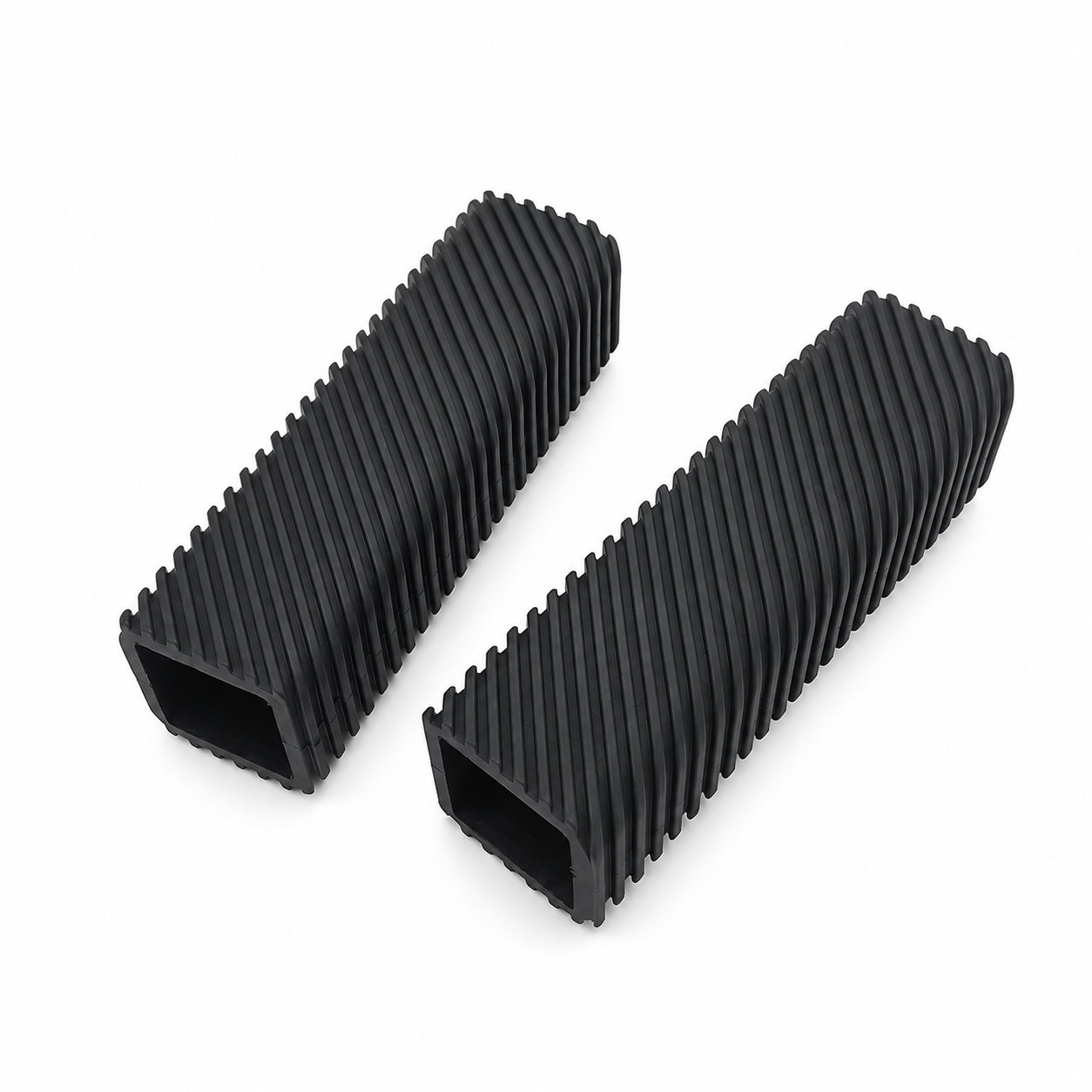
Custom manufacturing example · Wear resistant silicone square rubber handle
CUSTOM RUBBER & SILICONE MANUFACTURING
A custom component for your assembly.
Define the mating surfaces, dimensions and working conditions. ETOL manufactures the part to the agreed design and material.
Share the part, its application and your estimated quantity.

Selected for the contact, temperature and movement
Define the visible surfaces and intended color
Develop holes, lips and walls around the mating parts
Match the attachment and installation method
A square rubber handle offers defined faces and corners rather than a fully round hand contact profile. That shape can help establish orientation, but the corner geometry needs to suit the intended hold. A pronounced corner that is useful for locating the hand may become uncomfortable when force is applied over a smaller contact area.
Consider the supporting section and the direction in which the handle will be used. The internal fit should keep the square profile aligned, and the molded corners need enough room during assembly to avoid being pinched or stretched unevenly. End transitions should not introduce an abrupt step where the hand closes around the grip.
Try the completed handle with the relevant pushing, pulling, or turning action. Check contact on both the broad faces and the corners rather than assessing softness with a single straight squeeze. Wear can appear first at exposed edges, so inspect those areas for thinning or cuts. Any looseness between the grip and its support should be corrected before the square profile begins to rotate out of its intended orientation.
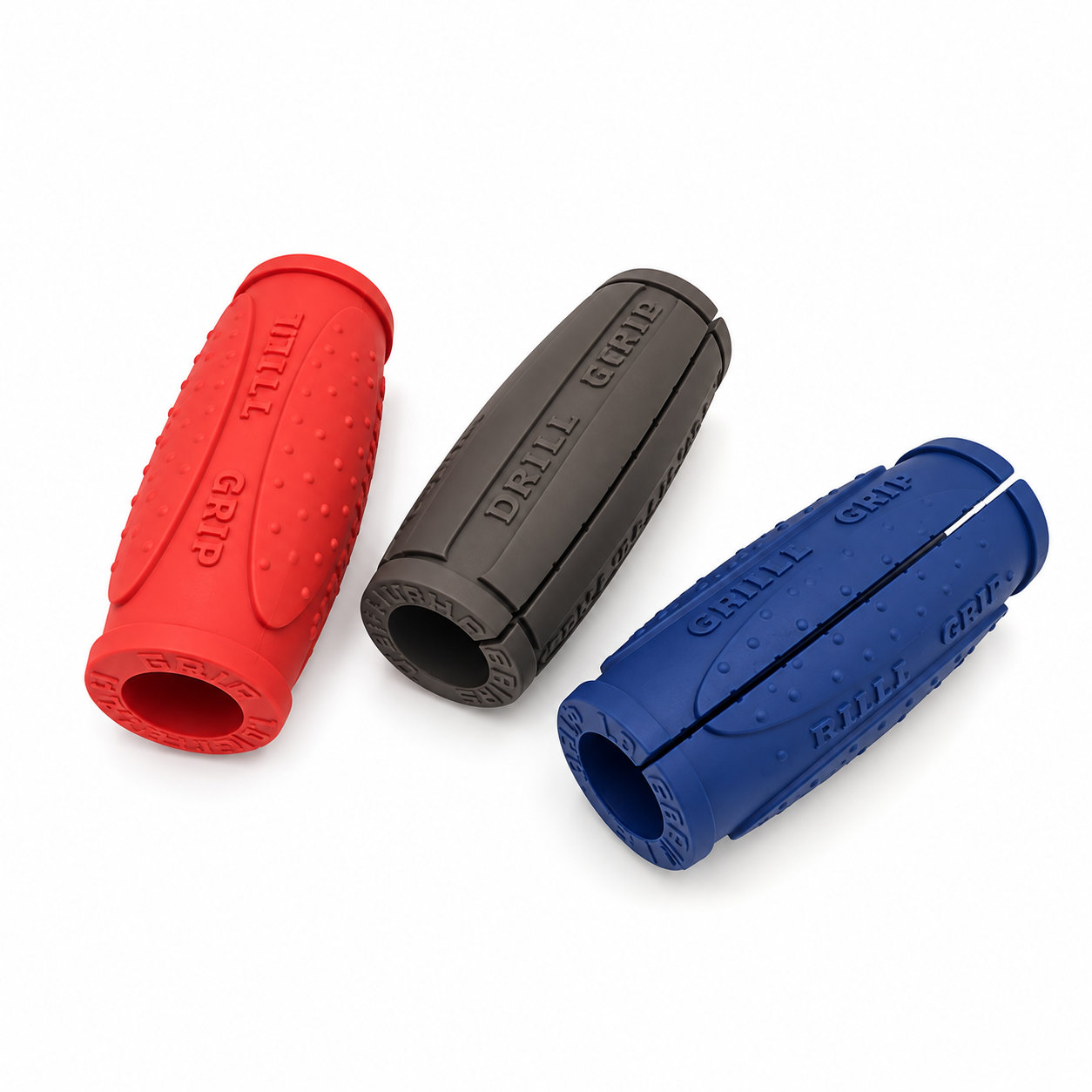
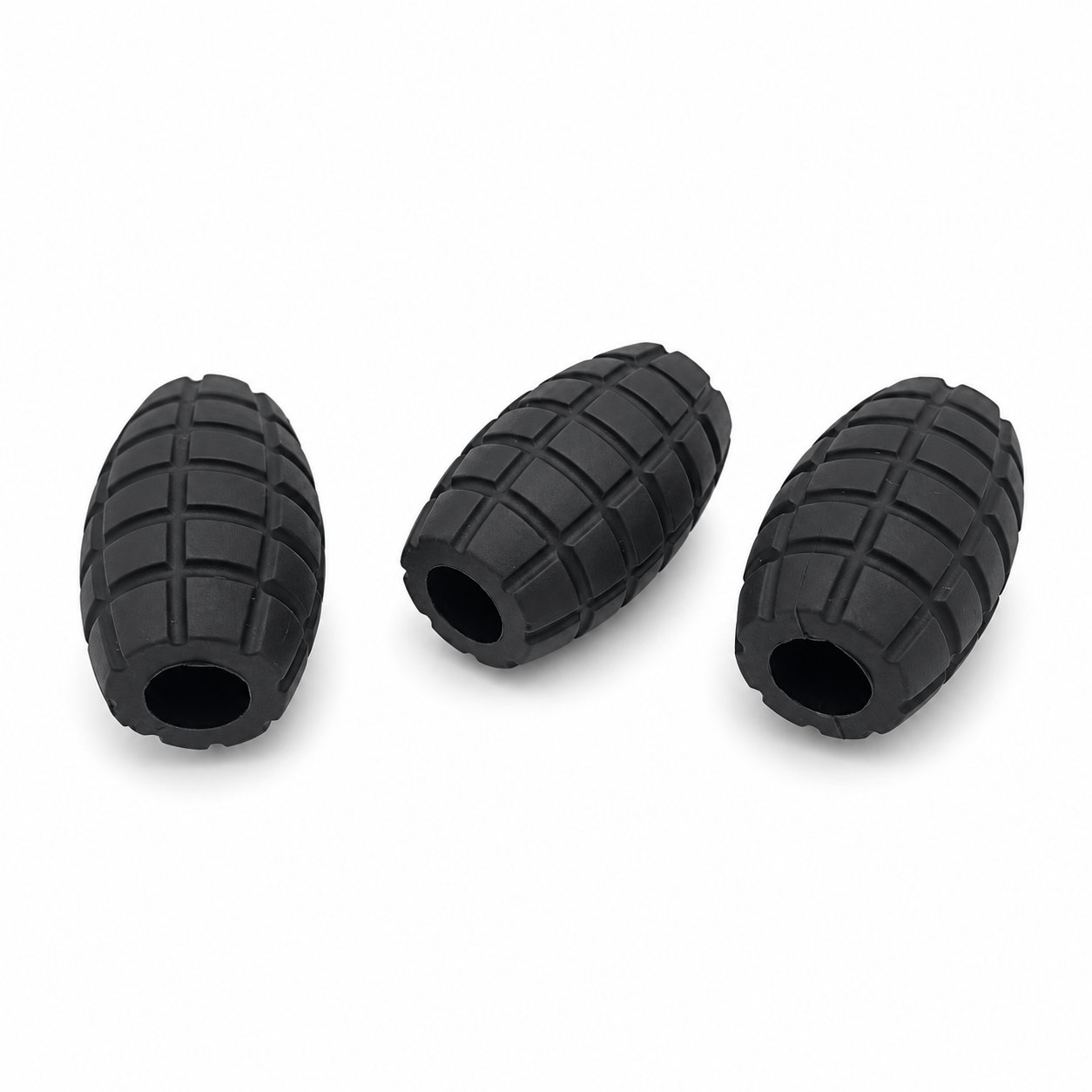
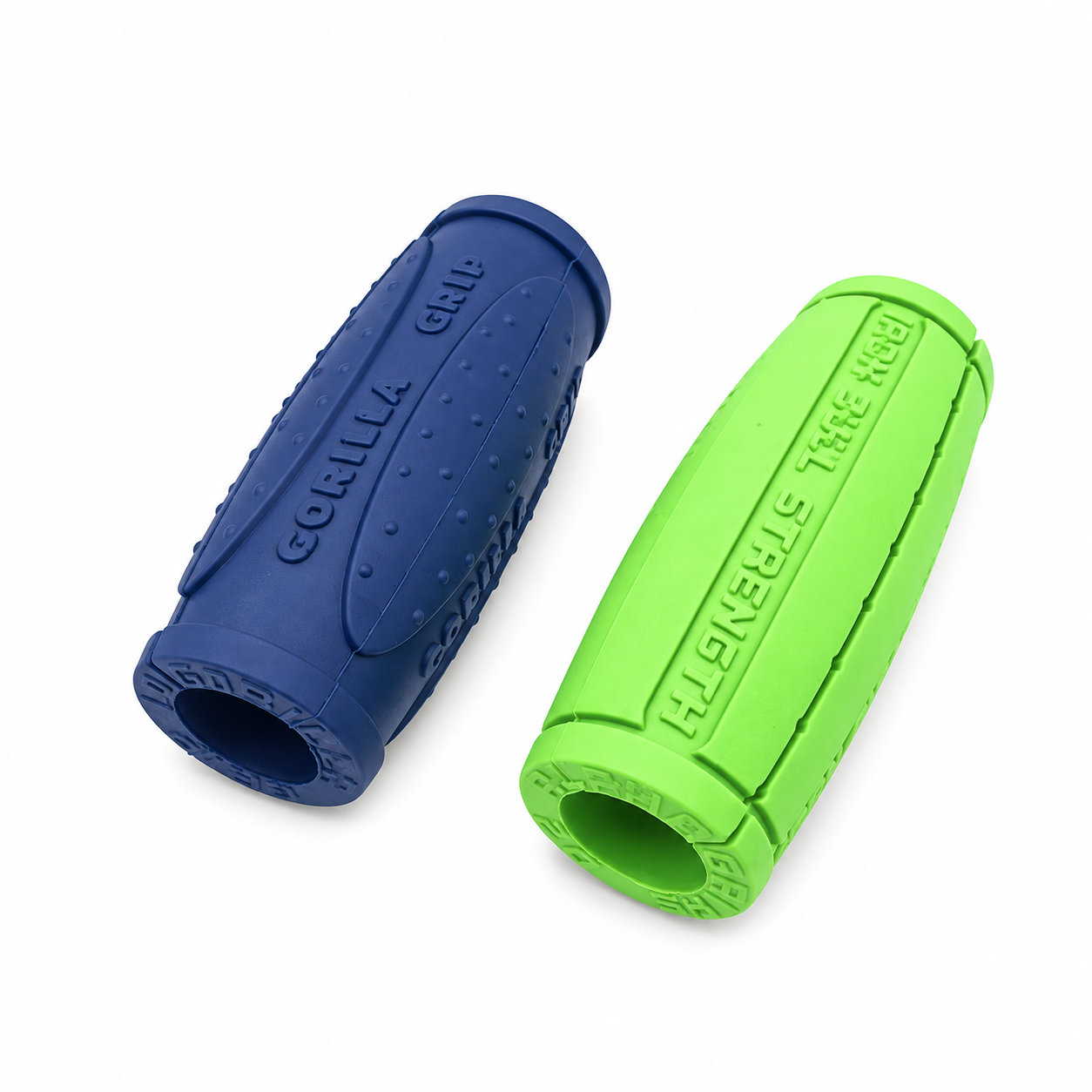
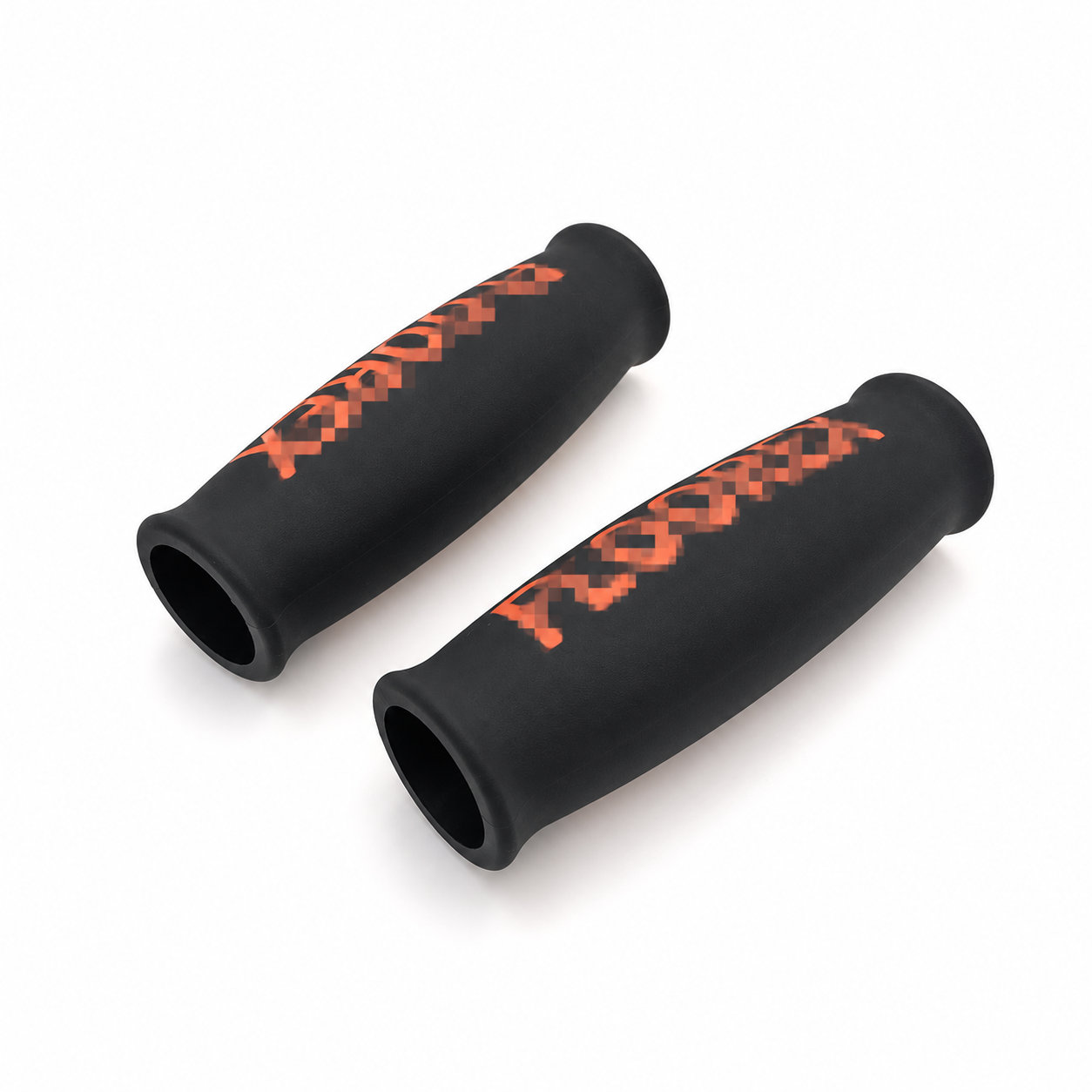
Photos illustrate structure or material only. A pronounced corner that is useful for locating the hand may become uncomfortable when force is applied over a smaller contact area. ETOL directly manufactures custom-shaped silicone and rubber parts to your requirements.
Identify key dimensions, mating surfaces and quantity
Agree the compound and manufacturing approach
Review the fit and agreed requirements in the assembly
Manufacture and check against the approved requirements
Identify temperature, contact fluids and repeated movement.
Consider hardness together with wall thickness and support.
Check access, mating dimensions and the fitting sequence.
Yes. Show the receiving opening, contact surfaces and clearance limits. We can review the dimensions and retaining features around the intended fit.
Agree the critical dimensions, material, hardness, visible surfaces and sample requirements. Explain how the part is installed and which interfaces control its function.
A sample can help explain the structure. Compare it with the assembly because wear, swelling or compression may have changed its original dimensions.
The material, part geometry, tooling, quantity and finishing affect the quotation. Include the intended batch size and delivery destination when describing your requirements.
DISCUSS THIS COMPONENT
Share the fit, operating conditions and quantity with our manufacturing team.
EXPLORE RELATED DESIGNS
Explore similar part structures and applications for your next project.