Working conditions
Identify temperature, contact fluids and repeated movement.

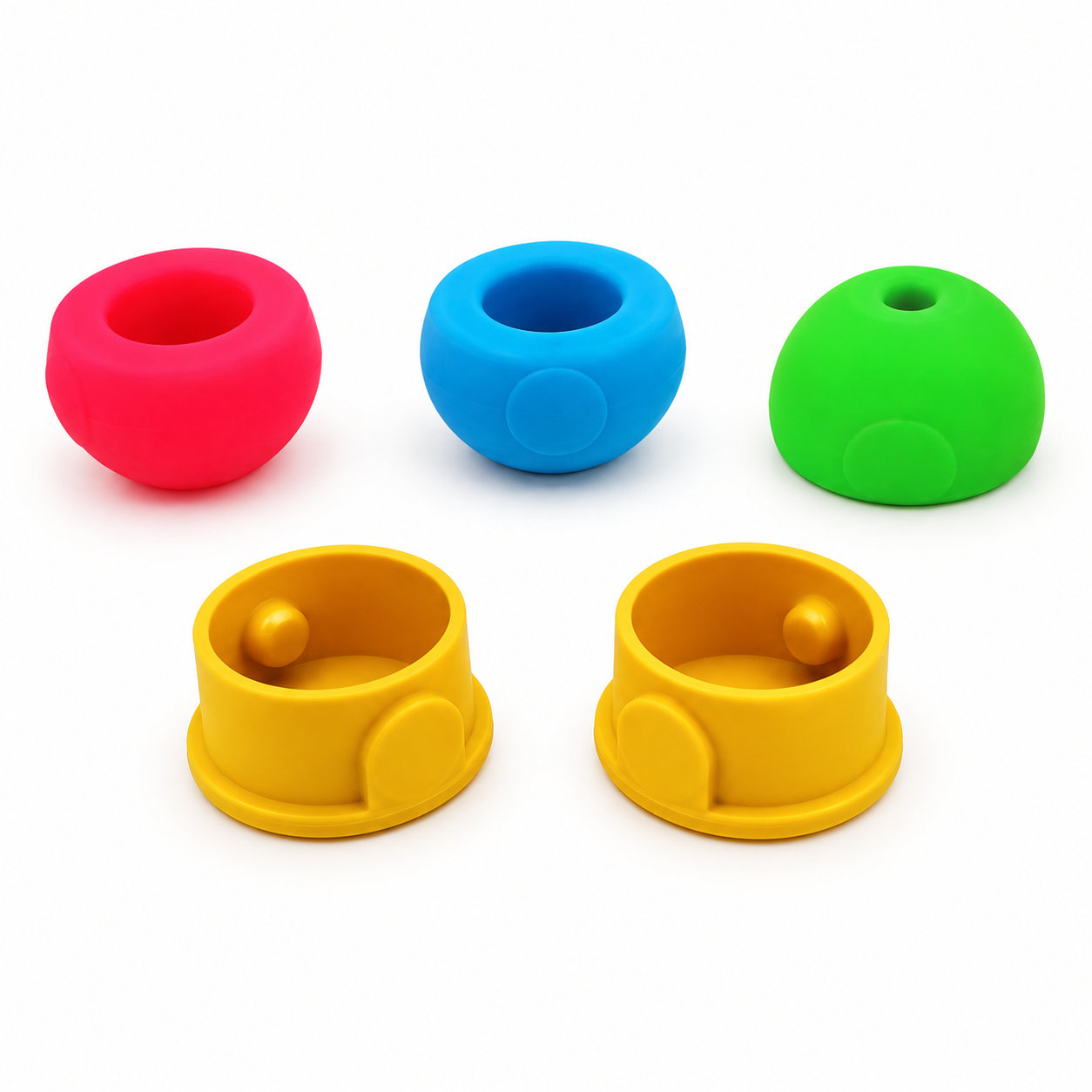
Custom manufacturing example · Wholesale rubber chair leg tips,protective rubber feet
CUSTOM RUBBER & SILICONE MANUFACTURING
A custom component for your assembly.
Define the mating surfaces, dimensions and working conditions. ETOL manufactures the part to the agreed design and material.
Share the part, its application and your estimated quantity.
Selected for the contact, temperature and movement
Define the visible surfaces and intended color
Develop holes, lips and walls around the mating parts
Match the attachment and installation method
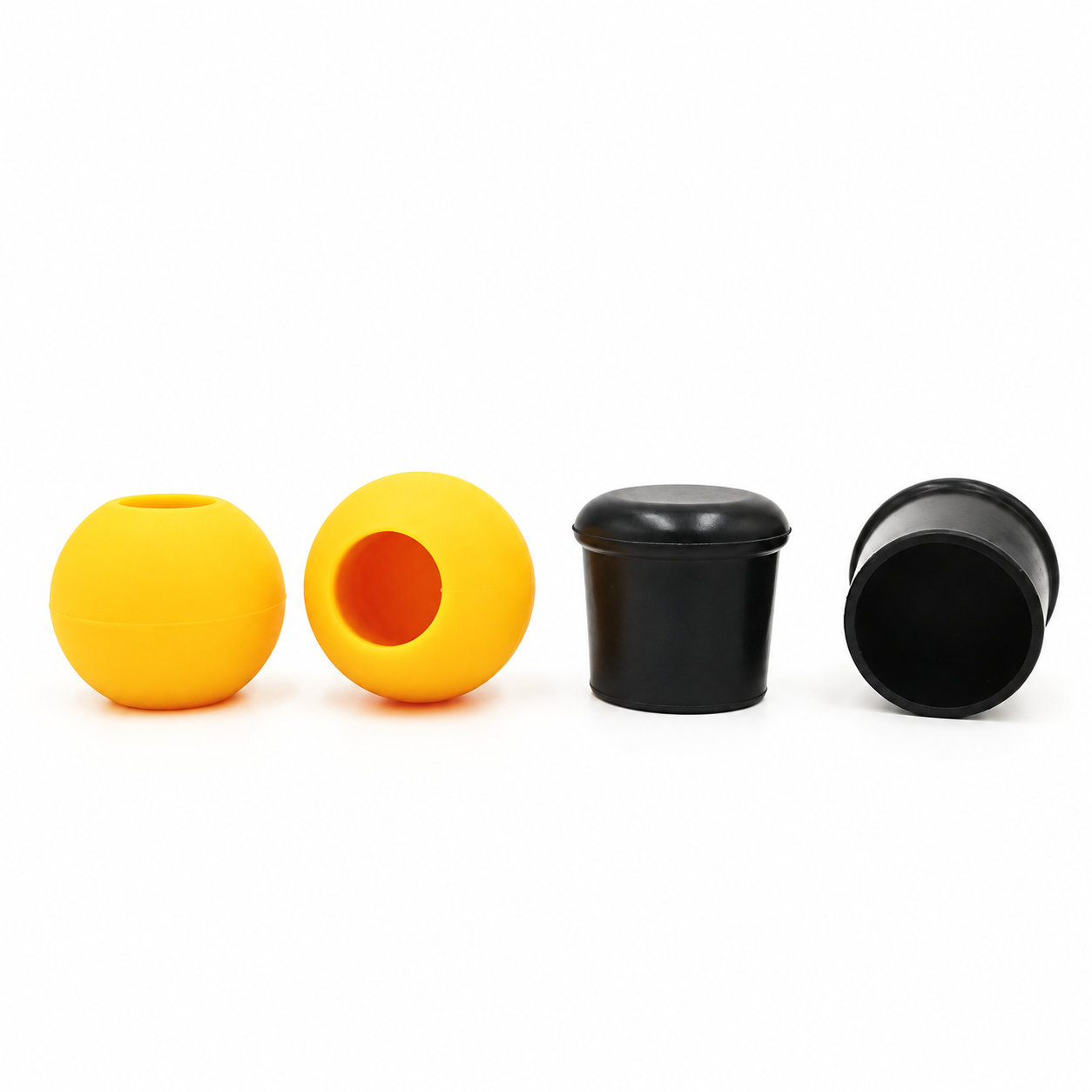
Rubber chair leg tips are useful replacement parts for a group of chairs when their receiving dimensions match the actual legs. Chairs that look alike can have different tube sizes or end profiles, so selecting one tip for an entire set should begin with checking representative legs and any model variations.
Compare the opening shape, insertion depth and base thickness. A cover that fits one chair tightly may sit loosely on another, while a different internal depth can change the finished seating height. Keep the selected tip associated with the chair profile it is intended to serve so later replacements remain consistent.
Prepare leg ends by removing trapped dirt and addressing sharp damage before fitting. Check each completed chair on a level surface rather than assuming matching outer appearances guarantee even support. Routine inspection of the underside helps catch wear before the leg itself reaches the floor. Replace loosened tips promptly, since a cover that falls away during movement can leave a hard edge exposed without being immediately noticed.
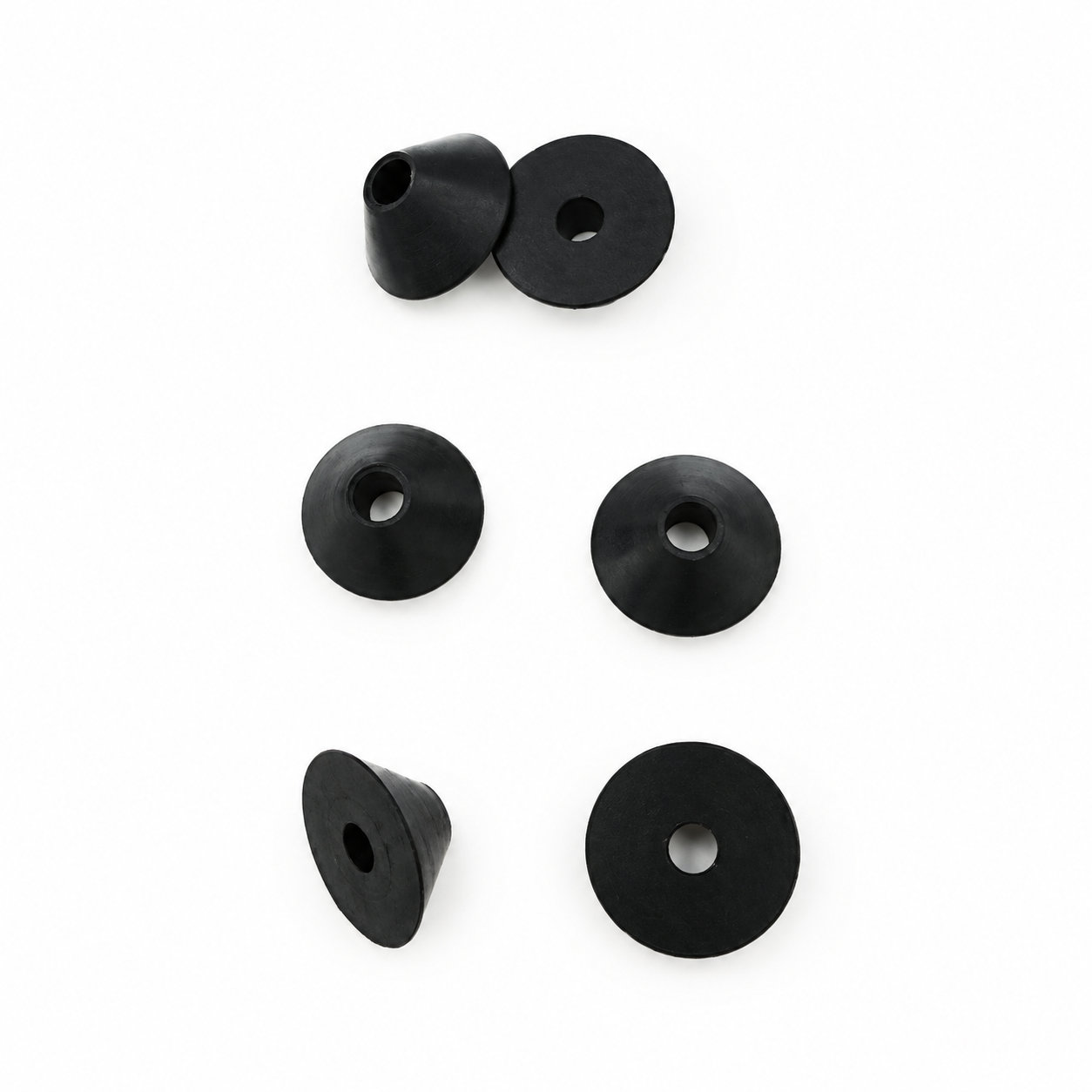
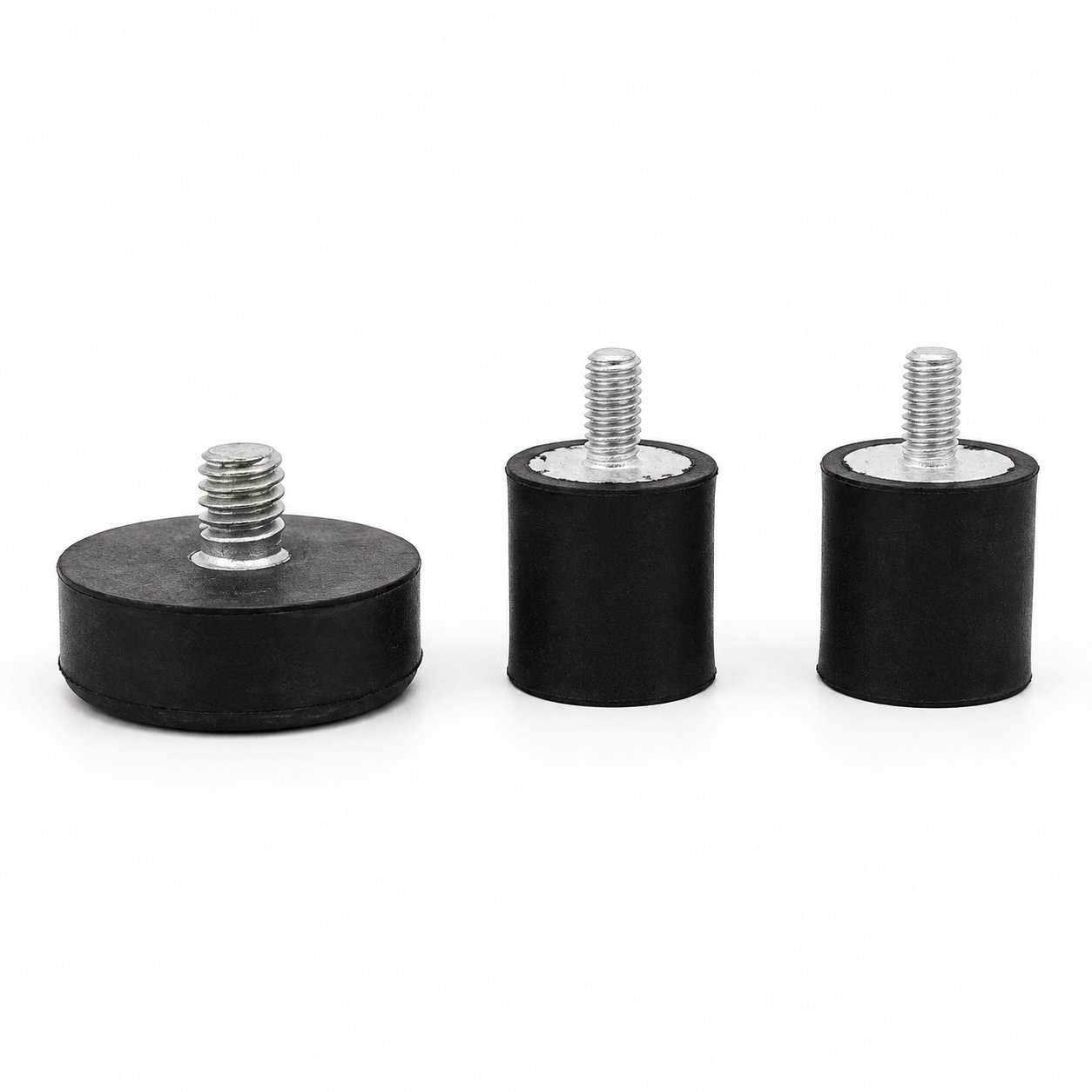
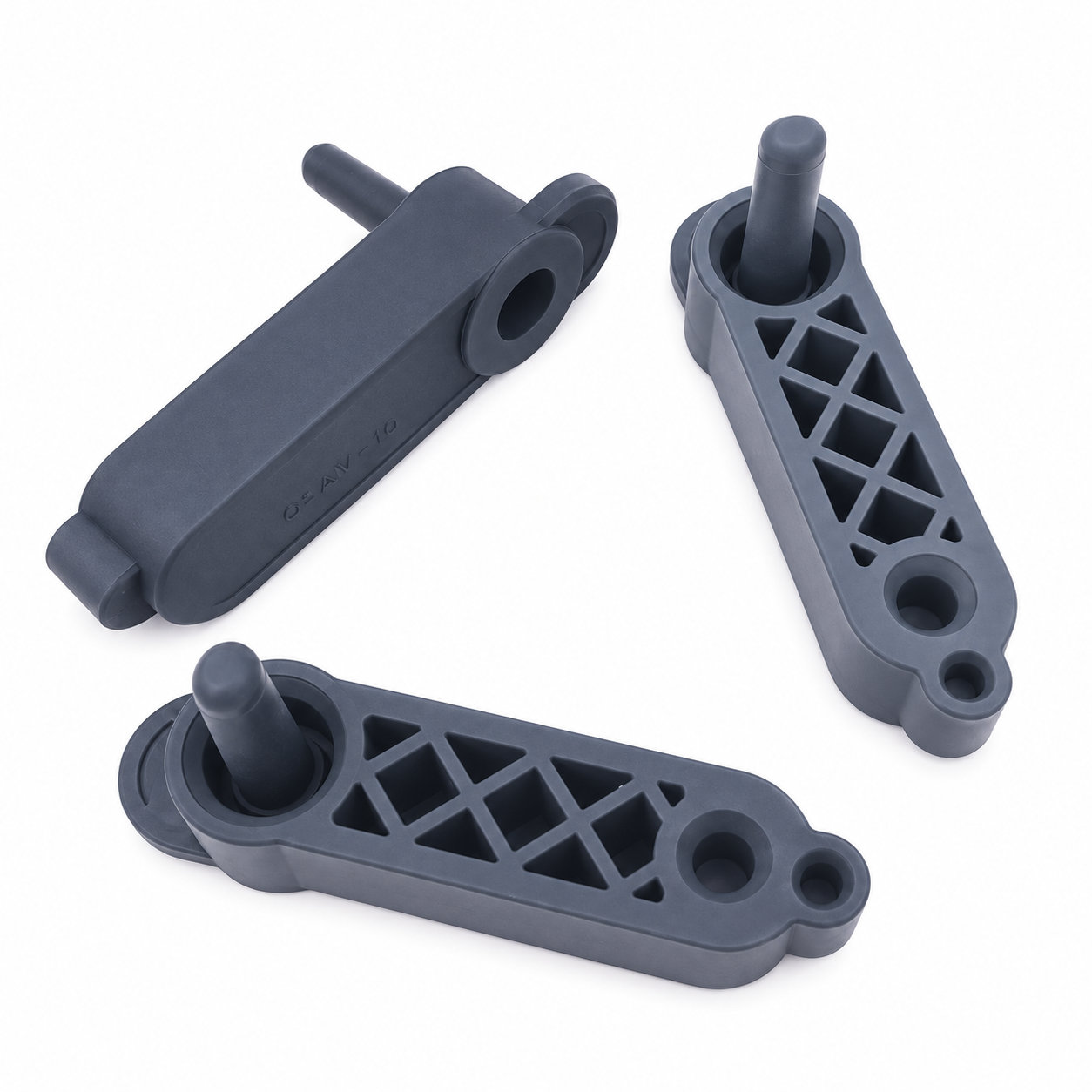
Photos illustrate structure or material only. A cover that fits one chair tightly may sit loosely on another, while a different internal depth can change the finished seating height. ETOL directly manufactures custom-shaped silicone and rubber parts to your requirements.
Identify key dimensions, mating surfaces and quantity
Agree the compound and manufacturing approach
Review the fit and agreed requirements in the assembly
Manufacture and check against the approved requirements
Identify temperature, contact fluids and repeated movement.
Consider hardness together with wall thickness and support.
Check access, mating dimensions and the fitting sequence.
Yes. Show the receiving opening, contact surfaces and clearance limits. We can review the dimensions and retaining features around the intended fit.
Agree the critical dimensions, material, hardness, visible surfaces and sample requirements. Explain how the part is installed and which interfaces control its function.
A sample can help explain the structure. Compare it with the assembly because wear, swelling or compression may have changed its original dimensions.
The material, part geometry, tooling, quantity and finishing affect the quotation. Include the intended batch size and delivery destination when describing your requirements.
DISCUSS THIS COMPONENT
Share the fit, operating conditions and quantity with our manufacturing team.
EXPLORE RELATED DESIGNS
Explore similar part structures and applications for your next project.