Working conditions
Identify temperature, contact fluids and repeated movement.

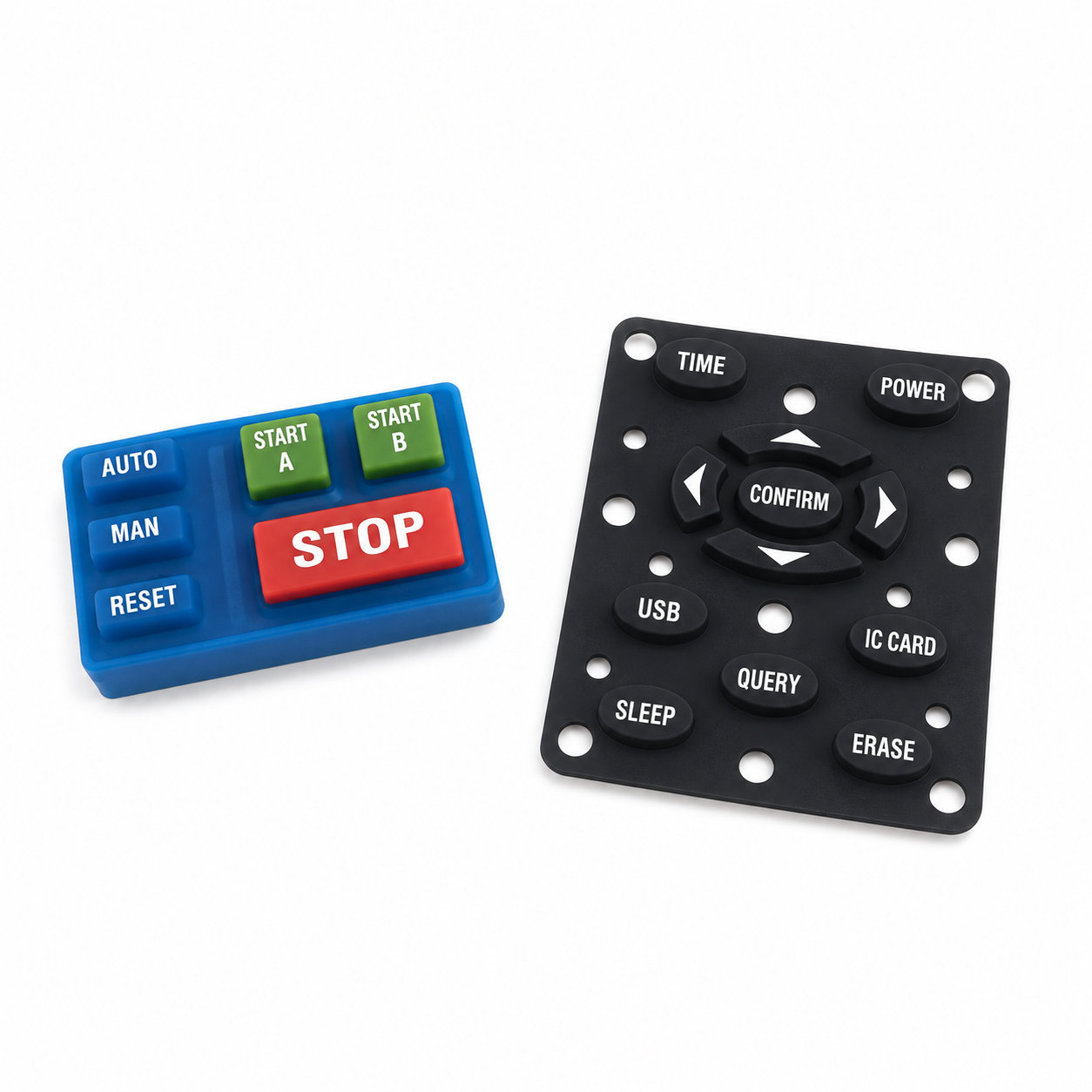
Custom manufacturing example · Custom electronic silicone membrane keypad
CUSTOM RUBBER & SILICONE MANUFACTURING
A custom component for your assembly.
Define the mating surfaces, dimensions and working conditions. ETOL manufactures the part to the agreed design and material.
Share the part, its application and your estimated quantity.

Selected for the contact, temperature and movement
Define the visible surfaces and intended color
Develop holes, lips and walls around the mating parts
Match the attachment and installation method
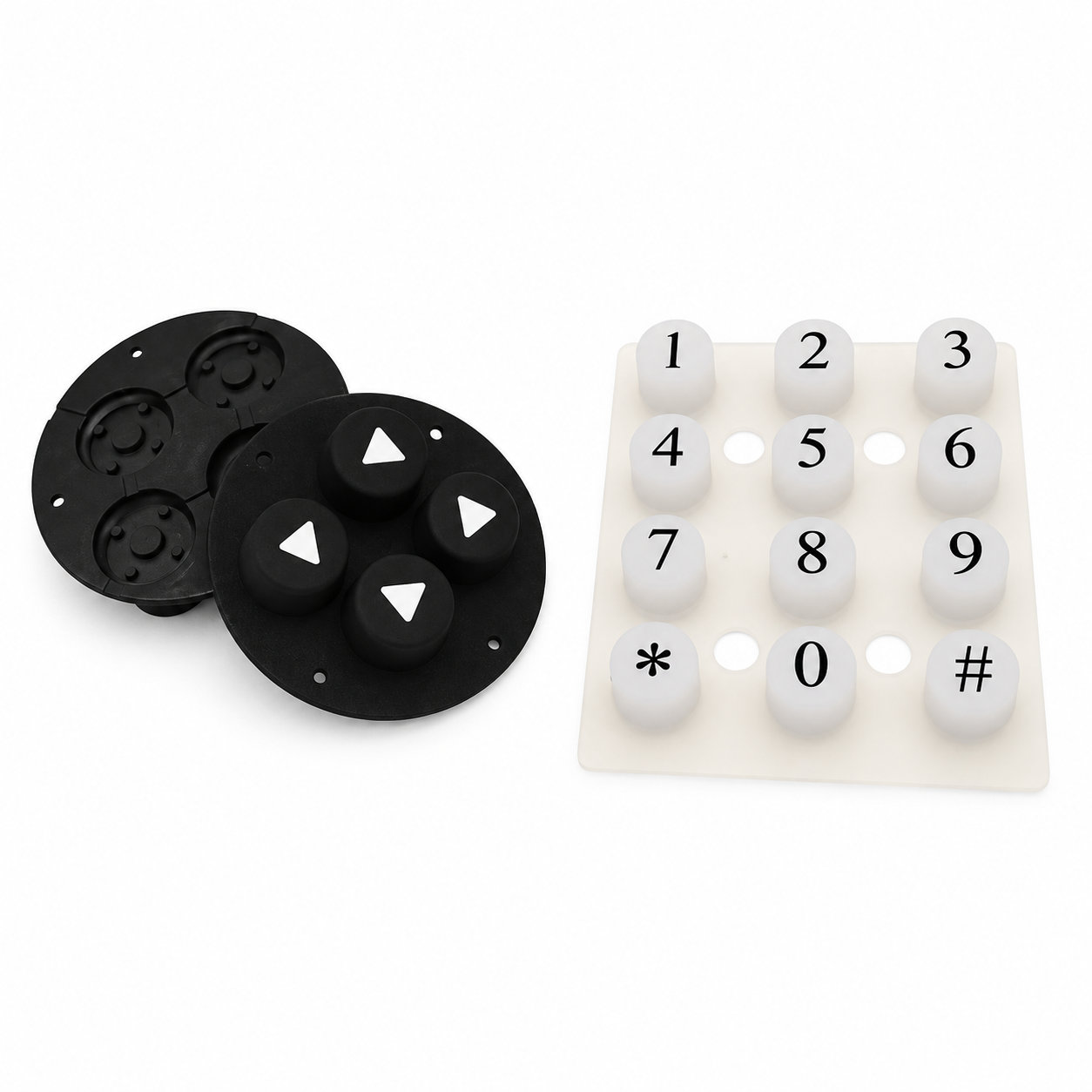
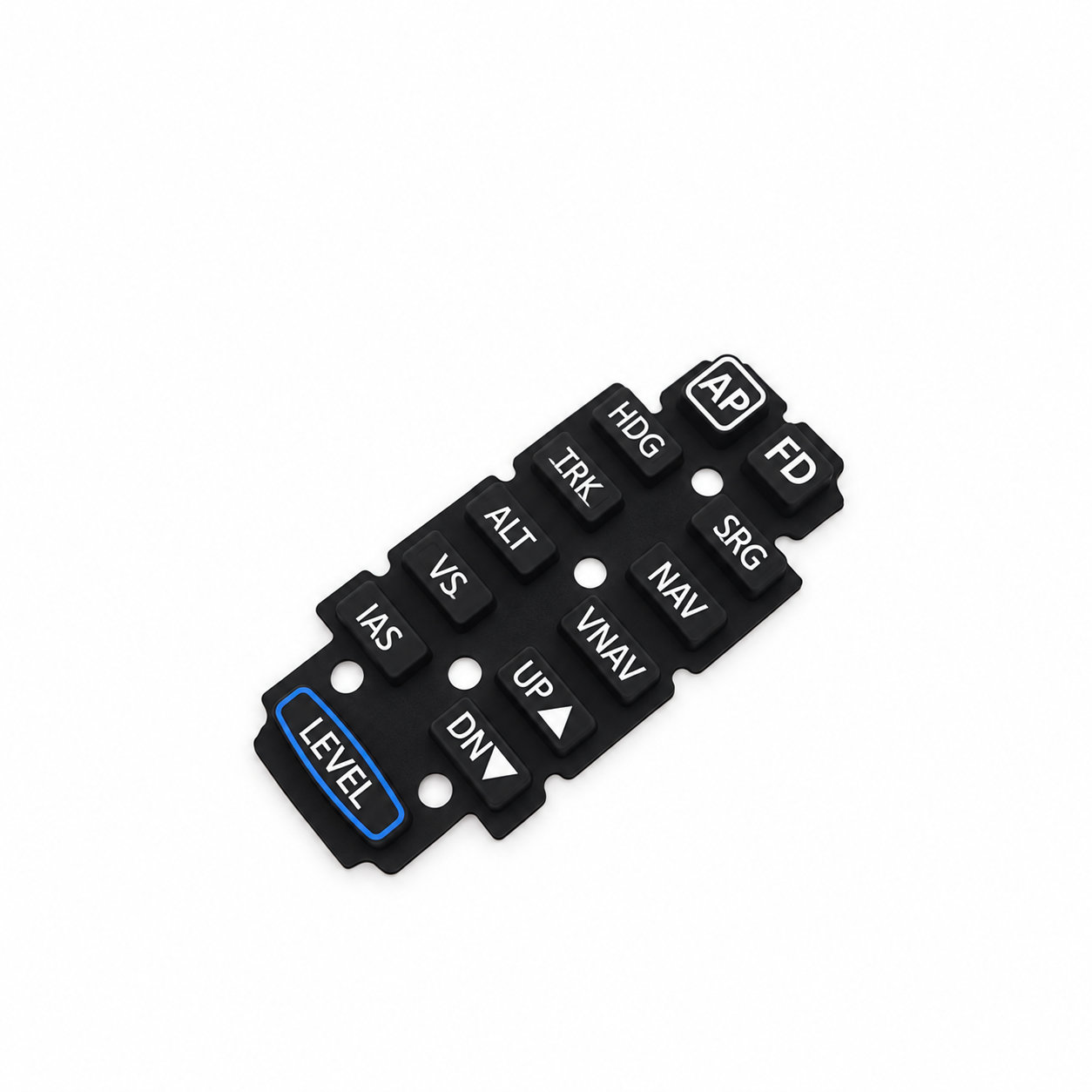
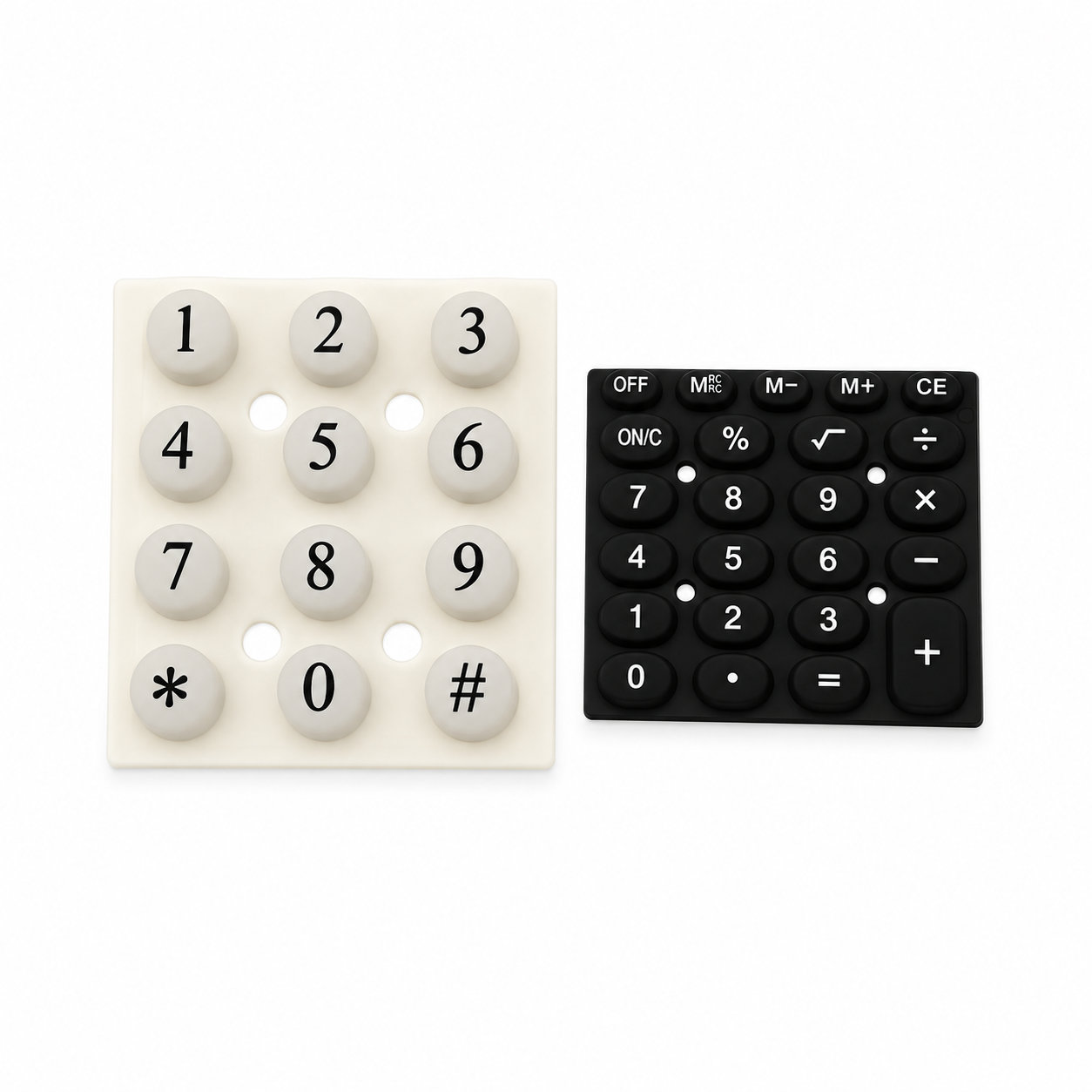
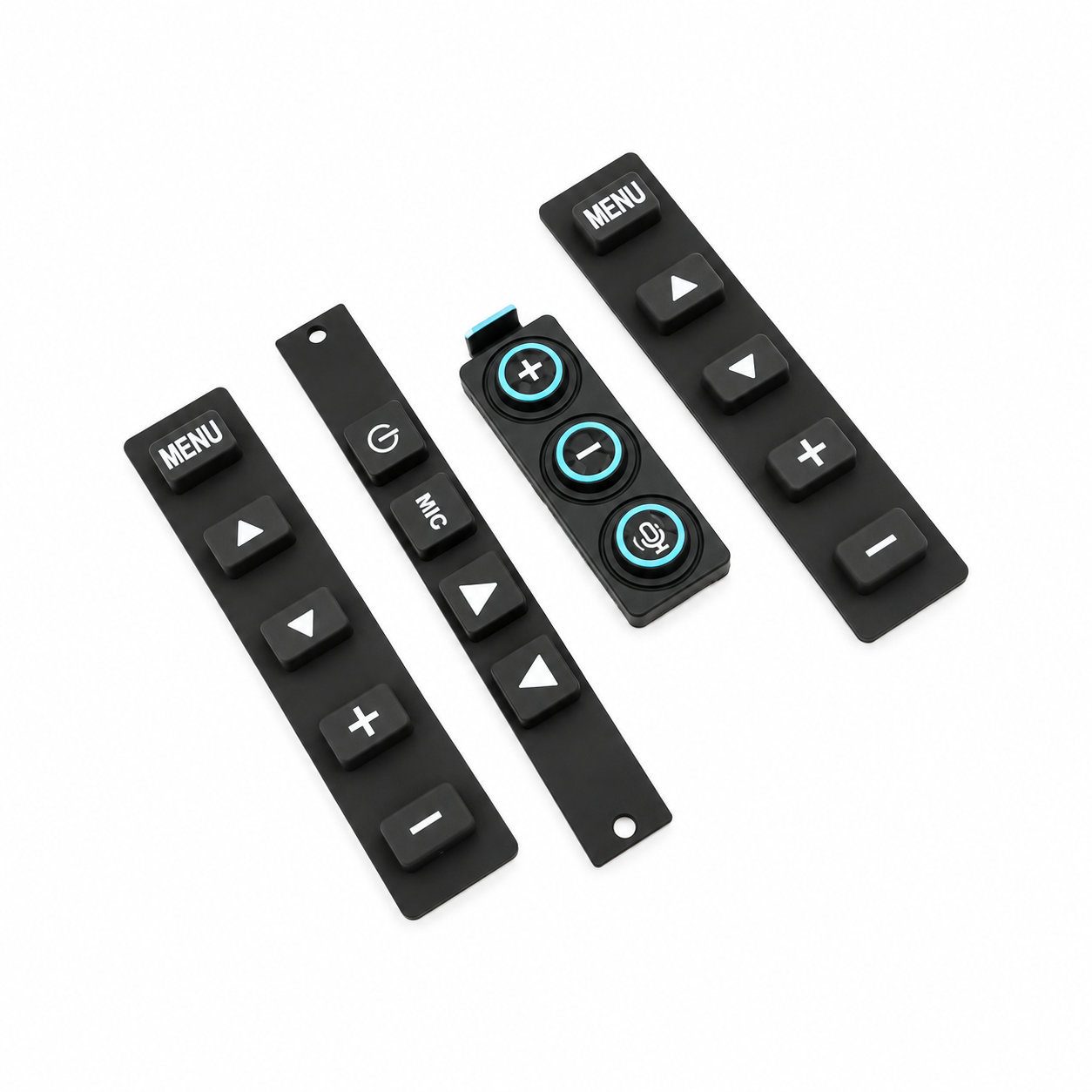
A silicone membrane keypad uses a flexible molded structure to support the movement of its keys within an electronic interface. The thin connecting areas around the keys need room to flex and return, while the surrounding portion must remain located in the enclosure. This balance between support and movement is central to a usable control surface.
Prepare a section through an individual key and the neighboring housing. Show the available travel, the resting position and any surface that supports the outer membrane. Pay particular attention to narrow gaps near the flexible web: an edge that presses against the rubber can alter how a key moves even when the key top clears the front opening. Review corner keys as well as those in the center of the layout.
The product can be customized in structure, dimensions, hardness and color, with printing or laser marking considered for the required legends. ETOL will need the enclosure relationship as well as the visible key layout to review a sample. Define whether the molded part includes a conductive contact arrangement or works with another switching component; the term membrane keypad alone does not fully describe the electrical construction.
When installing a silicone membrane keypad, avoid pulling on individual keys to force the perimeter into position. Check for folds or trapped sections before securing the housing. Test the interface with its intended internal components and observe the return of each key after release. During sample review, compare operation before and after the enclosure is fully fastened to identify interference from the surrounding structure. Keep damaged or stretched samples separate from approved references. A development package that includes the key section, housing supports and desired movement will help connect the flexible membrane design to the actual assembled controls.
Photos illustrate structure or material only. A silicone membrane keypad uses a flexible molded structure to support the movement of its keys within an electronic interface. ETOL directly manufactures custom-shaped silicone and rubber parts to your requirements.
Identify key dimensions, mating surfaces and quantity
Agree the compound and manufacturing approach
Review the fit and agreed requirements in the assembly
Manufacture and check against the approved requirements
Identify temperature, contact fluids and repeated movement.
Consider hardness together with wall thickness and support.
Check access, mating dimensions and the fitting sequence.
Yes. Show the receiving opening, contact surfaces and clearance limits. We can review the dimensions and retaining features around the intended fit.
Agree the critical dimensions, material, hardness, visible surfaces and sample requirements. Explain how the part is installed and which interfaces control its function.
A sample can help explain the structure. Compare it with the assembly because wear, swelling or compression may have changed its original dimensions.
The material, part geometry, tooling, quantity and finishing affect the quotation. Include the intended batch size and delivery destination when describing your requirements.
DISCUSS THIS COMPONENT
Share the fit, operating conditions and quantity with our manufacturing team.
EXPLORE RELATED DESIGNS
Explore similar part structures and applications for your next project.