Working conditions
Identify temperature, contact fluids and repeated movement.

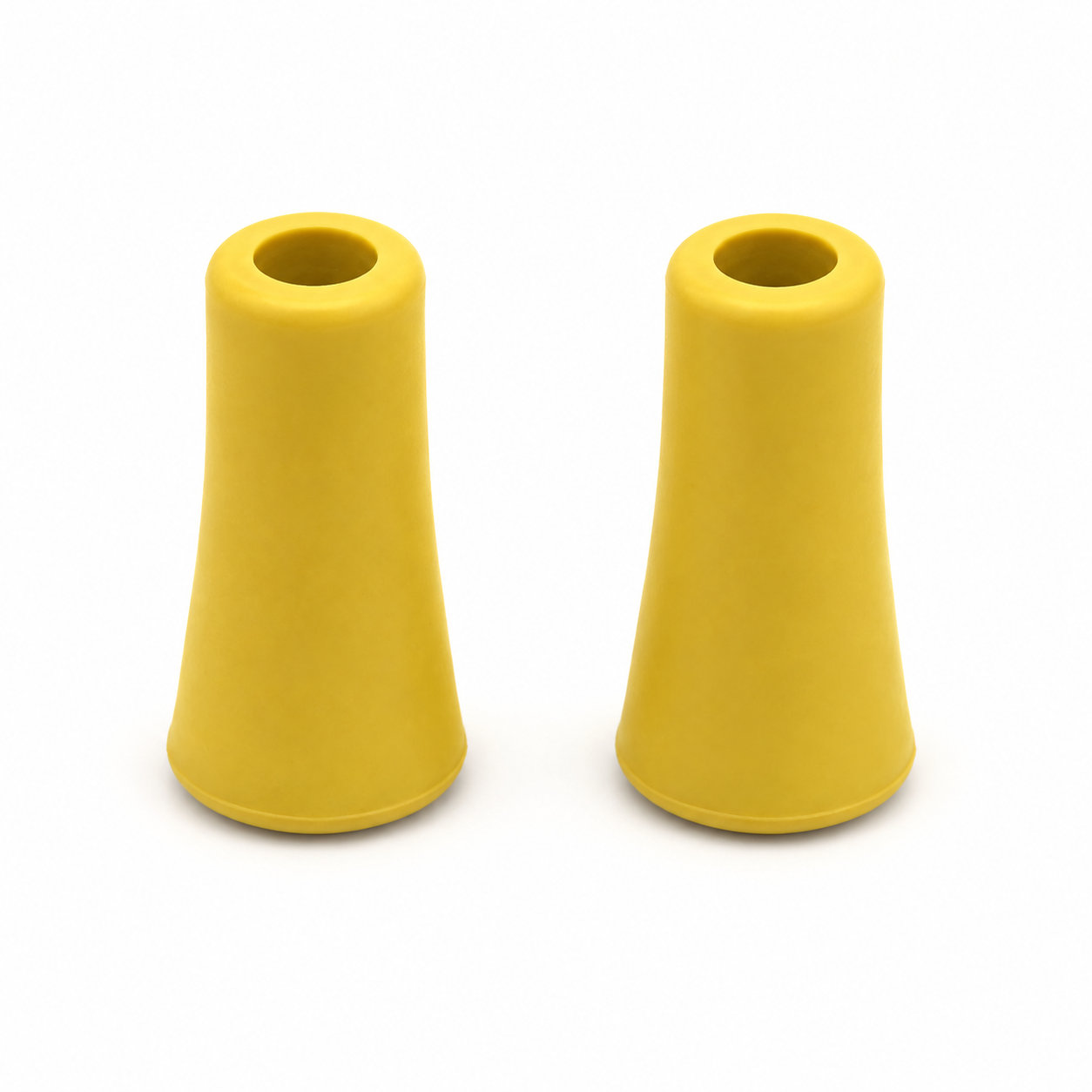
Custom manufacturing example · Chair protector rubber tips silicone extended chair feet
CUSTOM RUBBER & SILICONE MANUFACTURING
A custom component for your assembly.
Define the mating surfaces, dimensions and working conditions. ETOL manufactures the part to the agreed design and material.
Share the part, its application and your estimated quantity.

Selected for the contact, temperature and movement
Define the visible surfaces and intended color
Develop holes, lips and walls around the mating parts
Match the attachment and installation method
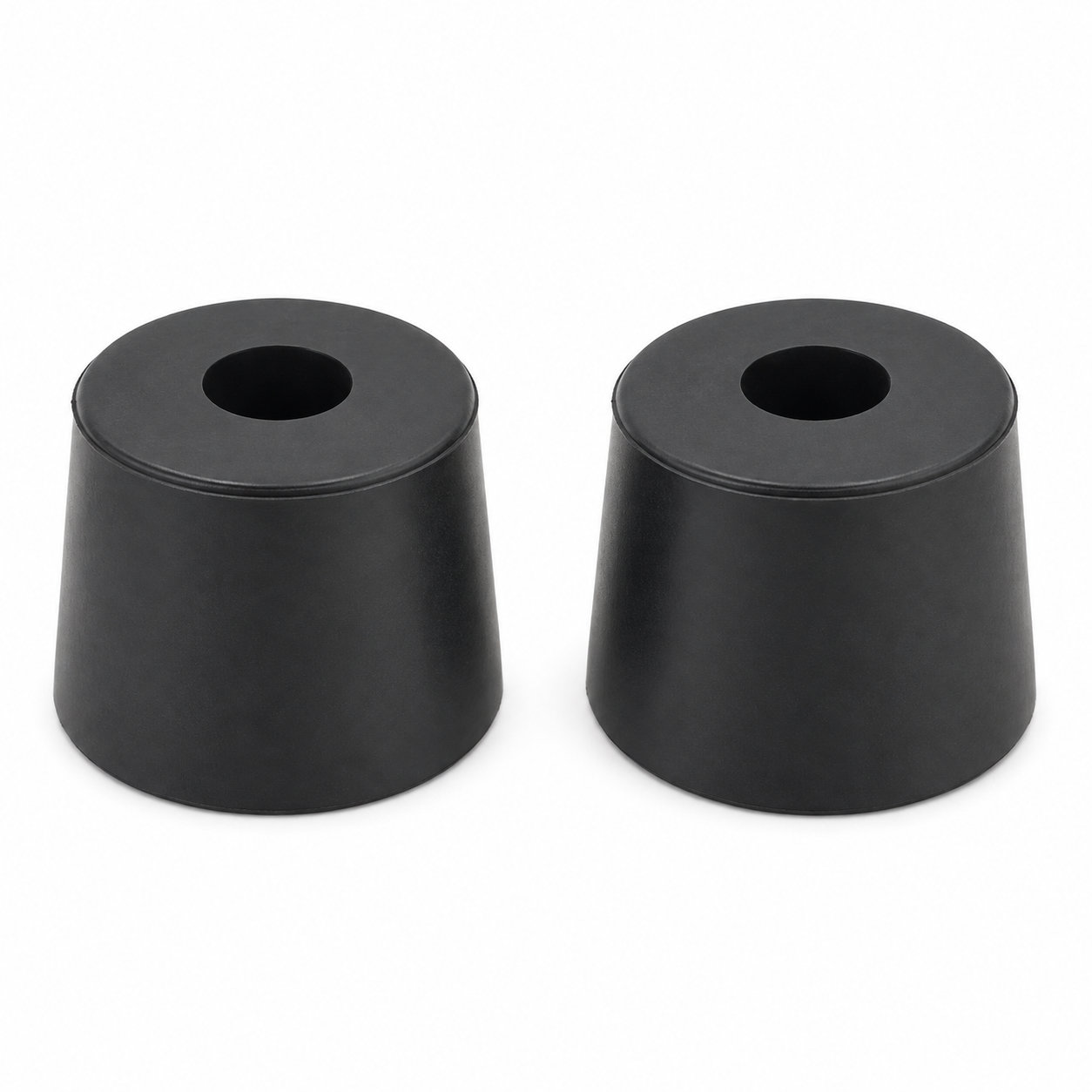
Silicone extended chair feet can cover a longer region of a furniture leg than a shallow tip. That extended fit should follow the leg's profile along the whole covered length, especially where the leg tapers. A close fit at the opening can coexist with a loose region farther inside if only one dimension is checked.
Determine the intended seating depth and the position of the load bearing end. The covering should leave the chair standing at a consistent height across its supports. Check that the extended side does not collide with braces or other nearby furniture features during installation.
Fit the tip in line with the leg, avoiding folds along the longer wall. Inspect the bottom contact on the intended floor and verify that the feet stay attached when the chair is lifted. Keep dirt from collecting beneath the contact surface or inside a loosened opening. If the tip begins to migrate, inspect the leg fit and movement rather than pushing it back repeatedly without addressing why it no longer remains seated.
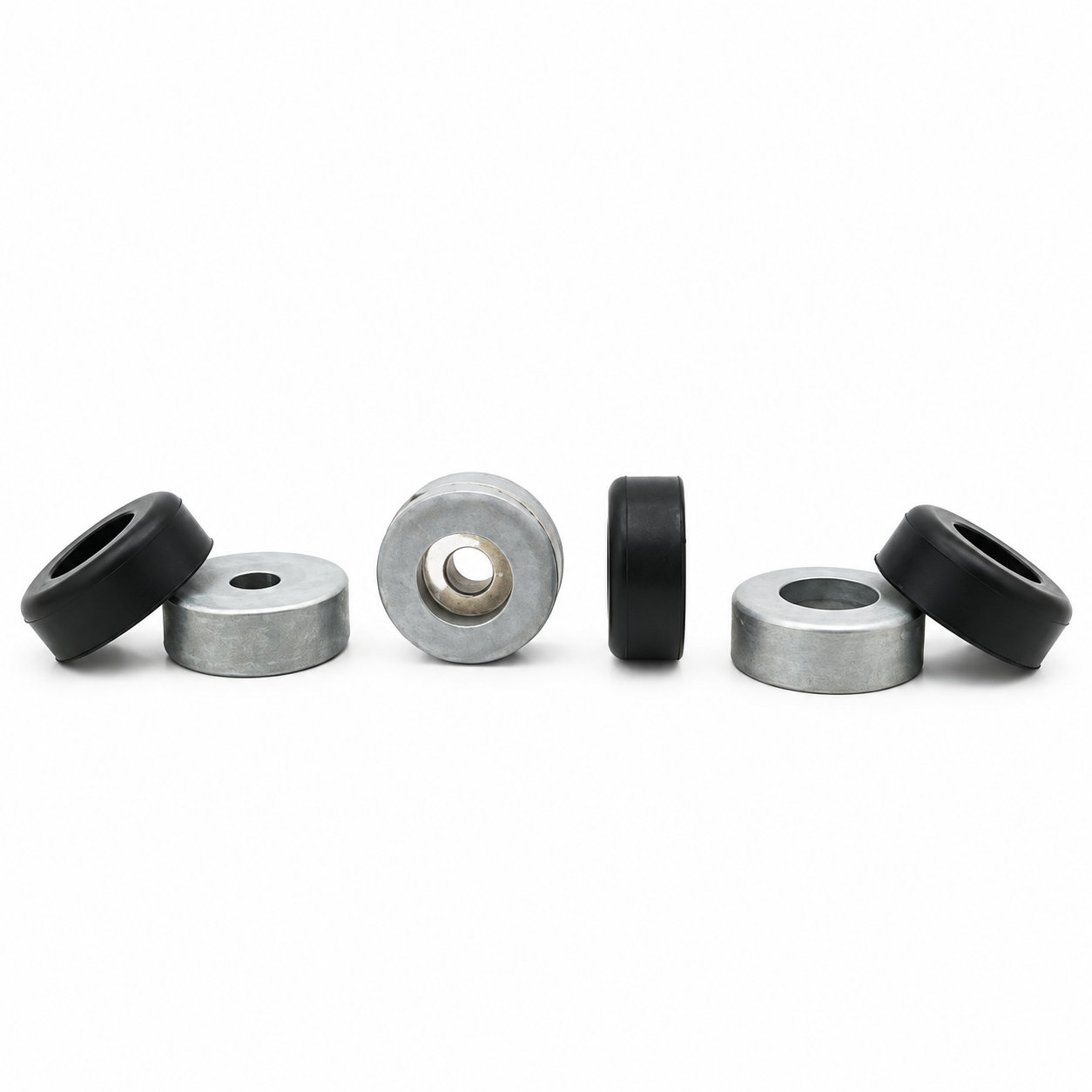
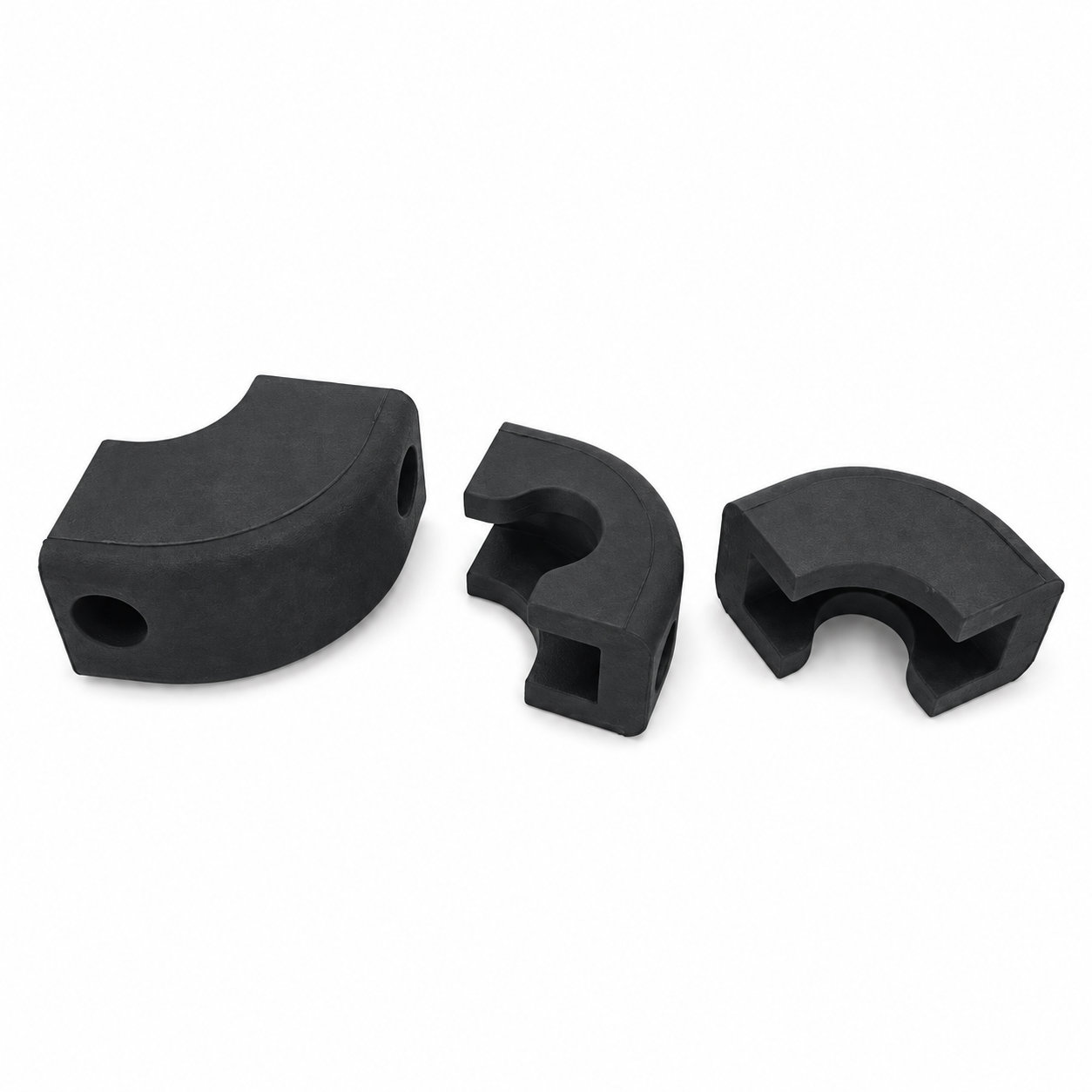
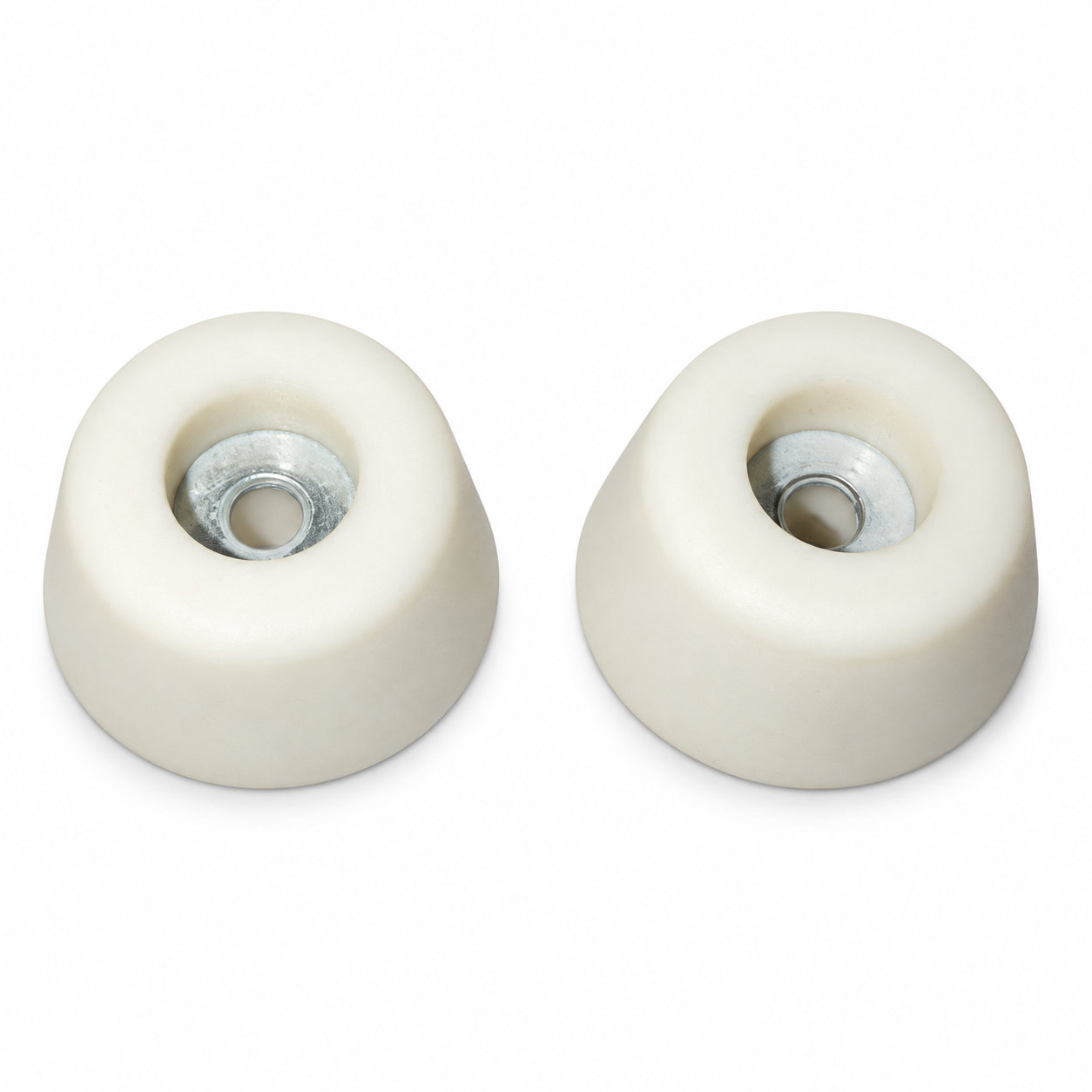
Photos illustrate structure or material only. The covering should leave the chair standing at a consistent height across its supports. ETOL directly manufactures custom-shaped silicone and rubber parts to your requirements.
Identify key dimensions, mating surfaces and quantity
Agree the compound and manufacturing approach
Review the fit and agreed requirements in the assembly
Manufacture and check against the approved requirements
Identify temperature, contact fluids and repeated movement.
Consider hardness together with wall thickness and support.
Check access, mating dimensions and the fitting sequence.
Yes. Show the receiving opening, contact surfaces and clearance limits. We can review the dimensions and retaining features around the intended fit.
Agree the critical dimensions, material, hardness, visible surfaces and sample requirements. Explain how the part is installed and which interfaces control its function.
A sample can help explain the structure. Compare it with the assembly because wear, swelling or compression may have changed its original dimensions.
The material, part geometry, tooling, quantity and finishing affect the quotation. Include the intended batch size and delivery destination when describing your requirements.
DISCUSS THIS COMPONENT
Share the fit, operating conditions and quantity with our manufacturing team.
EXPLORE RELATED DESIGNS
Explore similar part structures and applications for your next project.