Working conditions
Identify temperature, contact fluids and repeated movement.

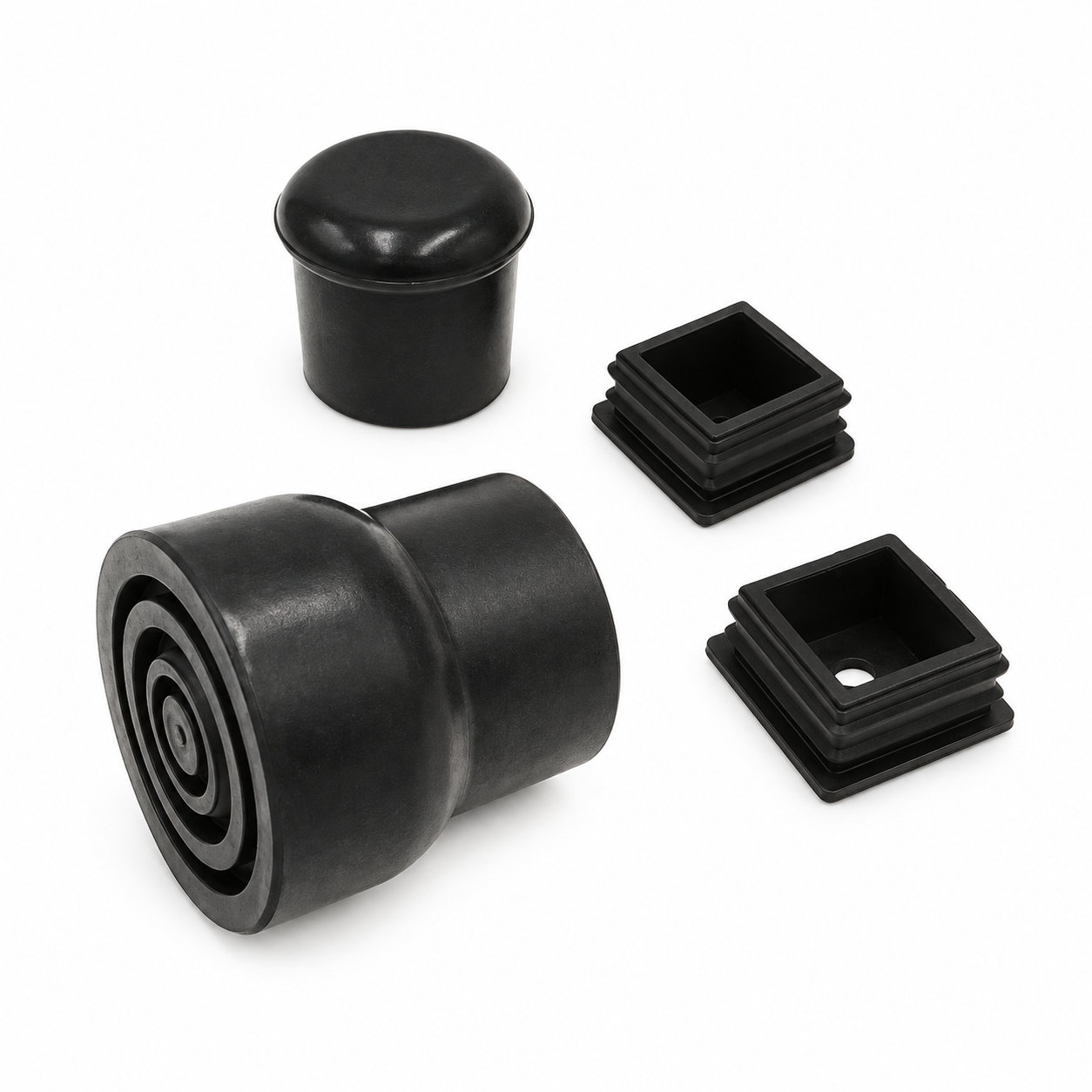
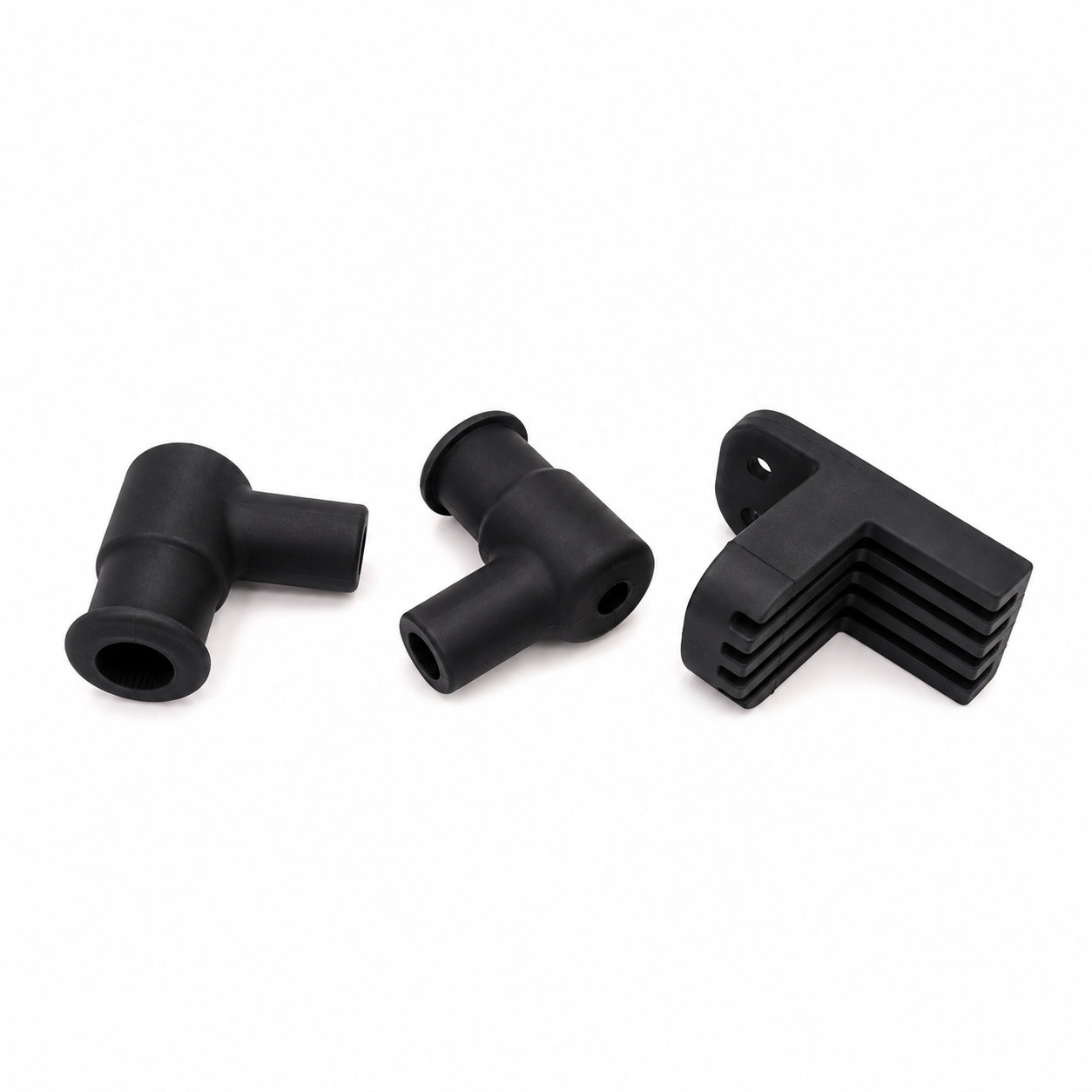
Custom manufacturing example · Factory custom molded rubber chair foot tips
CUSTOM RUBBER & SILICONE MANUFACTURING
A custom component for your assembly.
Define the mating surfaces, dimensions and working conditions. ETOL manufactures the part to the agreed design and material.
Share the part, its application and your estimated quantity.

Selected for the contact, temperature and movement
Define the visible surfaces and intended color
Develop holes, lips and walls around the mating parts
Match the attachment and installation method
Rubber chair foot tips provide fitted contacts beneath chair legs. Custom molding allows the receiving profile to follow the end shape, including a taper or corner detail. The base should remain under the leg while the rim holds the tip in its intended position.
Inspect the bare end before fitting. Rough tube edges, seams or damage can cut into a new tip from inside. Measure the finished leg rather than copying a worn rubber cavity that may have stretched through use.
Seat each tip fully and compare the chair's contact on its intended floor. The foot should not curl to one side when the chair is moved normally. Choose the rubber formulation for the actual floor finish and cleaning conditions, and keep the bases free of grit. During maintenance, inspect the inner bearing area as well as the outside wall. A tip can wear thin beneath the leg while still looking intact around its perimeter. Replace it with the matching profile so the chair retains its original seated height and support relationship.
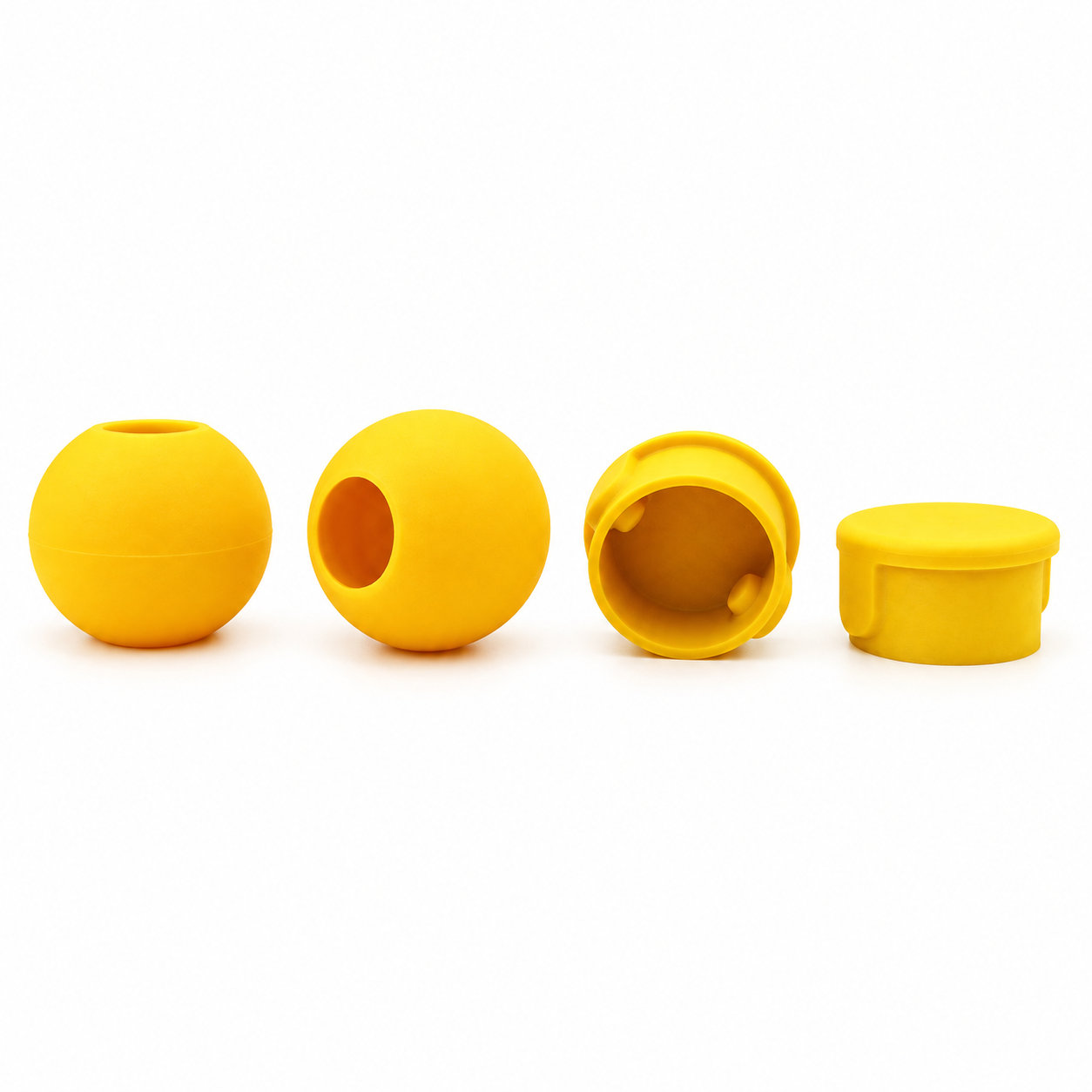
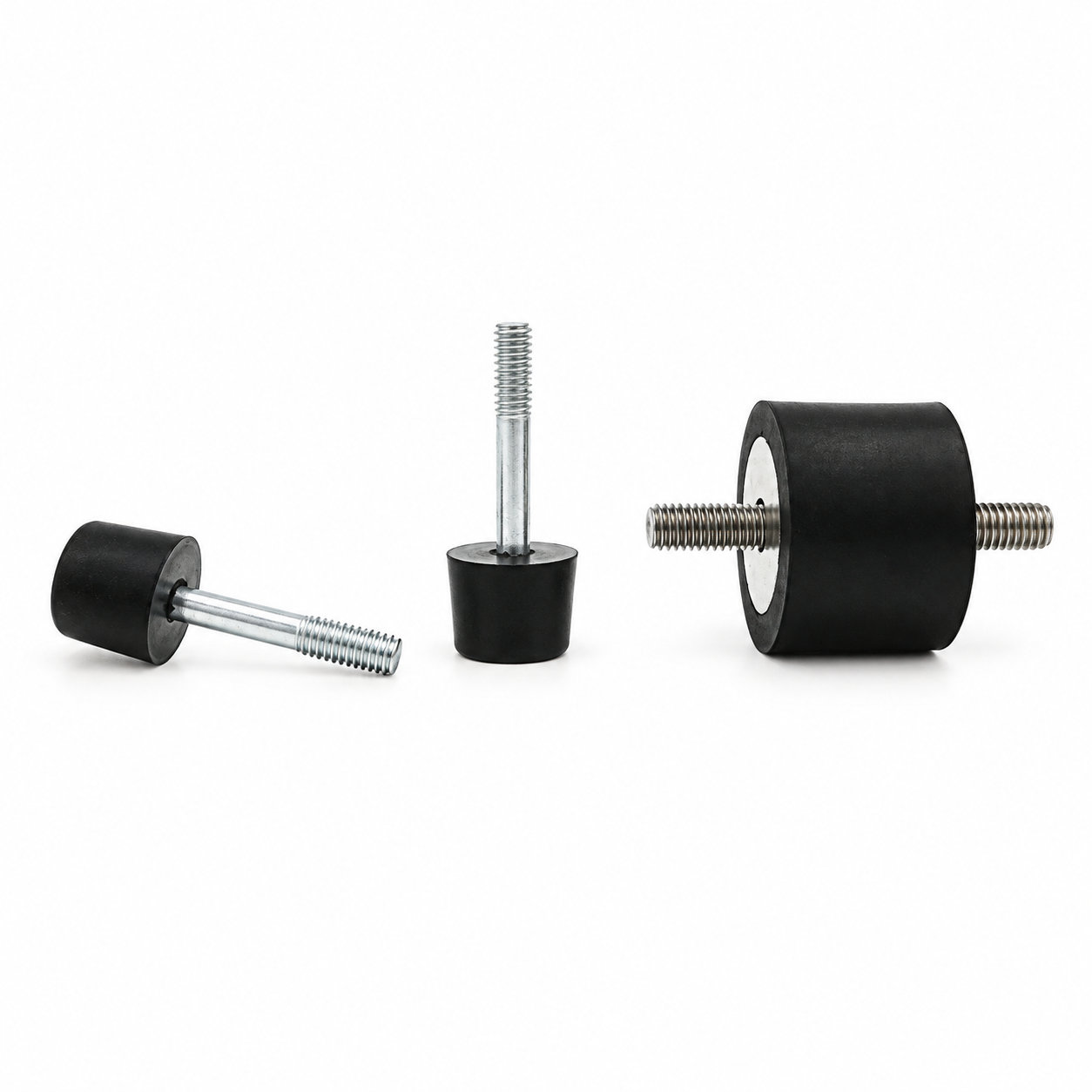
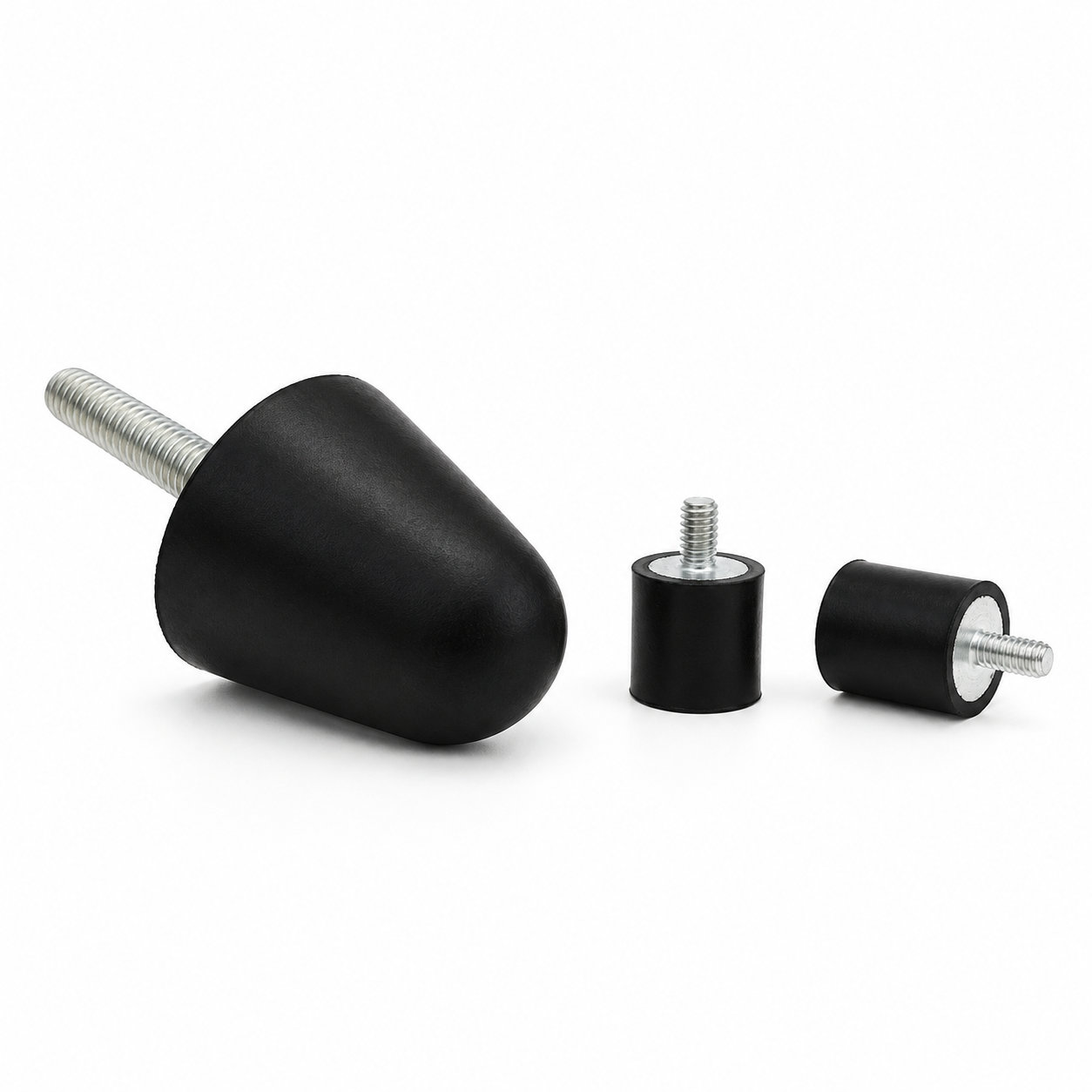
Photos illustrate structure or material appearance only. Custom molding allows the receiving profile to follow the end shape, including a taper or corner detail. ETOL directly manufactures custom-shaped silicone and rubber parts to your requirements.
FIND THE RIGHT FIT
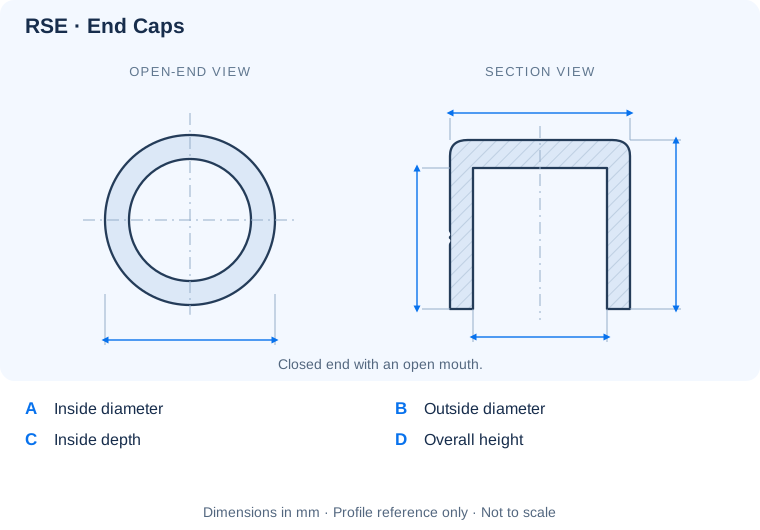
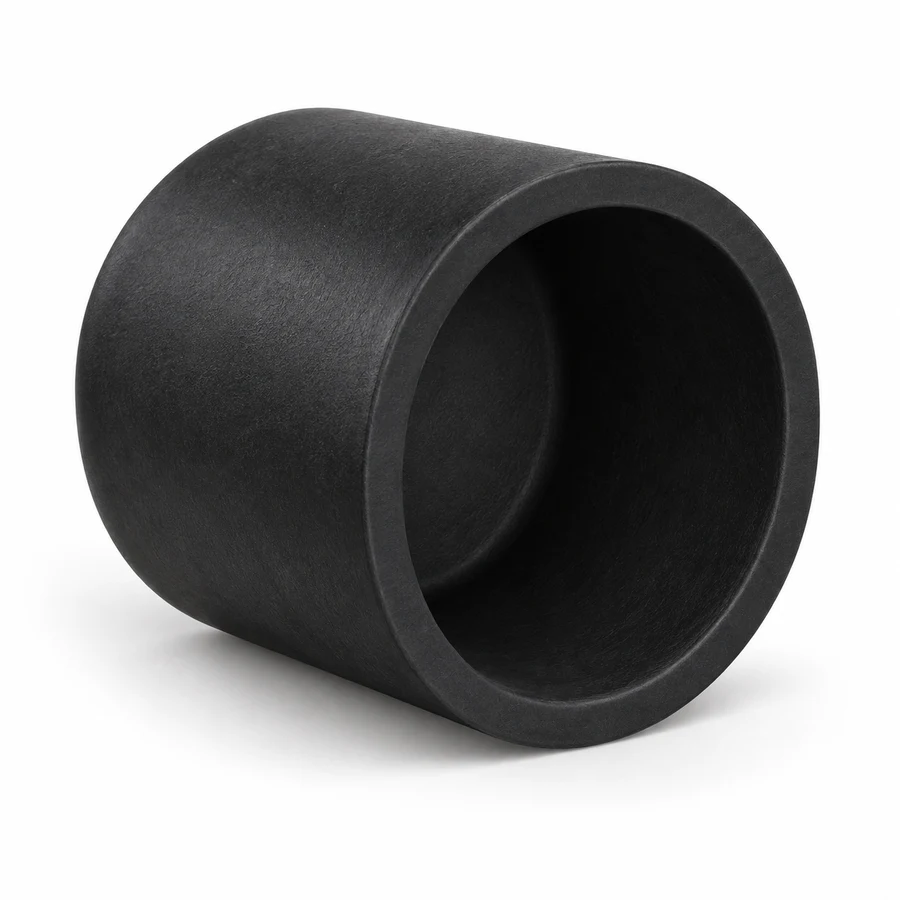
Compare inside diameter A with the outside of the part being covered. Check inside depth C and overall dimensions B and D for available clearance. These RSE references show a round cap with one closed end.
43 closed-end cap sizes. A is the inside diameter and C is the usable internal depth; B and D describe the outside envelope.
| P/N | A | B | C | D | Color | Unit |
|---|---|---|---|---|---|---|
| RSE3.7-7-9 | 3.7 | 7 | 9 | 11 | black,white | mm |
| RSE4.7-8-9 | 4.7 | 8 | 9 | 11 | black,white | mm |
| RSE5.7-9-10 | 5.7 | 9 | 10 | 12 | black,white | mm |
| RSE6.7-10-10 | 6.7 | 10 | 10 | 12 | black,white | mm |
| RSE7.7-11-11 | 7.7 | 11 | 11 | 13 | black,white | mm |
| RSE8.7-12-12 | 8.7 | 12 | 12 | 14 | black,white | mm |
| RSE9.7-14-13 | 9.7 | 14 | 13 | 15 | black,white | mm |
| RSE10.7-15-14 | 10.7 | 15 | 14 | 16 | black,white | mm |
| RSE11.7-16-15 | 11.7 | 16 | 15 | 17 | black,white | mm |
| RSE12.7-17-15 | 12.7 | 17 | 15 | 18 | black,white | mm |
| RSE13.7-18-15 | 13.7 | 18 | 15 | 18 | black,white | mm |
| RSE14.7-19-15 | 14.7 | 19 | 15 | 18 | black,white | mm |
| RSE15.7-20-16 | 15.7 | 20 | 16 | 19 | black,white | mm |
| RSE16.7-21-16 | 16.7 | 21 | 16 | 19 | black,white | mm |
| RSE17.7-22-16 | 17.7 | 22 | 16 | 19 | black,white | mm |
Need a different fit? Share the opening dimensions, mating profile and intended use for a custom size.
Identify key dimensions, mating surfaces and quantity
Agree the compound and manufacturing approach
Review the fit and agreed requirements in the assembly
Manufacture and check against the approved requirements
Identify temperature, contact fluids and repeated movement.
Consider hardness together with wall thickness and support.
Check access, mating dimensions and the fitting sequence.
Yes. Show the receiving opening, contact surfaces and clearance limits. We can review the dimensions and retaining features around the intended fit.
Agree the critical dimensions, material, hardness, visible surfaces and sample requirements. Explain how the part is installed and which interfaces control its function.
A sample can help explain the structure. Compare it with the assembly because wear, swelling or compression may have changed its original dimensions.
The material, part geometry, tooling, quantity and finishing affect the quotation. Include the intended batch size and delivery destination when describing your requirements.
DISCUSS THIS COMPONENT
Share the fit, operating conditions and quantity with our manufacturing team.
EXPLORE RELATED DESIGNS
Explore similar part structures and applications for your next project.