Working conditions
Identify temperature, contact fluids and repeated movement.

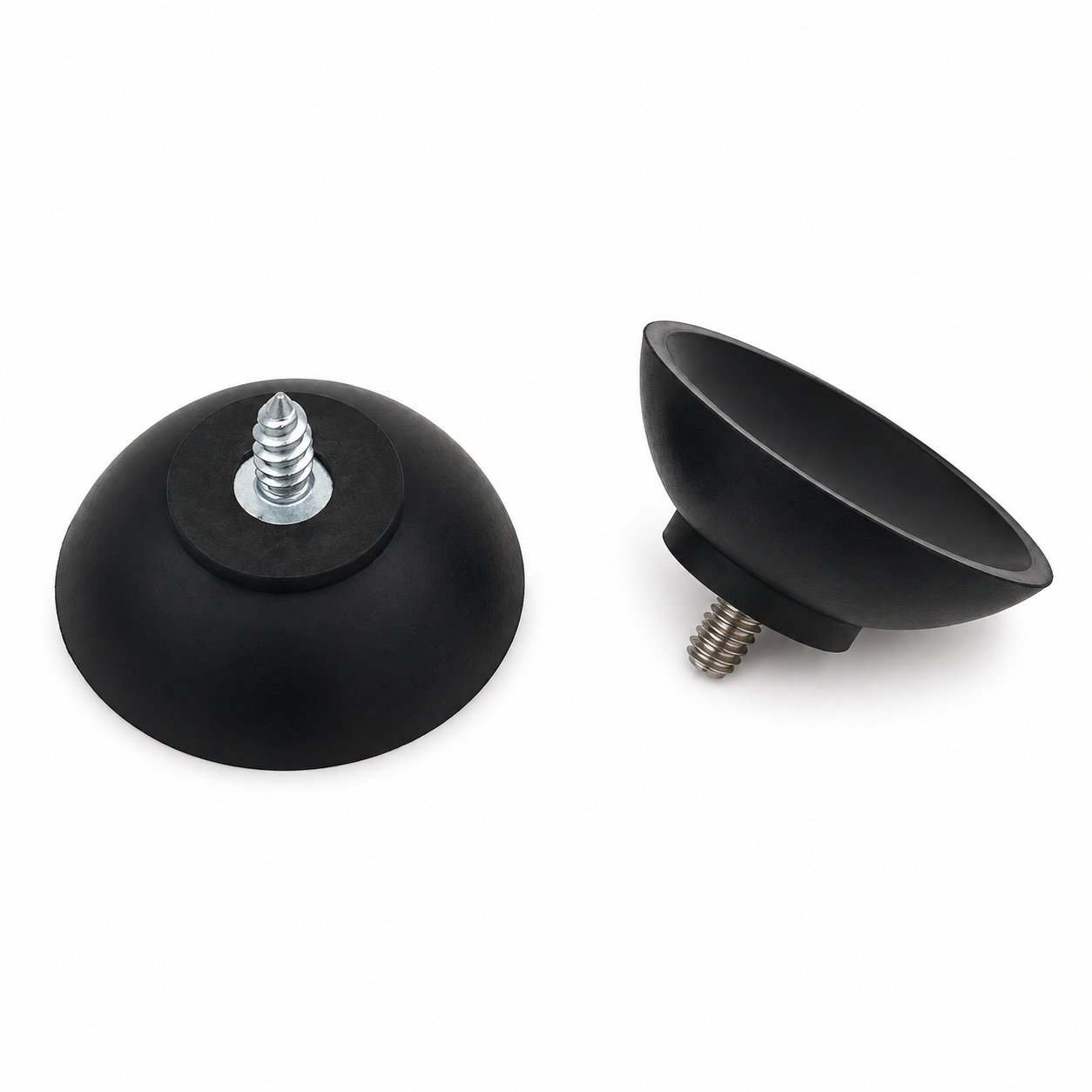
Custom manufacturing example · Custom made suction cups with mounting screws
CUSTOM RUBBER & SILICONE MANUFACTURING
A custom component for your assembly.
Define the mating surfaces, dimensions and working conditions. ETOL manufactures the part to the agreed design and material.
Share the part, its application and your estimated quantity.

Selected for the contact, temperature and movement
Define the visible surfaces and intended color
Develop holes, lips and walls around the mating parts
Match the attachment and installation method
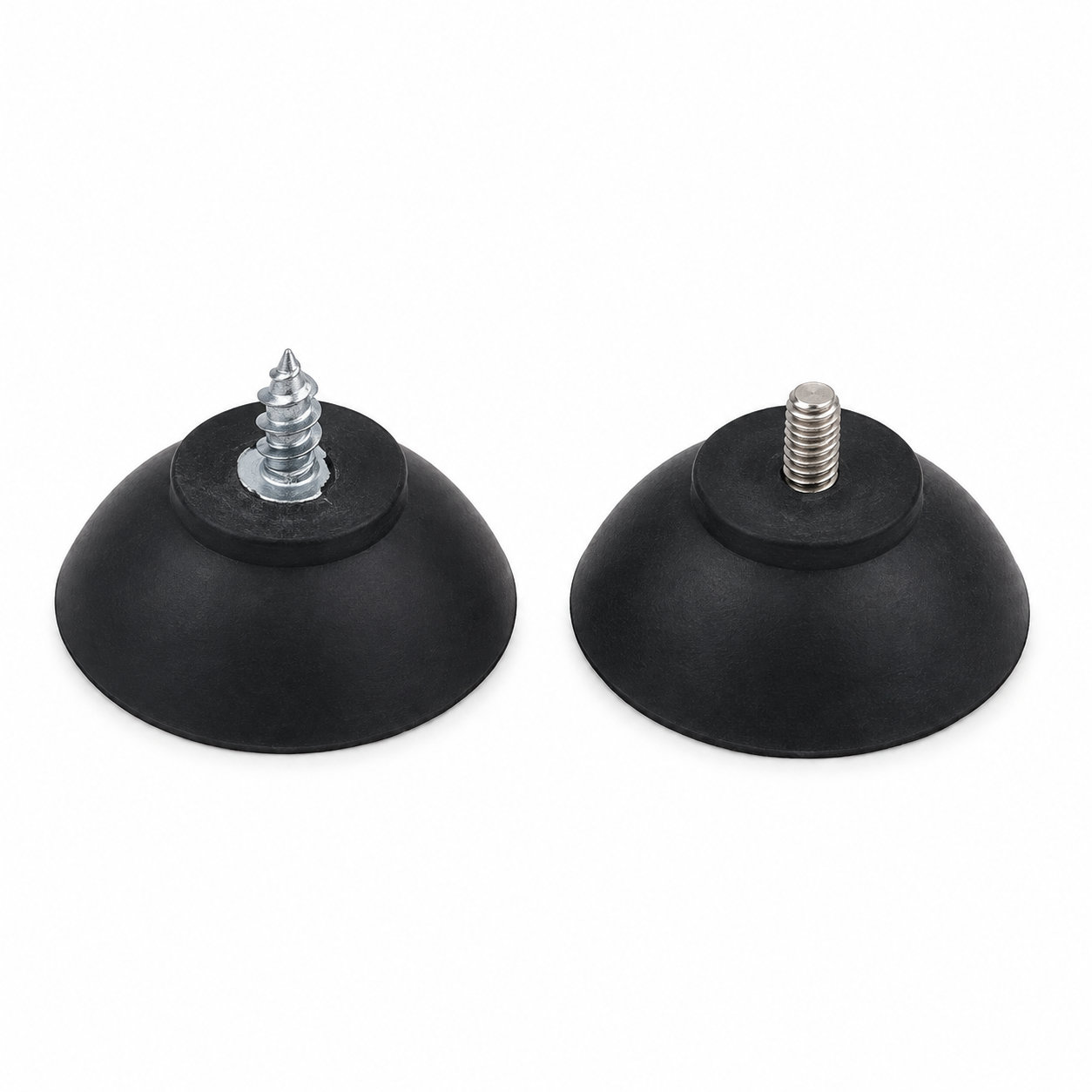
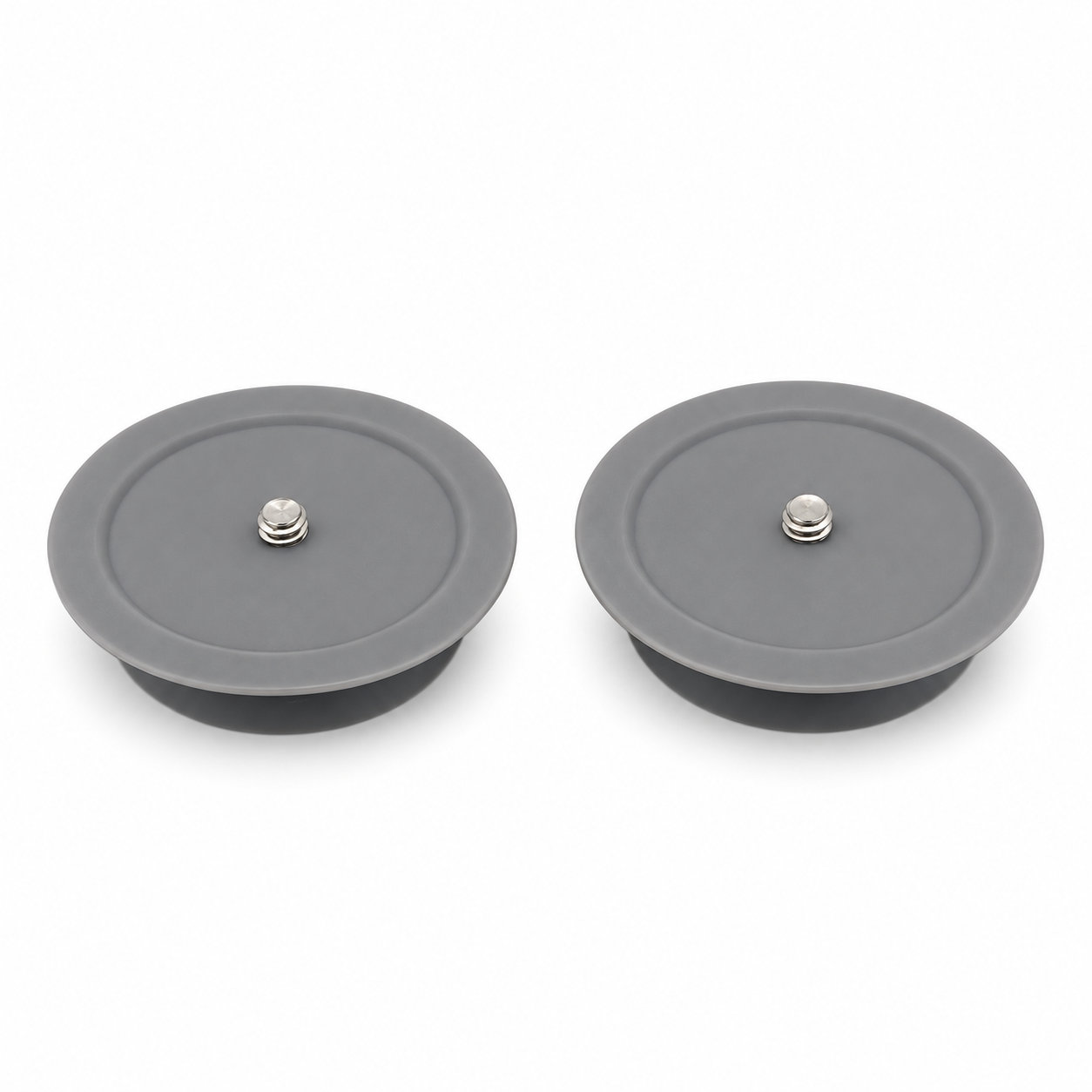
Mounting suction cups with screws allow an accessory to be connected to a removable suction base. The screw connection locates the accessory, while the cup face holds against the surface. When several cups are used on one assembly, their positions must let each face sit naturally rather than forcing them into a common plane by tightening the hardware.
Start with the spacing of the mounting holes and the surface they will meet. A warped bracket can leave one cup carrying most of the load while another barely touches. Assemble the hardware without distorting the flexible sections and inspect all contact edges before evaluating holding.
ETOL offers customized cup dimensions, hardness, colors and molded logos. Choose the screw arrangement around the actual accessory thickness and thread engagement, avoiding fasteners that bottom out or protrude into an unintended space.
Remove the attached load before adjusting the screws. If one cup loses contact, do not simply tighten the other connections to compensate. Check alignment, cleanliness and the condition of the affected lip. The complete mounted assembly should be assessed for its real load direction and surface conditions.
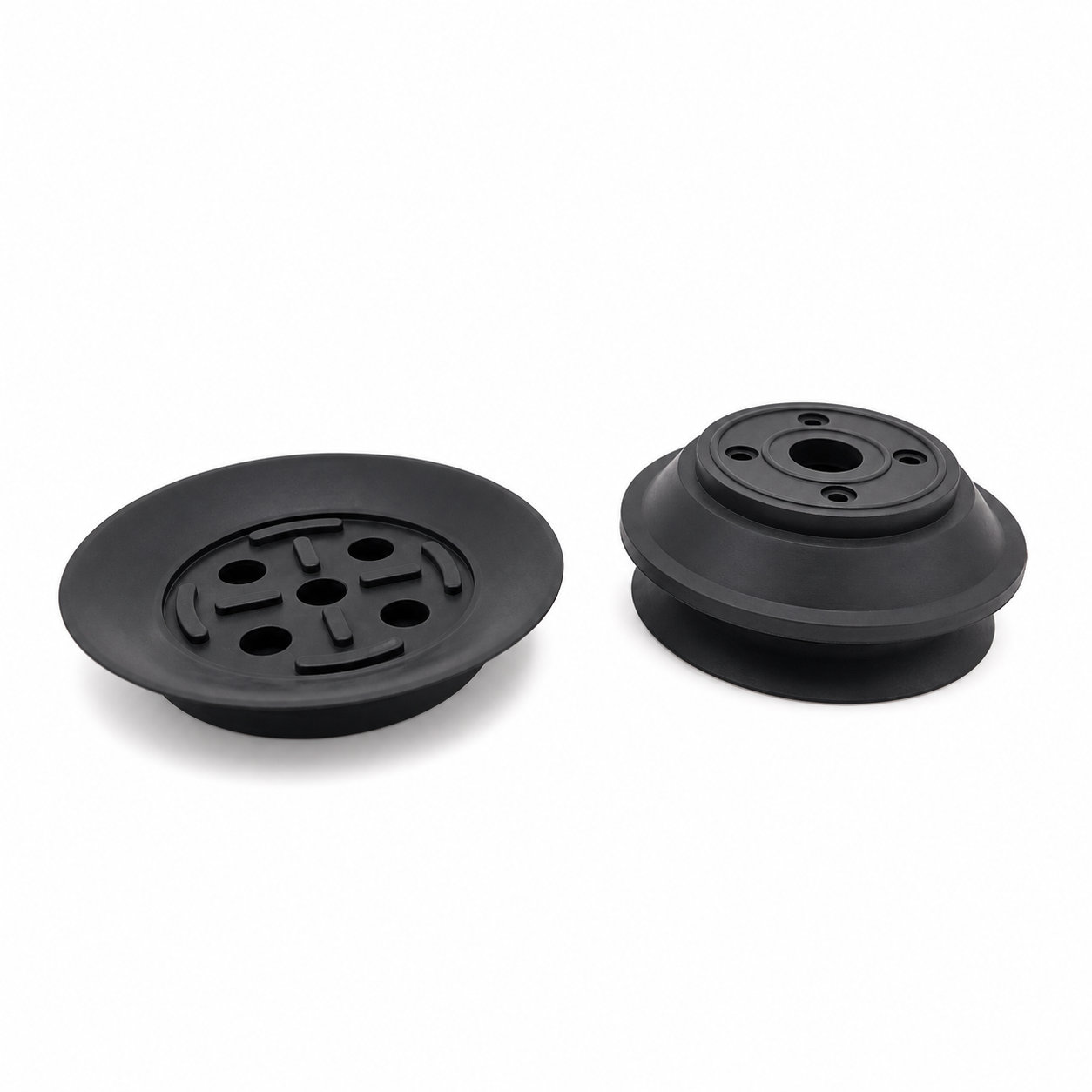
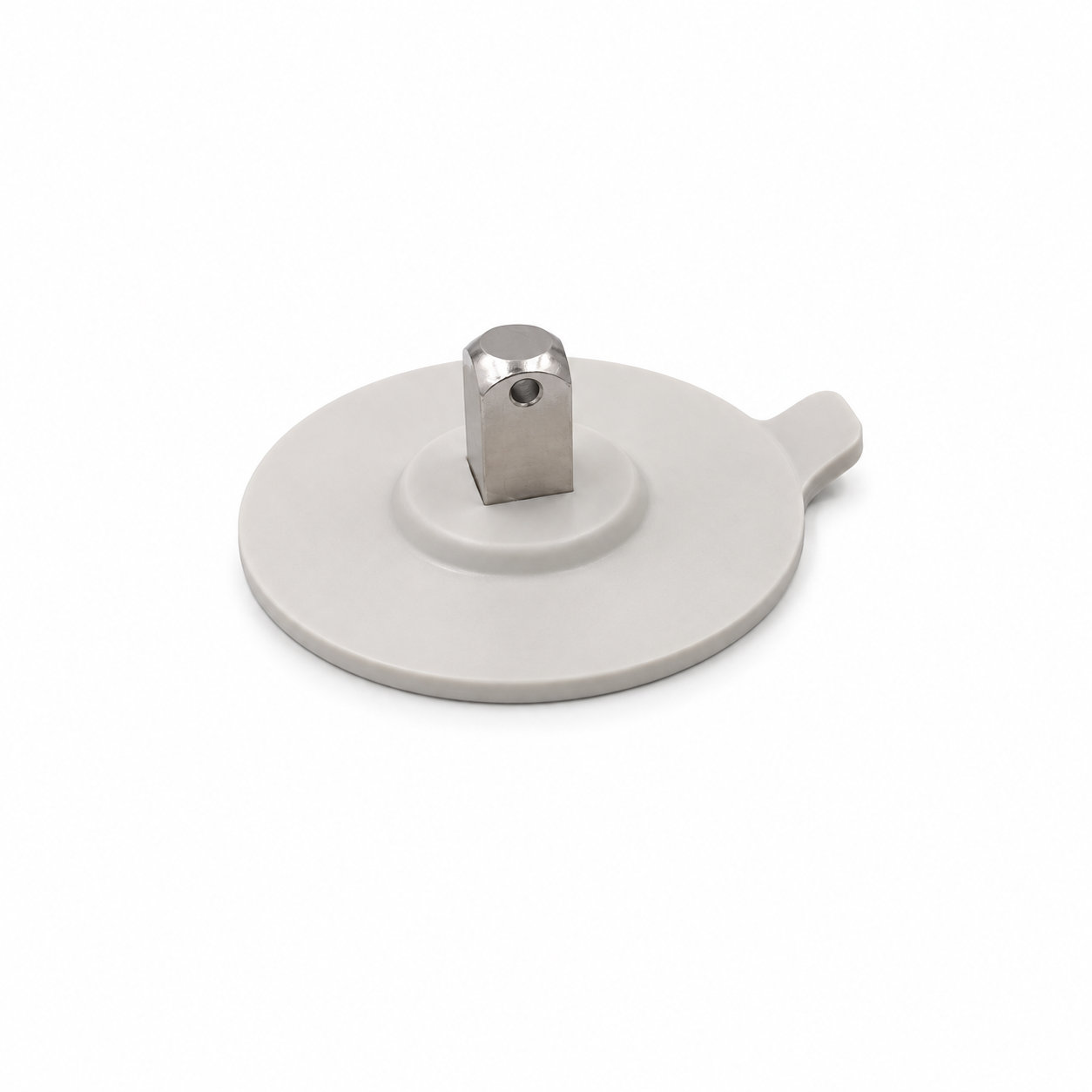
Photos illustrate structure or material appearance only. The screw connection locates the accessory, while the cup face holds against the surface. ETOL directly manufactures custom-shaped silicone and rubber parts to your requirements.
Identify key dimensions, mating surfaces and quantity
Agree the compound and manufacturing approach
Review the fit and agreed requirements in the assembly
Manufacture and check against the approved requirements
Identify temperature, contact fluids and repeated movement.
Consider hardness together with wall thickness and support.
Check access, mating dimensions and the fitting sequence.
Yes. Show the receiving opening, contact surfaces and clearance limits. We can review the dimensions and retaining features around the intended fit.
Agree the critical dimensions, material, hardness, visible surfaces and sample requirements. Explain how the part is installed and which interfaces control its function.
A sample can help explain the structure. Compare it with the assembly because wear, swelling or compression may have changed its original dimensions.
The material, part geometry, tooling, quantity and finishing affect the quotation. Include the intended batch size and delivery destination when describing your requirements.
DISCUSS THIS COMPONENT
Share the fit, operating conditions and quantity with our manufacturing team.
EXPLORE RELATED DESIGNS
Explore similar part structures and applications for your next project.