Working conditions
Identify temperature, contact fluids and repeated movement.

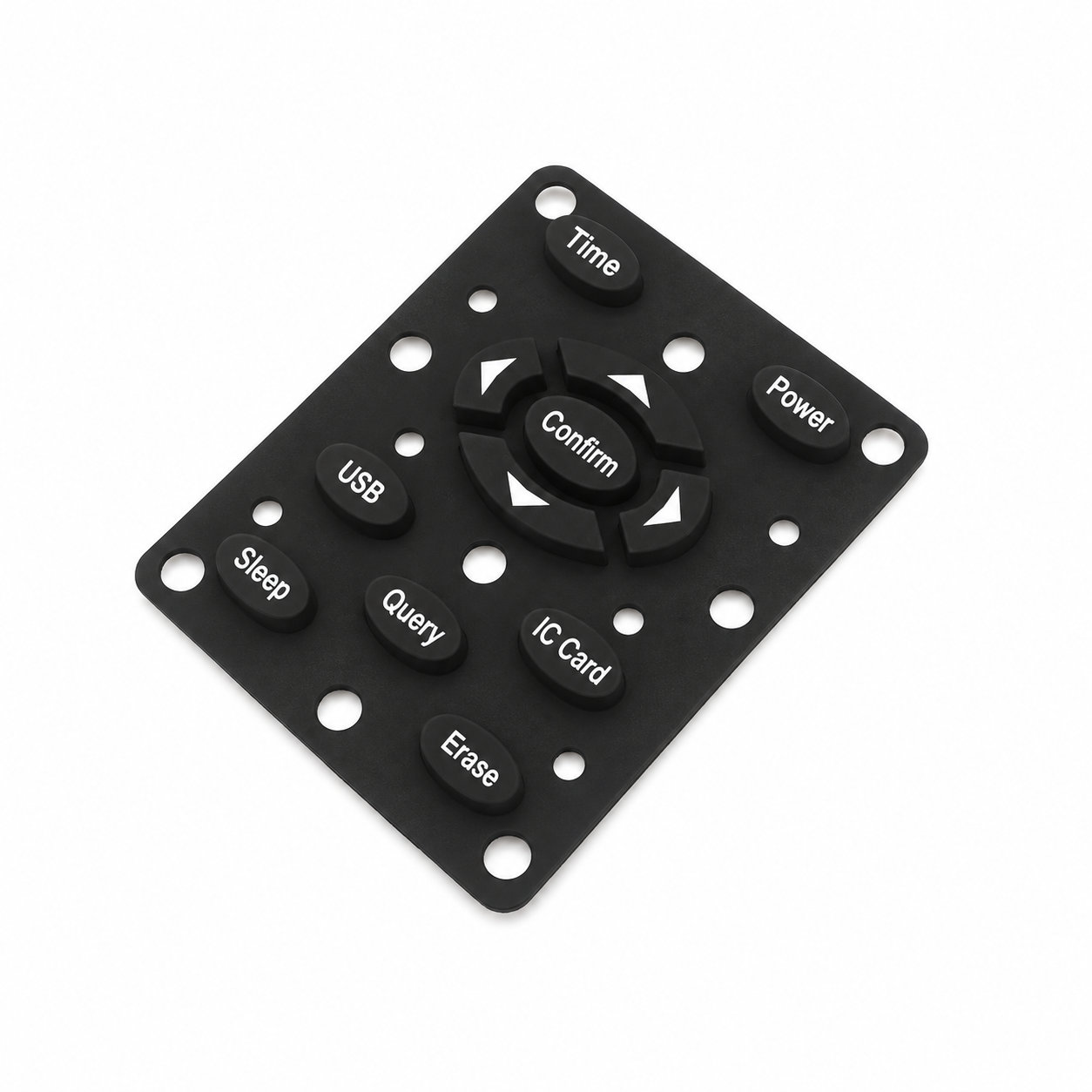
Custom manufacturing example · Custom made silicone PCB rubber keypad
CUSTOM RUBBER & SILICONE MANUFACTURING
A custom component for your assembly.
Define the mating surfaces, dimensions and working conditions. ETOL manufactures the part to the agreed design and material.
Share the part, its application and your estimated quantity.
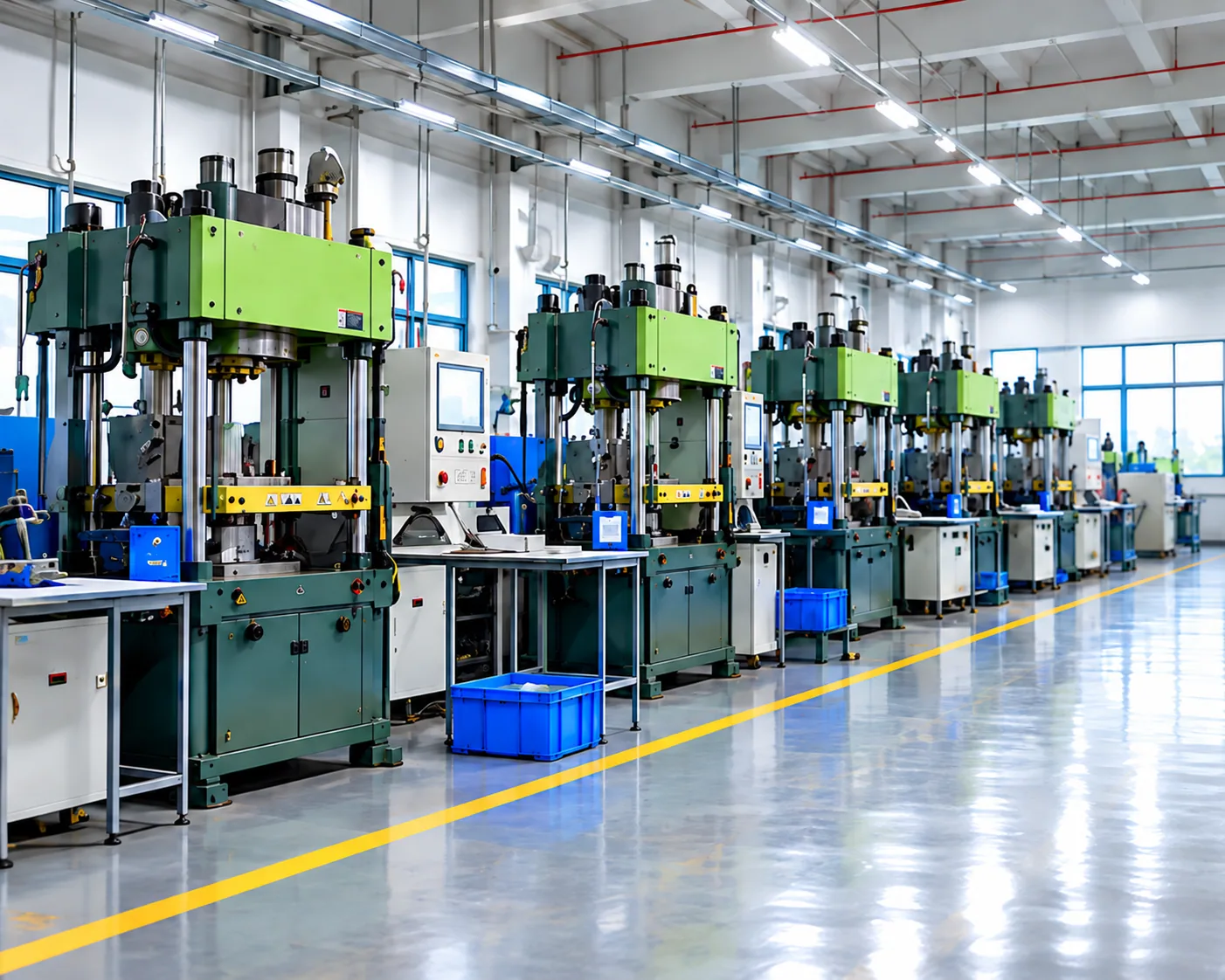
Selected for the contact, temperature and movement
Define the visible surfaces and intended color
Develop holes, lips and walls around the mating parts
Match the attachment and installation method
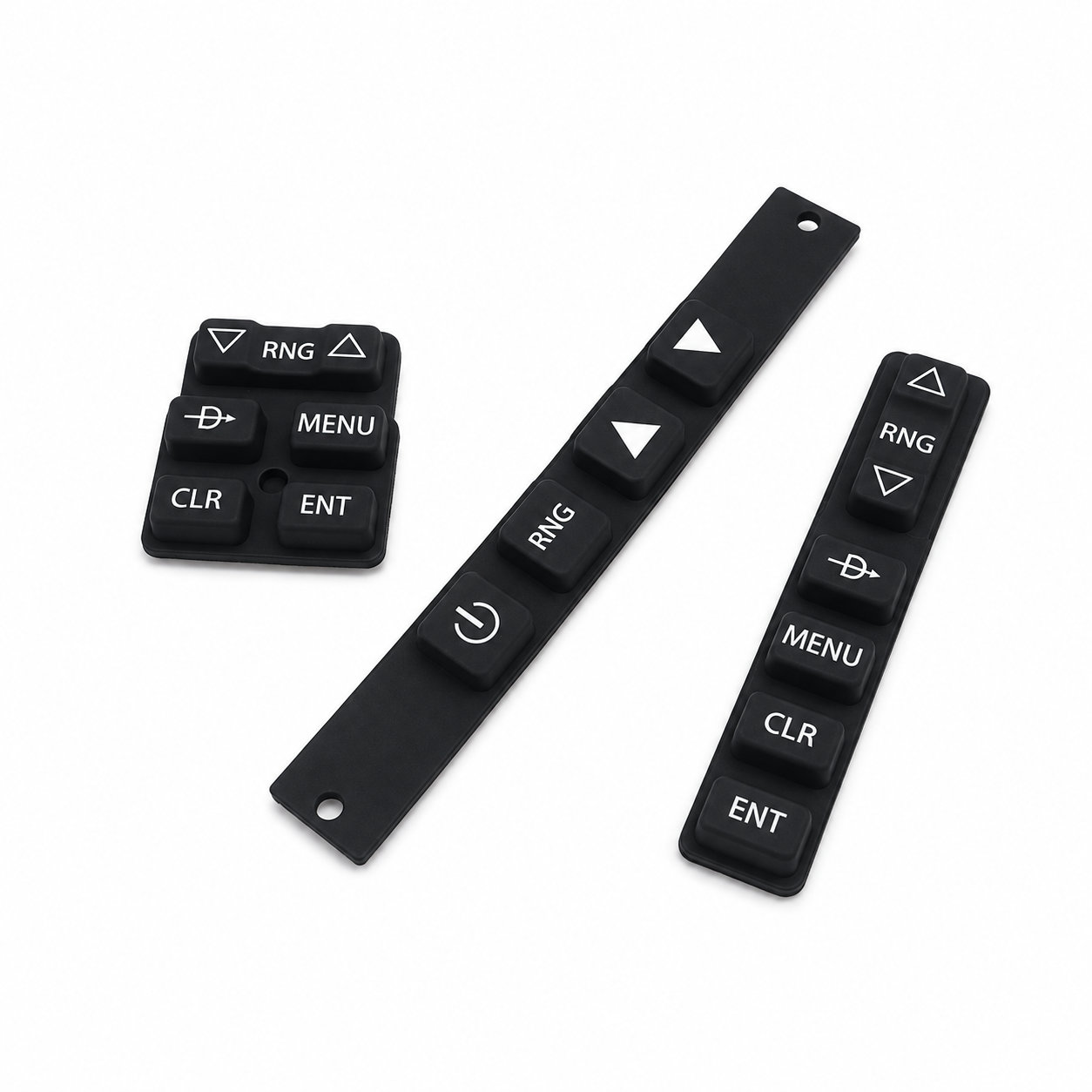
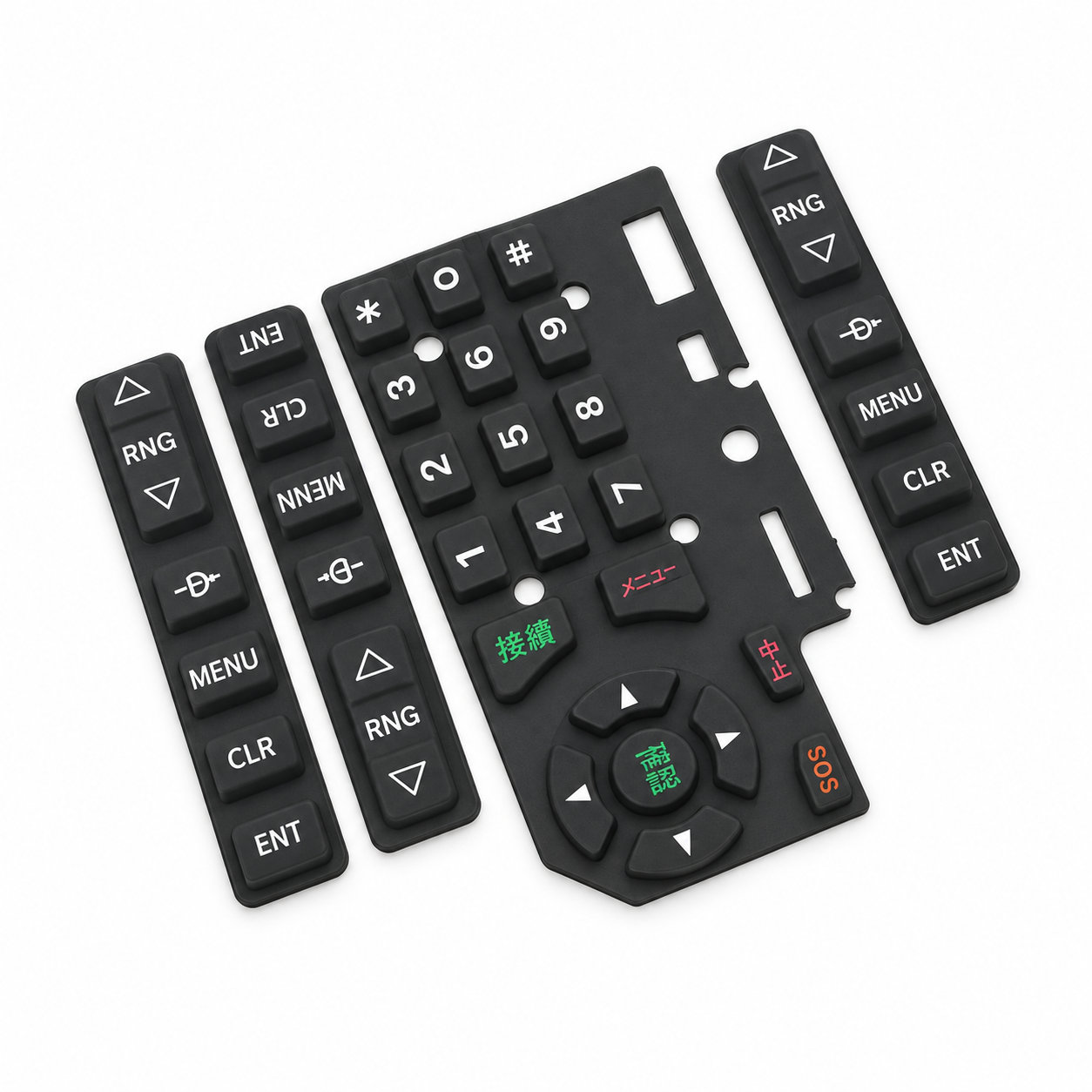
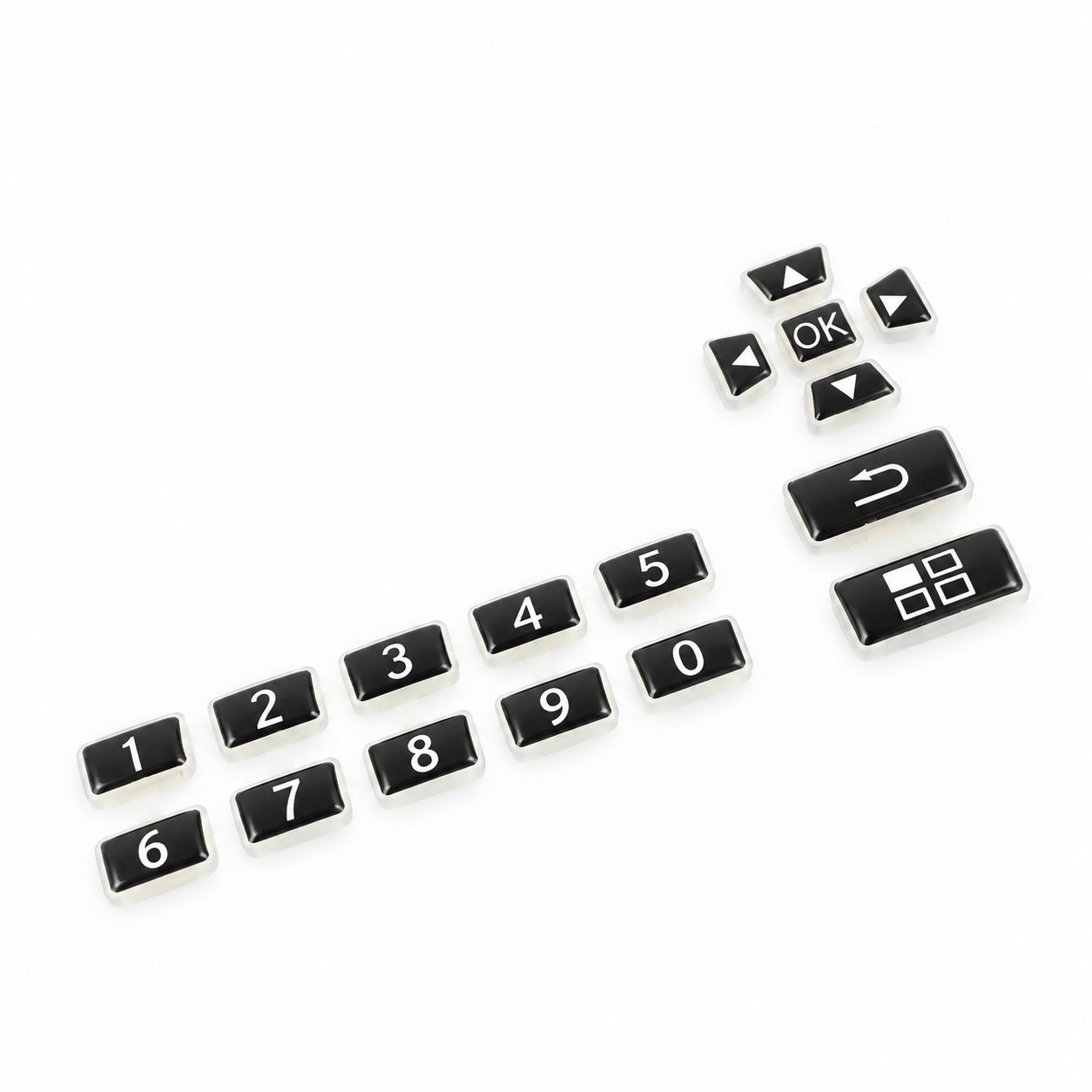
A PCB rubber keypad sits within an assembly where the circuit board, rubber and housing must maintain a defined relationship. The silicone keys provide the pressing surface, while the board supports the intended electrical interface. Custom dimensions allow the molded part to account for the electronic layout and the mechanical features around it.
Board mounting points, raised components and wiring can all compete for space beneath a keypad. Identify those features before finalizing the lower rubber profile. The areas that flex during a press need working room; they should not be used to conceal a protruding screw head or compress a loose wire against the board.
During a fit trial, support the PCB as it will be supported in the finished unit. A loose board may move under a press and give an unrealistic impression of the button travel. Check key response near mounting points and in regions farther from them. This helps distinguish a local board support issue from a keypad geometry issue.
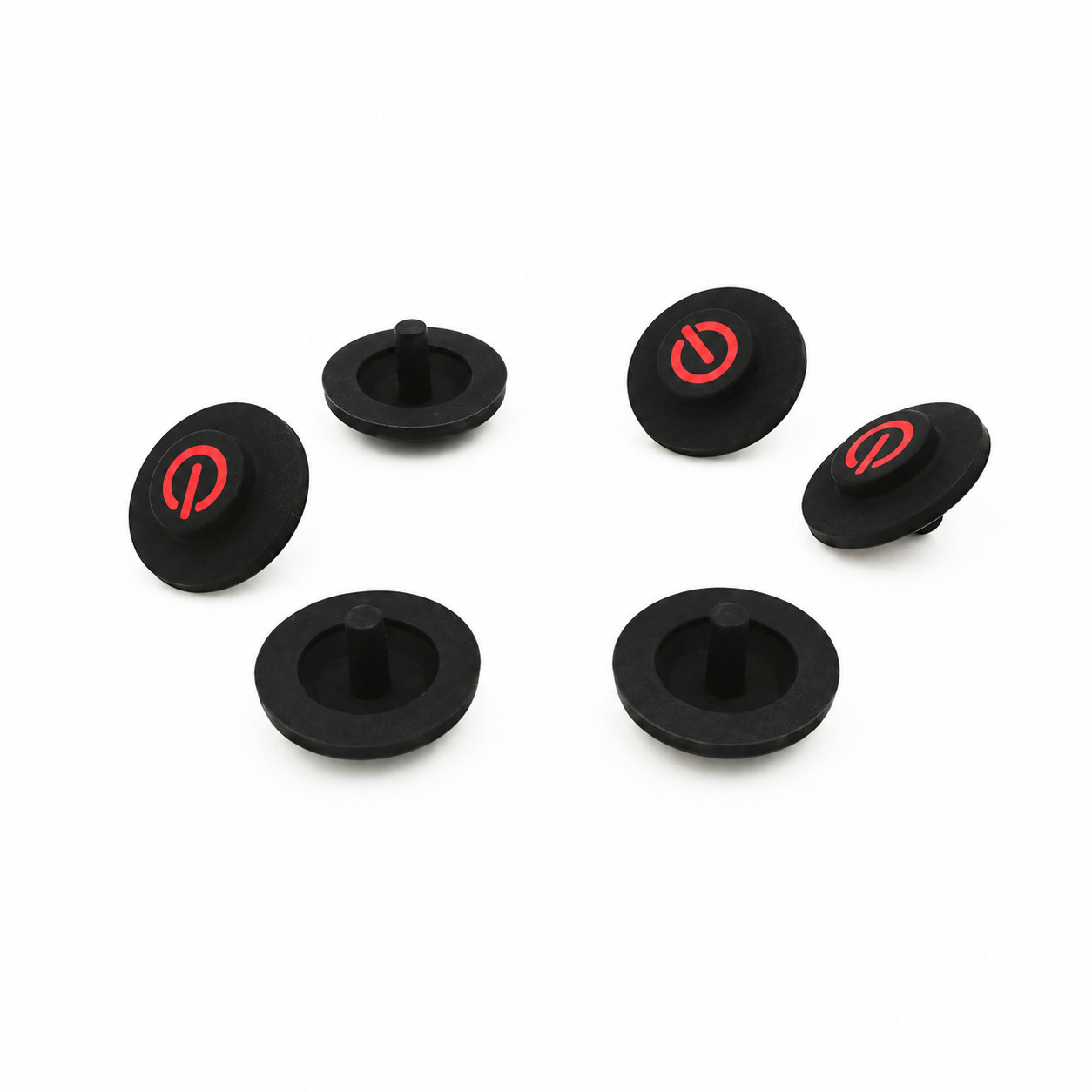
ETOL offers multiple colors and molded logo details, with a listed hardness range of 20 to 80 Shore A. Choose these features after the operating interfaces are established. Before closing the housing, inspect the complete underside for trapped items and confirm that the rubber follows its intended locating features without stretching. Recheck the controls after fastening the enclosure, when the final spacing is set.
Photos illustrate structure or material only. A loose board may move under a press and give an unrealistic impression of the button travel. ETOL directly manufactures custom-shaped silicone and rubber parts to your requirements.
Identify key dimensions, mating surfaces and quantity
Agree the compound and manufacturing approach
Review the fit and agreed requirements in the assembly
Manufacture and check against the approved requirements
Identify temperature, contact fluids and repeated movement.
Consider hardness together with wall thickness and support.
Check access, mating dimensions and the fitting sequence.
Yes. Show the receiving opening, contact surfaces and clearance limits. We can review the dimensions and retaining features around the intended fit.
Agree the critical dimensions, material, hardness, visible surfaces and sample requirements. Explain how the part is installed and which interfaces control its function.
A sample can help explain the structure. Compare it with the assembly because wear, swelling or compression may have changed its original dimensions.
The material, part geometry, tooling, quantity and finishing affect the quotation. Include the intended batch size and delivery destination when describing your requirements.
DISCUSS THIS COMPONENT
Share the fit, operating conditions and quantity with our manufacturing team.
EXPLORE RELATED DESIGNS
Explore similar part structures and applications for your next project.