Working conditions
Identify temperature, contact fluids and repeated movement.

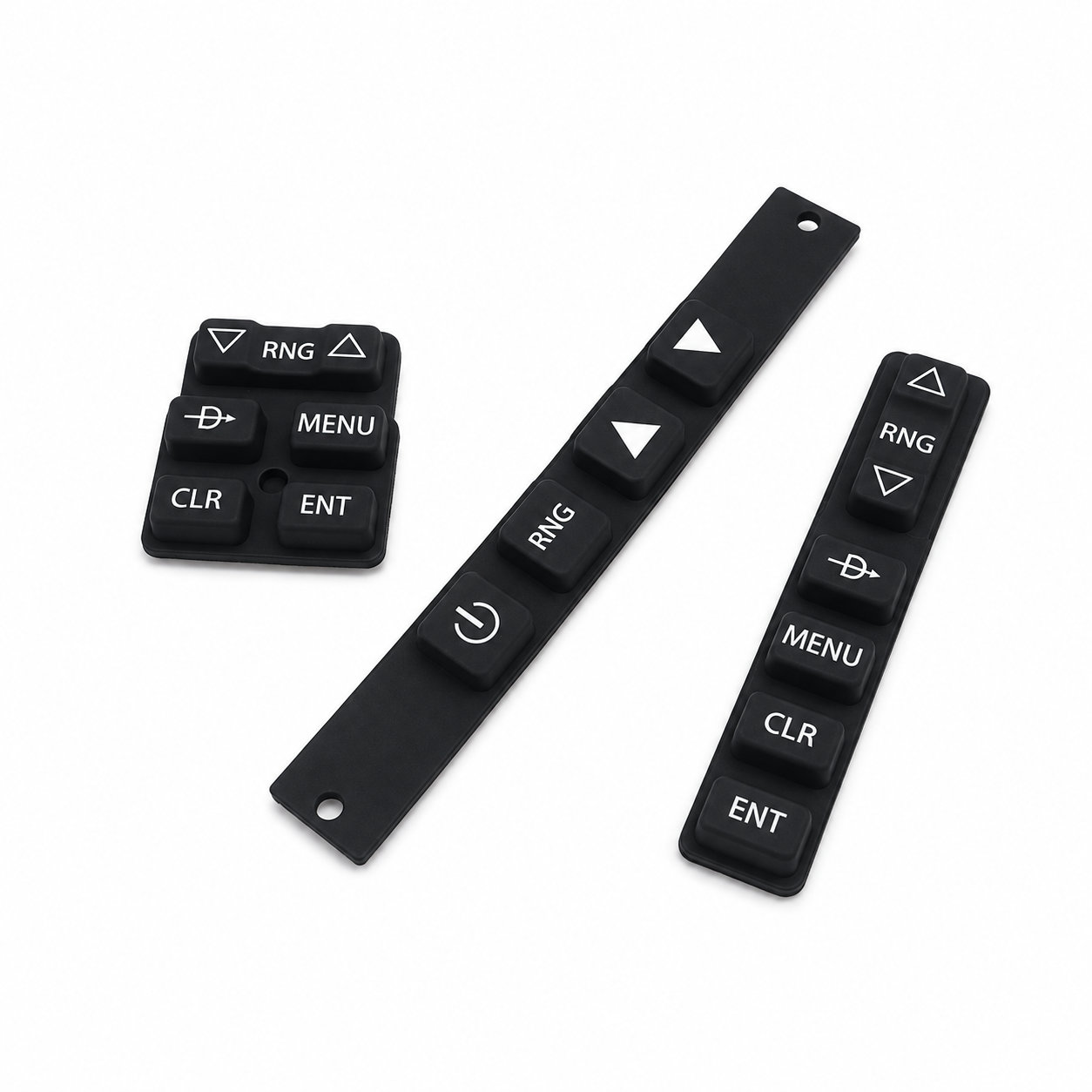
Custom manufacturing example · Silicone rubber button keypad manufacturer
CUSTOM RUBBER & SILICONE MANUFACTURING
A custom component for your assembly.
Define the mating surfaces, dimensions and working conditions. ETOL manufactures the part to the agreed design and material.
Share the part, its application and your estimated quantity.
Selected for the contact, temperature and movement
Define the visible surfaces and intended color
Develop holes, lips and walls around the mating parts
Match the attachment and installation method
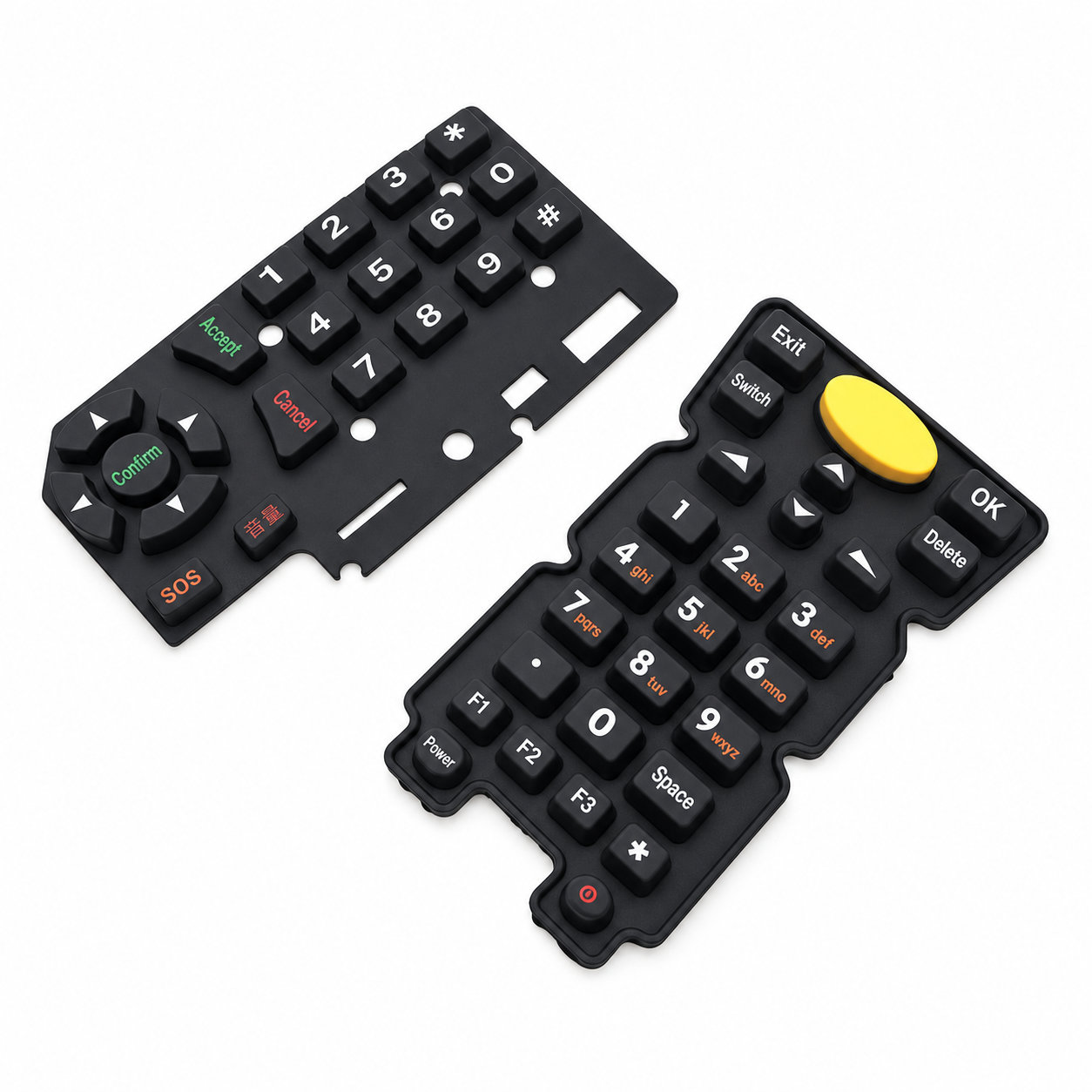
A silicone rubber button keypad should move from prototype approval to production with a clear record of what has been accepted. The molded geometry, key response, electrical construction and legends all contribute to the finished interface. A sample that operates correctly can be difficult to reproduce consistently if those characteristics remain undocumented or are represented only by an exterior photograph.
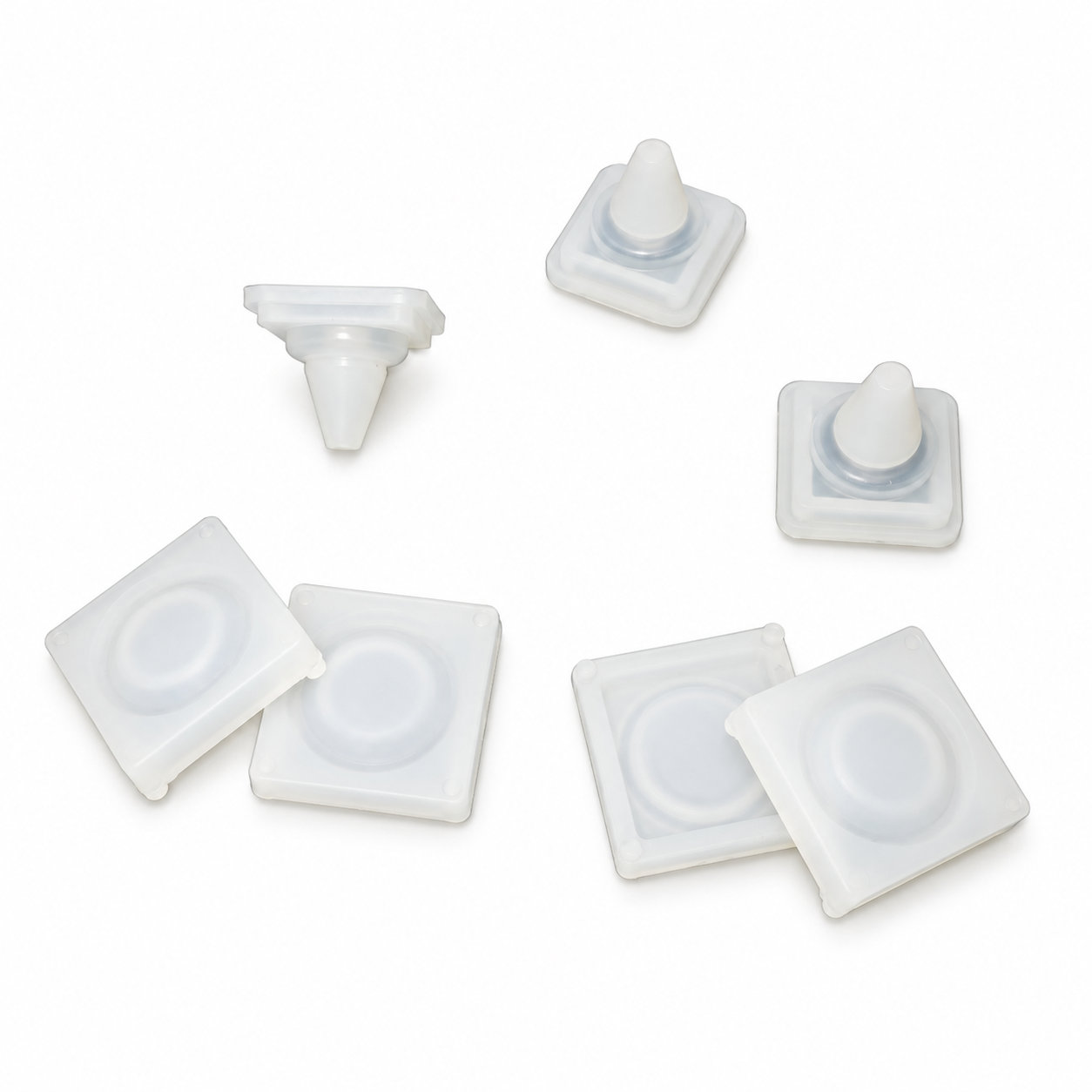
Use the functional prototype to confirm the key positions and the relationship with the circuit board and enclosure. Record the intended operating behavior and identify which dimensions locate the keypad in the housing. Conductive and non-conductive constructions are available; preserve the construction used in the accepted trial when specifying production parts. Keep any underside contact details with the visible layout drawing.
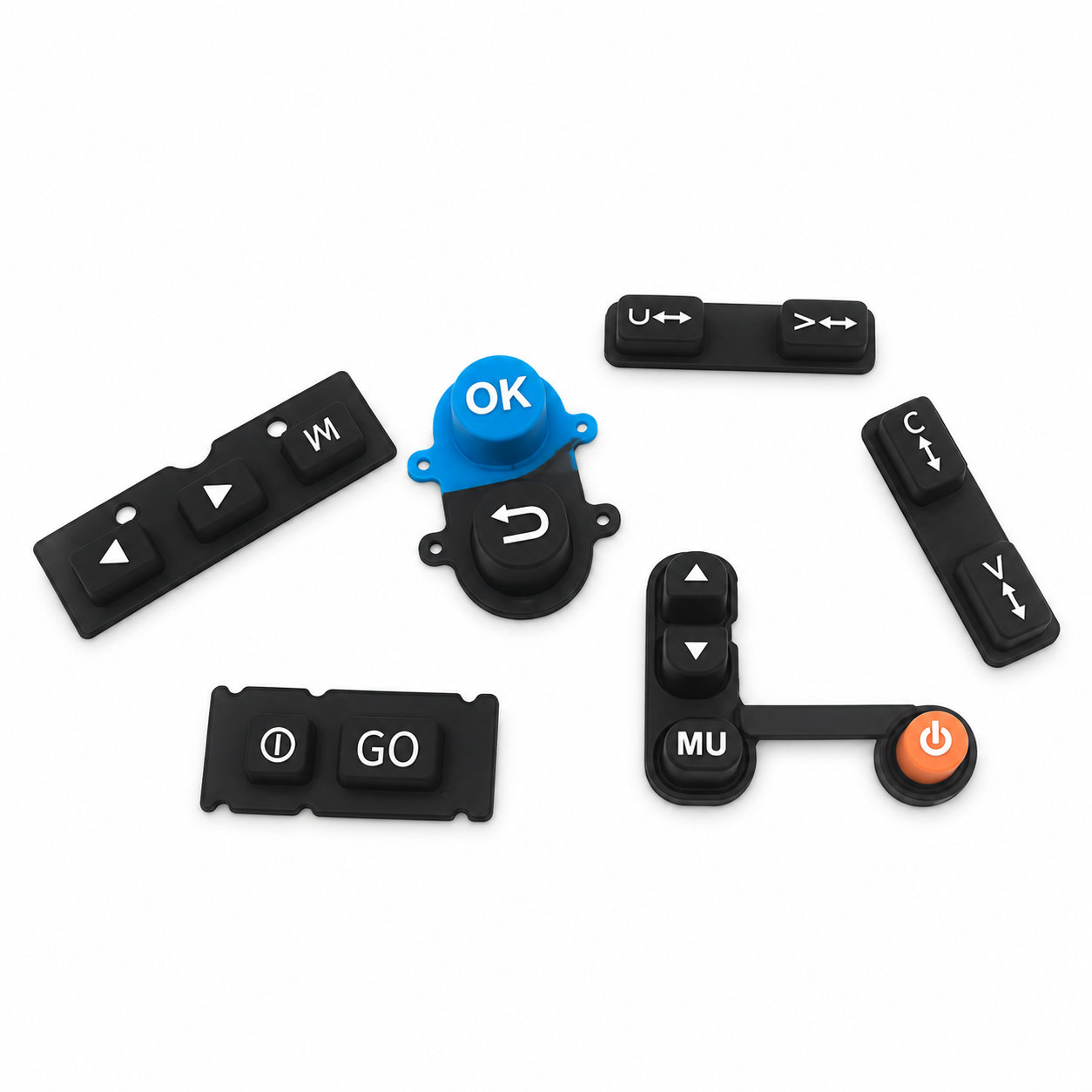
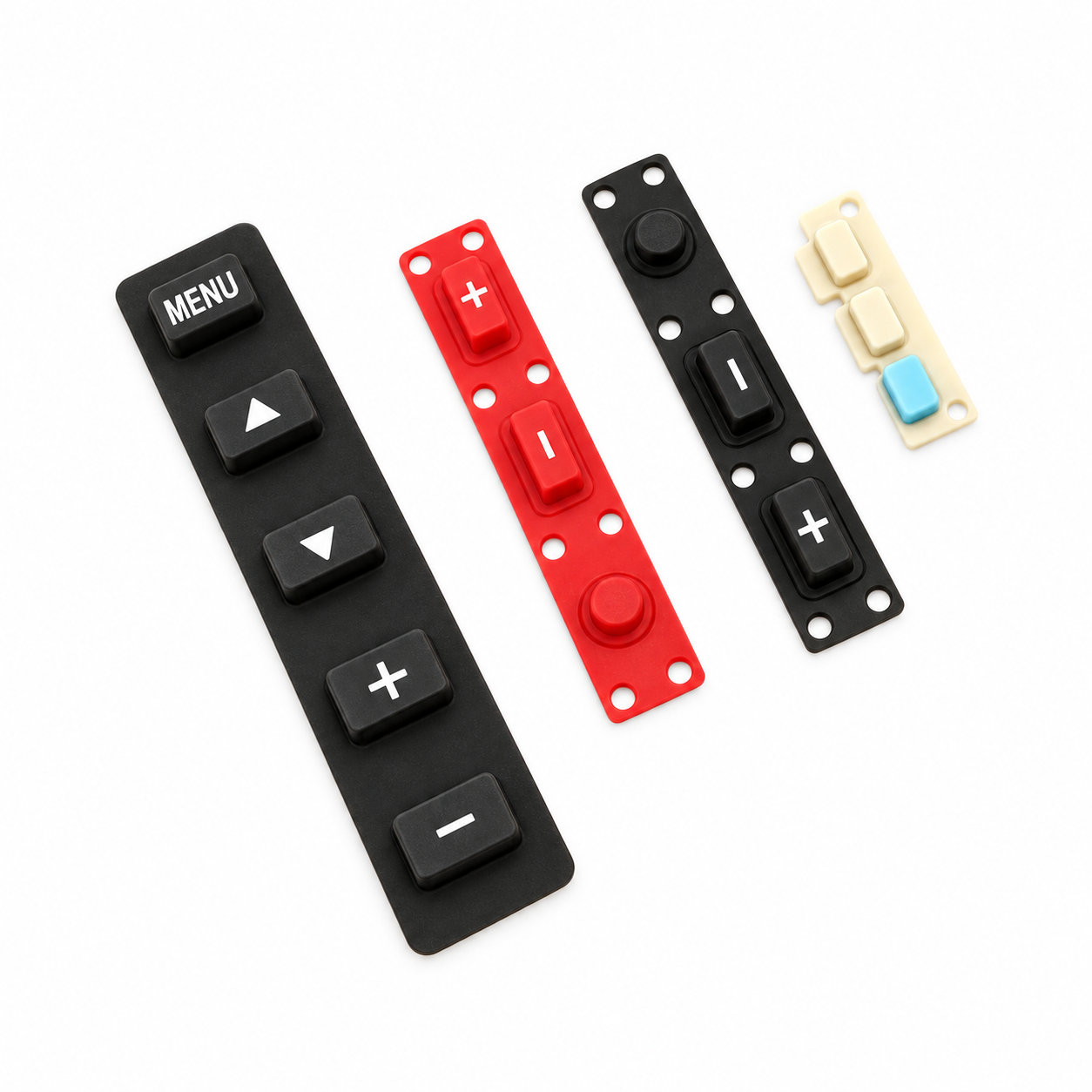
ETOL offers custom geometry, hardness, material, color and marking options. For a production inquiry, separate fixed requirements from items still open to development. Final artwork should carry an identifiable revision, and any required inspection criteria should be supplied with the mechanical file. This creates a shared reference for reviewing molded samples and avoids approving a later part solely because its color and outline resemble the prototype.
When evaluating a production sample of the silicone rubber button keypad, fit it into the reference enclosure and operate it with the intended electronics. Compare key return, alignment and neighboring-key behavior with the approved arrangement. Inspect the legends and the underside before installation, keeping the contact regions free of contamination. If the housing, board or artwork changes, assess whether the existing keypad specification still applies. Retain the approved sample under conditions that avoid stretching or compression during storage. A complete reference package helps connect routine incoming inspection to the functional checks that established the original design.
Photos illustrate structure or material only. A silicone rubber button keypad should move from prototype approval to production with a clear record of what has been accepted. ETOL directly manufactures custom-shaped silicone and rubber parts to your requirements.
Identify key dimensions, mating surfaces and quantity
Agree the compound and manufacturing approach
Review the fit and agreed requirements in the assembly
Manufacture and check against the approved requirements
Identify temperature, contact fluids and repeated movement.
Consider hardness together with wall thickness and support.
Check access, mating dimensions and the fitting sequence.
Yes. Show the receiving opening, contact surfaces and clearance limits. We can review the dimensions and retaining features around the intended fit.
Agree the critical dimensions, material, hardness, visible surfaces and sample requirements. Explain how the part is installed and which interfaces control its function.
A sample can help explain the structure. Compare it with the assembly because wear, swelling or compression may have changed its original dimensions.
The material, part geometry, tooling, quantity and finishing affect the quotation. Include the intended batch size and delivery destination when describing your requirements.
DISCUSS THIS COMPONENT
Share the fit, operating conditions and quantity with our manufacturing team.
EXPLORE RELATED DESIGNS
Explore similar part structures and applications for your next project.