Working conditions
Identify temperature, contact fluids and repeated movement.

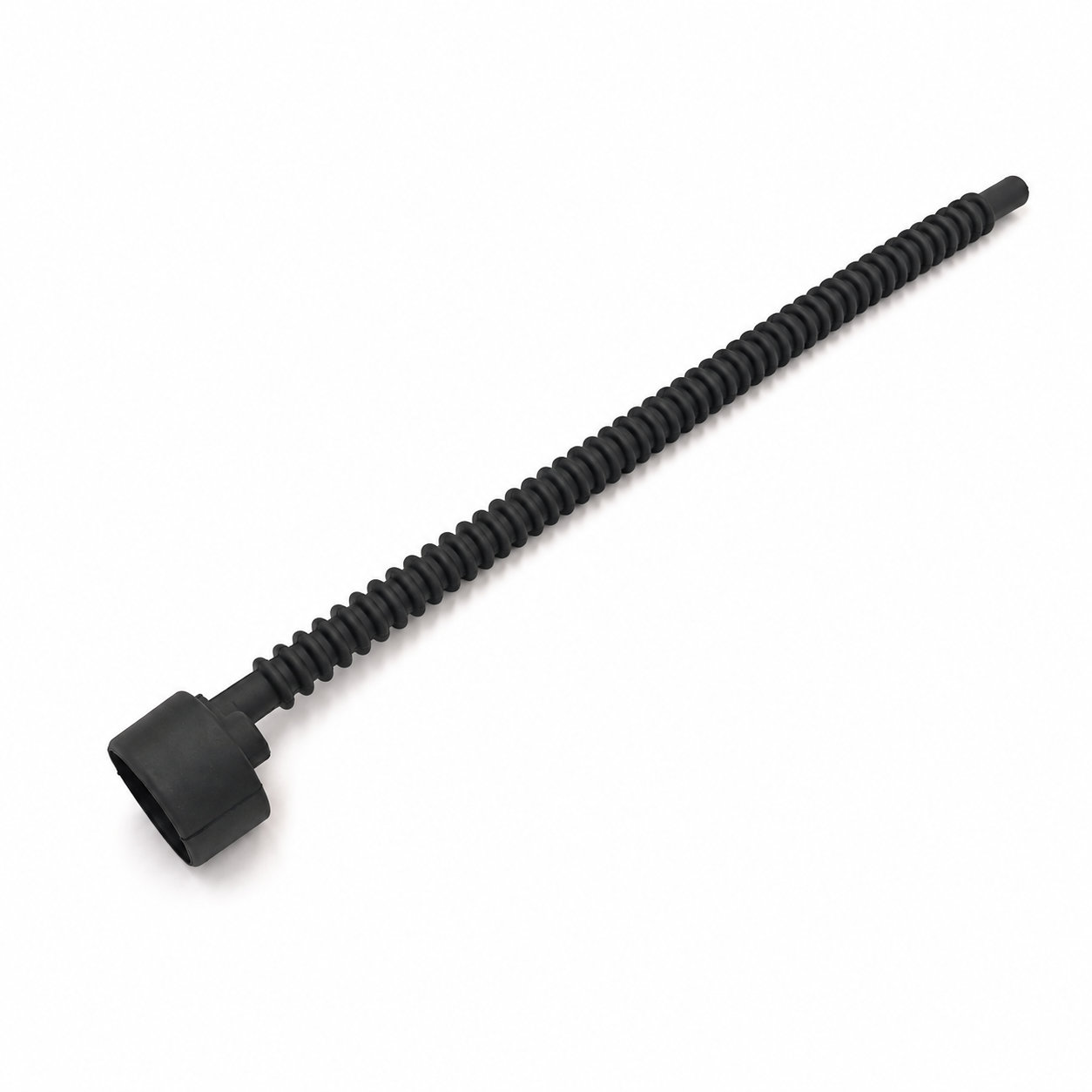
Custom manufacturing example · Custom made rubber bellows expansion joint
CUSTOM RUBBER & SILICONE MANUFACTURING
A custom component for your assembly.
Define the mating surfaces, dimensions and working conditions. ETOL manufactures the part to the agreed design and material.
Share the part, its application and your estimated quantity.
Selected for the contact, temperature and movement
Define the visible surfaces and intended color
Develop holes, lips and walls around the mating parts
Match the attachment and installation method
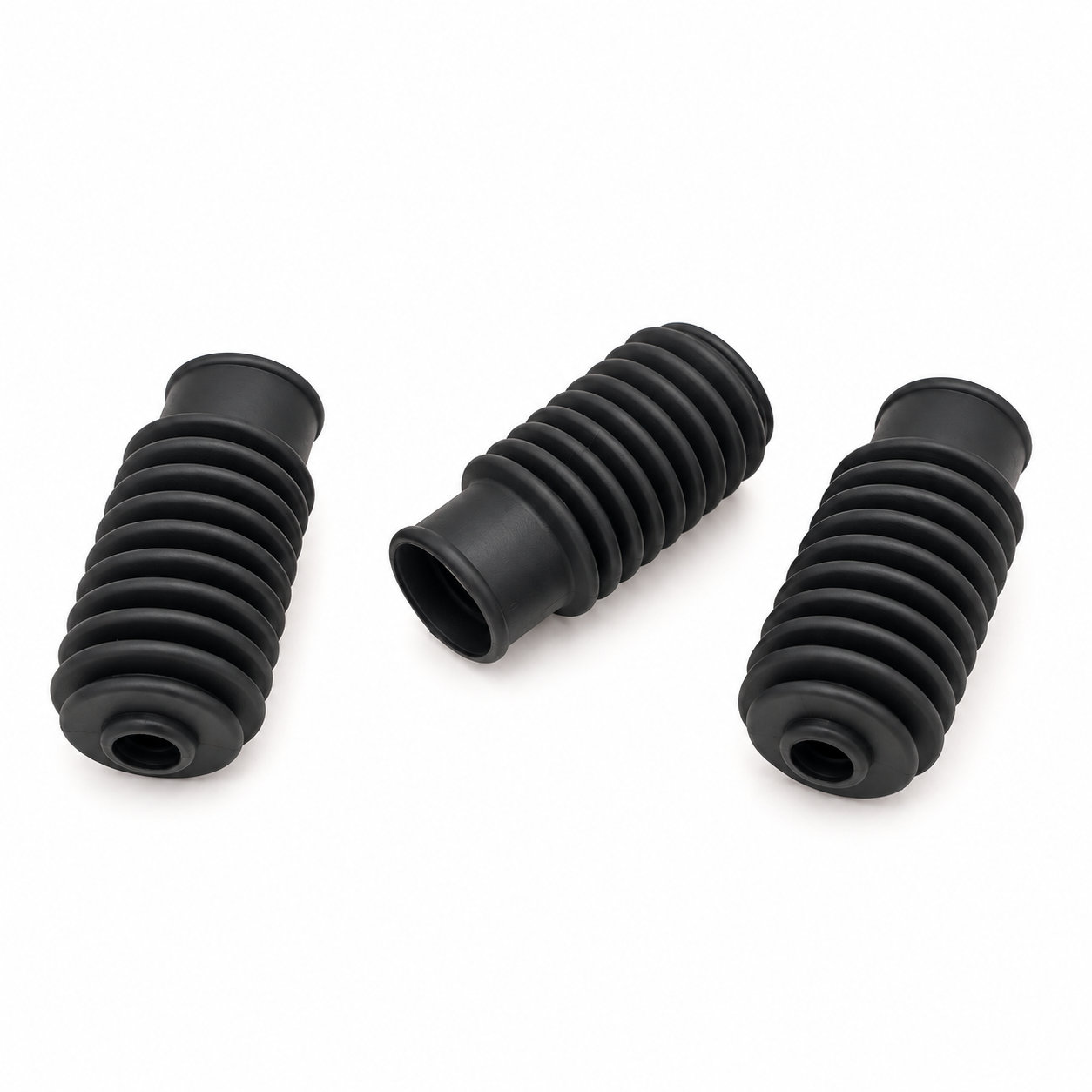
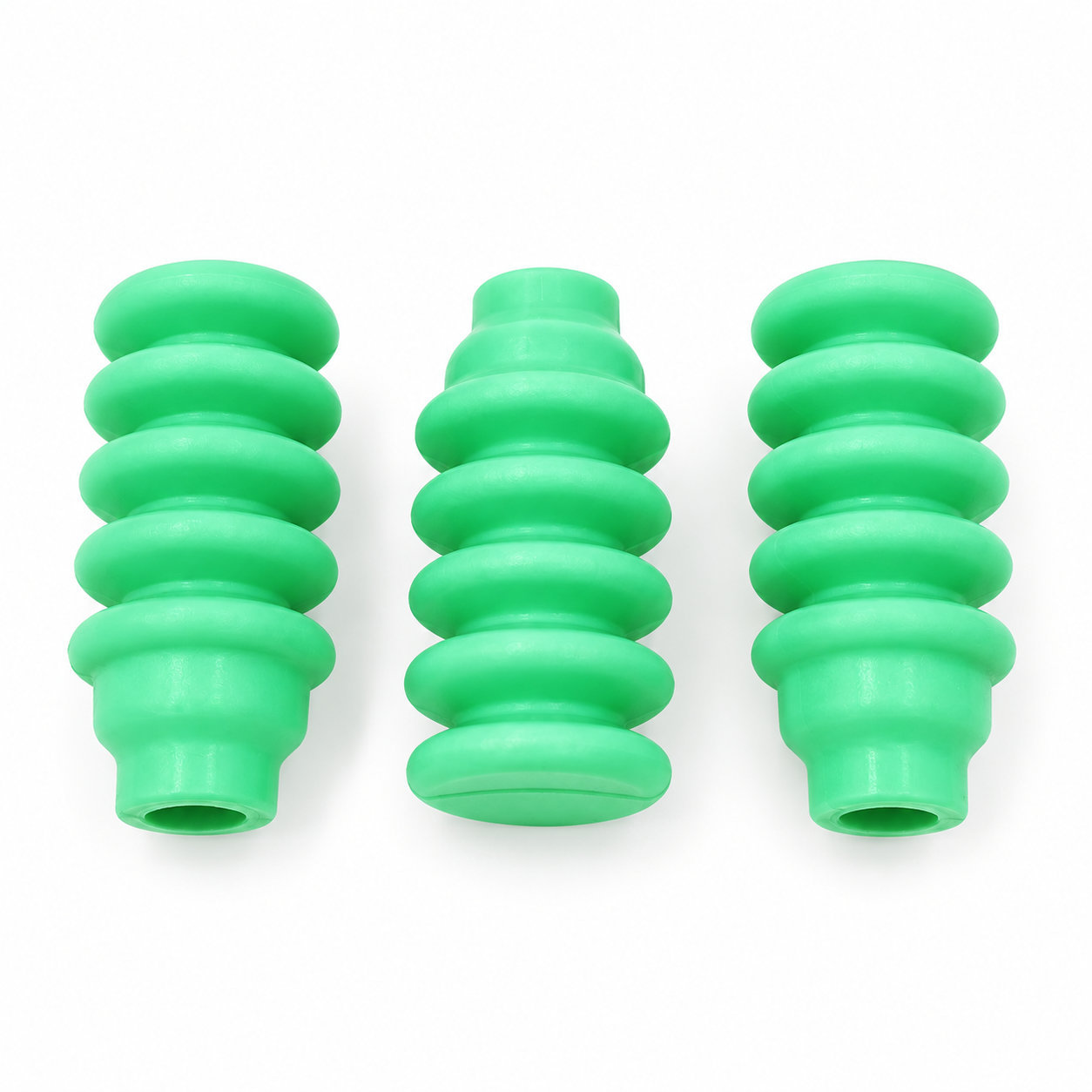
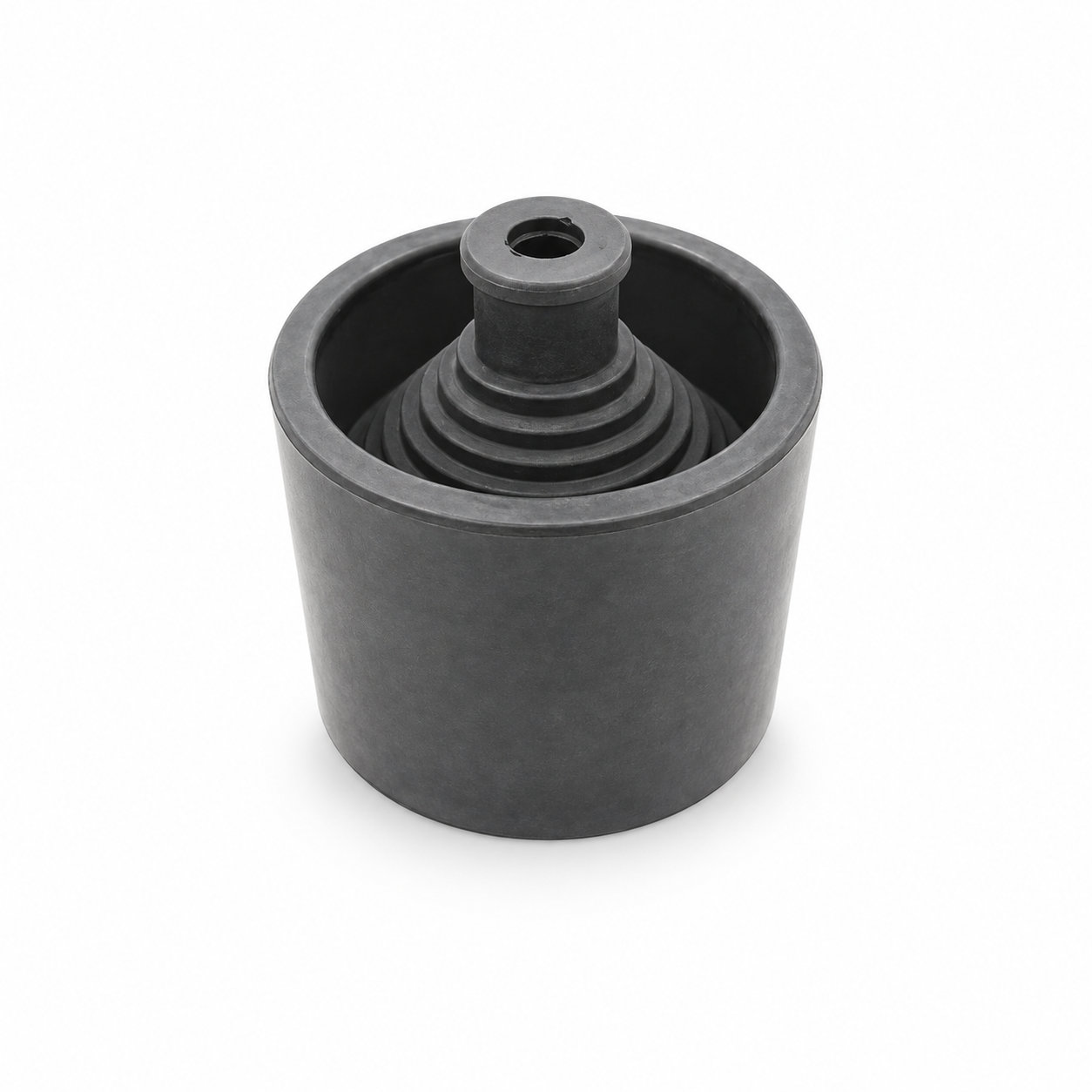
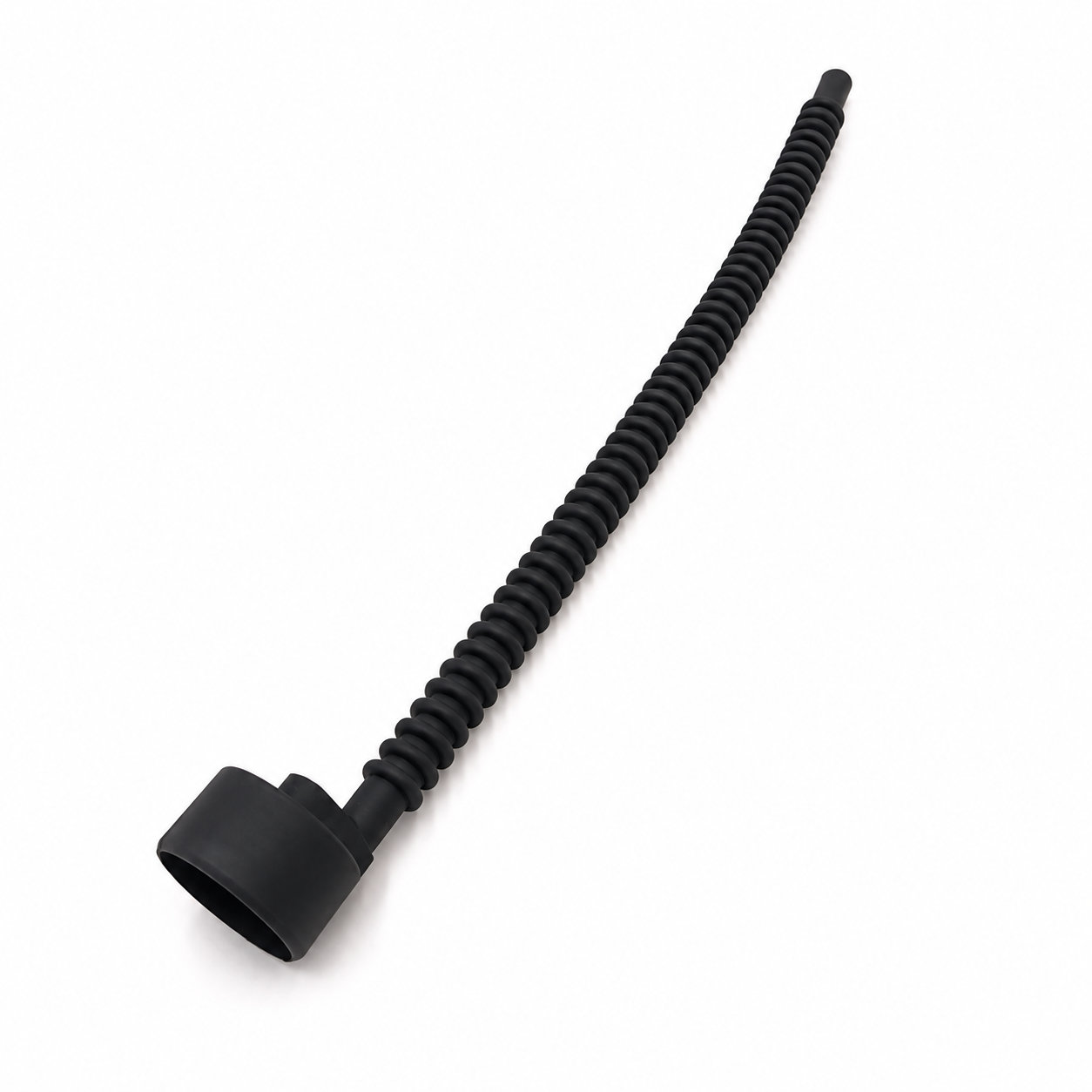
A custom rubber bellows expansion joint introduces a flexible section between adjoining parts. Its folded geometry can be developed around a change in length or alignment, with the material and dimensions selected for the intended assembly. The expected movement needs to be defined before the resting shape is finalized.
Axial movement, lateral offset, and angular movement place different demands on the folds. Where the application combines them, evaluate their combined positions rather than checking each movement only on its own. The ends should remain properly supported and aligned by the surrounding assembly. The bellows should not be used to pull poorly positioned rigid parts into place during installation.
The available space must accommodate the bellows at its widest and shortest operating forms. Nearby brackets should stay clear of the folds throughout travel. Installation should also avoid torsion: twisting one end while securing it can leave the flexible section carrying a permanent distortion.
Material compatibility depends on the substances reaching the inner and outer surfaces and the local temperature. If the joint is part of a fluid system, the complete construction requires assessment for the intended pressure and medium. Custom size and a bellows shape alone do not establish those limits. Periodic inspection should include the end connections and fold roots, particularly where motion or nearby hardware could concentrate wear.
Photos illustrate structure or material appearance only. Axial movement, lateral offset, and angular movement place different demands on the folds. ETOL directly manufactures custom-shaped silicone and rubber parts to your requirements.
Identify key dimensions, mating surfaces and quantity
Agree the compound and manufacturing approach
Review the fit and agreed requirements in the assembly
Manufacture and check against the approved requirements
Identify temperature, contact fluids and repeated movement.
Consider hardness together with wall thickness and support.
Check access, mating dimensions and the fitting sequence.
Yes. Show the receiving opening, contact surfaces and clearance limits. We can review the dimensions and retaining features around the intended fit.
Agree the critical dimensions, material, hardness, visible surfaces and sample requirements. Explain how the part is installed and which interfaces control its function.
A sample can help explain the structure. Compare it with the assembly because wear, swelling or compression may have changed its original dimensions.
The material, part geometry, tooling, quantity and finishing affect the quotation. Include the intended batch size and delivery destination when describing your requirements.
DISCUSS THIS COMPONENT
Share the fit, operating conditions and quantity with our manufacturing team.
EXPLORE RELATED DESIGNS
Explore similar part structures and applications for your next project.