Working conditions
Identify temperature, contact fluids and repeated movement.

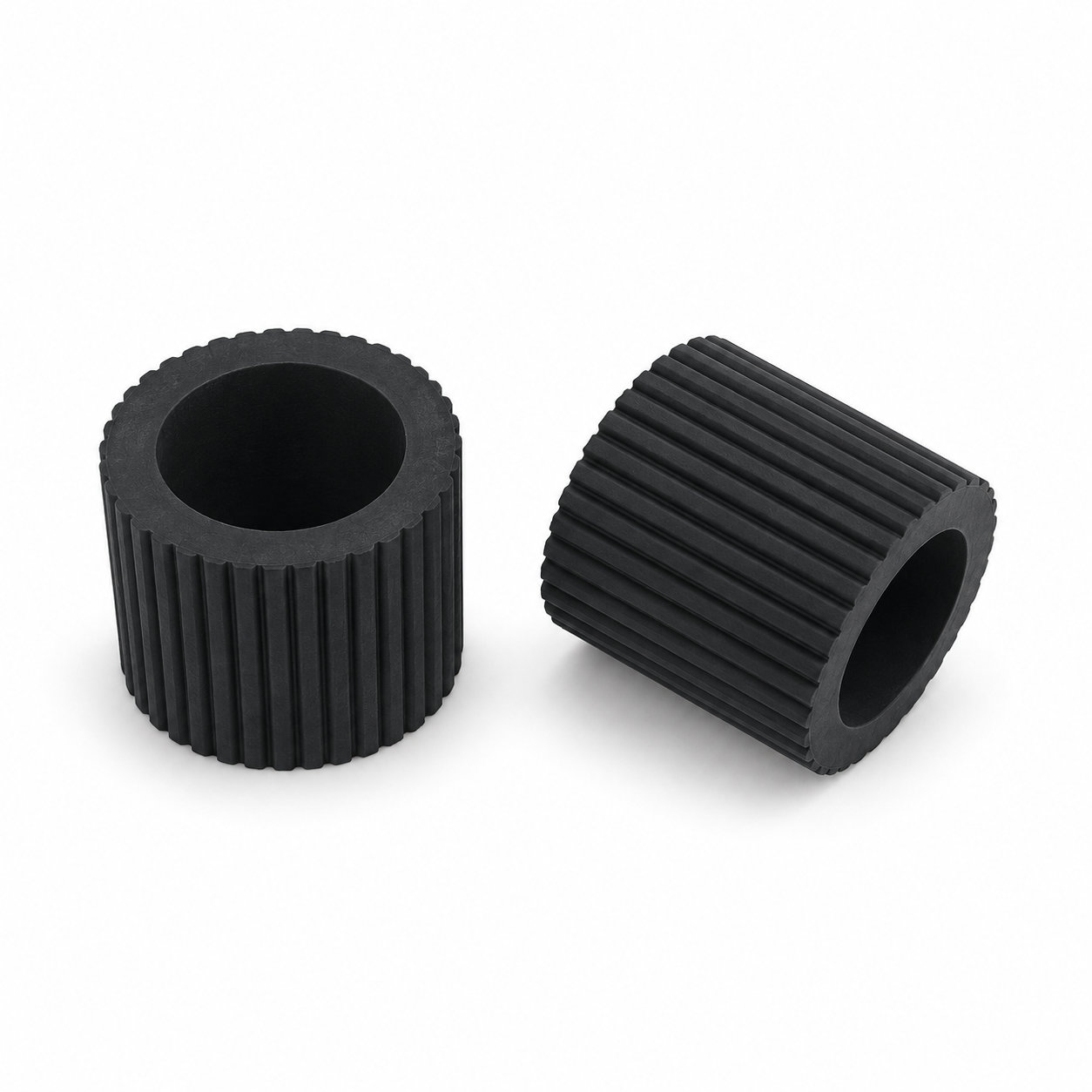
Custom manufacturing example · Custom made rubber bushes sleeve Bearings
CUSTOM RUBBER & SILICONE MANUFACTURING
A custom component for your assembly.
Define the mating surfaces, dimensions and working conditions. ETOL manufactures the part to the agreed design and material.
Share the part, its application and your estimated quantity.
Selected for the contact, temperature and movement
Define the visible surfaces and intended color
Develop holes, lips and walls around the mating parts
Match the attachment and installation method
Rubber bushes can form a flexible sleeve interface around a matching mechanical component, providing a protective connection between parts. Establish whether the sleeve protects an interface, accommodates limited movement or forms part of a rotating joint, since each role places different demands on its fit and support.
Provide a section through the joint showing the inner member, outer housing and axial restraints. Record whether movement is limited deflection, repeated oscillation or rotation, and identify which surfaces are expected to move relative to each other. The inner diameter, outer diameter and installed length all influence fit. A sleeve that is compressed into a housing may have a different internal clearance after installation than when measured loose.
The listed material options include EPDM, silicone, nitrile and other compounds, with custom shapes available. Selection should follow the actual exposure and movement requirements. Tell ETOL about contact with lubricants, dirt or moisture, and specify whether the sleeve is intended to protect an opening or form part of a load-bearing connection. Assess any required bearing duty with the mating members, lubrication and operating movement defined for the finished joint.
During a sample trial, inspect the sleeve after it has been installed in the mating housing. Check for folded edges, local pinching and unintended contact between rigid components. Use only an assembly aid that has been confirmed compatible with the selected material. After representative movement, examine the contact surfaces for wear or migration and verify that the joint still has its required clearance. Submit the complete joint drawing with the inquiry, including the intended motion, so that the proposed sleeve can be evaluated for its actual mechanical function rather than only its external shape.
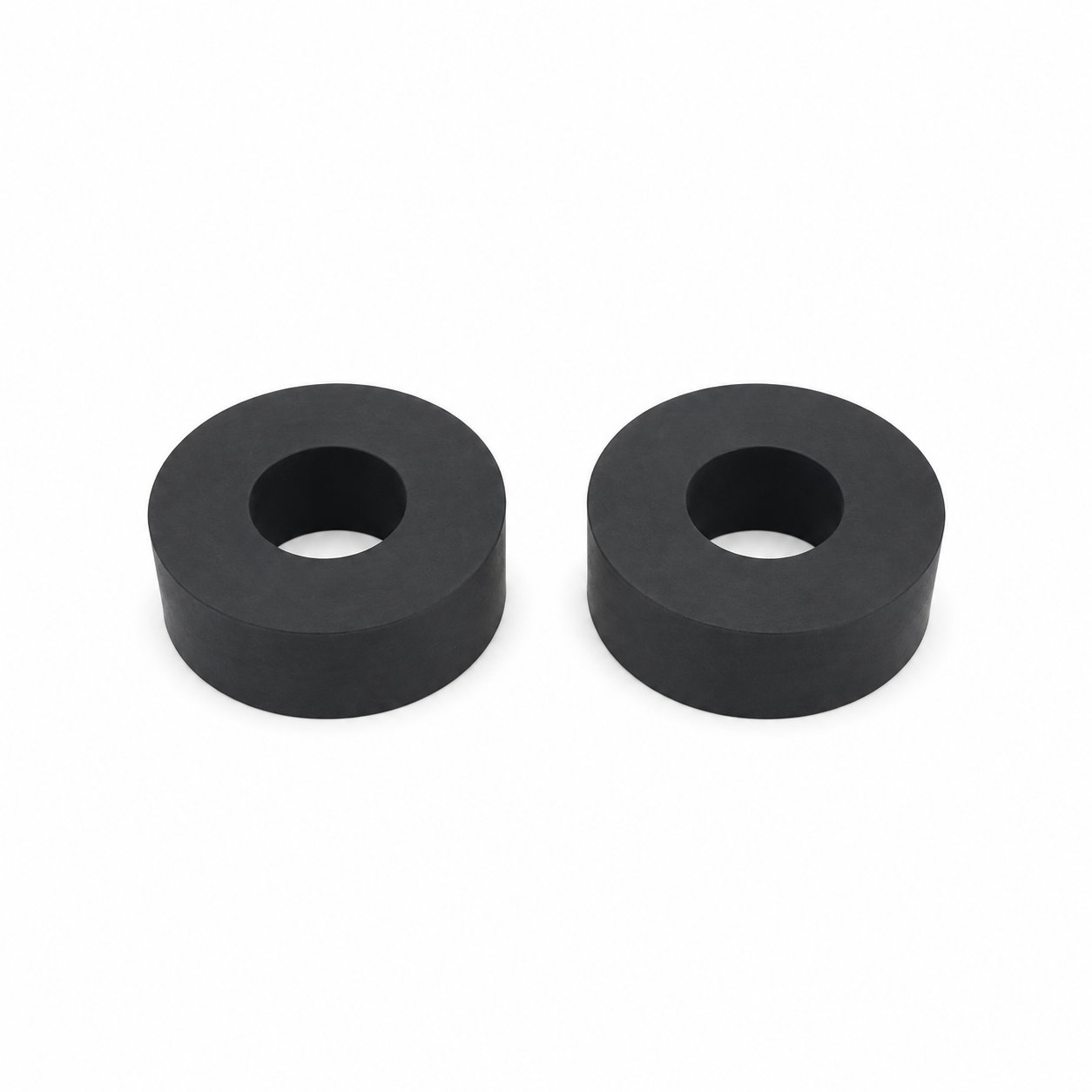
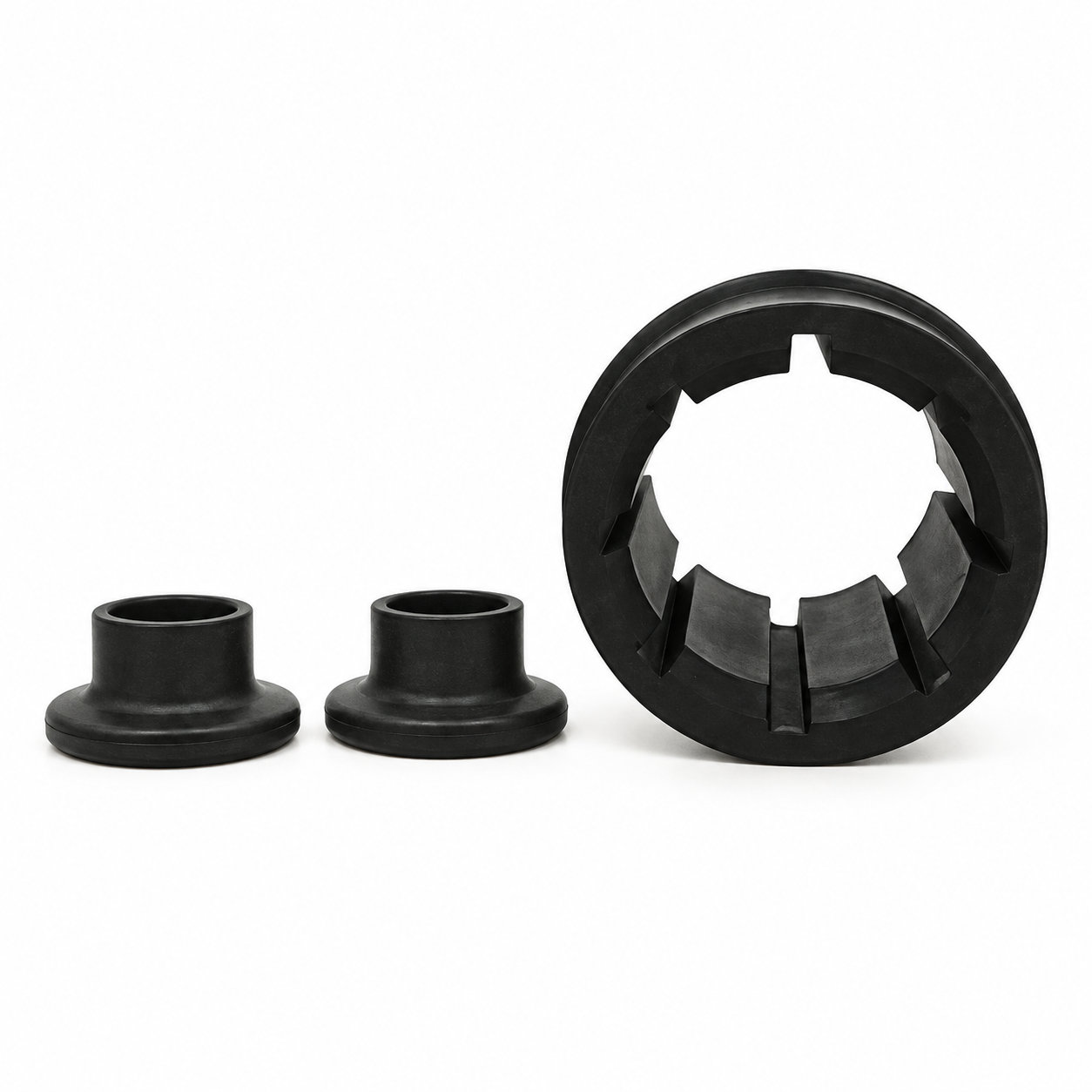
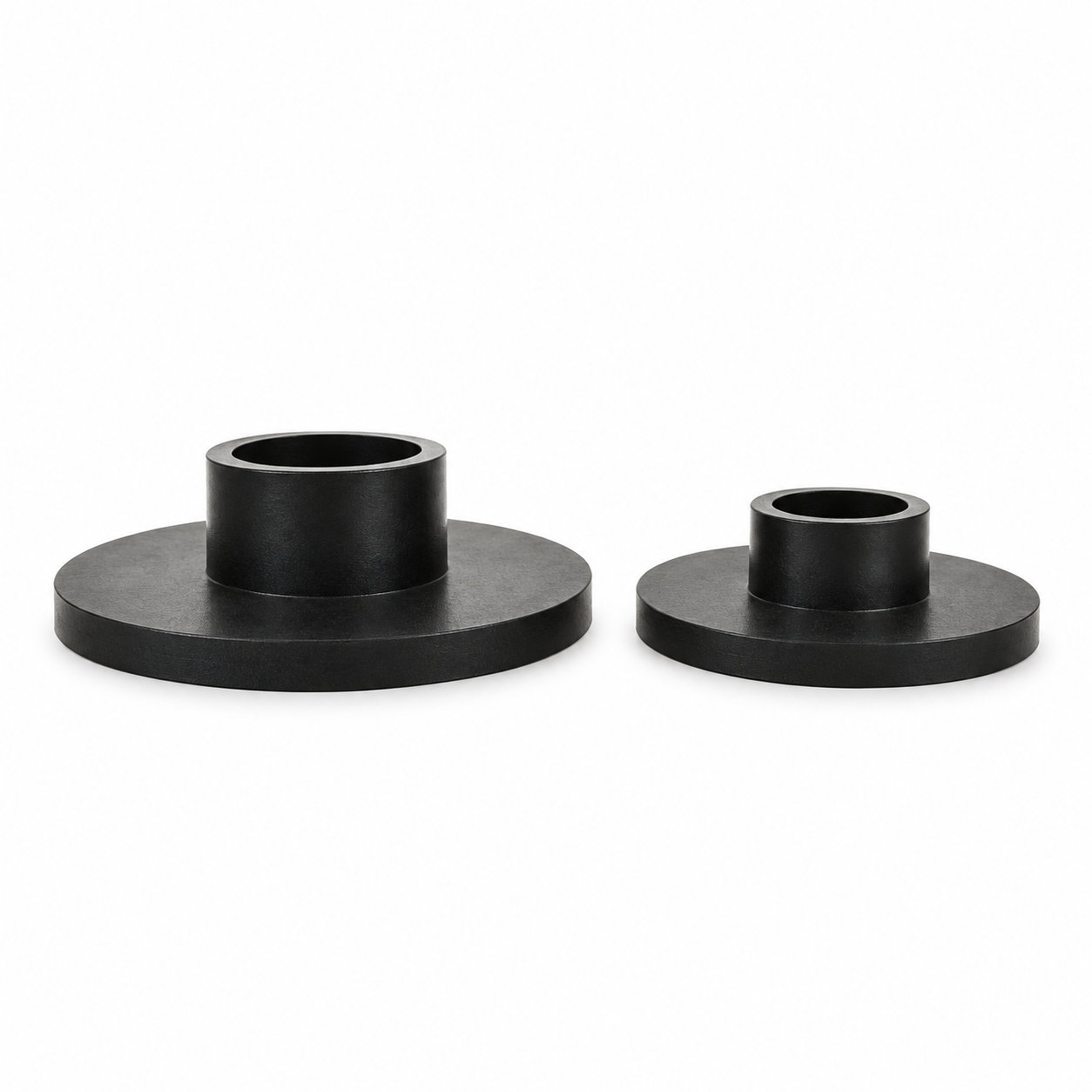
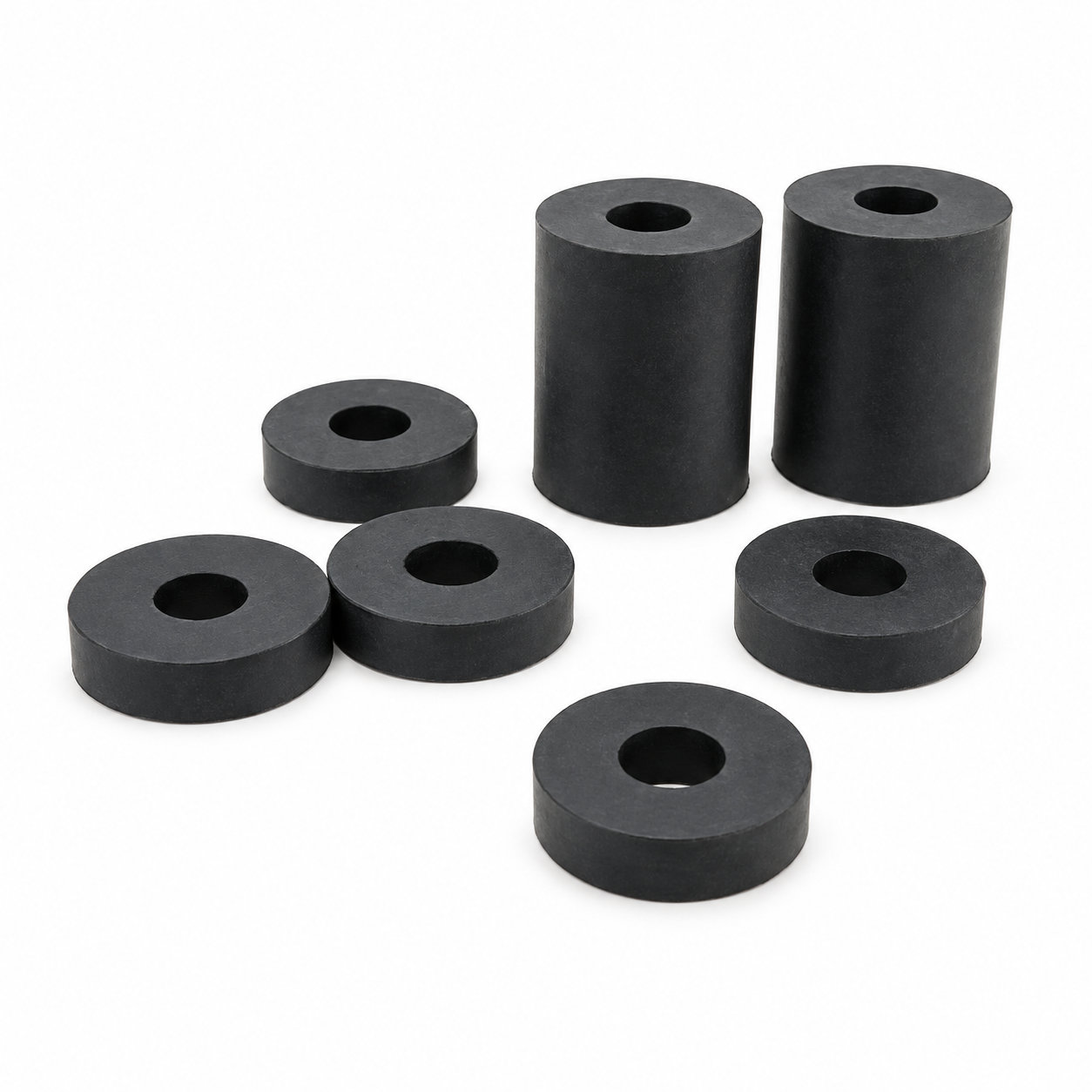
Photos illustrate structure or material appearance only. The inner diameter, outer diameter and installed length all influence fit. ETOL directly manufactures custom-shaped silicone and rubber parts to your requirements.
Identify key dimensions, mating surfaces and quantity
Agree the compound and manufacturing approach
Review the fit and agreed requirements in the assembly
Manufacture and check against the approved requirements
Identify temperature, contact fluids and repeated movement.
Consider hardness together with wall thickness and support.
Check access, mating dimensions and the fitting sequence.
Yes. Show the receiving opening, contact surfaces and clearance limits. We can review the dimensions and retaining features around the intended fit.
Agree the critical dimensions, material, hardness, visible surfaces and sample requirements. Explain how the part is installed and which interfaces control its function.
A sample can help explain the structure. Compare it with the assembly because wear, swelling or compression may have changed its original dimensions.
The material, part geometry, tooling, quantity and finishing affect the quotation. Include the intended batch size and delivery destination when describing your requirements.
DISCUSS THIS COMPONENT
Share the fit, operating conditions and quantity with our manufacturing team.
EXPLORE RELATED DESIGNS
Explore similar part structures and applications for your next project.