Working conditions
Identify temperature, contact fluids and repeated movement.

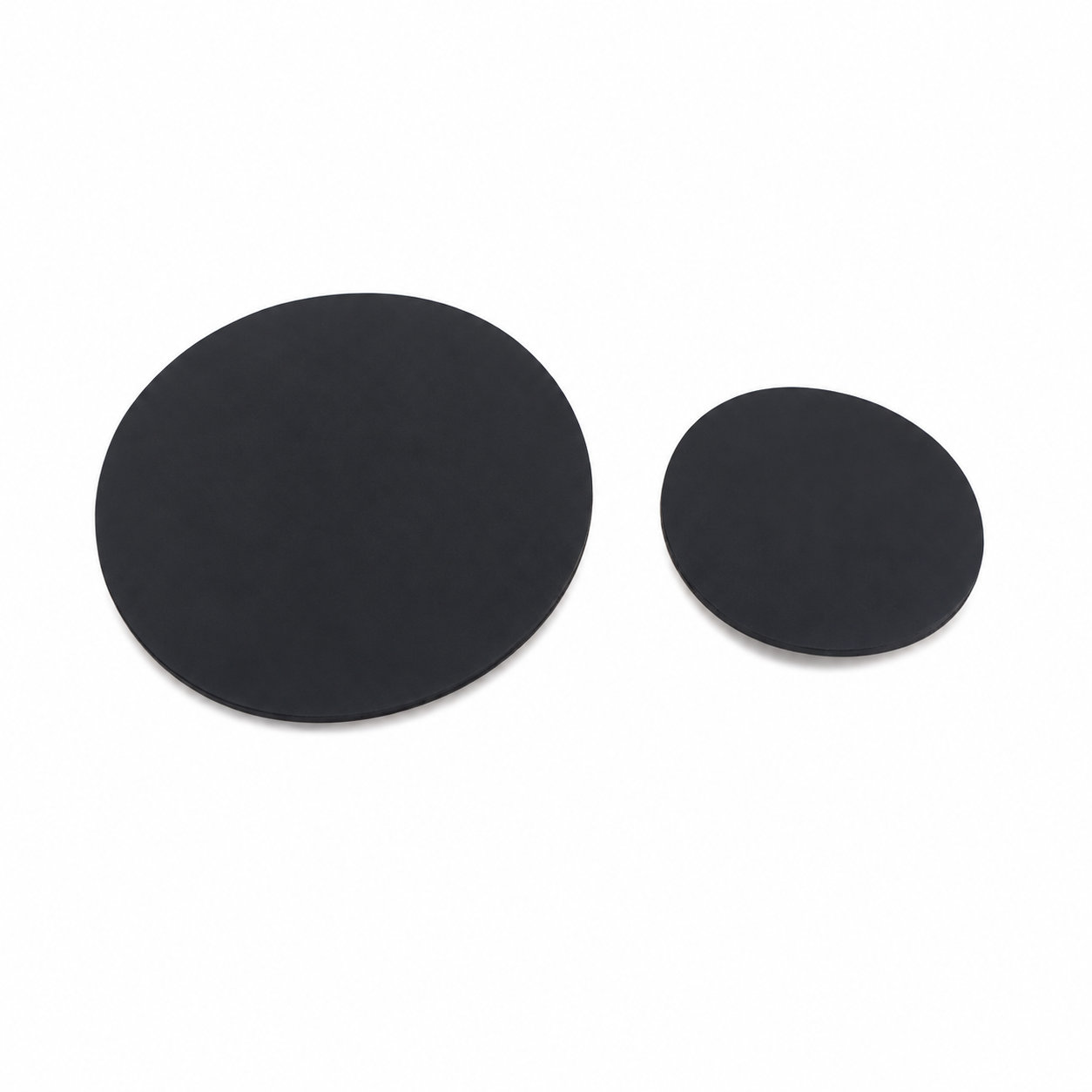
Custom manufacturing example · Low Price Customized Silicone Self Adhesive Rubber Pads
CUSTOM RUBBER & SILICONE MANUFACTURING
A custom component for your assembly.
Define the mating surfaces, dimensions and working conditions. ETOL manufactures the part to the agreed design and material.
Share the part, its application and your estimated quantity.
Selected for the contact, temperature and movement
Define the visible surfaces and intended color
Develop holes, lips and walls around the mating parts
Match the attachment and installation method
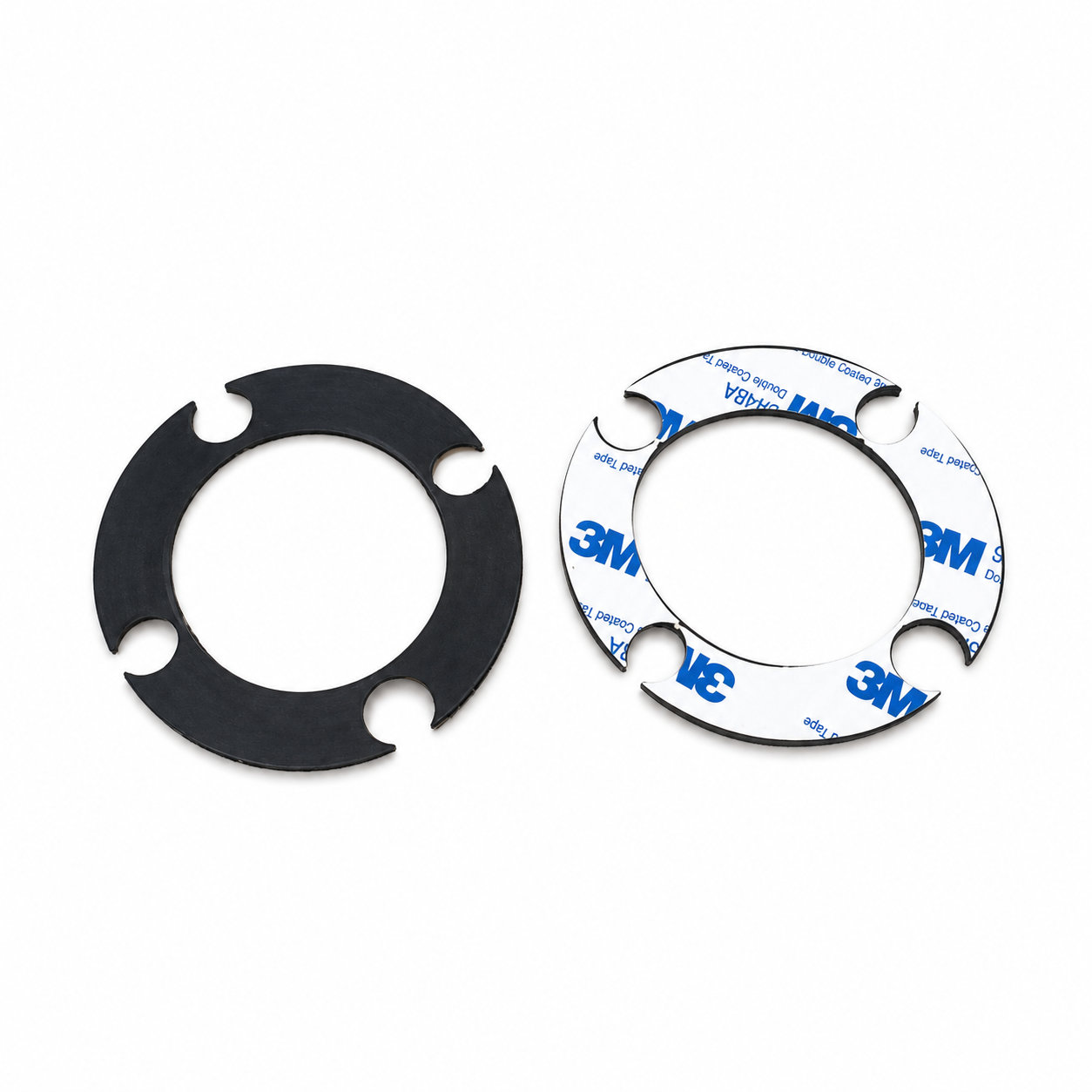
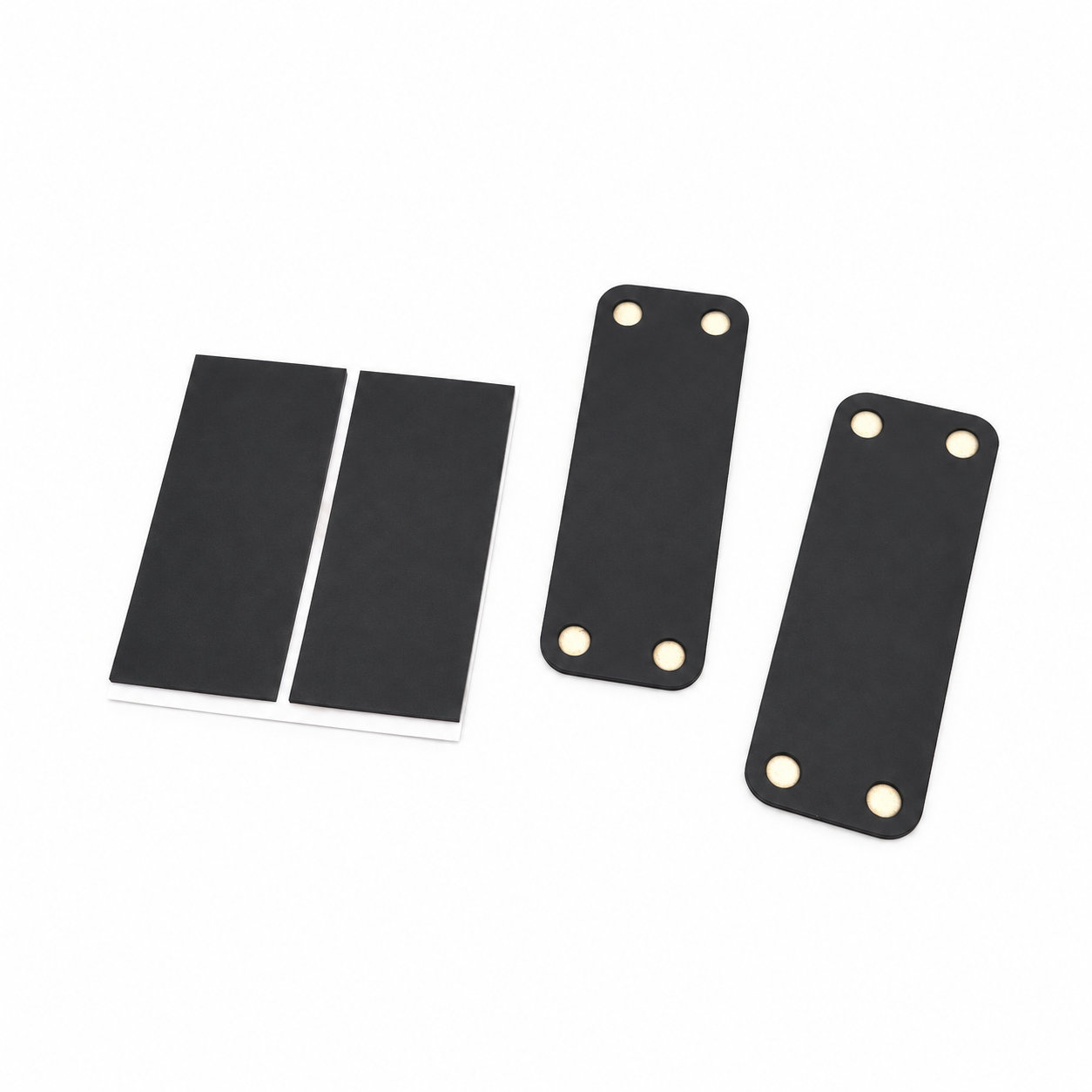
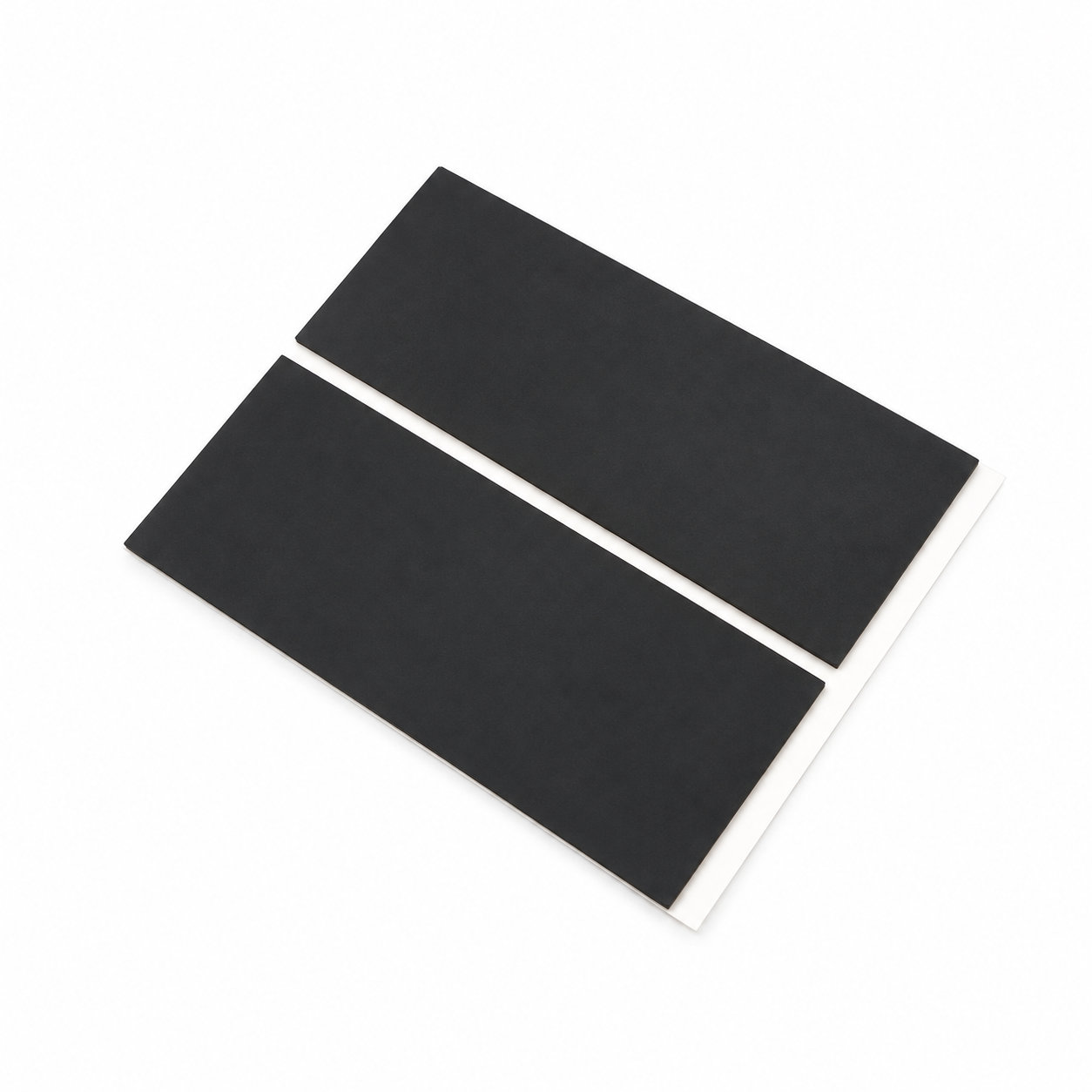
Self adhesive rubber pads create individual contact points without requiring a molded locating hole in every mating surface. They can be positioned on a suitable prepared substrate to provide a flexible pad where a component rests or makes contact. For repeatable assembly, the pad's footprint, thickness and placement need to be defined alongside the adhesive backing.
Map the intended positions on the product drawing rather than leaving placement to visual judgment. Small differences in spacing can affect how a housing rests, and a pad placed over an edge or recess may have only part of its backing supported. Where several pads are applied to one product, a simple positioning reference can help keep the arrangement consistent during assembly.
Size, color, material and hardness can be customized. Discuss the backing with ETOL using the actual substrate and surface finish, including any coating or texture. Also describe the time between application and loading, the operating environment and whether the pad must later be removed. Select the adhesive backing for the actual substrate, surface condition and installation sequence so the bond suits the way the pad will be loaded.
Apply self adhesive rubber pads according to the preparation and application instructions for the selected backing. Keep the exposed adhesive free from fingerprints and dust, and avoid touching the bond face while aligning the part. Confirm that the full pad is supported and that the required settling period is respected before normal loading. Inspect for edge lifting or sideways movement during the sample trial. If removal is part of maintenance, evaluate the effect on the substrate and do not assume a used pad can be bonded again. For quotation, provide the pad layout and substrate details with the desired thickness so the contact geometry and production application method can be reviewed together.
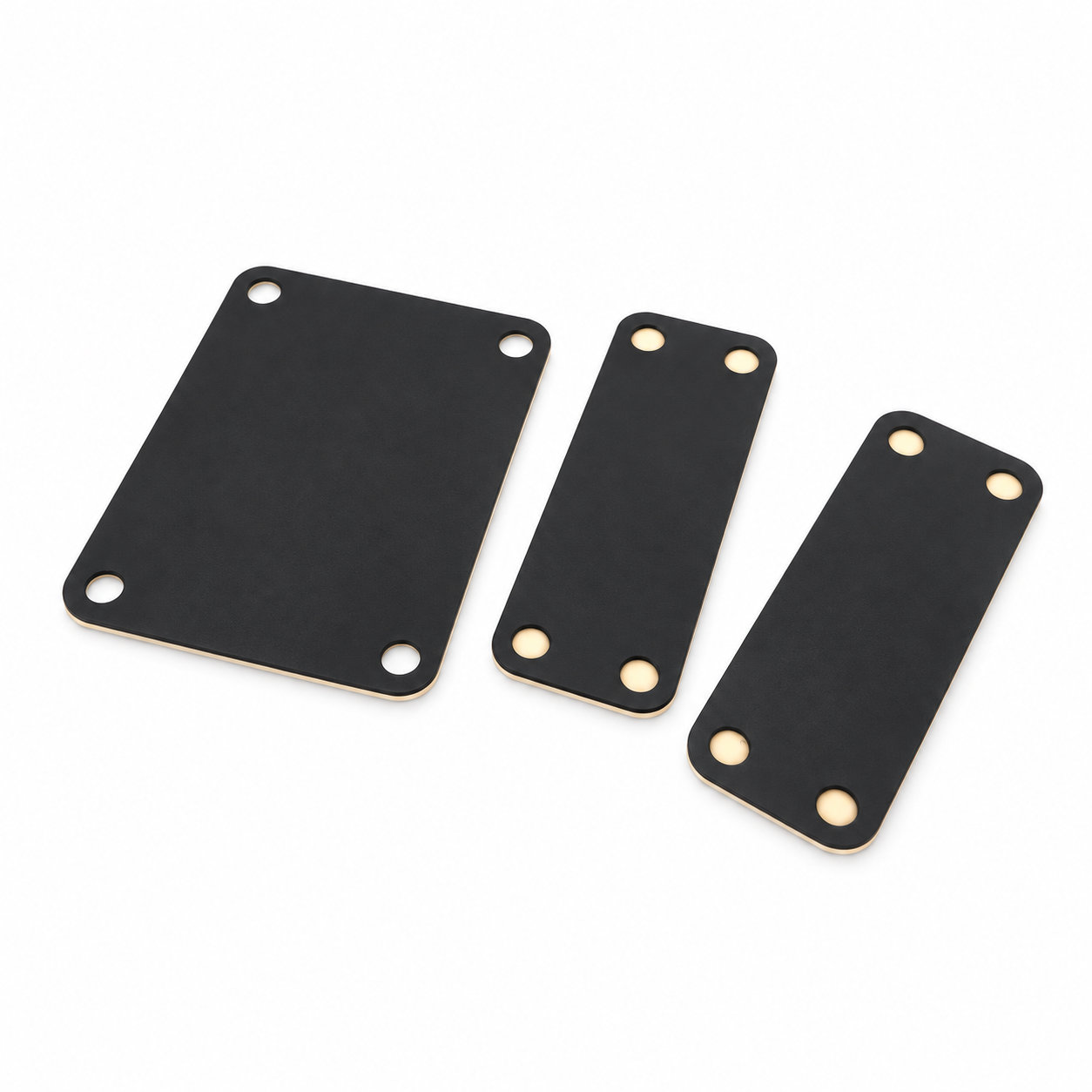
Photos illustrate structure or material only. For repeatable assembly, the pad's footprint, thickness and placement need to be defined alongside the adhesive backing. ETOL directly manufactures custom-shaped silicone and rubber parts to your requirements.
Identify key dimensions, mating surfaces and quantity
Agree the compound and manufacturing approach
Review the fit and agreed requirements in the assembly
Manufacture and check against the approved requirements
Identify temperature, contact fluids and repeated movement.
Consider hardness together with wall thickness and support.
Check access, mating dimensions and the fitting sequence.
Yes. Show the receiving opening, contact surfaces and clearance limits. We can review the dimensions and retaining features around the intended fit.
Agree the critical dimensions, material, hardness, visible surfaces and sample requirements. Explain how the part is installed and which interfaces control its function.
A sample can help explain the structure. Compare it with the assembly because wear, swelling or compression may have changed its original dimensions.
The material, part geometry, tooling, quantity and finishing affect the quotation. Include the intended batch size and delivery destination when describing your requirements.
DISCUSS THIS COMPONENT
Share the fit, operating conditions and quantity with our manufacturing team.
EXPLORE RELATED DESIGNS
Explore similar part structures and applications for your next project.