Working conditions
Identify temperature, contact fluids and repeated movement.

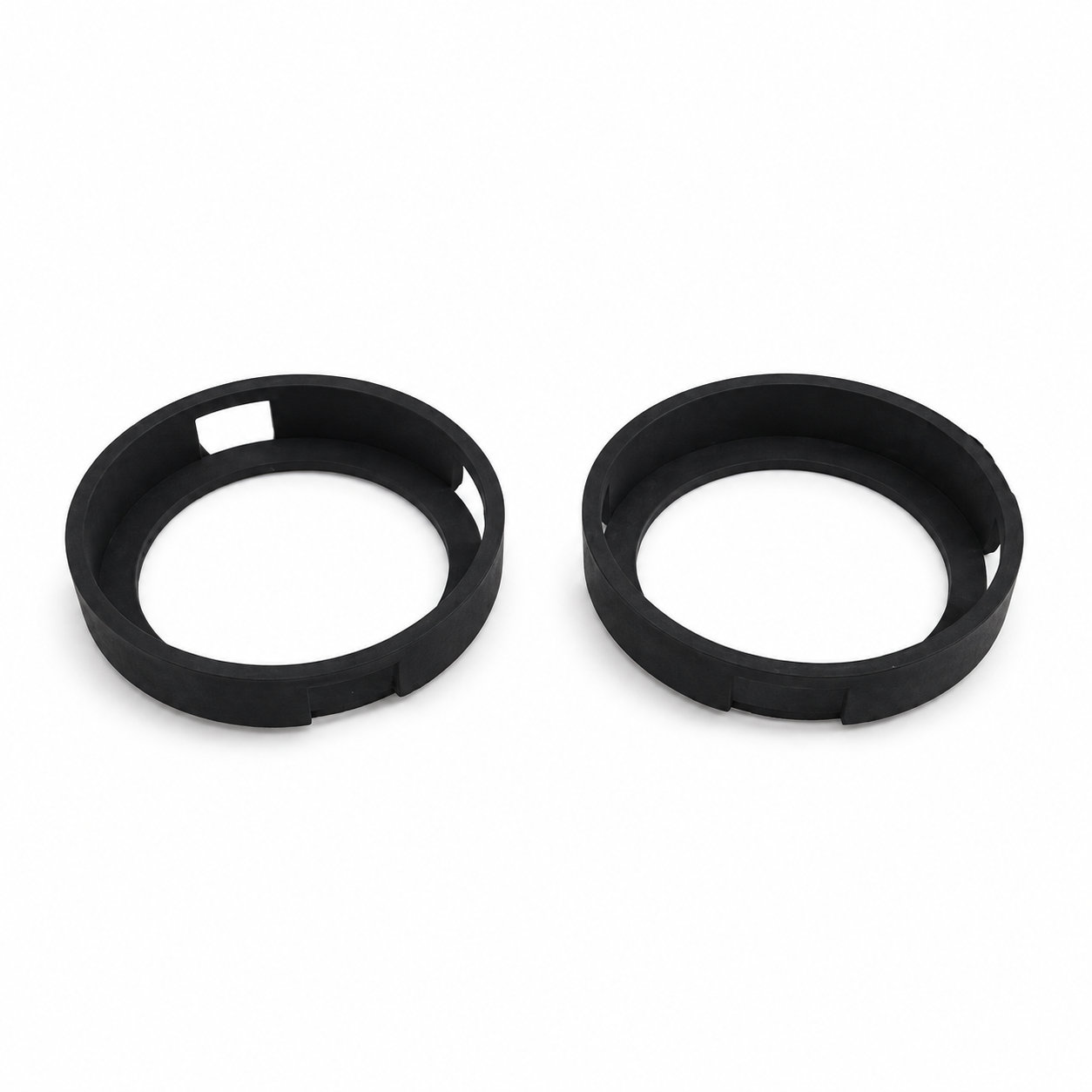
Custom manufacturing example · Silicone rubber band/ Custom rubber washer
CUSTOM RUBBER & SILICONE MANUFACTURING
A custom component for your assembly.
Define the mating surfaces, dimensions and working conditions. ETOL manufactures the part to the agreed design and material.
Share the part, its application and your estimated quantity.
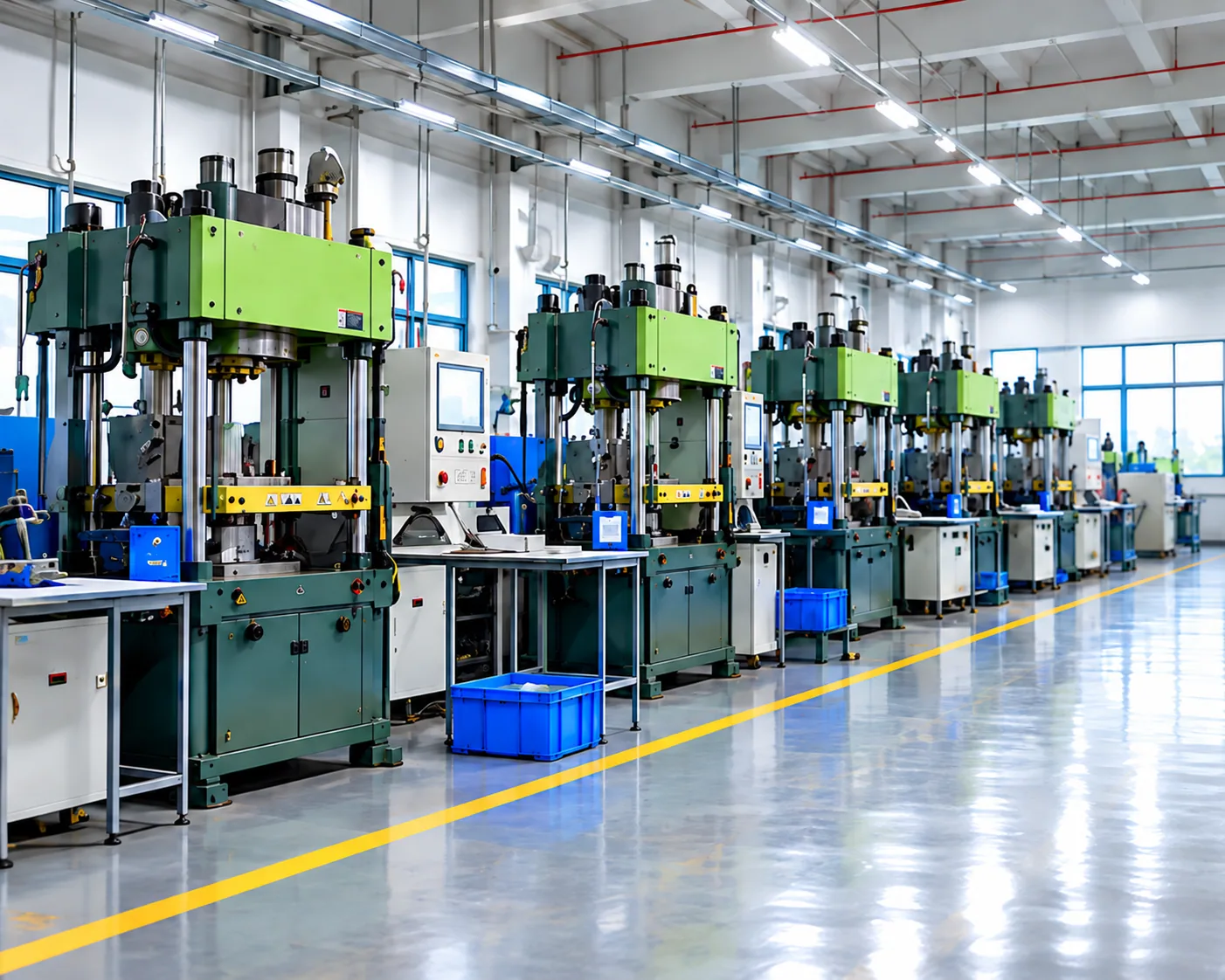
Selected for the contact, temperature and movement
Define the visible surfaces and intended color
Develop holes, lips and walls around the mating parts
Match the attachment and installation method
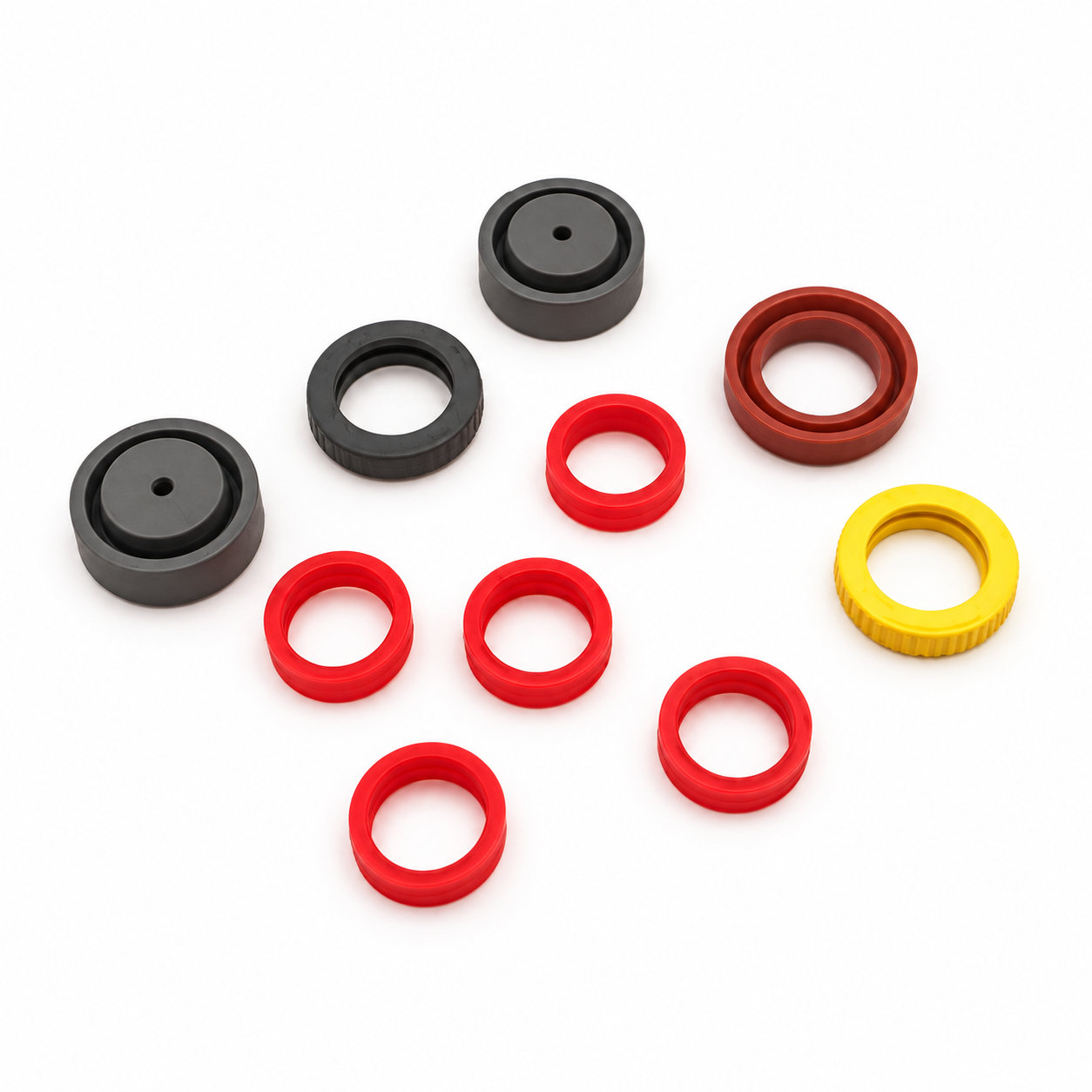
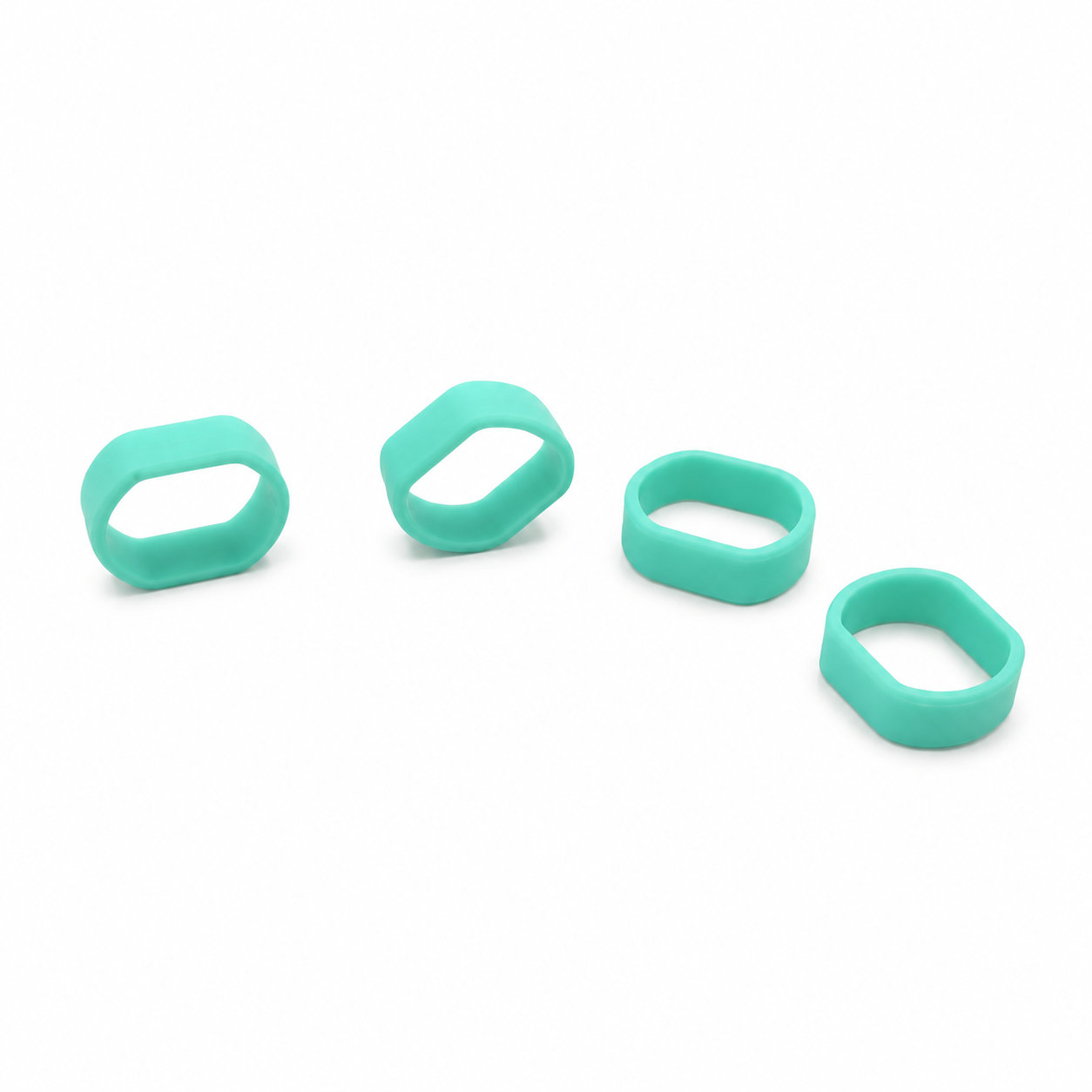
A custom rubber washer creates a compliant interface between matching surfaces, with its inner opening and outer profile shaped around the assembly. Silicone rubber band configurations require a different fit assessment, so define the intended function before selecting dimensions. A ring used under compression between two faces is evaluated differently from a band held in tension around an object, even when the loose parts look similar.
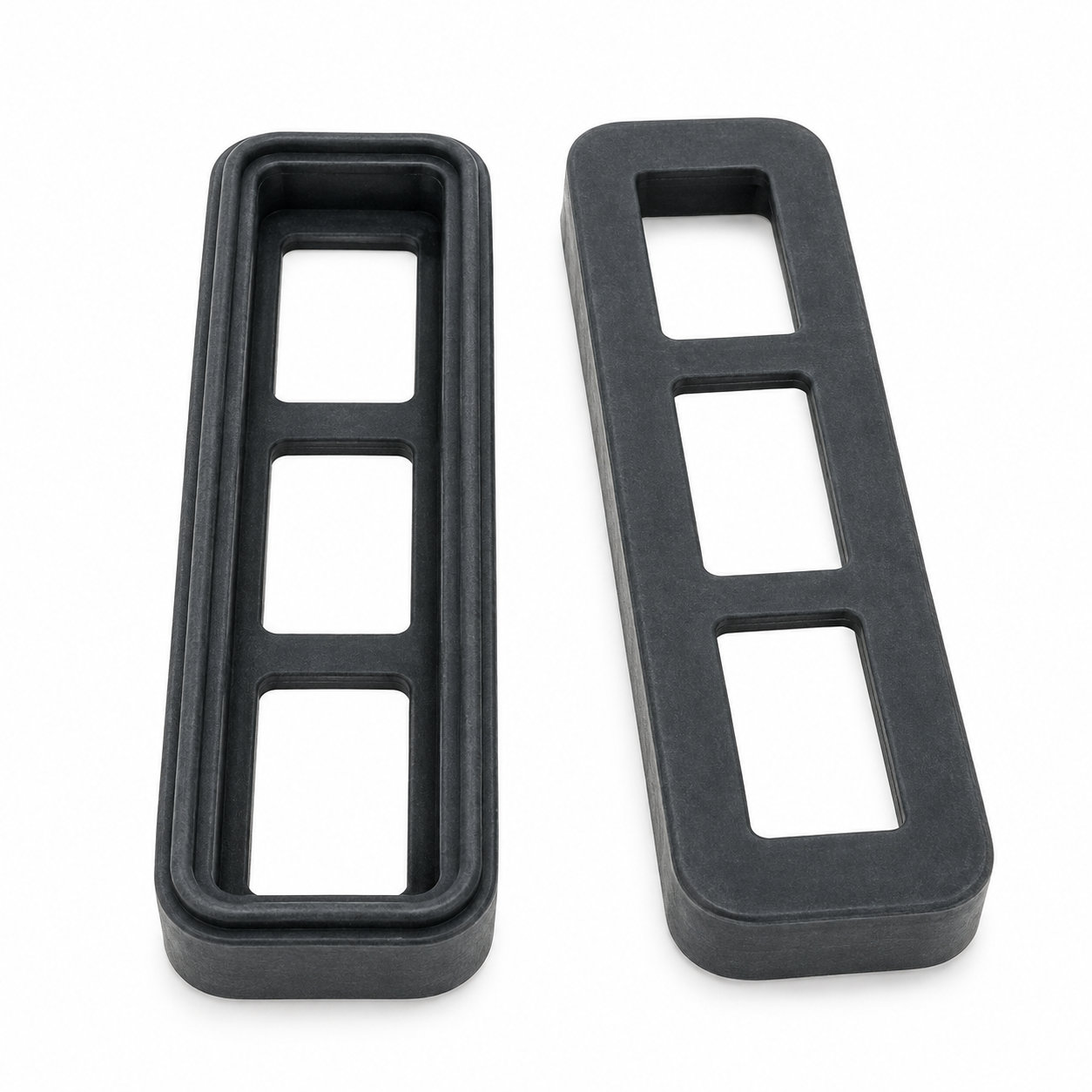
For a washer used in a sealing arrangement, provide the dimensions of both mating faces and explain how they are brought together. The thickness controls the available compression, while the inside and outside dimensions determine where the rubber contacts the surrounding parts. Check whether a groove, shoulder or other feature keeps the ring in position during assembly. An unsupported edge can shift as the fastener or cover is tightened.
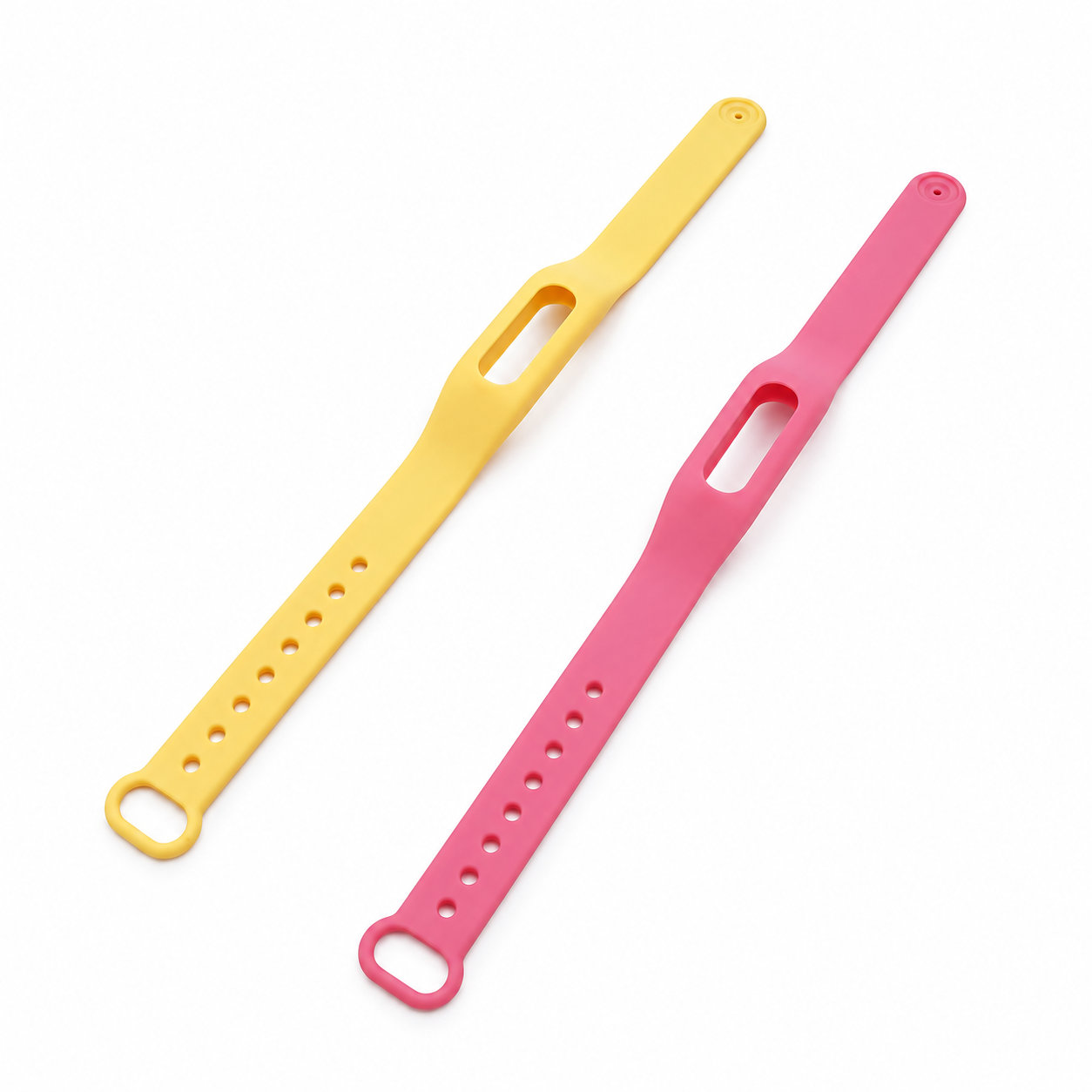
If the project instead requires a flexible band, describe the relaxed size and the installed size separately. ETOL can then review the proposed shape and compound against the amount of stretch and the frequency of removal. Material, hardness and color can be customized around the actual function, with the selected formulation assessed at the intended installed stretch.
Before approving a custom rubber washer, assemble a sample with the production mating components and examine the contact pattern after disassembly. Look for uneven compression, folding or rubber pushed beyond the intended seating area. Keep contacting surfaces clean, avoid dragging the ring across sharp threads, and discuss any exposure to liquids or cleaning agents before choosing the material. A drawing that labels the functional faces and the direction of force will make the quotation more useful than a diameter measurement alone. Confirm the final dimensions and material on the approved sample before ordering a production quantity.
Photos illustrate structure or material only. The thickness controls the available compression, while the inside and outside dimensions determine where the rubber contacts the surrounding parts. ETOL directly manufactures custom-shaped silicone and rubber parts to your requirements.
Identify key dimensions, mating surfaces and quantity
Agree the compound and manufacturing approach
Review the fit and agreed requirements in the assembly
Manufacture and check against the approved requirements
Identify temperature, contact fluids and repeated movement.
Consider hardness together with wall thickness and support.
Check access, mating dimensions and the fitting sequence.
Yes. Show the receiving opening, contact surfaces and clearance limits. We can review the dimensions and retaining features around the intended fit.
Agree the critical dimensions, material, hardness, visible surfaces and sample requirements. Explain how the part is installed and which interfaces control its function.
A sample can help explain the structure. Compare it with the assembly because wear, swelling or compression may have changed its original dimensions.
The material, part geometry, tooling, quantity and finishing affect the quotation. Include the intended batch size and delivery destination when describing your requirements.
DISCUSS THIS COMPONENT
Share the fit, operating conditions and quantity with our manufacturing team.
EXPLORE RELATED DESIGNS
Explore similar part structures and applications for your next project.