Working conditions
Identify temperature, contact fluids and repeated movement.

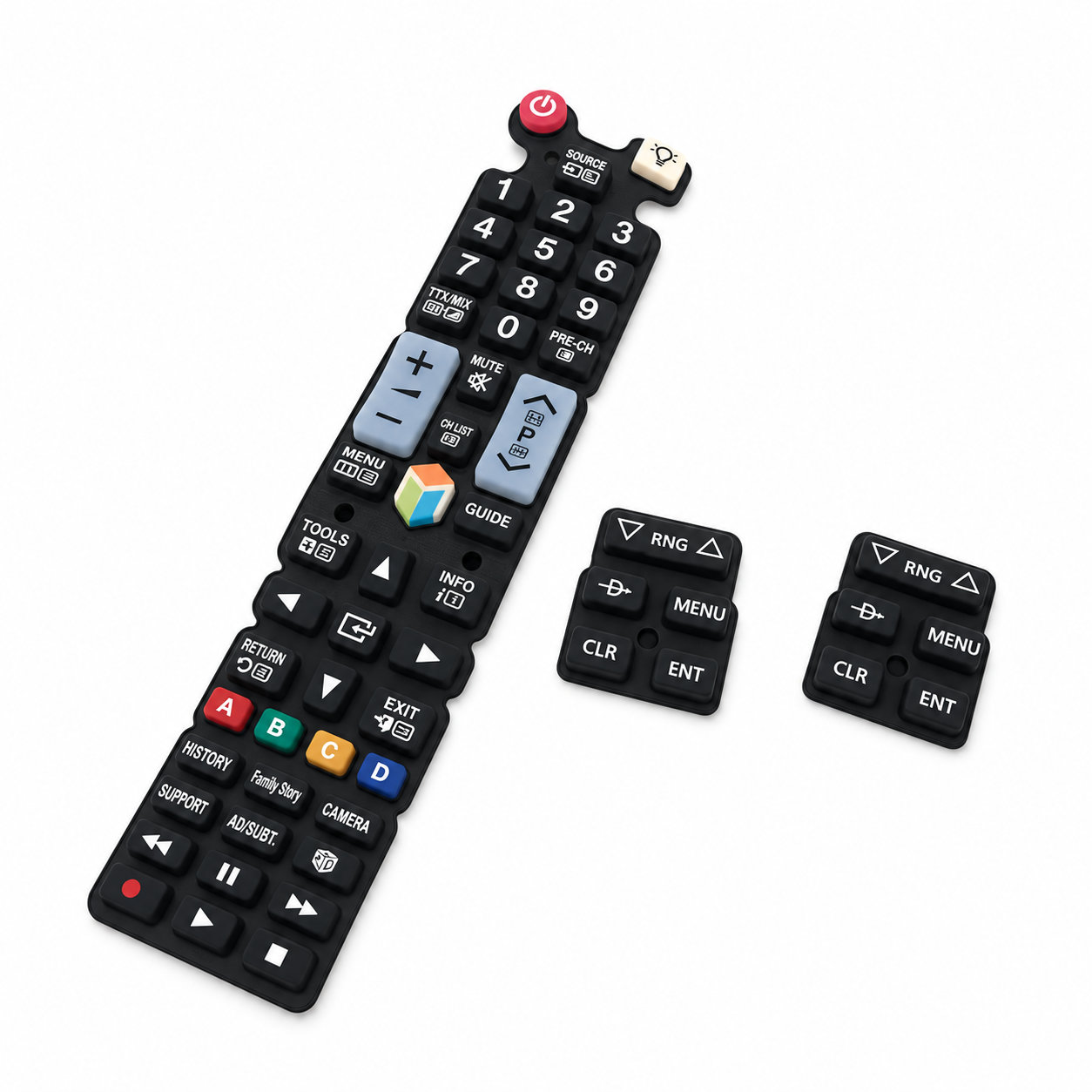
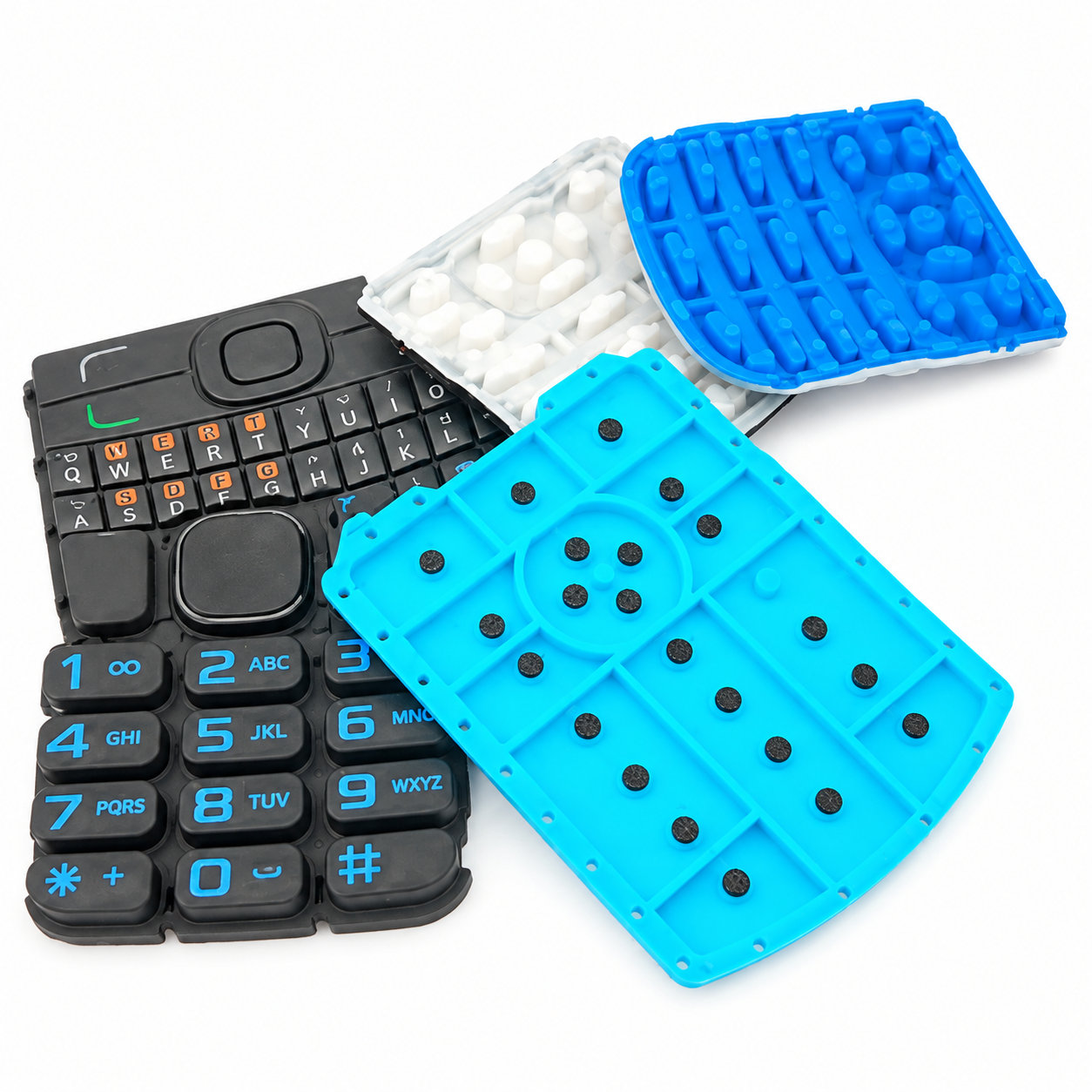
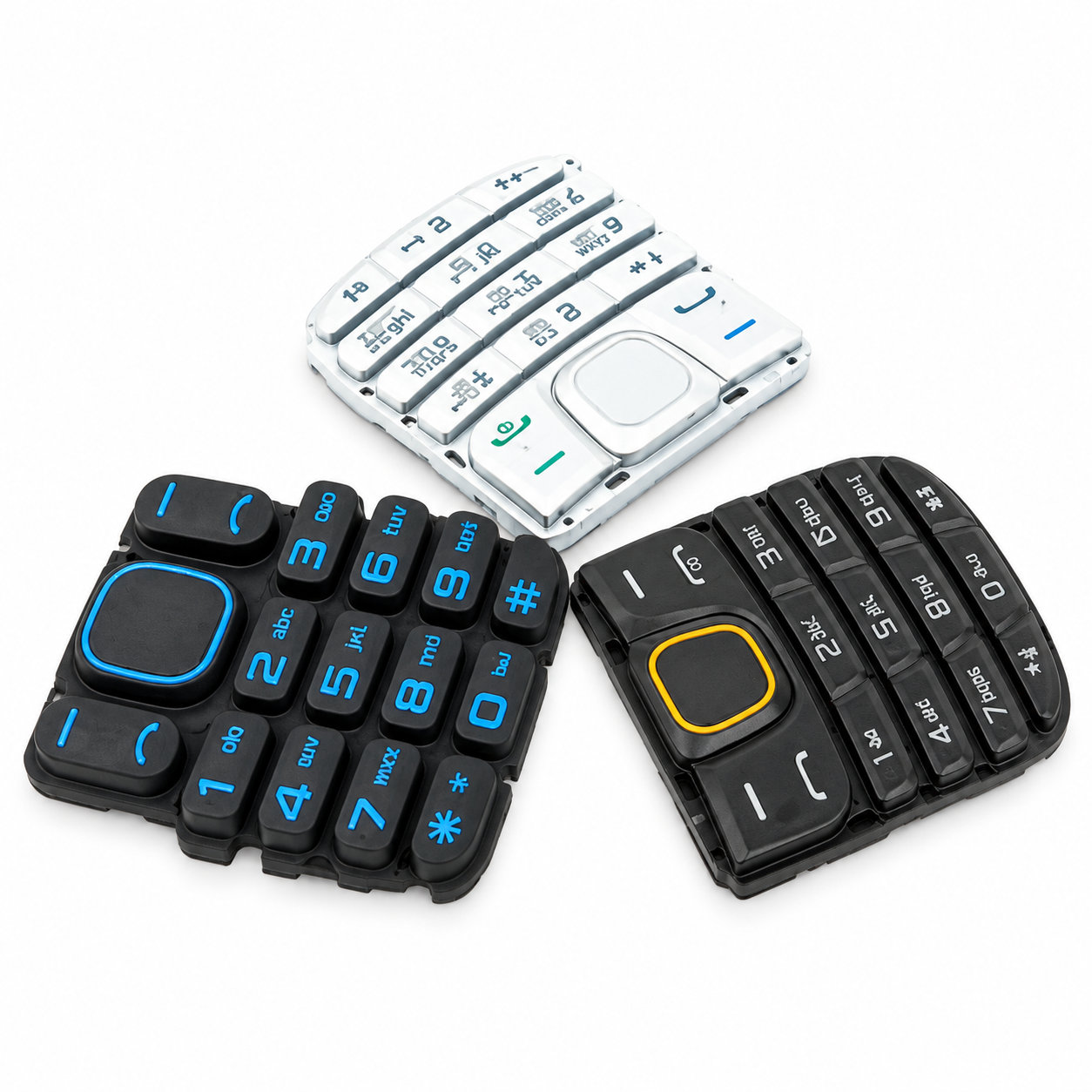
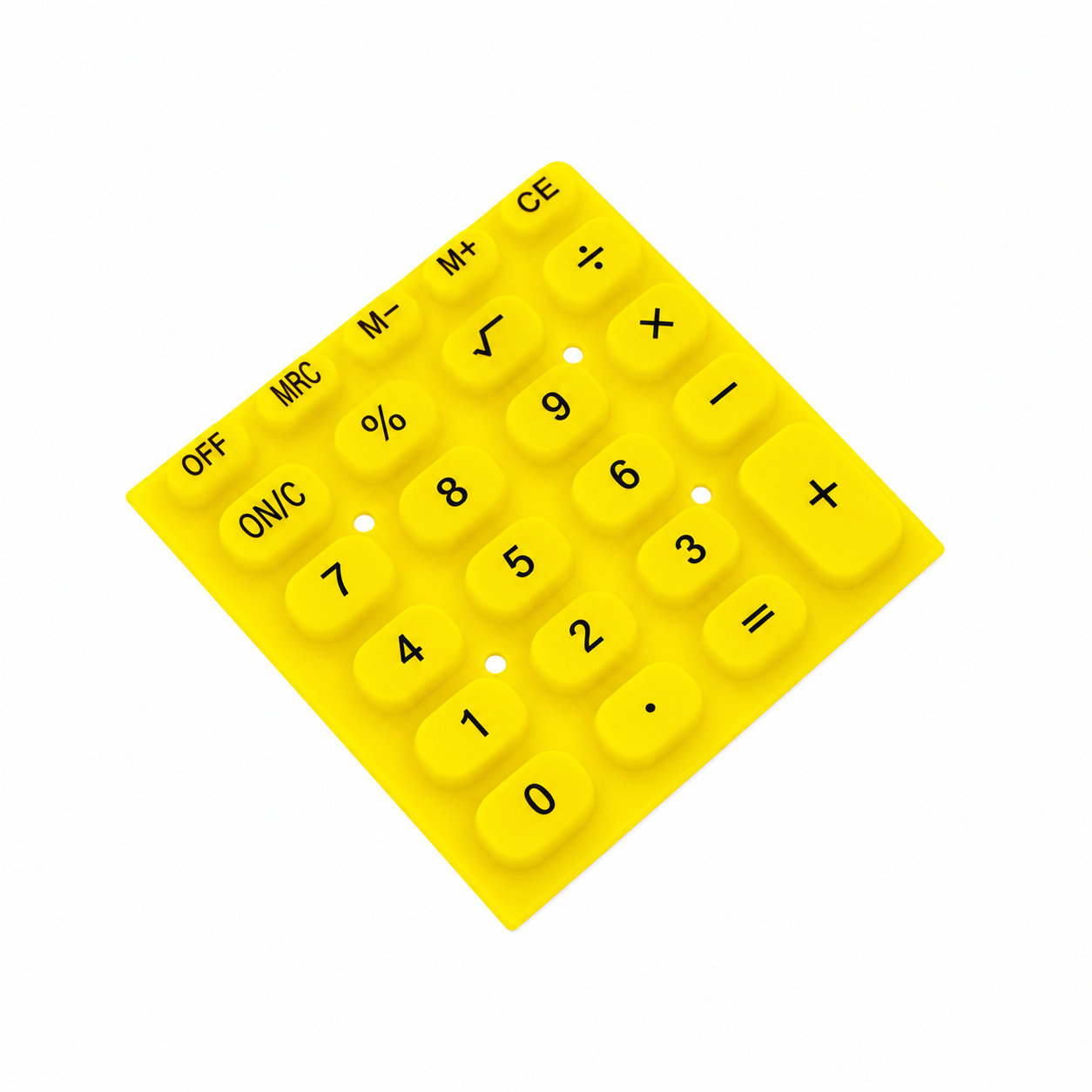
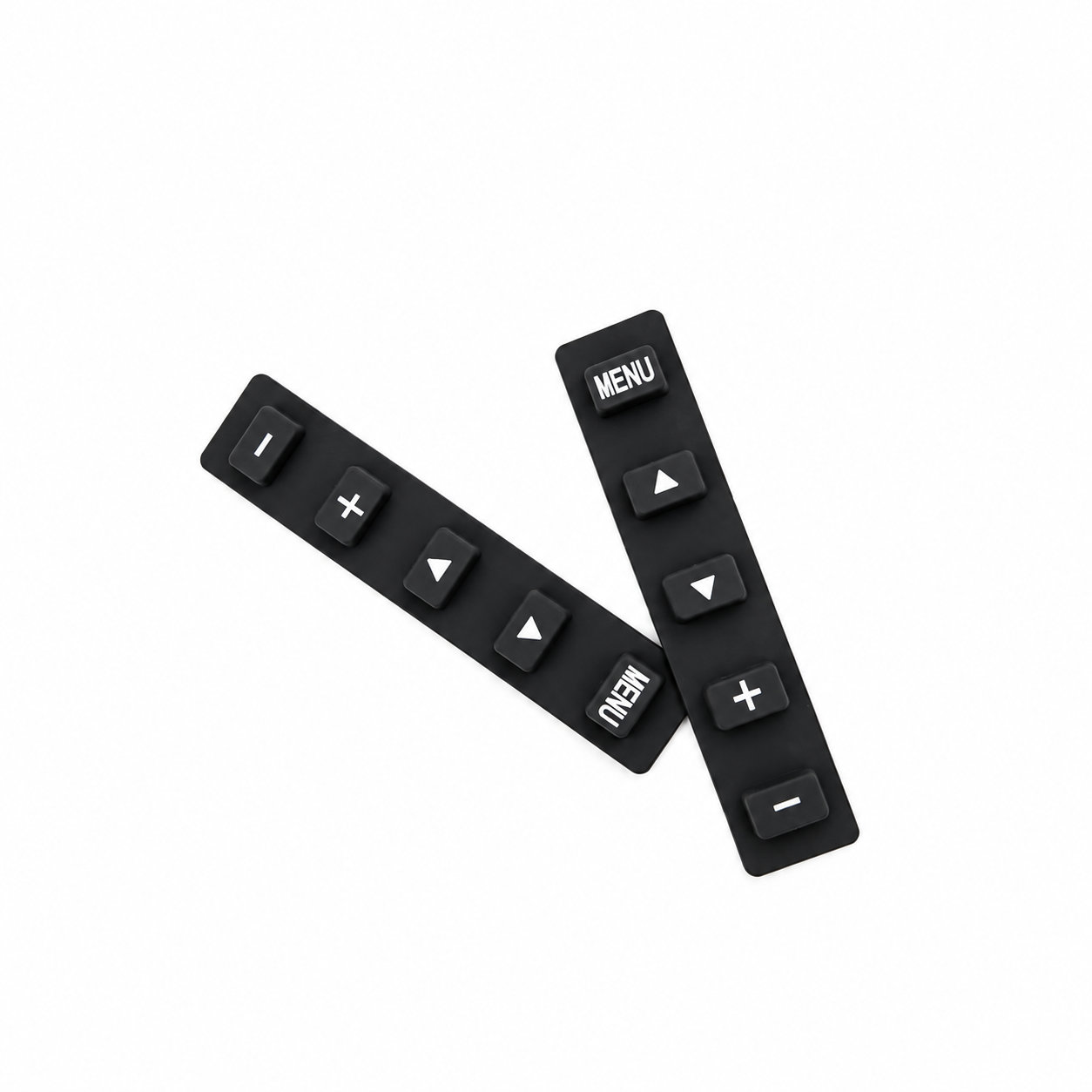
Custom manufacturing example · Keyboard rubber silicone capacitive touch keypad
CUSTOM RUBBER & SILICONE MANUFACTURING
A custom component for your assembly.
Define the mating surfaces, dimensions and working conditions. ETOL manufactures the part to the agreed design and material.
Share the part, its application and your estimated quantity.
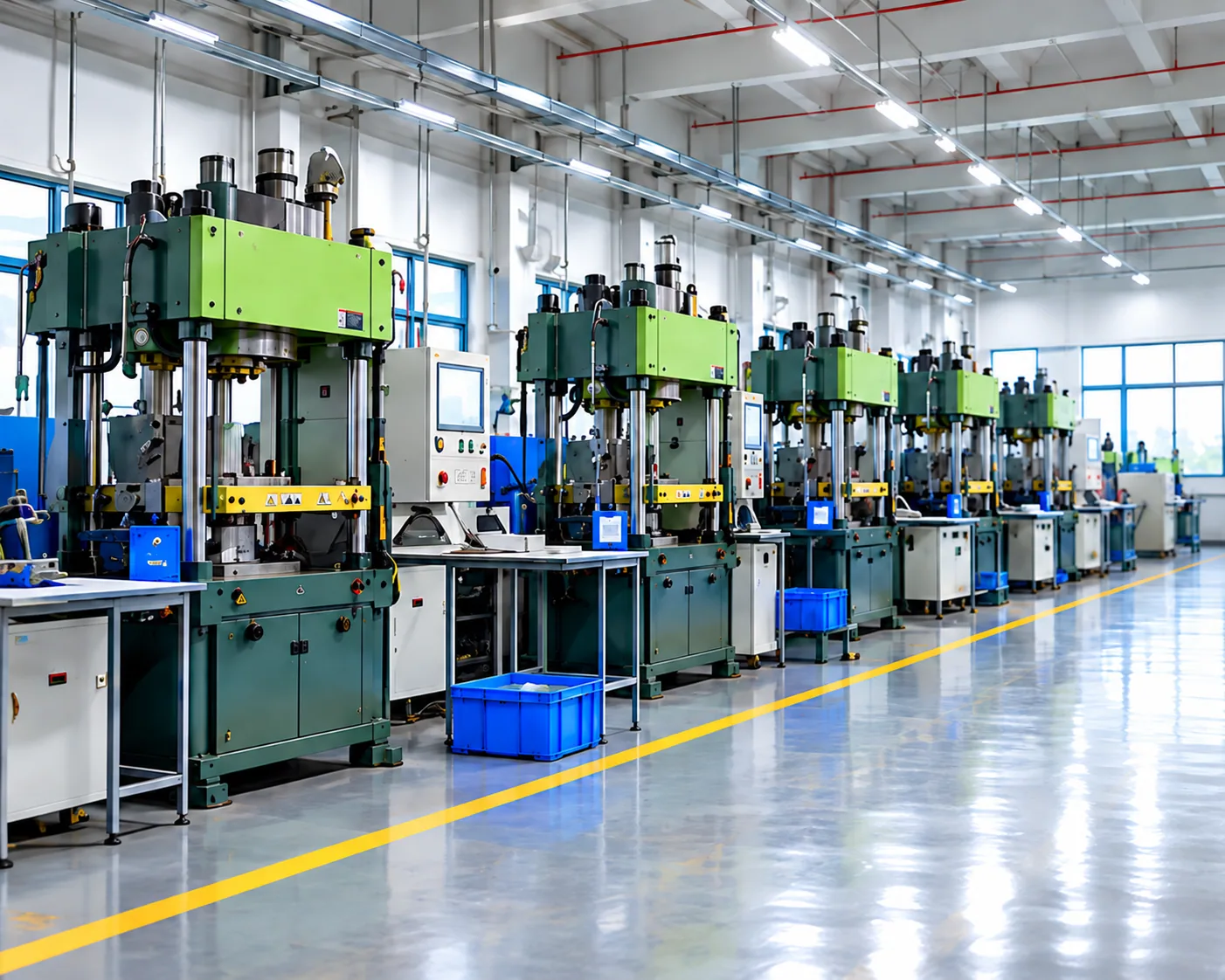
Selected for the contact, temperature and movement
Define the visible surfaces and intended color
Develop holes, lips and walls around the mating parts
Match the attachment and installation method
A silicone capacitive touch keypad provides a custom rubber interface for a control designed around capacitive sensing. The relationship between the user surface and the sensing electronics differs from a button that closes a mechanical contact. The silicone part, its thickness and its installed position therefore need to be considered with the touch system.
Establish the layer arrangement before finalizing the molded shape. The sensor location, intervening materials and support behind the rubber can affect the intended response. A change in the keypad's size or profile should be assessed with the actual electronics rather than treated as a purely cosmetic revision.
Custom color and engraved or embossed identification can show where the user should touch. Keep those indicators aligned with the intended sensing areas. The visible target should not lead the finger toward a neighboring zone or an area where the electronics does not expect an input.
Test a representative control with the housing closed and the keypad properly supported. Include the touch approach and duration expected during use, plus transitions between adjacent targets. If the application involves moisture or a particular hand covering, evaluate those conditions as part of the intended system behavior. The product listing does not establish them as supported operating modes.
During cleaning or reassembly, preserve the intended spacing and seating of the rubber. A layer left bowed or displaced after servicing can change the interface that was evaluated. Keep the final molded configuration and electronic settings coordinated when comparing revisions.
Photos illustrate structure or material only. The relationship between the user surface and the sensing electronics differs from a button that closes a mechanical contact. ETOL directly manufactures custom-shaped silicone and rubber parts to your requirements.
Identify key dimensions, mating surfaces and quantity
Agree the compound and manufacturing approach
Review the fit and agreed requirements in the assembly
Manufacture and check against the approved requirements
Identify temperature, contact fluids and repeated movement.
Consider hardness together with wall thickness and support.
Check access, mating dimensions and the fitting sequence.
Yes. Show the receiving opening, contact surfaces and clearance limits. We can review the dimensions and retaining features around the intended fit.
Agree the critical dimensions, material, hardness, visible surfaces and sample requirements. Explain how the part is installed and which interfaces control its function.
A sample can help explain the structure. Compare it with the assembly because wear, swelling or compression may have changed its original dimensions.
The material, part geometry, tooling, quantity and finishing affect the quotation. Include the intended batch size and delivery destination when describing your requirements.
DISCUSS THIS COMPONENT
Share the fit, operating conditions and quantity with our manufacturing team.
EXPLORE RELATED DESIGNS
Explore similar part structures and applications for your next project.