Working conditions
Identify temperature, contact fluids and repeated movement.

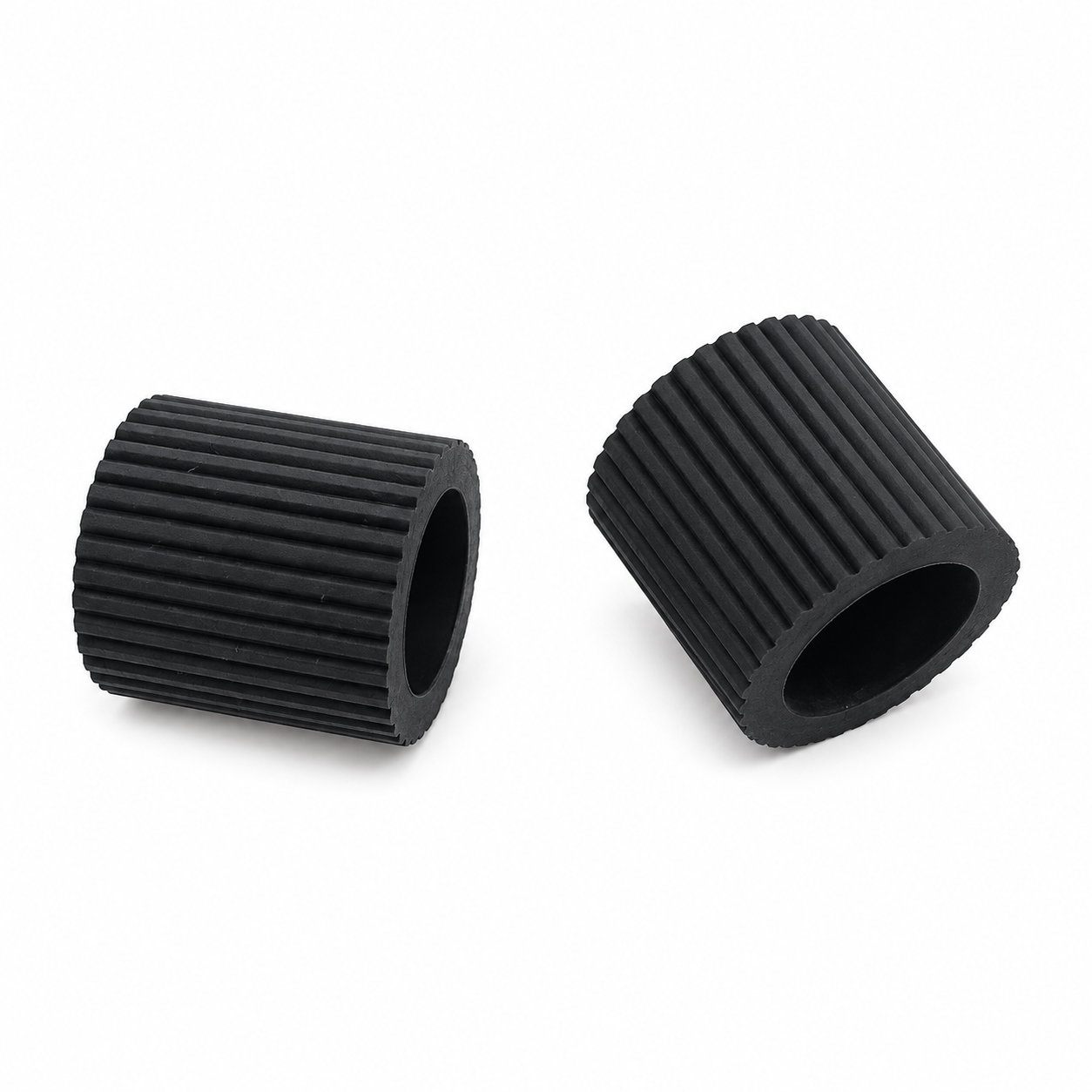
Custom manufacturing example · Silicone rubber bush tube rubber sleeves
CUSTOM RUBBER & SILICONE MANUFACTURING
A custom component for your assembly.
Define the mating surfaces, dimensions and working conditions. ETOL manufactures the part to the agreed design and material.
Share the part, its application and your estimated quantity.
Selected for the contact, temperature and movement
Define the visible surfaces and intended color
Develop holes, lips and walls around the mating parts
Match the attachment and installation method
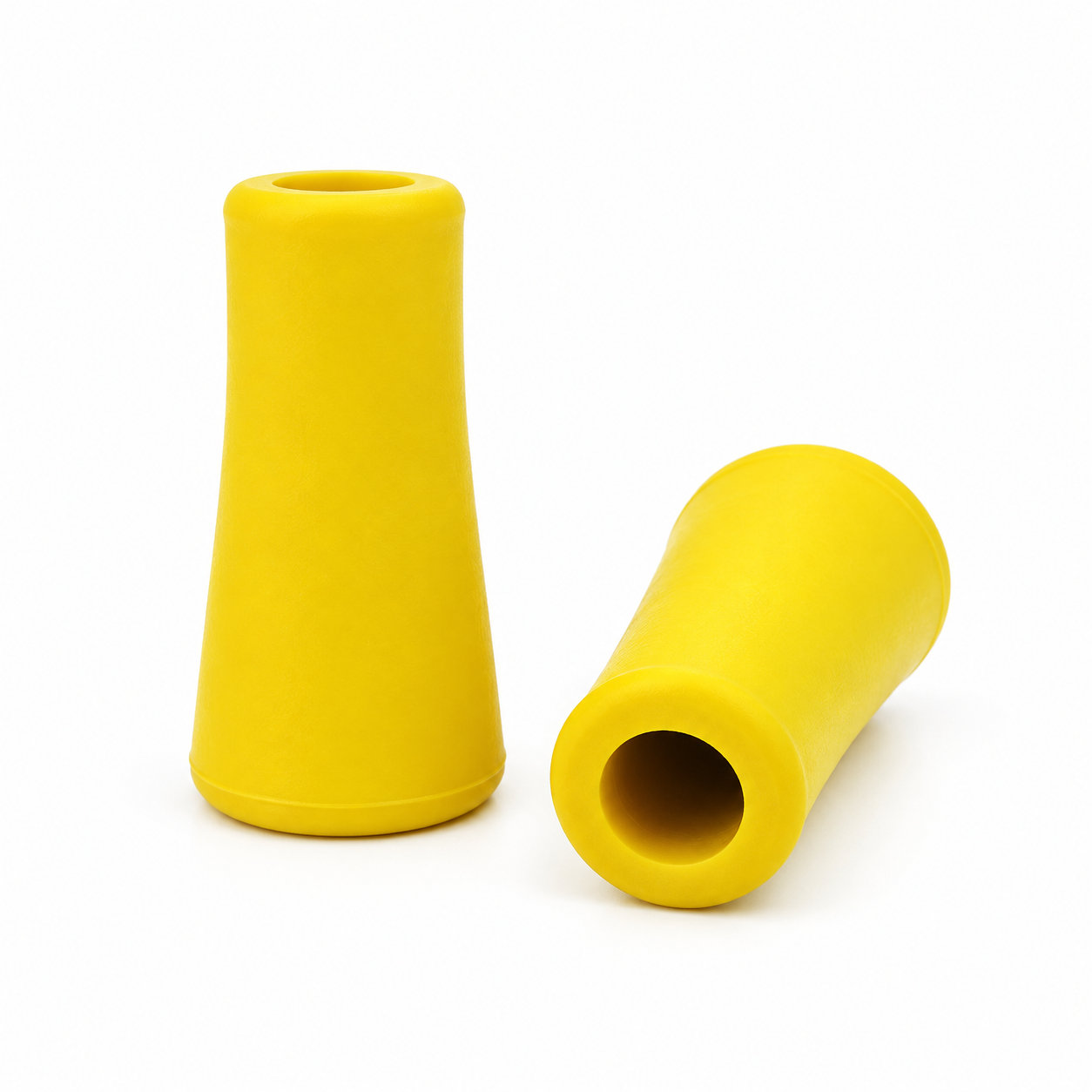
A silicone rubber bush creates a flexible tubular interface around a matching part. Its bore, outside profile and length define how it fits between the components of an assembly. For a sleeve-shaped part, controlling the wall around the bore is especially relevant: an exterior that looks uniform does not by itself confirm that the internal opening has the required position or clearance.
Provide a section drawing that identifies the working bore and the surfaces used to locate the sleeve. State whether it is fitted over a rod, inserted into a housing or retained between other features. The installation method can change the final internal dimensions, particularly where the rubber is compressed from the outside. Measure the fitted condition during sampling if that clearance affects the function of the assembly.
The existing product information offers custom geometry, dimensions, color and hardness, with material selection available for review. Explain the exposure and movement at the sleeve instead of relying on a general material preference. ETOL can use the mating-part details to discuss a suitable molding approach and sample configuration. Any requirement for insulation, sealing or mechanical support should be specified and verified for the proposed assembly rather than assumed from its tubular shape.
Install the silicone rubber bush without folding its entrance or dragging it across an unfinished edge. Check that the bore is unobstructed and the sleeve reaches its intended axial position. If an assembly aid is needed, confirm its compatibility with the agreed compound before use. During maintenance, look for splitting at the ends, uneven wall deformation or movement from the locating shoulder. A quotation should include the section view, mating dimensions and the required fitted clearance. This makes the functional internal geometry explicit and reduces the risk of approving a sample solely by its outside diameter and length.
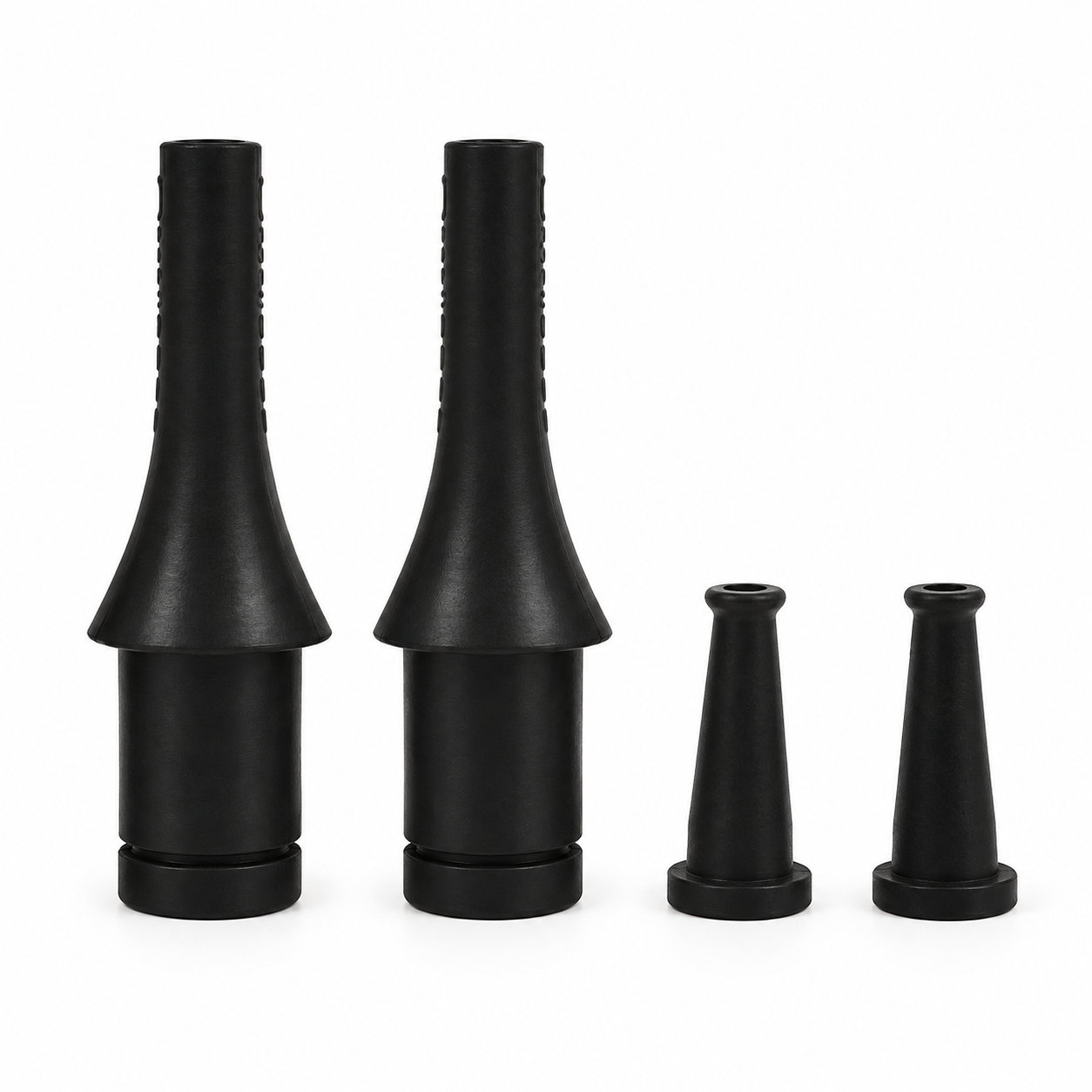
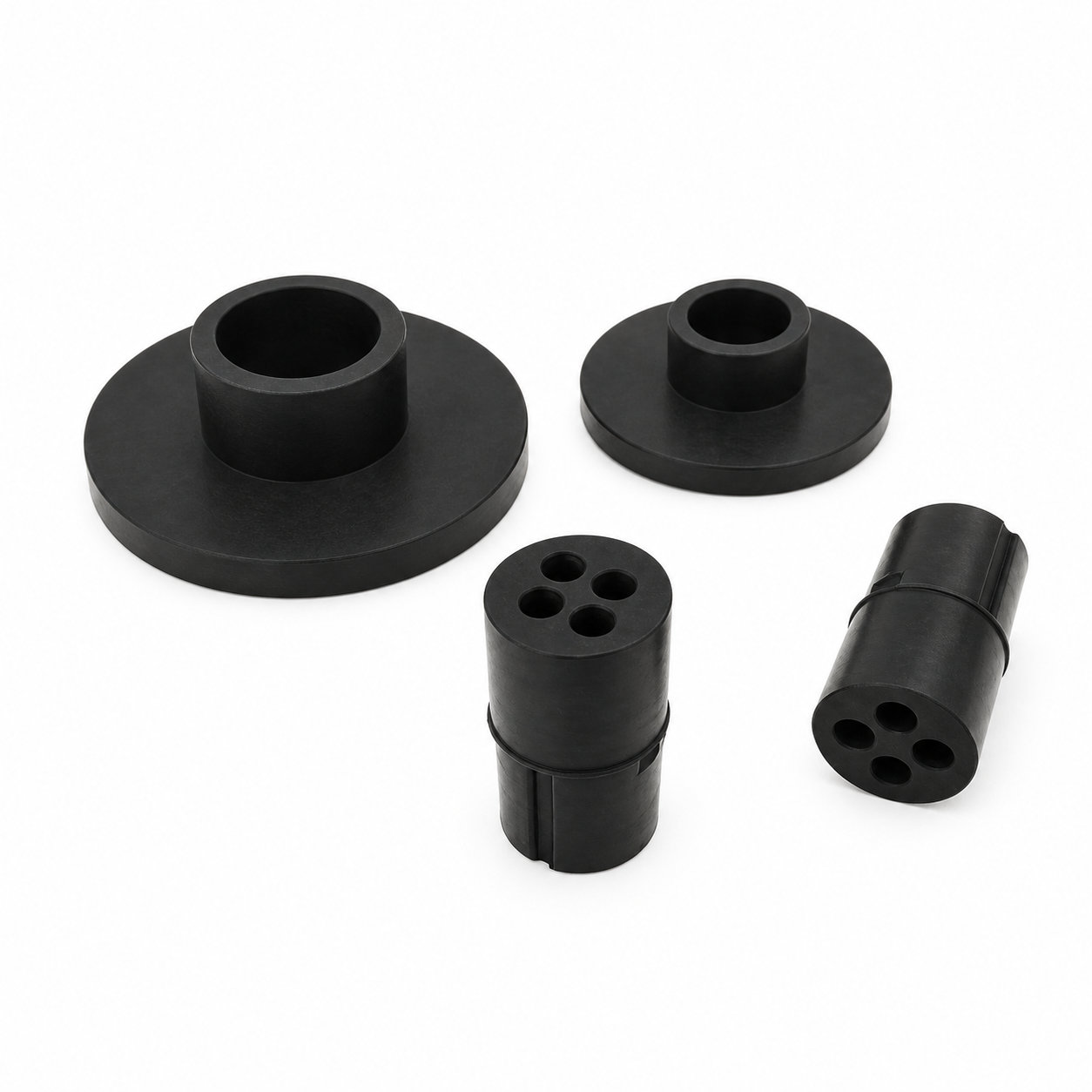
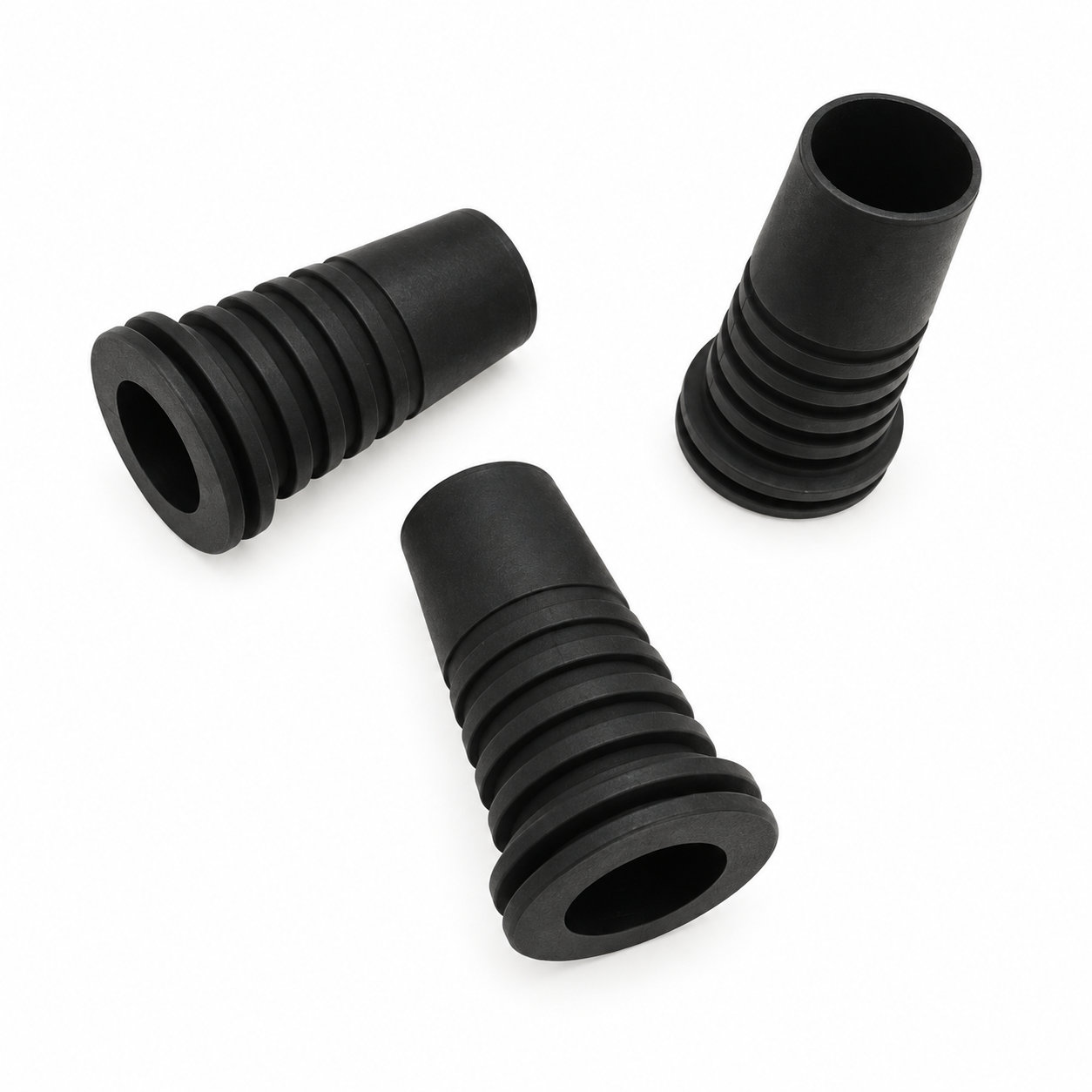
Photos illustrate structure or material appearance only. A silicone rubber bush creates a flexible tubular interface around a matching part. ETOL directly manufactures custom-shaped silicone and rubber parts to your requirements.
Identify key dimensions, mating surfaces and quantity
Agree the compound and manufacturing approach
Review the fit and agreed requirements in the assembly
Manufacture and check against the approved requirements
Identify temperature, contact fluids and repeated movement.
Consider hardness together with wall thickness and support.
Check access, mating dimensions and the fitting sequence.
Yes. Show the receiving opening, contact surfaces and clearance limits. We can review the dimensions and retaining features around the intended fit.
Agree the critical dimensions, material, hardness, visible surfaces and sample requirements. Explain how the part is installed and which interfaces control its function.
A sample can help explain the structure. Compare it with the assembly because wear, swelling or compression may have changed its original dimensions.
The material, part geometry, tooling, quantity and finishing affect the quotation. Include the intended batch size and delivery destination when describing your requirements.
DISCUSS THIS COMPONENT
Share the fit, operating conditions and quantity with our manufacturing team.
EXPLORE RELATED DESIGNS
Explore similar part structures and applications for your next project.