Working conditions
Identify temperature, contact fluids and repeated movement.

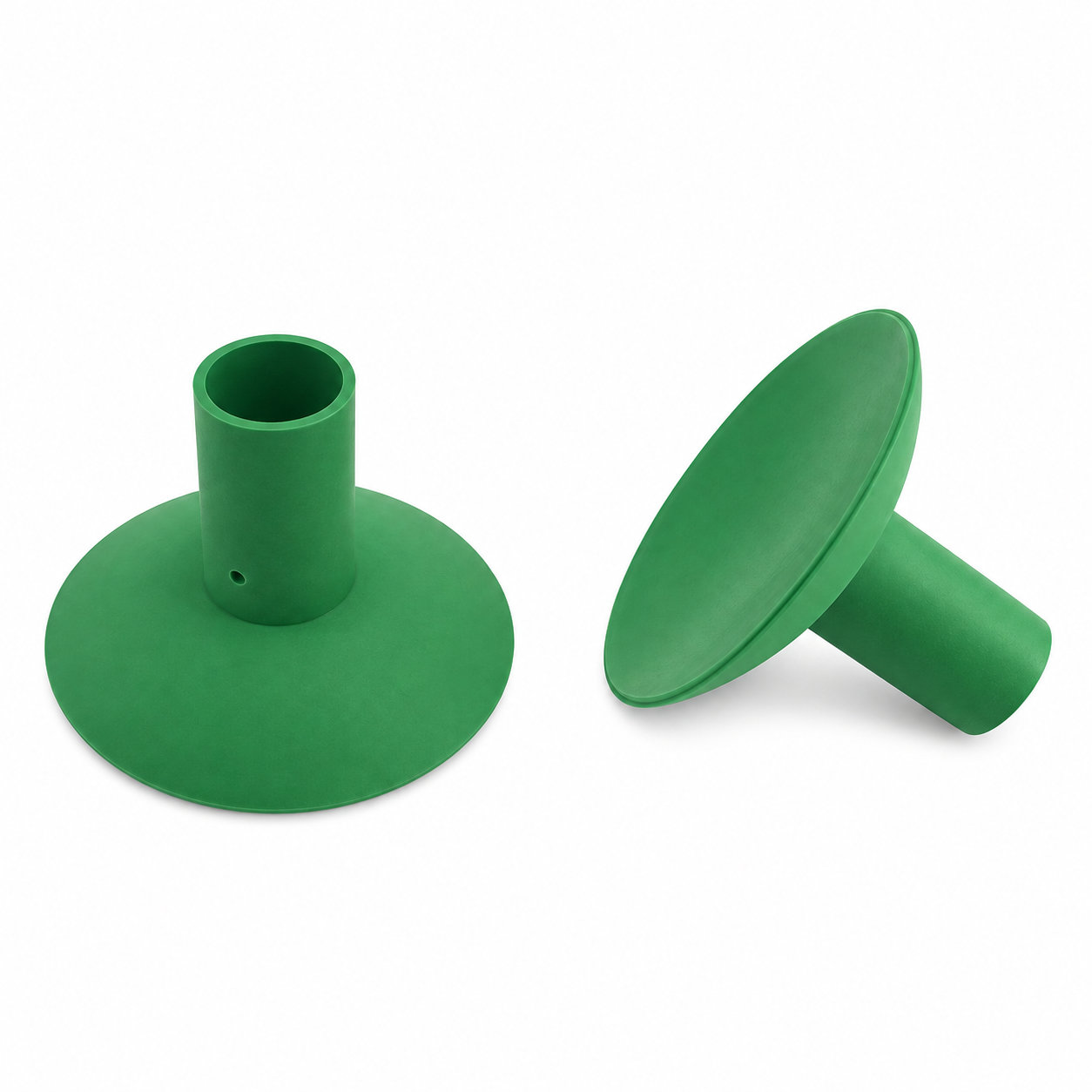
Custom manufacturing example · Custom made green vacuum rubber suction cup
CUSTOM RUBBER & SILICONE MANUFACTURING
A custom component for your assembly.
Define the mating surfaces, dimensions and working conditions. ETOL manufactures the part to the agreed design and material.
Share the part, its application and your estimated quantity.
Selected for the contact, temperature and movement
Define the visible surfaces and intended color
Develop holes, lips and walls around the mating parts
Match the attachment and installation method
A green vacuum rubber suction cup combines a visible color requirement with a functional surface attachment. The green appearance may be part of a product's visual design or a way to distinguish one custom component from another, but the cup still depends on a clean, continuous seal against a suitable nonporous surface. Color and attachment behavior should both be included in the sample approval process.
For a coordinated product range, provide a physical color reference or an agreed color specification. A screen image can change with lighting and display settings, making it a poor basis for final acceptance. Examine the molded sample under the lighting used for inspection and, where appearance matters, next to the surrounding housing or accessory. Surface texture and wall thickness can also affect how the finished color is perceived.
The contact design should be reviewed separately from that visual approval. Share the mounting surface, intended orientation, connected component and expected attachment duration with ETOL. Check the real surface finish, including any coating, rather than assuming all glass or metal surfaces behave identically. Custom geometry and material options can then be considered around the application, with retention confirmed using the actual assembly.
Before fitting the green vacuum rubber suction cup, remove dust from both the lip and mating surface. Avoid cleaners or marking products that have not been checked for compatibility with the selected compound. During repeated use, look for rim damage and changes that could affect contact, not just visible discoloration. Store approved color samples separately from daily-use parts so that wear does not become the production reference. A useful inquiry includes the desired dimensions, connection details, color target and a description of the surface trial. That combination helps keep the visual specification connected to a clearly defined functional requirement.
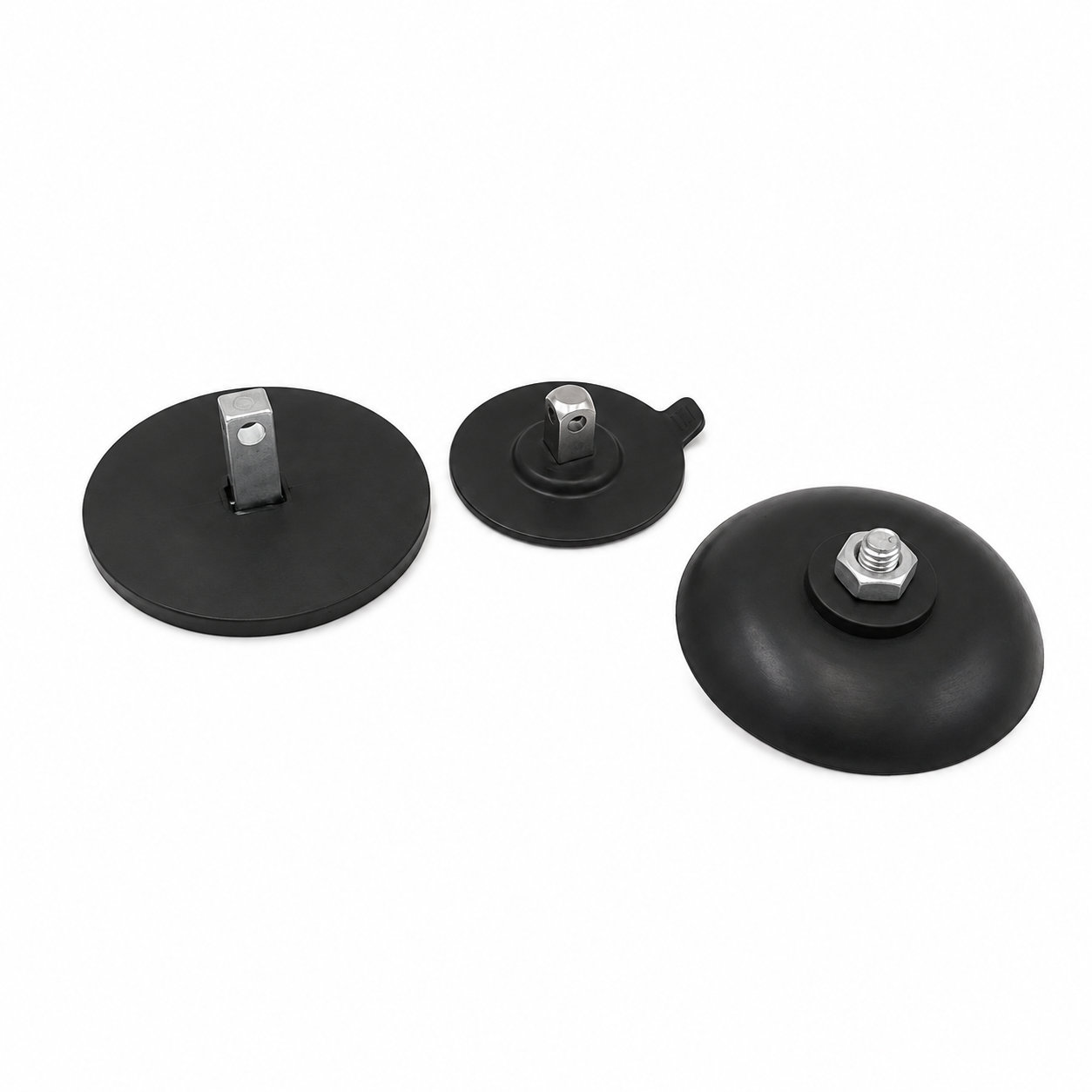
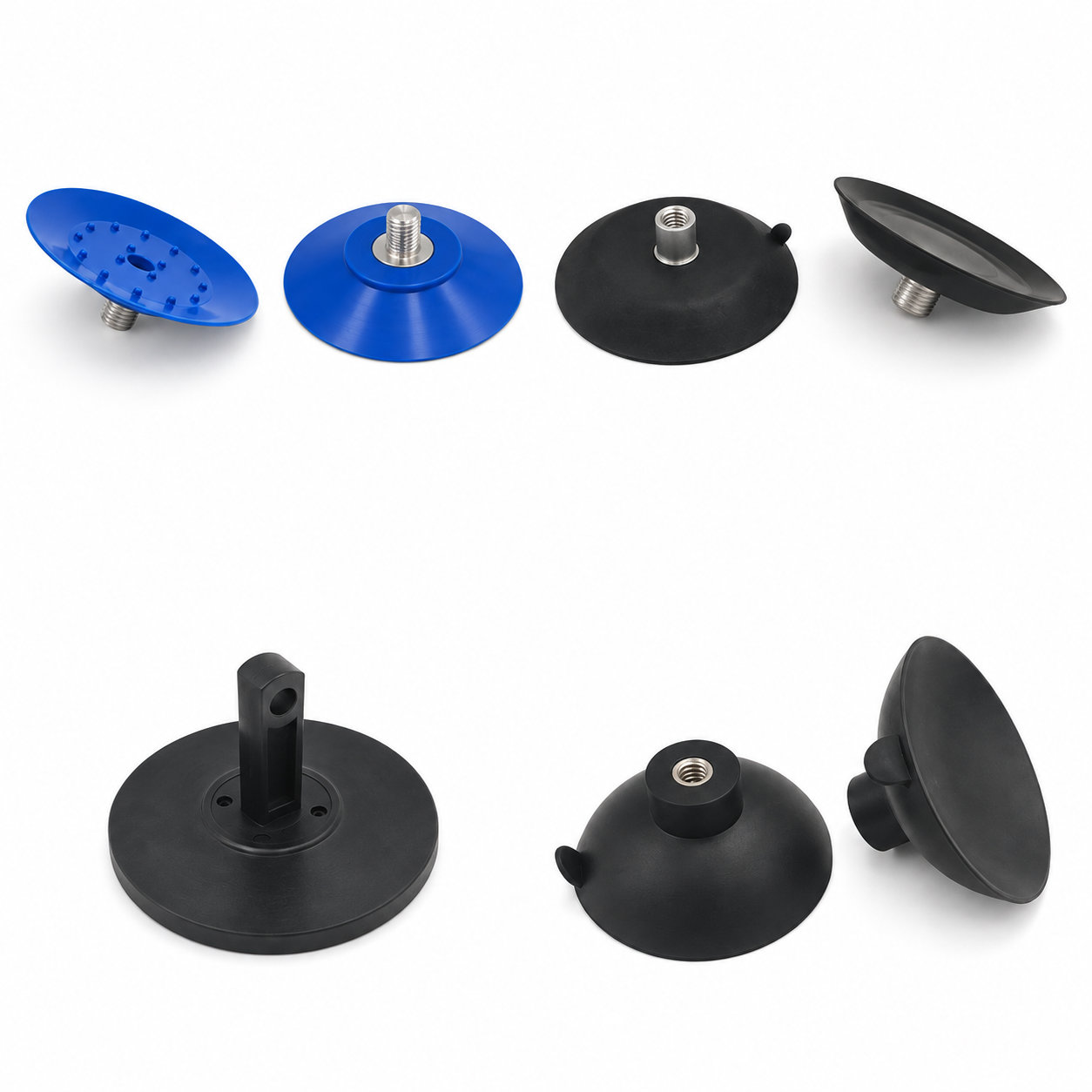
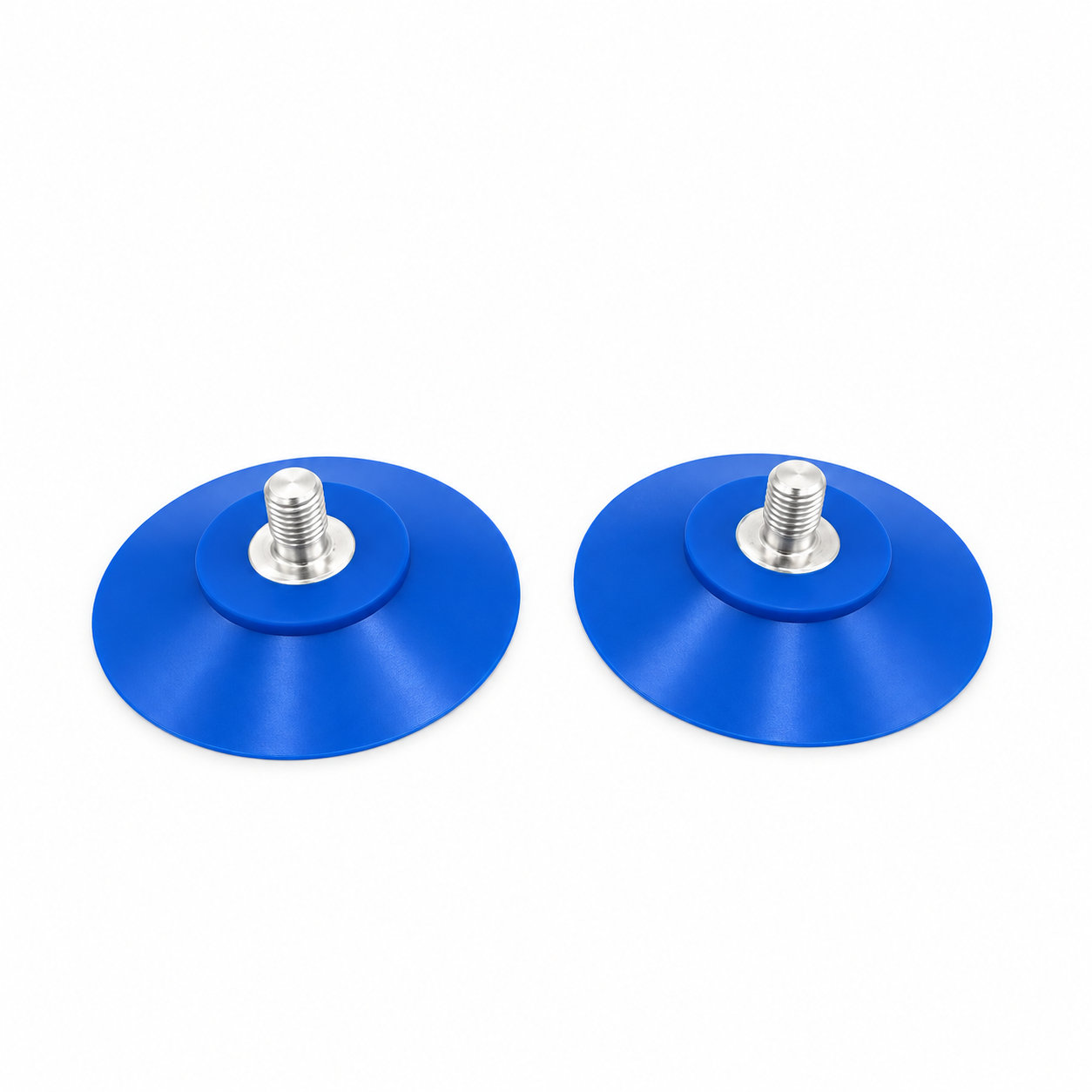
Photos illustrate structure or material appearance only. Custom geometry and material options can then be considered around the application, with retention confirmed using the actual assembly. ETOL directly manufactures custom-shaped silicone and rubber parts to your requirements.
Identify key dimensions, mating surfaces and quantity
Agree the compound and manufacturing approach
Review the fit and agreed requirements in the assembly
Manufacture and check against the approved requirements
Identify temperature, contact fluids and repeated movement.
Consider hardness together with wall thickness and support.
Check access, mating dimensions and the fitting sequence.
Yes. Show the receiving opening, contact surfaces and clearance limits. We can review the dimensions and retaining features around the intended fit.
Agree the critical dimensions, material, hardness, visible surfaces and sample requirements. Explain how the part is installed and which interfaces control its function.
A sample can help explain the structure. Compare it with the assembly because wear, swelling or compression may have changed its original dimensions.
The material, part geometry, tooling, quantity and finishing affect the quotation. Include the intended batch size and delivery destination when describing your requirements.
DISCUSS THIS COMPONENT
Share the fit, operating conditions and quantity with our manufacturing team.
EXPLORE RELATED DESIGNS
Explore similar part structures and applications for your next project.