Working conditions
Identify temperature, contact fluids and repeated movement.

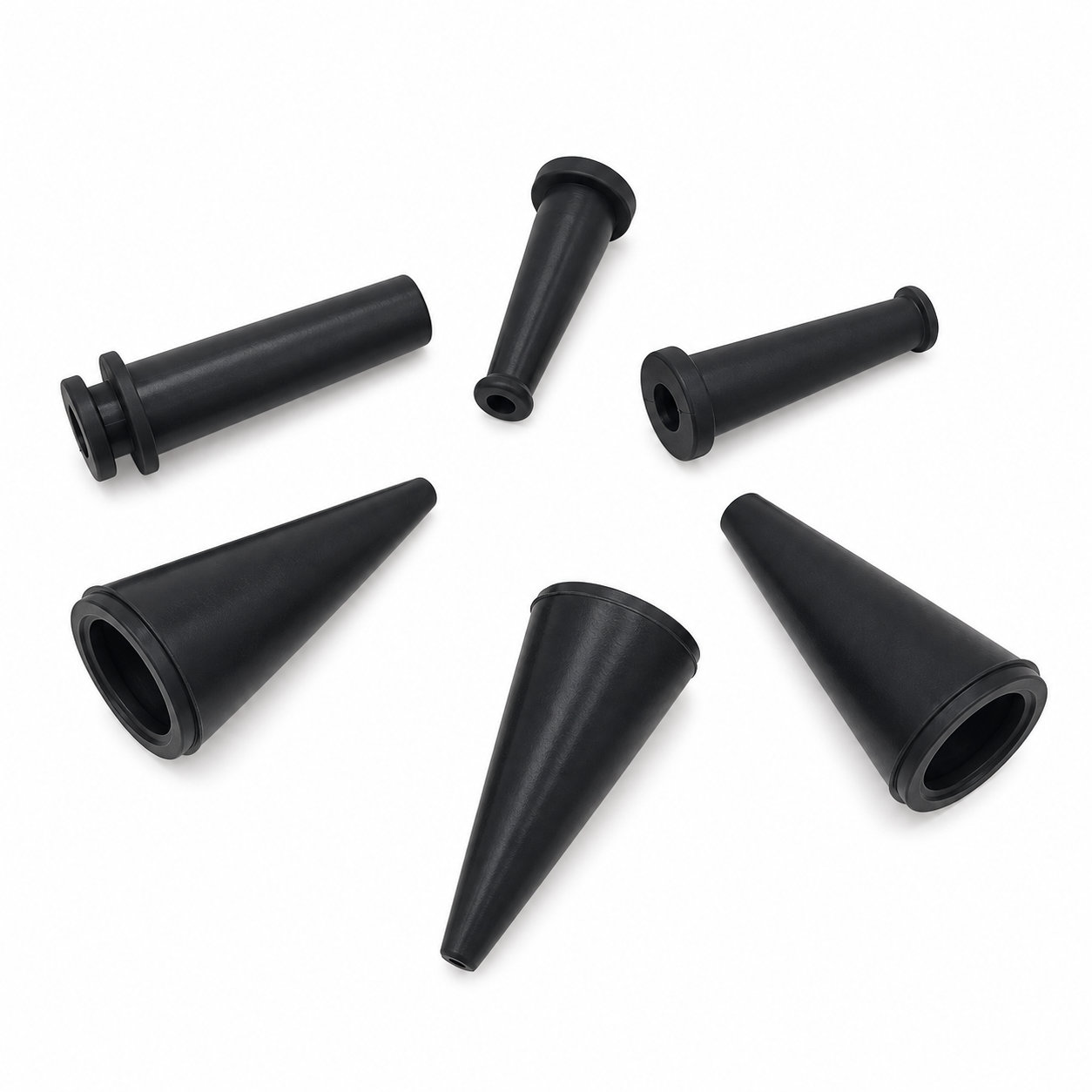
Custom manufacturing example · Anti Vibration Rubber Sleeve Cone Bushing
CUSTOM RUBBER & SILICONE MANUFACTURING
A custom component for your assembly.
Define the mating surfaces, dimensions and working conditions. ETOL manufactures the part to the agreed design and material.
Share the part, its application and your estimated quantity.

Selected for the contact, temperature and movement
Define the visible surfaces and intended color
Develop holes, lips and walls around the mating parts
Match the attachment and installation method
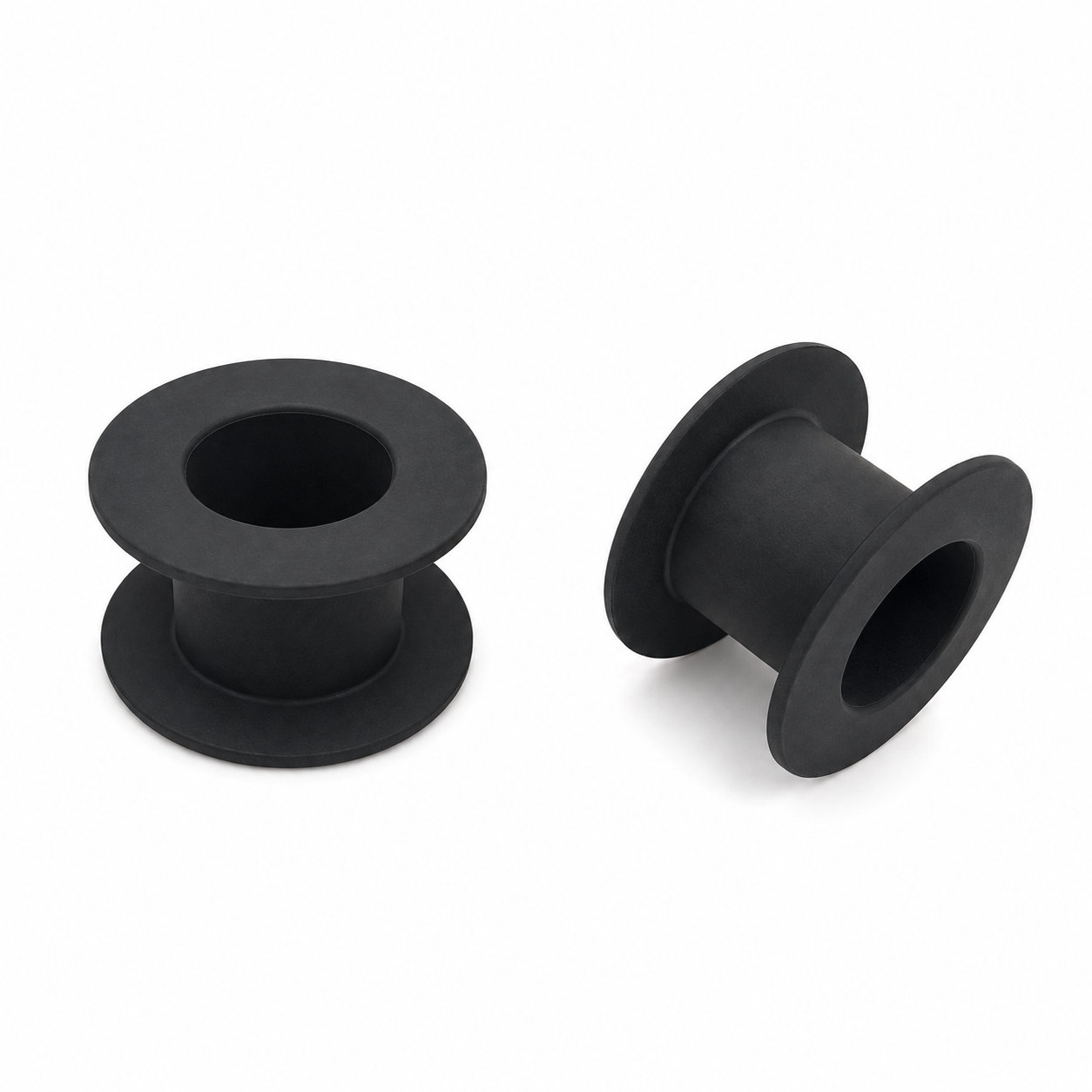
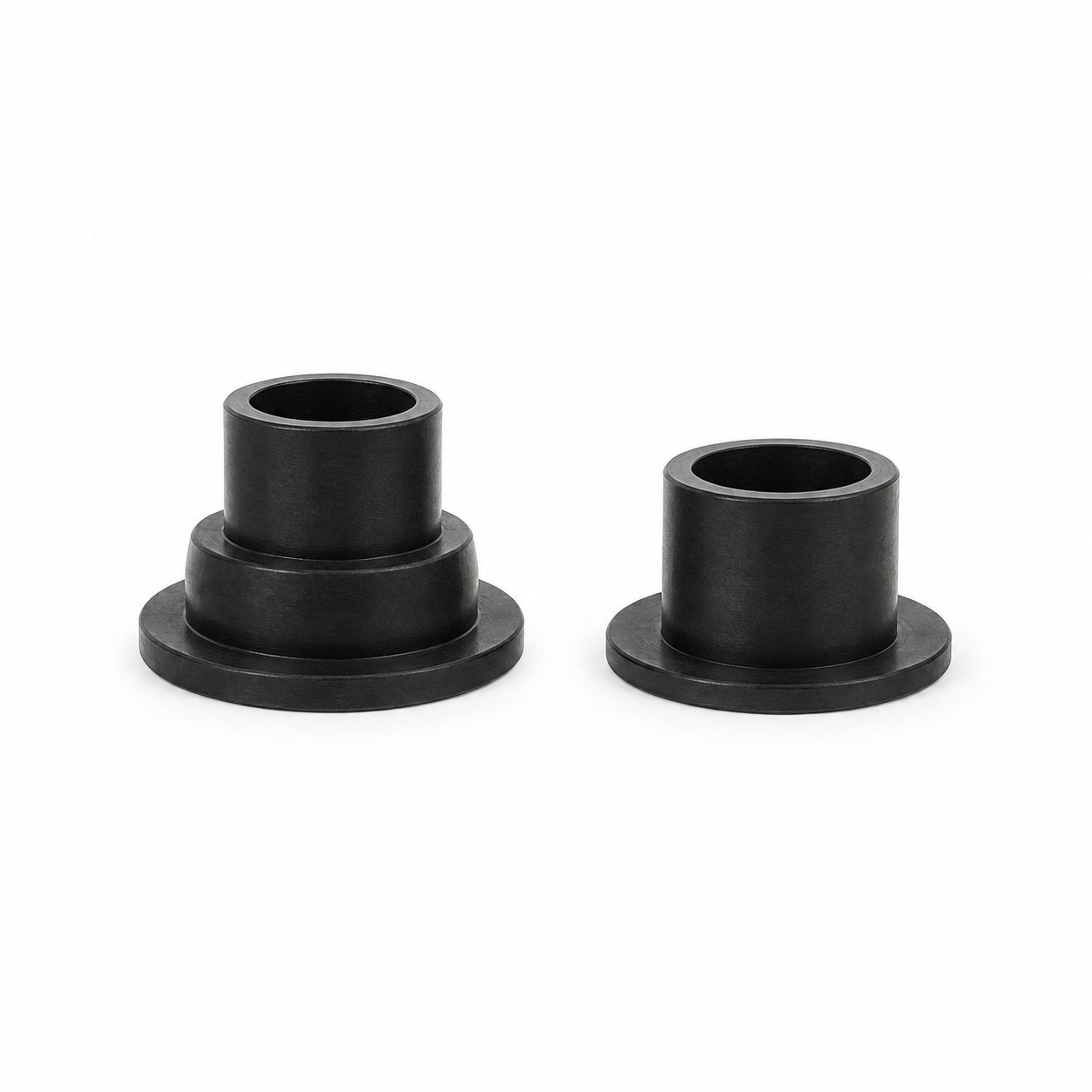
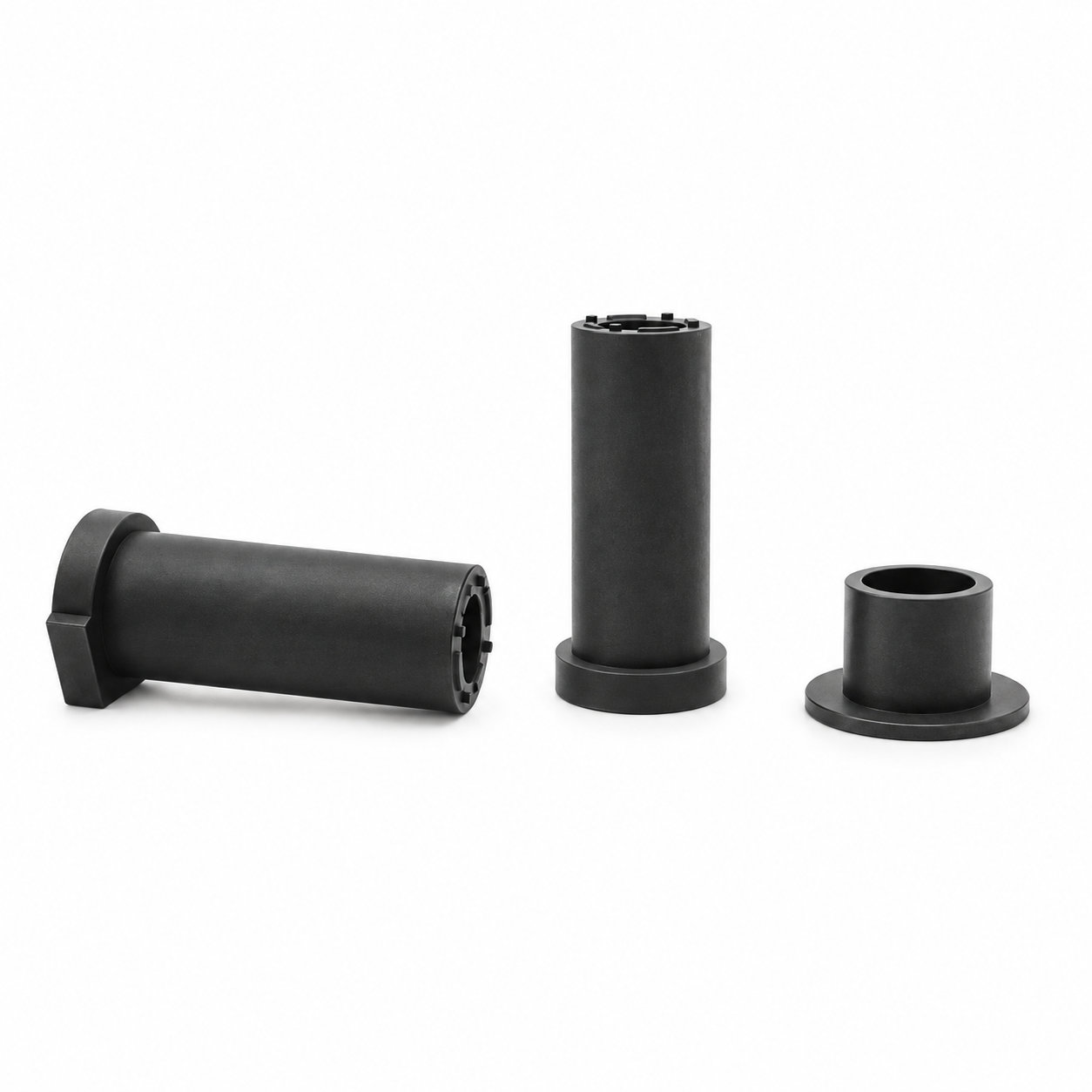
An Anti Vibration Rubber Sleeve with a cone bushing profile creates a shaped rubber interface around a supported component. The internal fit, outer taper and length must be selected together so the sleeve locates properly while allowing the intended compliance. Custom material, size and color options are available.
Begin with the surface that carries the inner component and the surrounding feature that holds the sleeve. Identify whether the taper is used for location, insertion or the working contact itself. Those roles affect where the rubber needs support and where deformation should occur. A cone that is pushed too far into its mating opening may lose the movement space intended by the design.
Trial the selected construction with the actual supporting hardware and working direction. Check for the inner part rubbing at one end of the bore or for the outer wall being pinched against a sharp shoulder. Keep alternative rubber choices tied to the same representative assembly when comparing behavior.
During inspection, look for contact marks that differ around the circumference. A localized mark can point to misalignment, while a changed seated position may indicate a retention issue. Correct those relationships before changing hardness or replacing the sleeve. Removal should release the retained regions without dragging a damaged edge through the bore of the mating part.
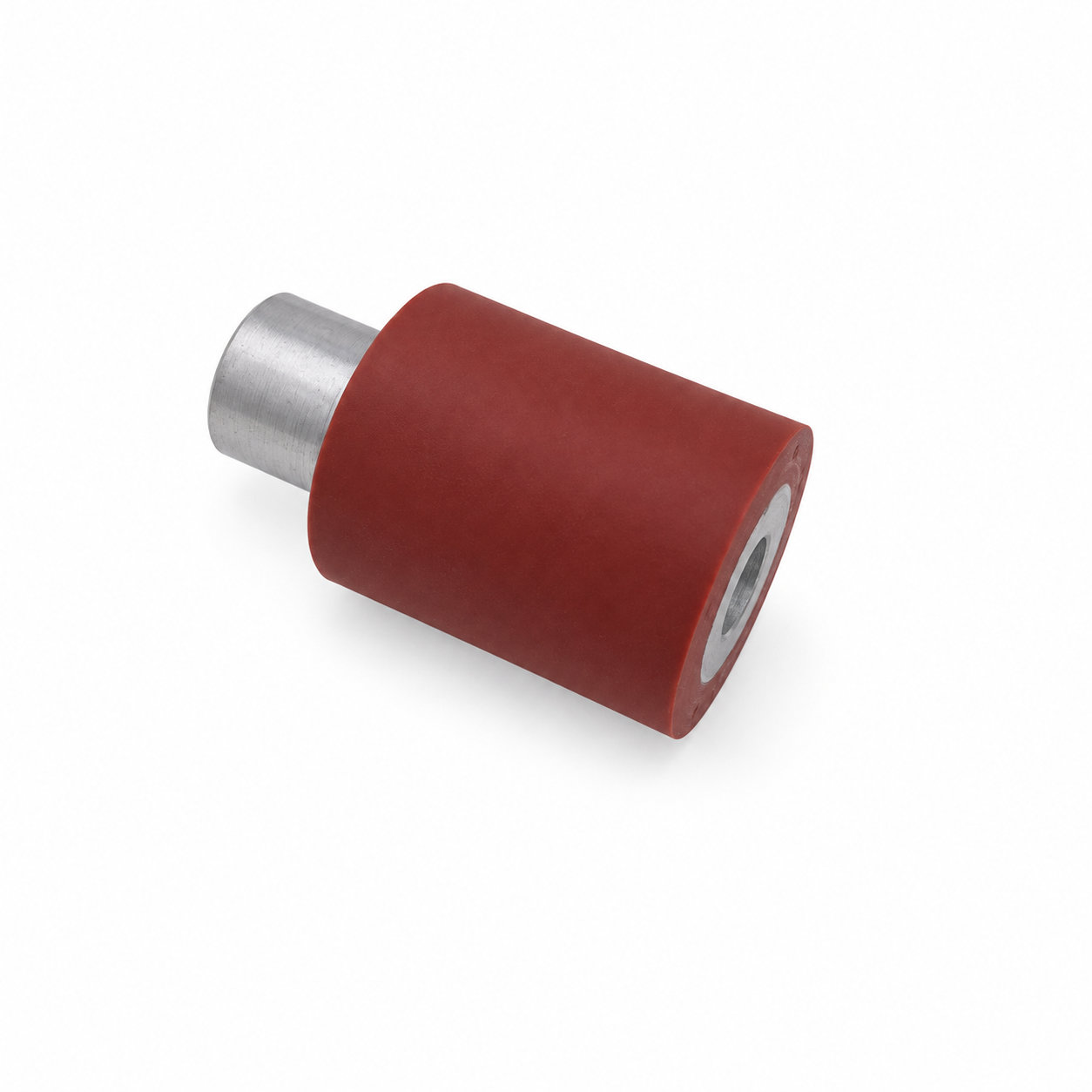
Photos illustrate structure or material only. The internal fit, outer taper and length must be selected together so the sleeve locates properly while allowing the intended compliance. ETOL directly manufactures custom-shaped silicone and rubber parts to your requirements.
Identify key dimensions, mating surfaces and quantity
Agree the compound and manufacturing approach
Review the fit and agreed requirements in the assembly
Manufacture and check against the approved requirements
Identify temperature, contact fluids and repeated movement.
Consider hardness together with wall thickness and support.
Check access, mating dimensions and the fitting sequence.
Yes. Show the receiving opening, contact surfaces and clearance limits. We can review the dimensions and retaining features around the intended fit.
Agree the critical dimensions, material, hardness, visible surfaces and sample requirements. Explain how the part is installed and which interfaces control its function.
A sample can help explain the structure. Compare it with the assembly because wear, swelling or compression may have changed its original dimensions.
The material, part geometry, tooling, quantity and finishing affect the quotation. Include the intended batch size and delivery destination when describing your requirements.
DISCUSS THIS COMPONENT
Share the fit, operating conditions and quantity with our manufacturing team.
EXPLORE RELATED DESIGNS
Explore similar part structures and applications for your next project.