Working conditions
Identify temperature, contact fluids and repeated movement.

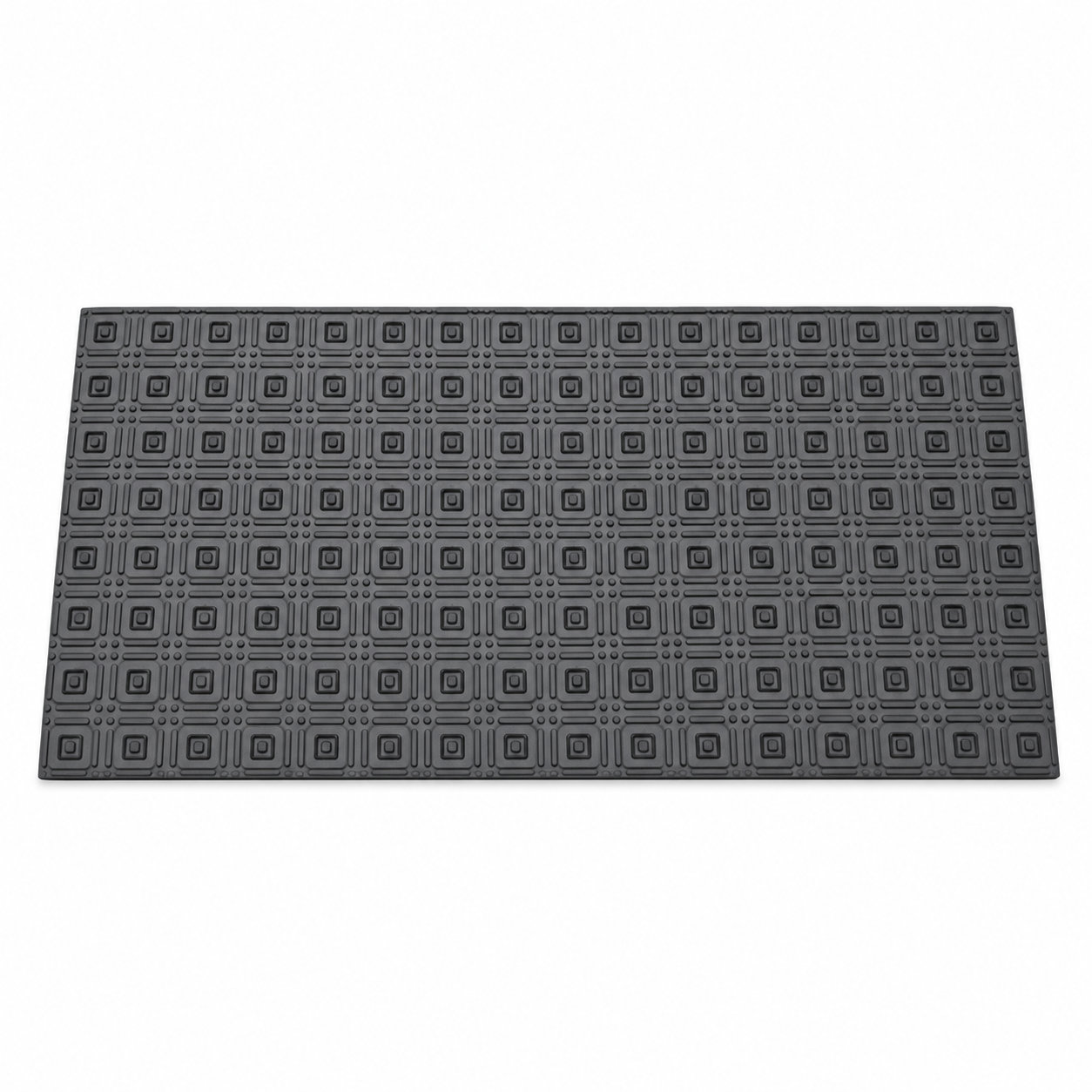
Custom manufacturing example · Silicone Rubber Cushion Pad Anti-slip Mat
CUSTOM RUBBER & SILICONE MANUFACTURING
A custom component for your assembly.
Define the mating surfaces, dimensions and working conditions. ETOL manufactures the part to the agreed design and material.
Share the part, its application and your estimated quantity.
Selected for the contact, temperature and movement
Define the visible surfaces and intended color
Develop holes, lips and walls around the mating parts
Match the attachment and installation method
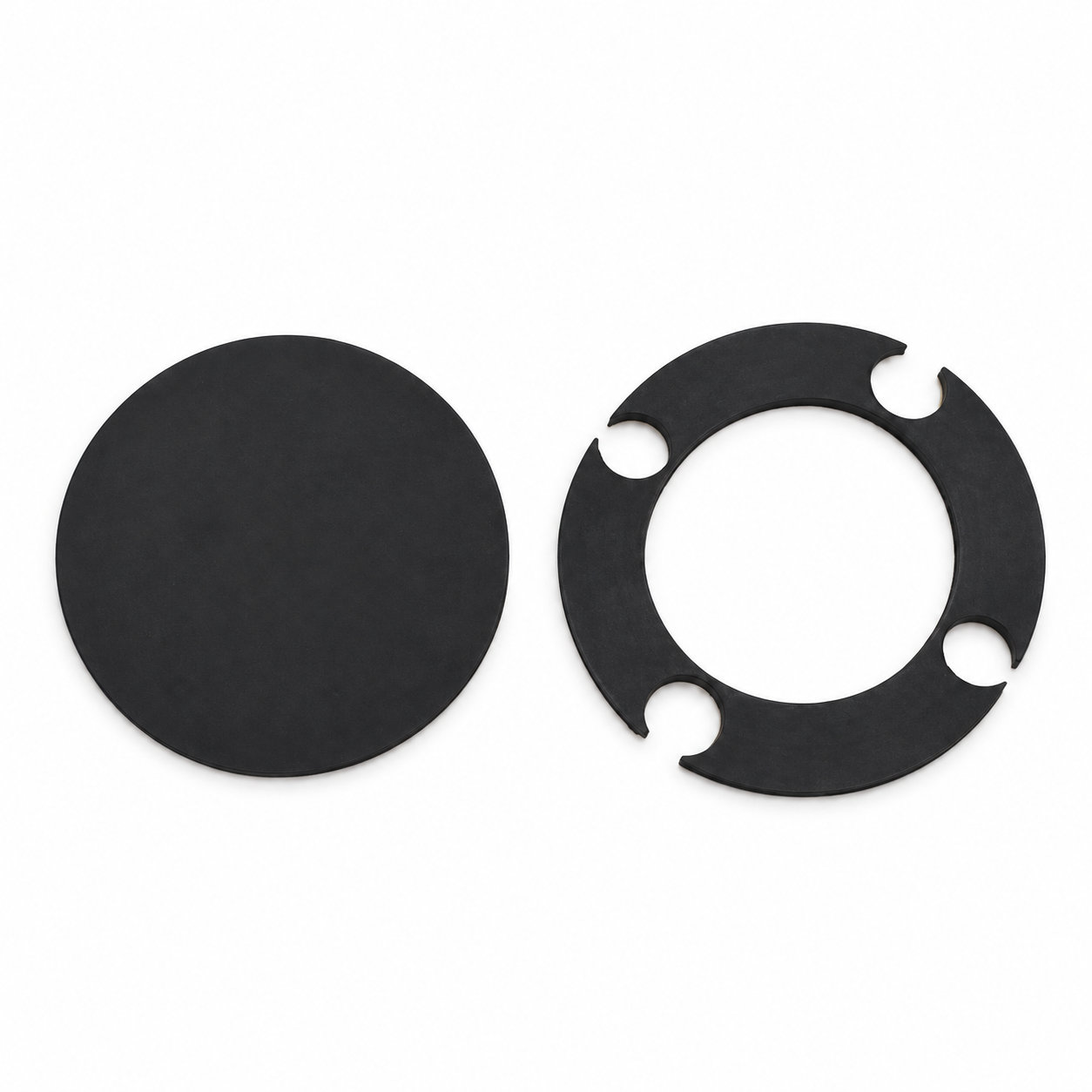
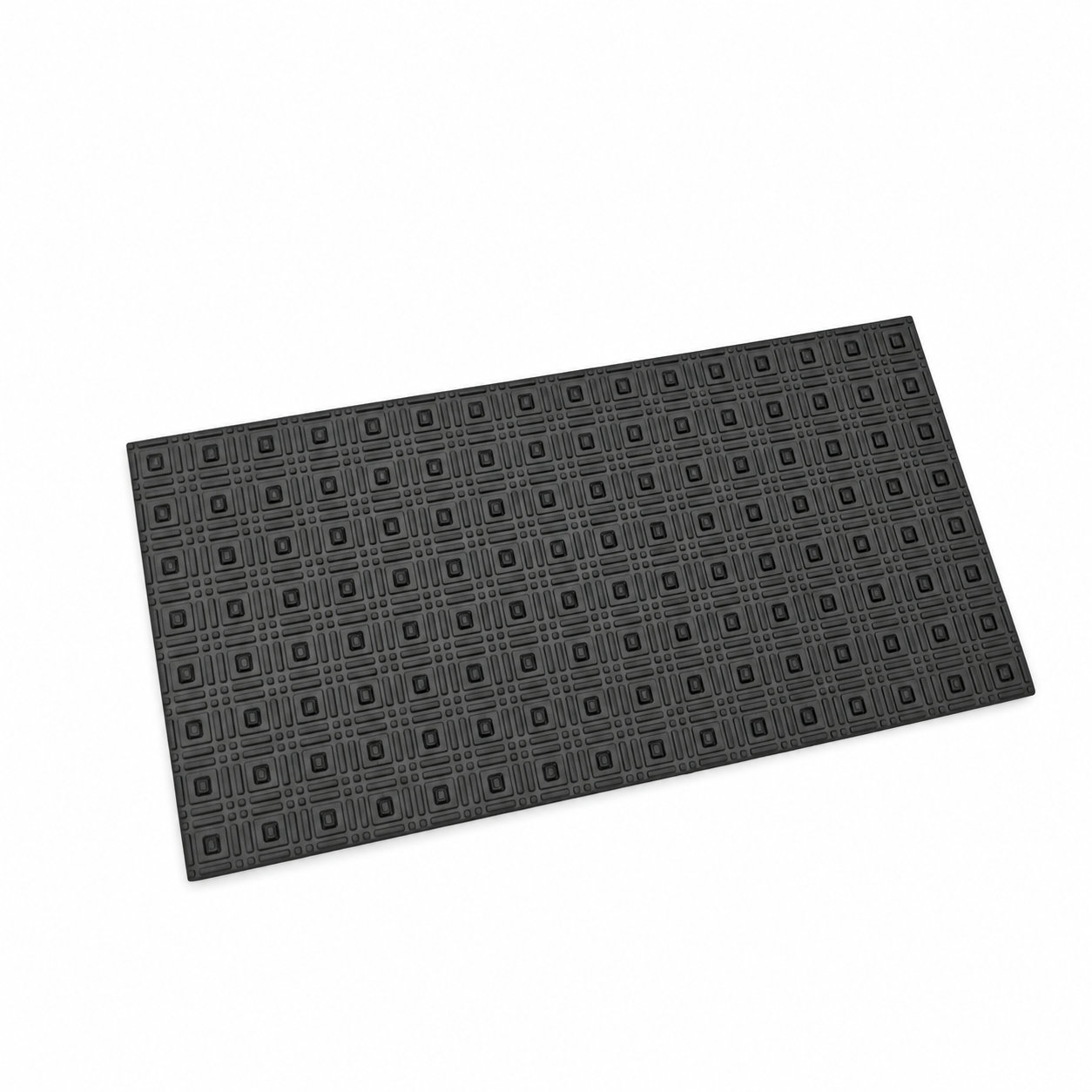
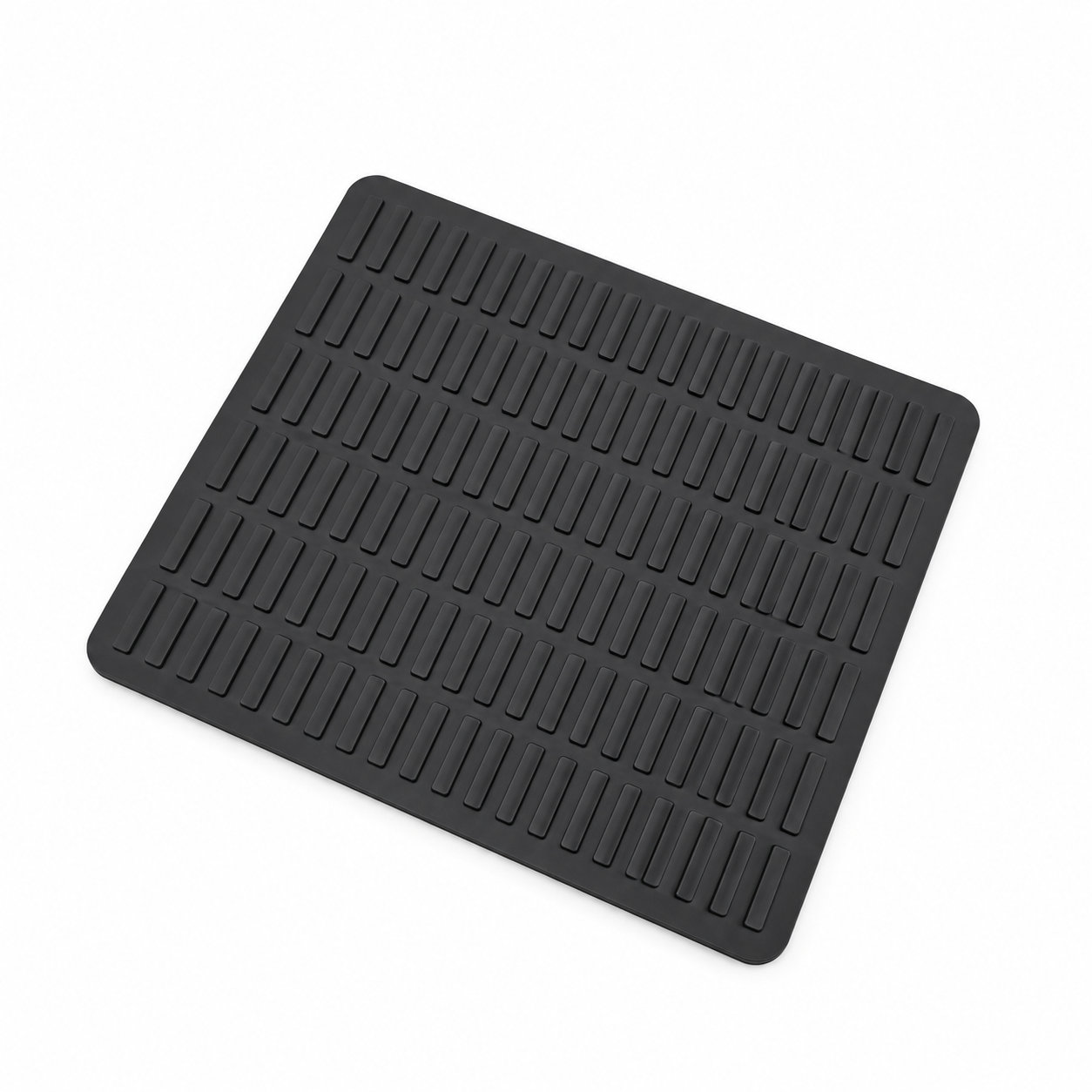
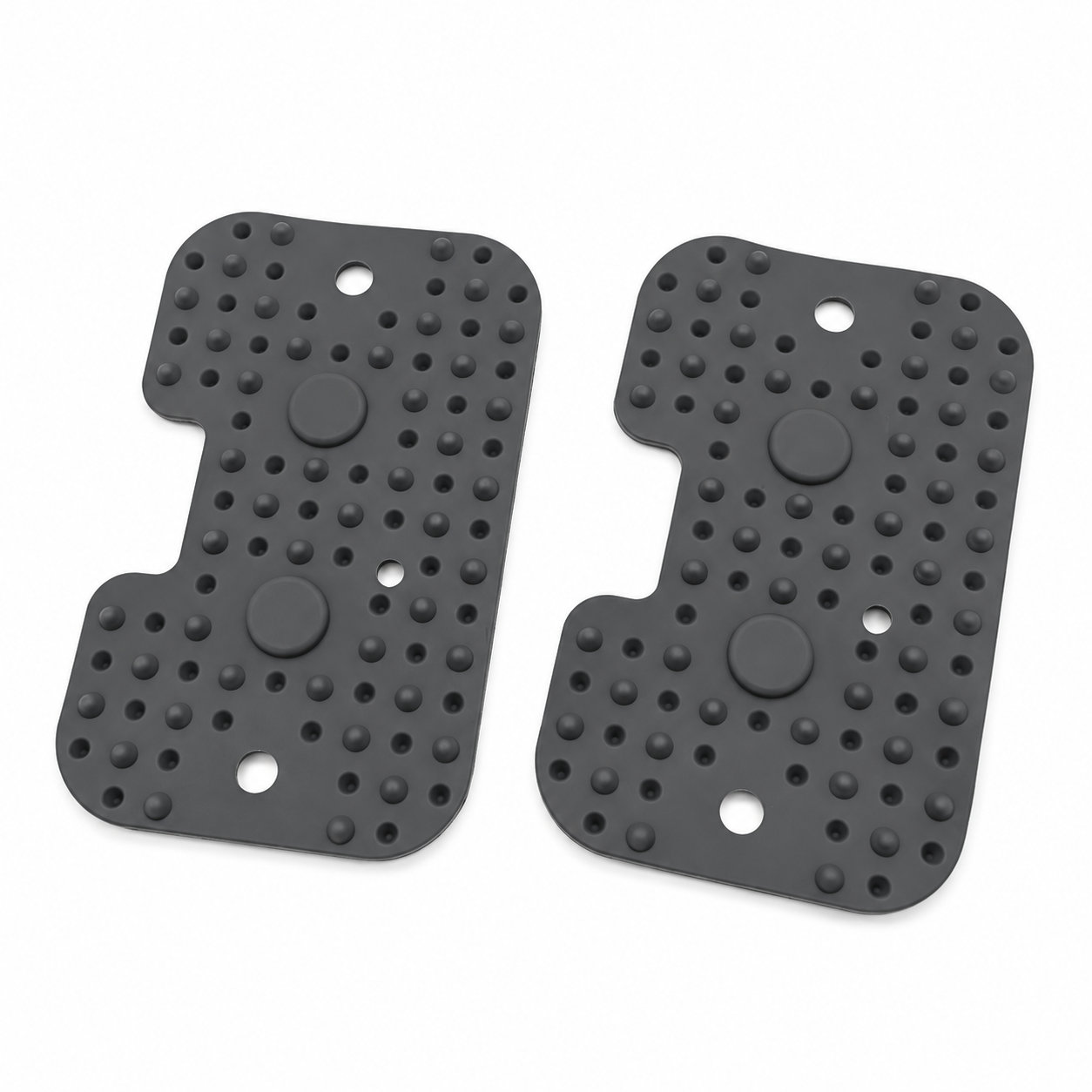
A Silicone Rubber Cushion Pad places a flexible layer between a supported item and the surface below it. The selected thickness and footprint should allow the rubber to provide the intended contact without being squeezed out from underneath the load.
ETOL offers customization of structure, dimensions, material, hardness and color. Consider the area carrying the load as well as the total pad size. A small hard projection on the mating part can compress one spot much more than the rest, even when the overall item is light.
Place the pad flat on a prepared surface and check it with the actual item in position. Look for excessive local indentation, an outward bulge at an edge or contact bypassing the rubber entirely. If the arrangement needs a stable height, evaluate the assembled compression rather than relying on the loose pad thickness. Keep dust and grit out of both contact faces during cleaning. When moving the item, lift it clear so the pad can be inspected and repositioned without stretching it along the surface.
If several pads support one base, compare their contact together. A slight height difference can leave one pad taking contact earlier, making the arrangement behave differently from a single-pad trial.
Photos illustrate structure or material only. The selected thickness and footprint should allow the rubber to provide the intended contact without being squeezed out from underneath the load. ETOL directly manufactures custom-shaped silicone and rubber parts to your requirements.
Identify key dimensions, mating surfaces and quantity
Agree the compound and manufacturing approach
Review the fit and agreed requirements in the assembly
Manufacture and check against the approved requirements
Identify temperature, contact fluids and repeated movement.
Consider hardness together with wall thickness and support.
Check access, mating dimensions and the fitting sequence.
Yes. Show the receiving opening, contact surfaces and clearance limits. We can review the dimensions and retaining features around the intended fit.
Agree the critical dimensions, material, hardness, visible surfaces and sample requirements. Explain how the part is installed and which interfaces control its function.
A sample can help explain the structure. Compare it with the assembly because wear, swelling or compression may have changed its original dimensions.
The material, part geometry, tooling, quantity and finishing affect the quotation. Include the intended batch size and delivery destination when describing your requirements.
DISCUSS THIS COMPONENT
Share the fit, operating conditions and quantity with our manufacturing team.
EXPLORE RELATED DESIGNS
Explore similar part structures and applications for your next project.