Working conditions
Identify temperature, contact fluids and repeated movement.

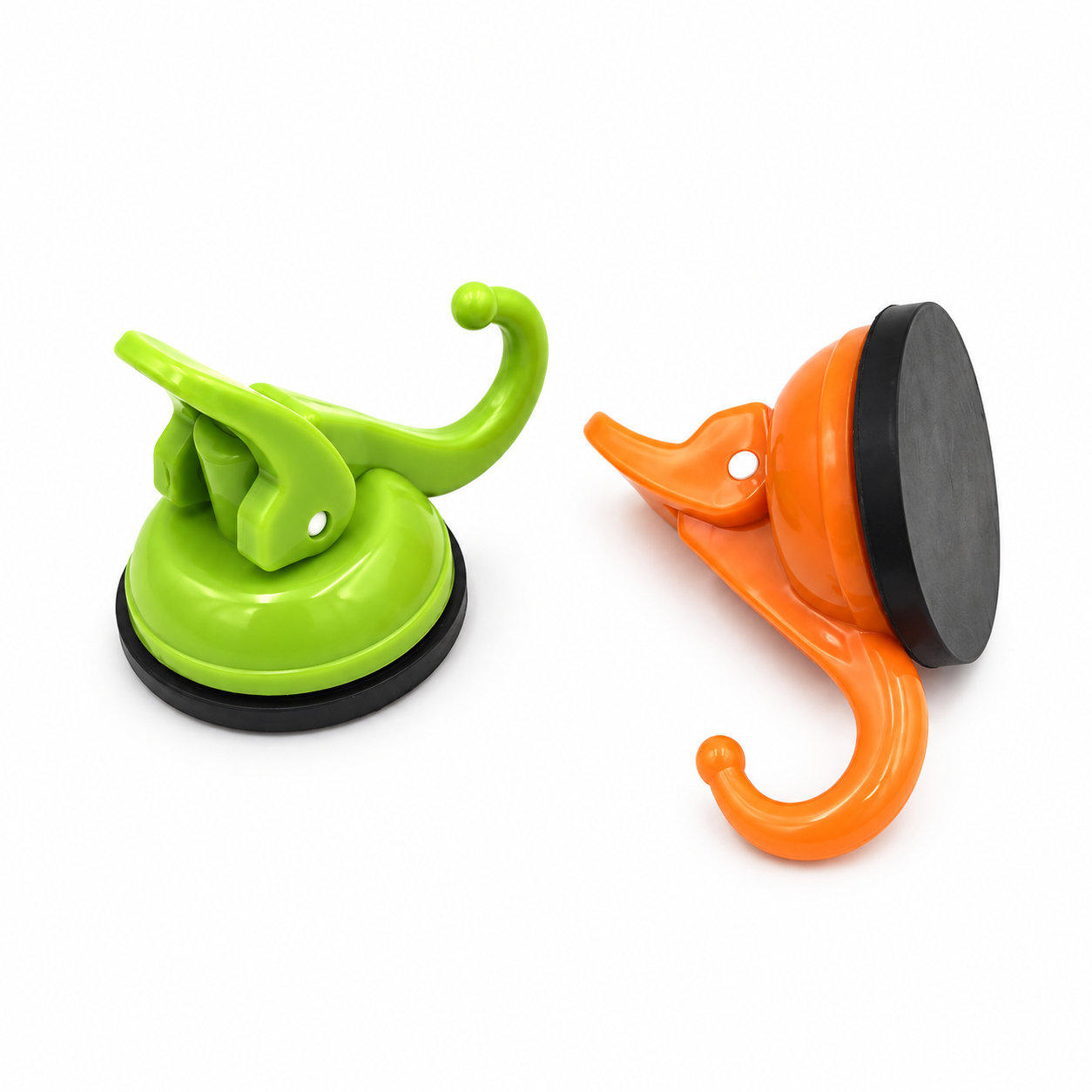
Custom manufacturing example · Suction hooks with lock/ PVC suction cups
CUSTOM RUBBER & SILICONE MANUFACTURING
A custom component for your assembly.
Define the mating surfaces, dimensions and working conditions. ETOL manufactures the part to the agreed design and material.
Share the part, its application and your estimated quantity.
Selected for the contact, temperature and movement
Define the visible surfaces and intended color
Develop holes, lips and walls around the mating parts
Match the attachment and installation method
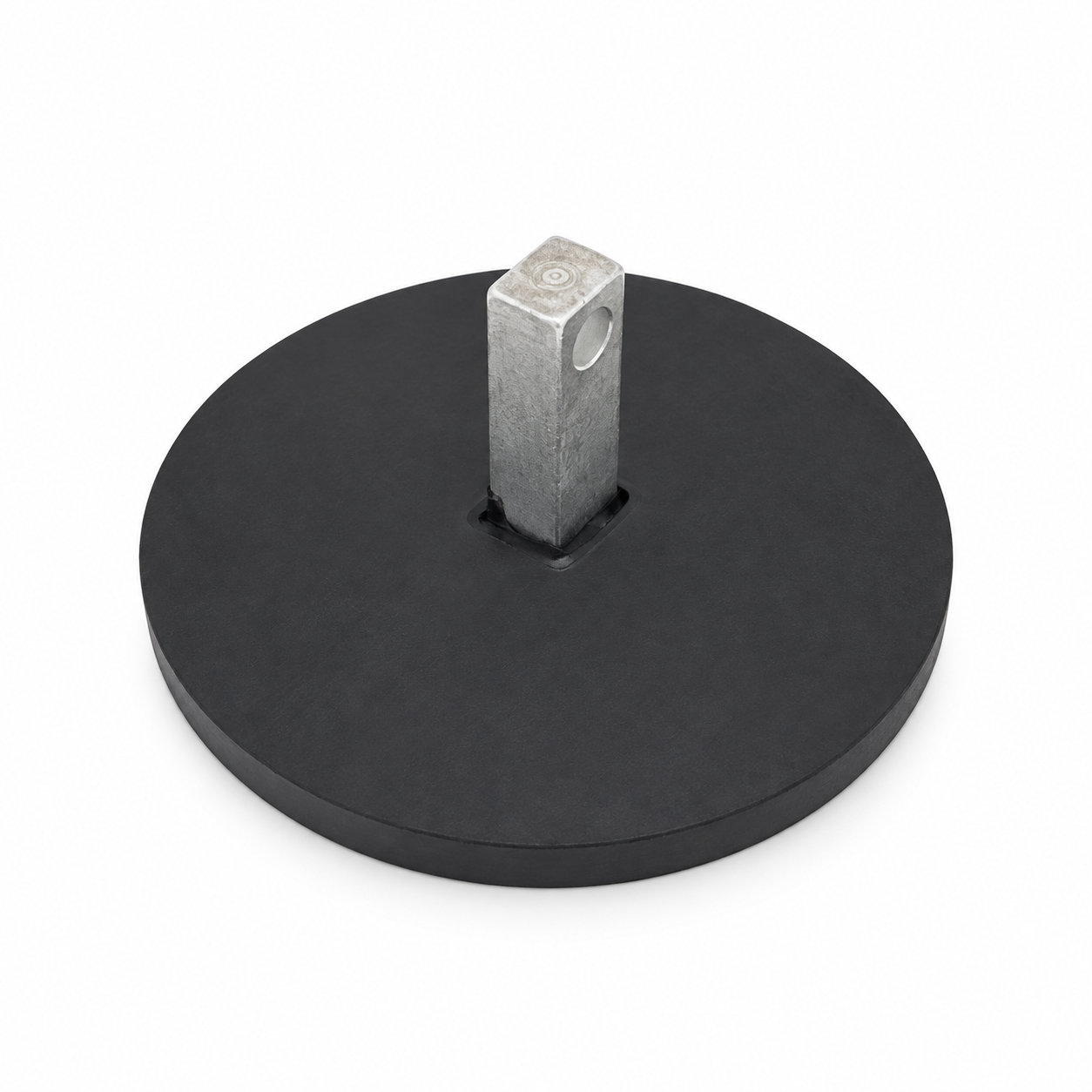
Locking suction hooks use a PVC suction element and a locking arrangement to form a removable hanging attachment. The hook receives the item while the cup maintains contact with the mounting surface. Keeping those two functions in mind makes installation and removal easier to control.
Set the empty hook on a clean, smooth area before applying a load. If the item is already hanging while the lock is being operated, its weight can tilt the cup and prevent an even seal. After locking, check that the flexible edge remains flat around the full perimeter.
Size, color, hardness and molded branding can be adapted while leaving the lock accessible.
For removal, lift the hanging item away, release the lock and gently admit air beneath the rim. Pulling the hook outward while suction remains engaged places a peeling force on the cup. A specific load rating is not given for this version, so assess holding on the actual surface before relying on the hook for routine storage.
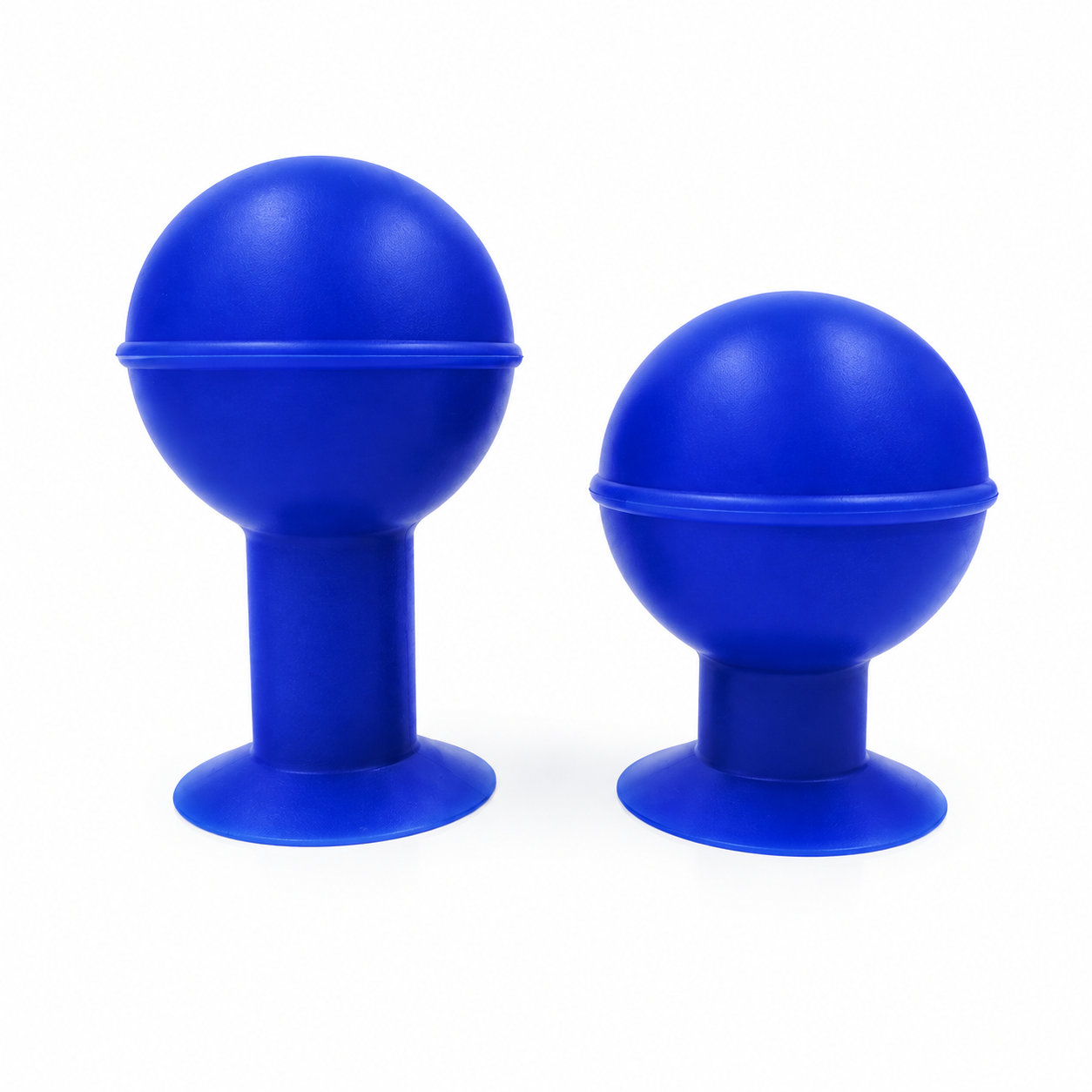
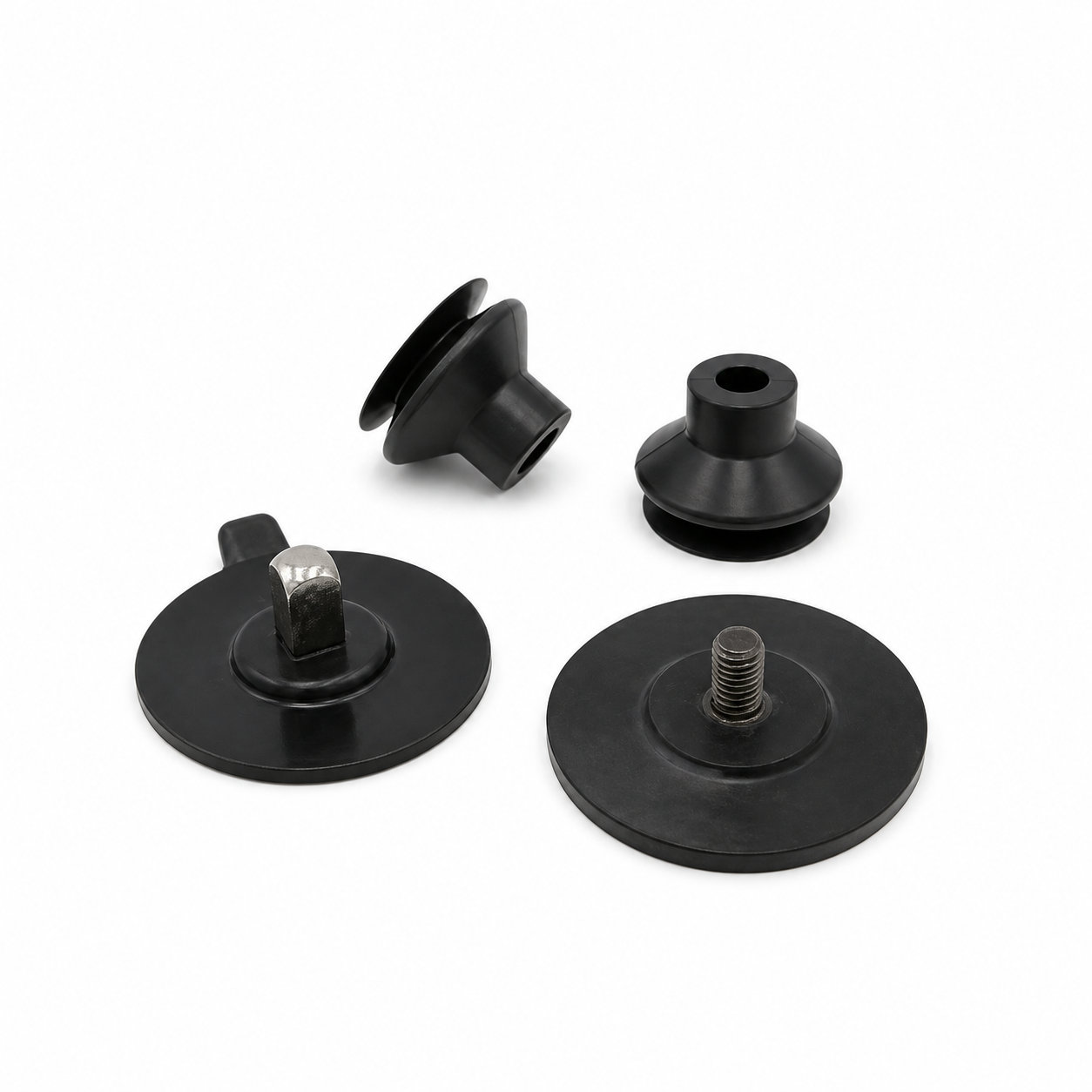
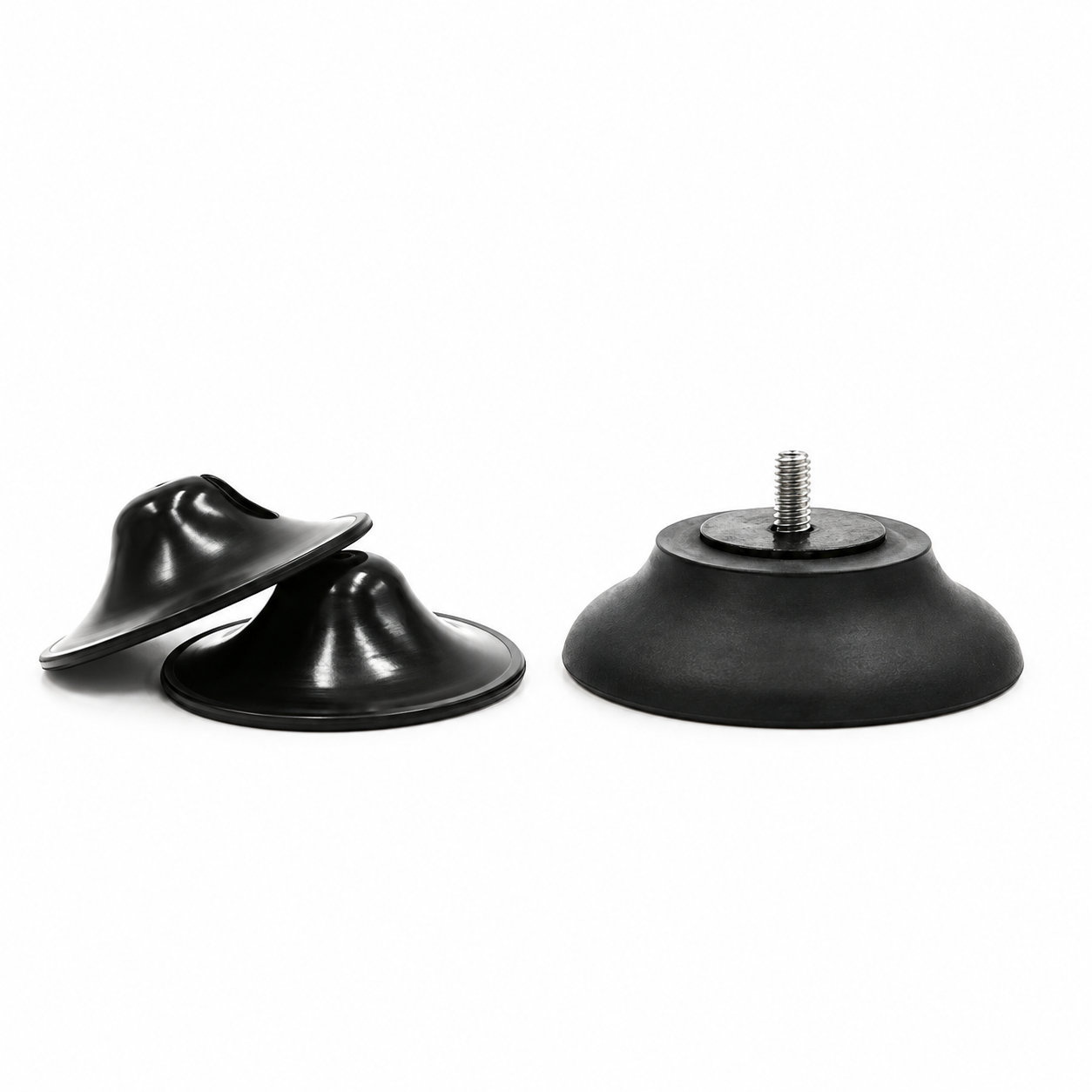
Photos illustrate structure or material appearance only. The hook receives the item while the cup maintains contact with the mounting surface. ETOL directly manufactures custom-shaped silicone and rubber parts to your requirements.
Identify key dimensions, mating surfaces and quantity
Agree the compound and manufacturing approach
Review the fit and agreed requirements in the assembly
Manufacture and check against the approved requirements
Identify temperature, contact fluids and repeated movement.
Consider hardness together with wall thickness and support.
Check access, mating dimensions and the fitting sequence.
Yes. Show the receiving opening, contact surfaces and clearance limits. We can review the dimensions and retaining features around the intended fit.
Agree the critical dimensions, material, hardness, visible surfaces and sample requirements. Explain how the part is installed and which interfaces control its function.
A sample can help explain the structure. Compare it with the assembly because wear, swelling or compression may have changed its original dimensions.
The material, part geometry, tooling, quantity and finishing affect the quotation. Include the intended batch size and delivery destination when describing your requirements.
DISCUSS THIS COMPONENT
Share the fit, operating conditions and quantity with our manufacturing team.
EXPLORE RELATED DESIGNS
Explore similar part structures and applications for your next project.