Working conditions
Identify temperature, contact fluids and repeated movement.

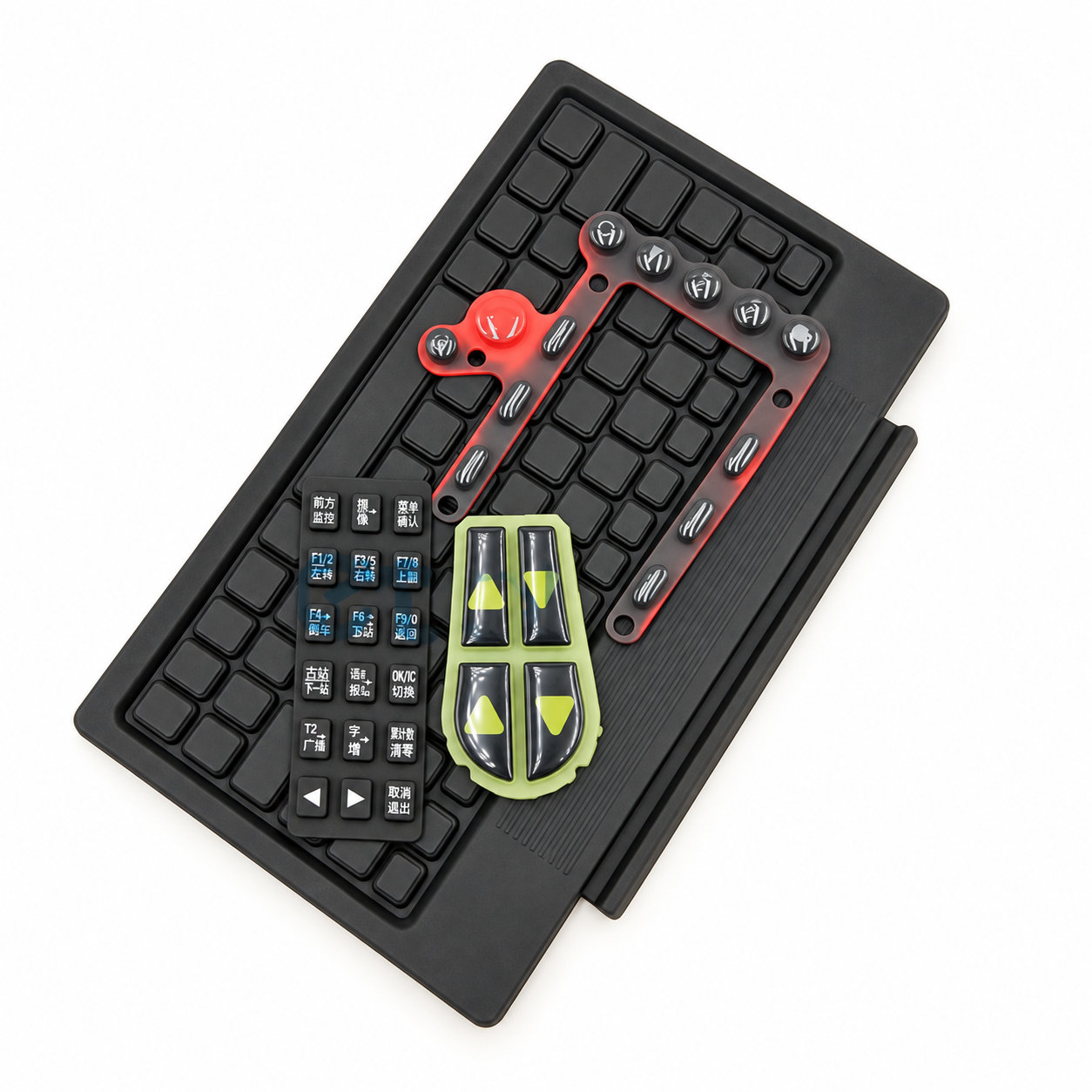
Custom manufacturing example · Computer silicone prototype keypad/silicone switch buttons
CUSTOM RUBBER & SILICONE MANUFACTURING
A custom component for your assembly.
Define the mating surfaces, dimensions and working conditions. ETOL manufactures the part to the agreed design and material.
Share the part, its application and your estimated quantity.
Selected for the contact, temperature and movement
Define the visible surfaces and intended color
Develop holes, lips and walls around the mating parts
Match the attachment and installation method
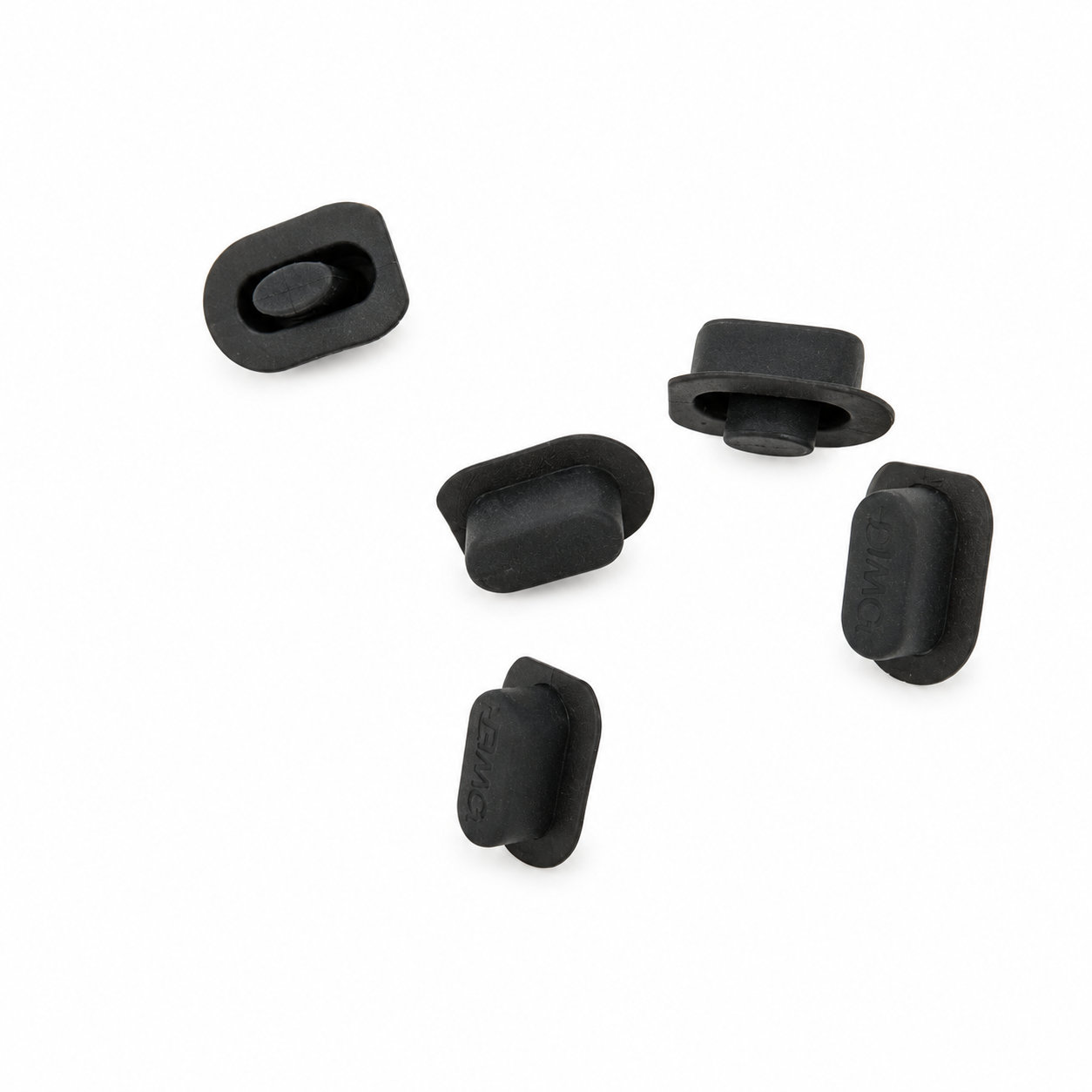
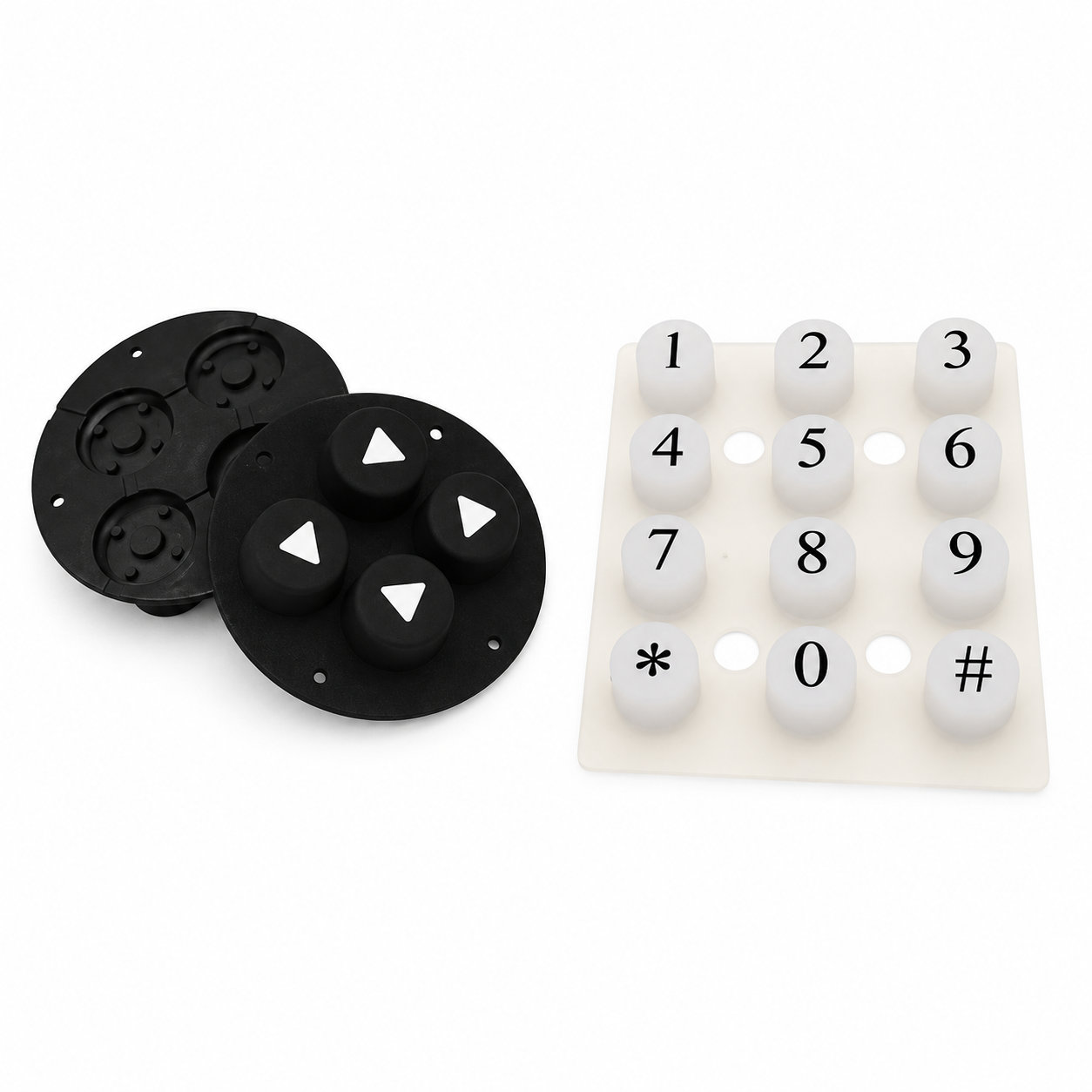
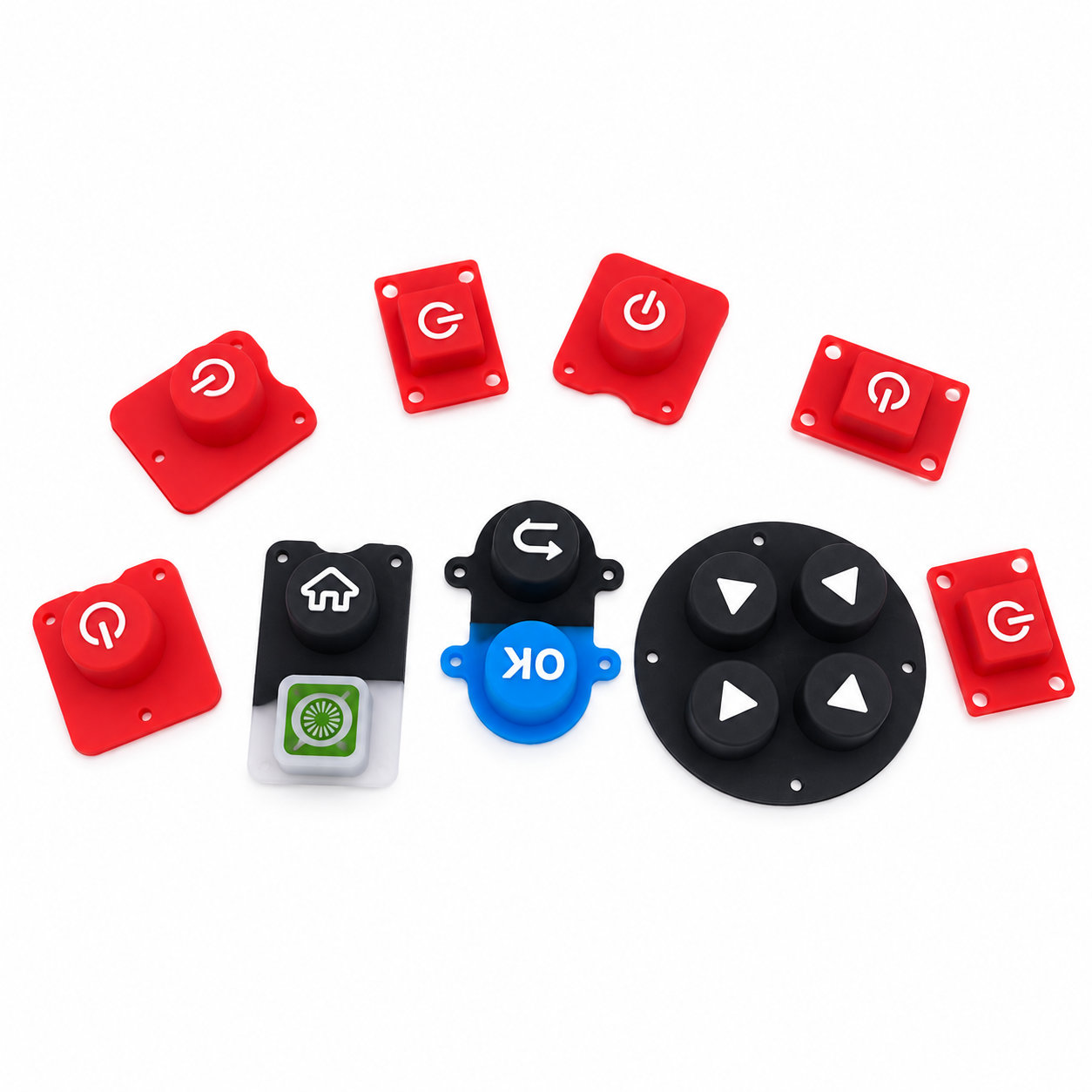
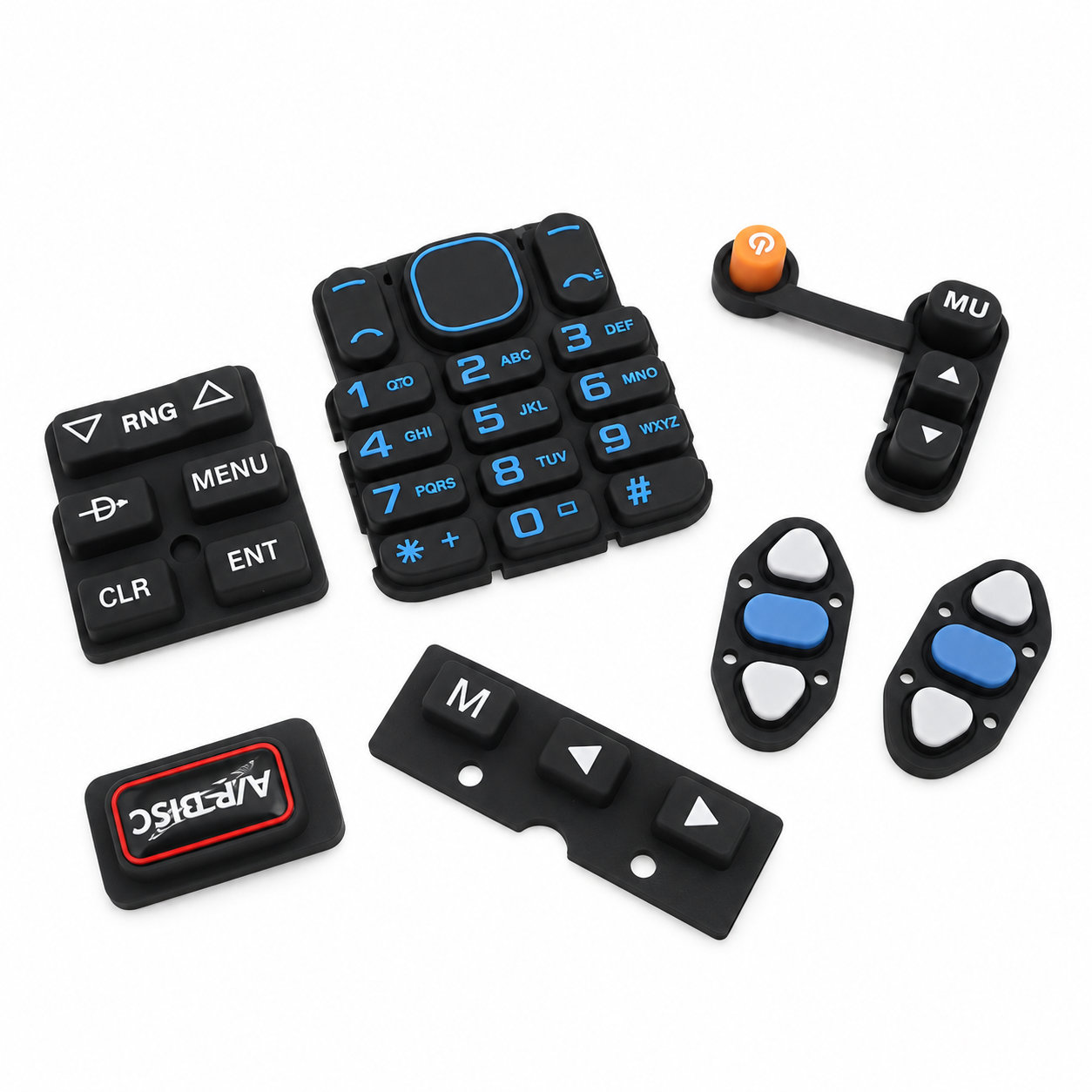
A silicone prototype keypad helps evaluate a custom computer input layout before its geometry is finalized. The useful questions extend beyond whether the buttons fit through the panel: the prototype can show how users reach the controls, how the sheet is restrained, and how the moving sections behave with the actual switching arrangement.
Fit the prototype into a representative enclosure and board assembly. Record where a button rubs, where a press moves a neighboring section, and where the housing changes the feel as it is tightened. These observations help distinguish a layout problem from a support or clearance issue. If a button shape changes, recheck the related opening and underside alignment rather than treating the visible cap as an isolated feature.
Try realistic input sequences, including repeated movement between the most frequently used controls. Assess legibility and finger access in the normal product position. A prototype is useful for resolving these relationships, but its appearance alone does not establish production lifetime, sealing, or final marking durability. Keep the evaluated configuration identifiable so that later revisions can be compared against the same assembly conditions.
Photos illustrate structure or material only. If a button shape changes, recheck the related opening and underside alignment rather than treating the visible cap as an isolated feature. ETOL directly manufactures custom-shaped silicone and rubber parts to your requirements.
Identify key dimensions, mating surfaces and quantity
Agree the compound and manufacturing approach
Review the fit and agreed requirements in the assembly
Manufacture and check against the approved requirements
Identify temperature, contact fluids and repeated movement.
Consider hardness together with wall thickness and support.
Check access, mating dimensions and the fitting sequence.
Yes. Show the receiving opening, contact surfaces and clearance limits. We can review the dimensions and retaining features around the intended fit.
Agree the critical dimensions, material, hardness, visible surfaces and sample requirements. Explain how the part is installed and which interfaces control its function.
A sample can help explain the structure. Compare it with the assembly because wear, swelling or compression may have changed its original dimensions.
The material, part geometry, tooling, quantity and finishing affect the quotation. Include the intended batch size and delivery destination when describing your requirements.
DISCUSS THIS COMPONENT
Share the fit, operating conditions and quantity with our manufacturing team.
EXPLORE RELATED DESIGNS
Explore similar part structures and applications for your next project.