Working conditions
Identify temperature, contact fluids and repeated movement.

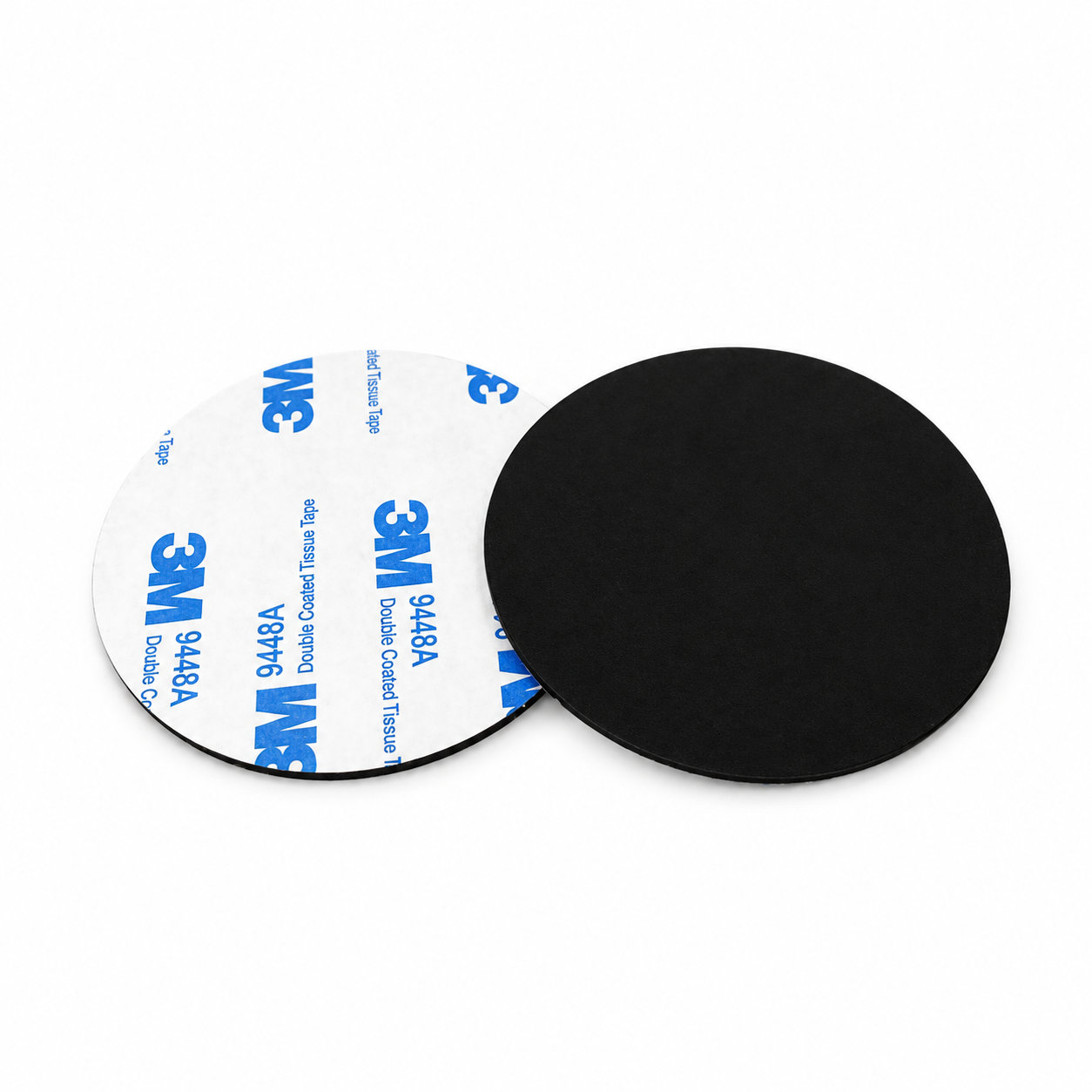
Custom manufacturing example · Custom made 3M self adhesive rubber foot pads
CUSTOM RUBBER & SILICONE MANUFACTURING
A custom component for your assembly.
Define the mating surfaces, dimensions and working conditions. ETOL manufactures the part to the agreed design and material.
Share the part, its application and your estimated quantity.
Selected for the contact, temperature and movement
Define the visible surfaces and intended color
Develop holes, lips and walls around the mating parts
Match the attachment and installation method
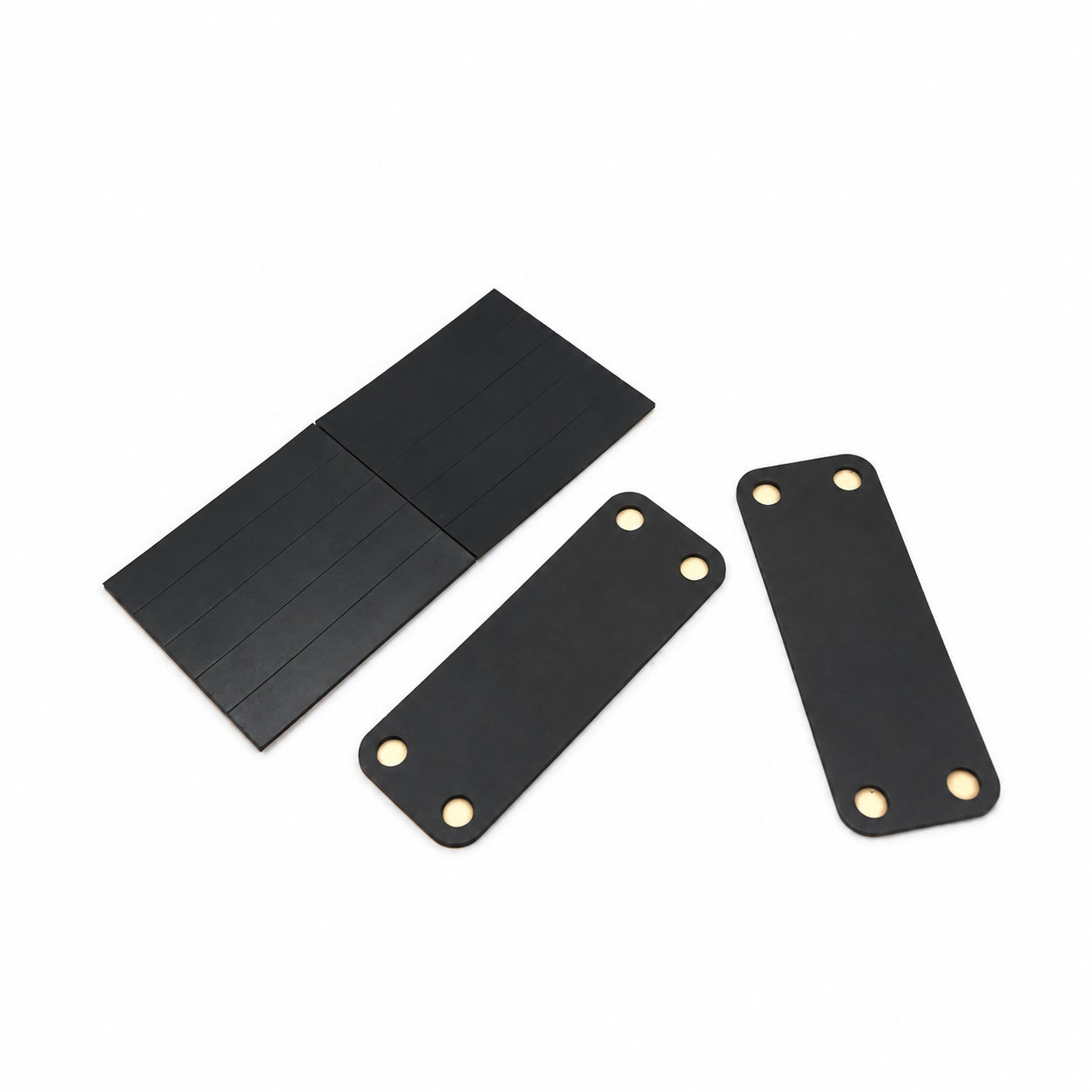
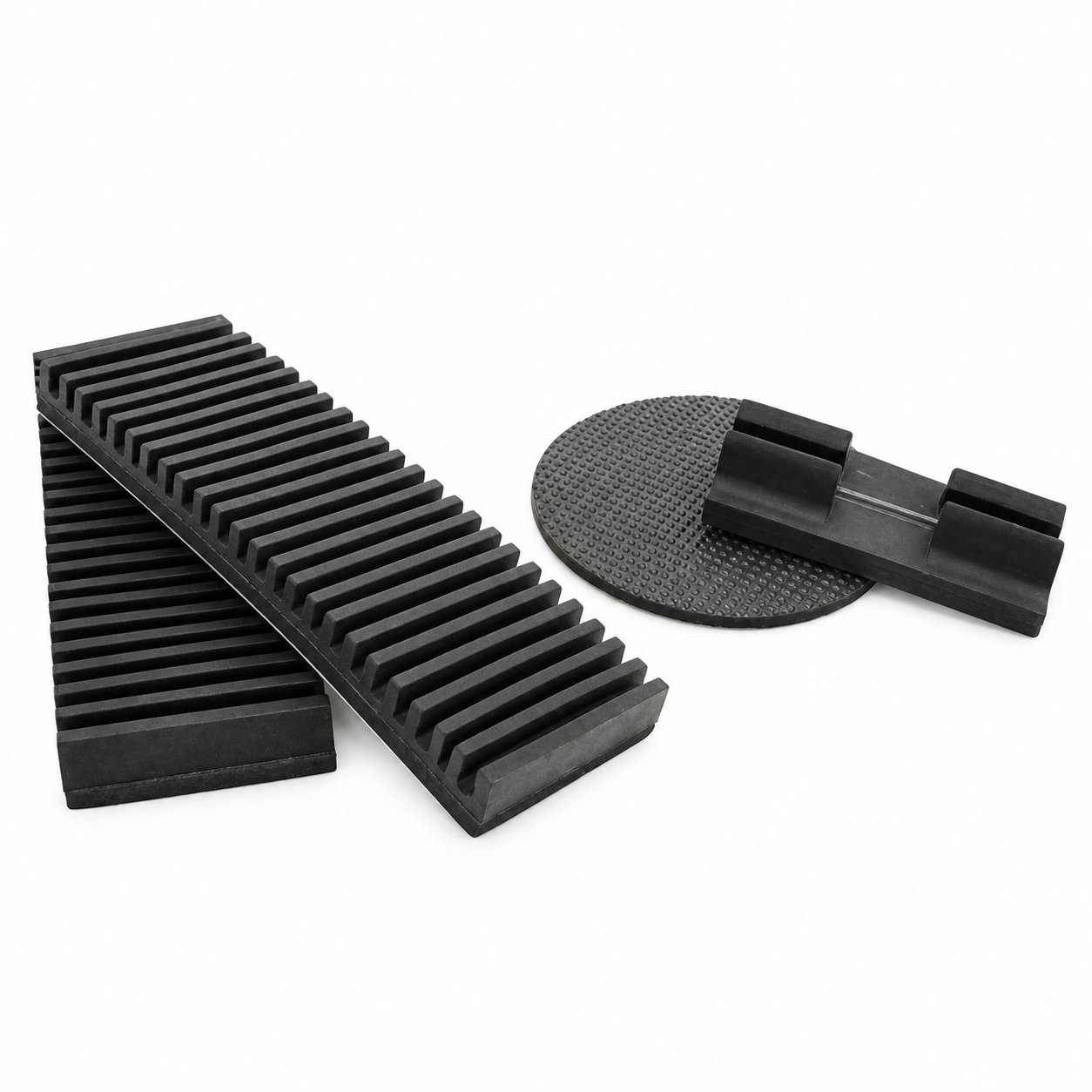
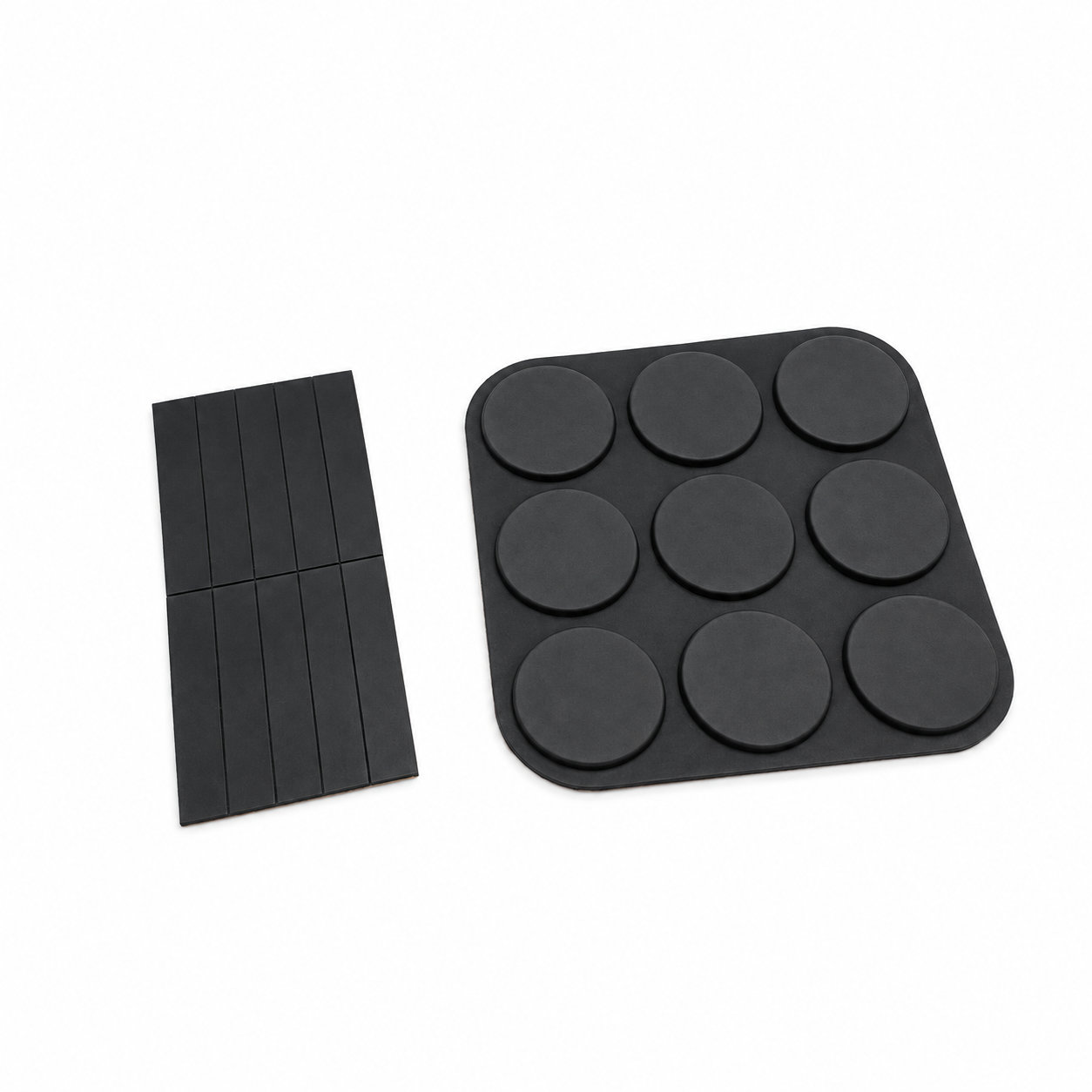
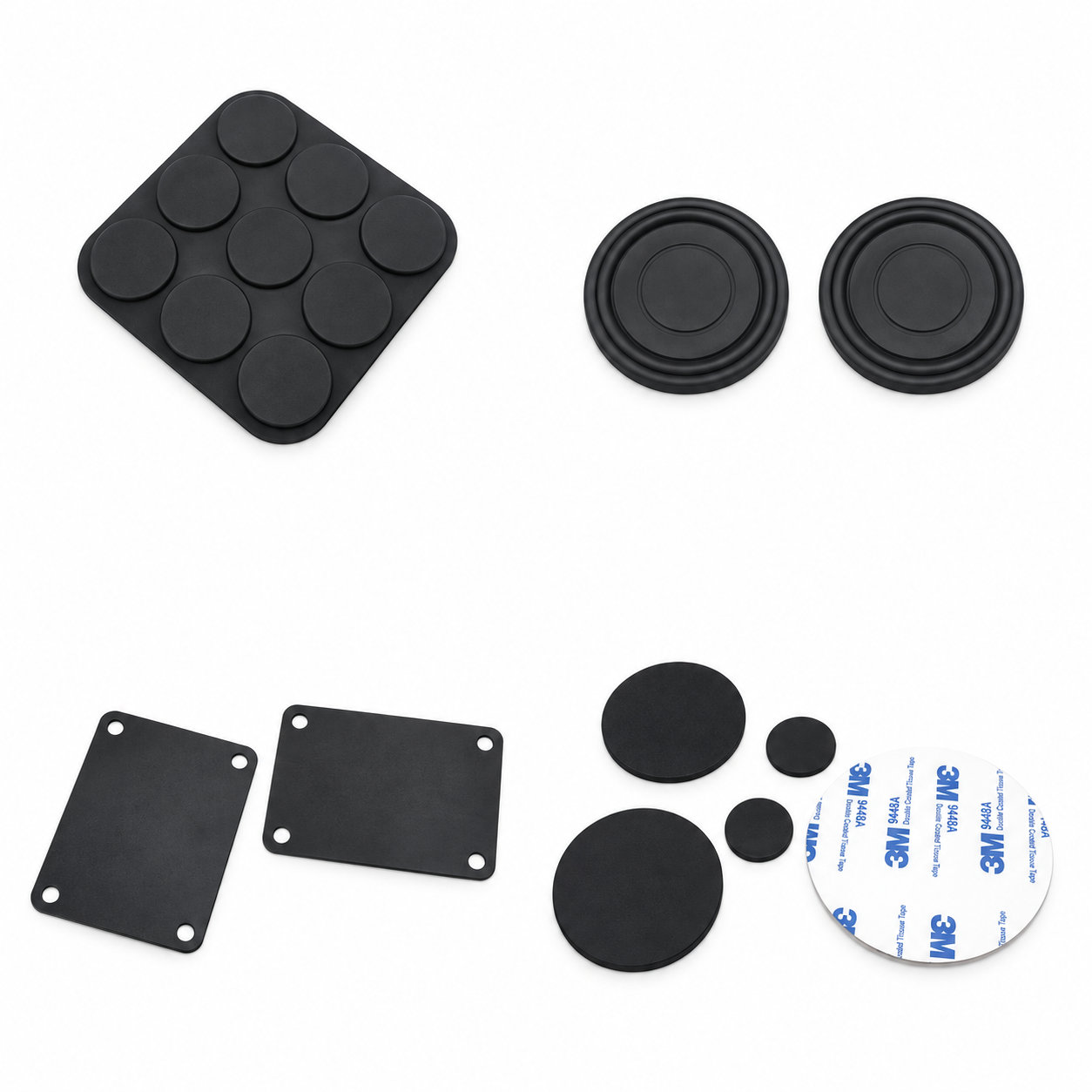
Self adhesive rubber foot pads allow supports to be attached to an equipment base without drilling new mounting holes. This 3M adhesive option needs to be matched to the substrate and the selected pad design; adhesive brand alone does not determine how a foot will perform on a particular coating or plastic. The completed support also depends on footprint, rubber thickness, and how the equipment is moved.
Locate pads on flat areas that can carry the intended load. Avoid spanning molding ribs or sitting partly over a recessed label area. Keep the supports at a consistent installed height and allow space for any vents, access screws, or service covers underneath the equipment.
Prepare the surface and apply pressure according to the chosen adhesive system. Give the bond its specified conditioning period before placing it under demanding movement or load. Repeated sliding can load the adhesive differently from a stationary item resting on the same feet.
Inspect the equipment after repositioning it, looking for a pad that has migrated or an edge that has begun to lift. If the base finish changes during a product revision, assess the bonding arrangement again. A previously successful pad on bare material may behave differently on a textured or newly coated version of that base.
Photos illustrate structure or material only. The completed support also depends on footprint, rubber thickness, and how the equipment is moved. ETOL directly manufactures custom-shaped silicone and rubber parts to your requirements.
Identify key dimensions, mating surfaces and quantity
Agree the compound and manufacturing approach
Review the fit and agreed requirements in the assembly
Manufacture and check against the approved requirements
Identify temperature, contact fluids and repeated movement.
Consider hardness together with wall thickness and support.
Check access, mating dimensions and the fitting sequence.
Yes. Show the receiving opening, contact surfaces and clearance limits. We can review the dimensions and retaining features around the intended fit.
Agree the critical dimensions, material, hardness, visible surfaces and sample requirements. Explain how the part is installed and which interfaces control its function.
A sample can help explain the structure. Compare it with the assembly because wear, swelling or compression may have changed its original dimensions.
The material, part geometry, tooling, quantity and finishing affect the quotation. Include the intended batch size and delivery destination when describing your requirements.
DISCUSS THIS COMPONENT
Share the fit, operating conditions and quantity with our manufacturing team.
EXPLORE RELATED DESIGNS
Explore similar part structures and applications for your next project.