Working conditions
Identify temperature, contact fluids and repeated movement.

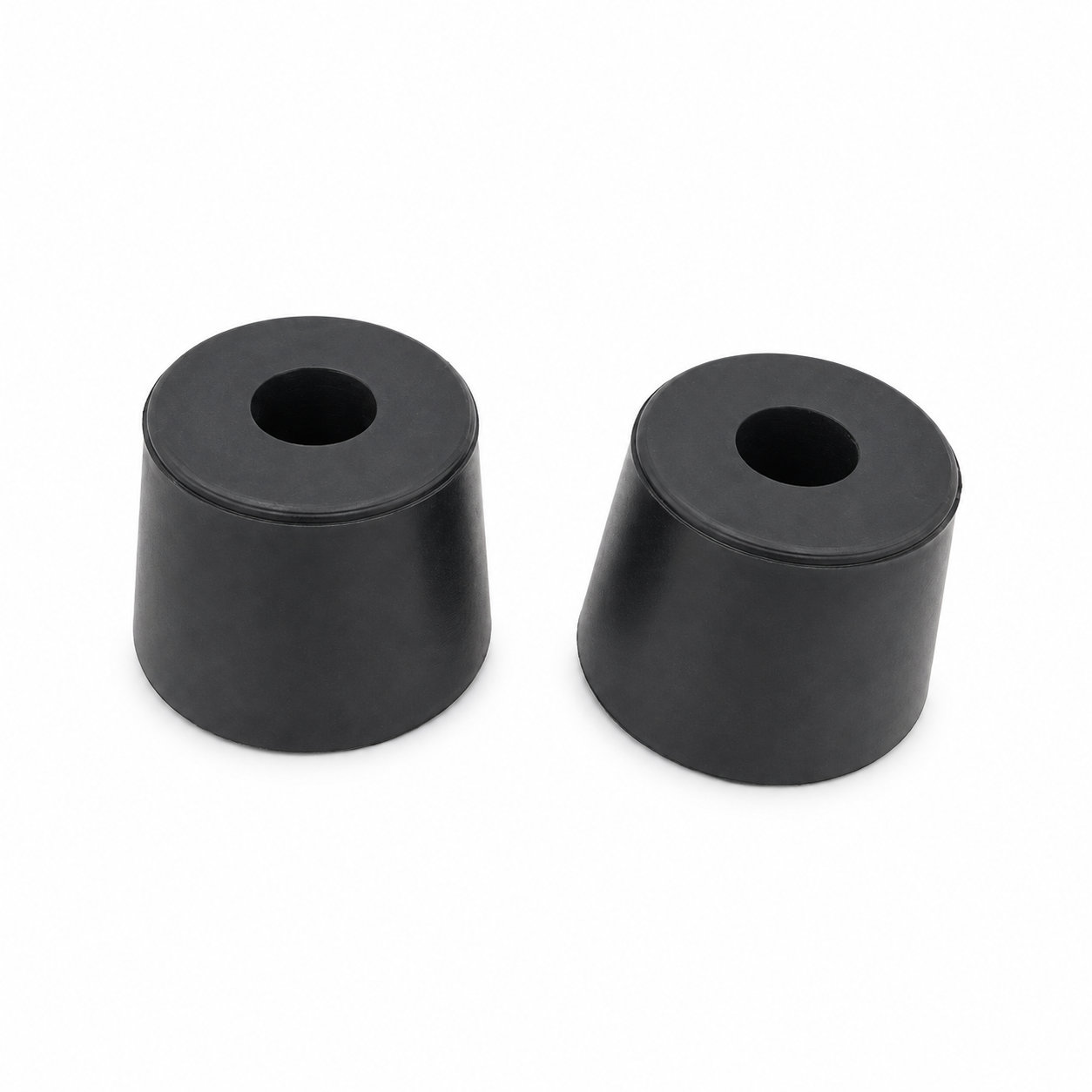
Custom manufacturing example · Anti slip rubber bumper feet furniture protection
CUSTOM RUBBER & SILICONE MANUFACTURING
A custom component for your assembly.
Define the mating surfaces, dimensions and working conditions. ETOL manufactures the part to the agreed design and material.
Share the part, its application and your estimated quantity.

Selected for the contact, temperature and movement
Define the visible surfaces and intended color
Develop holes, lips and walls around the mating parts
Match the attachment and installation method
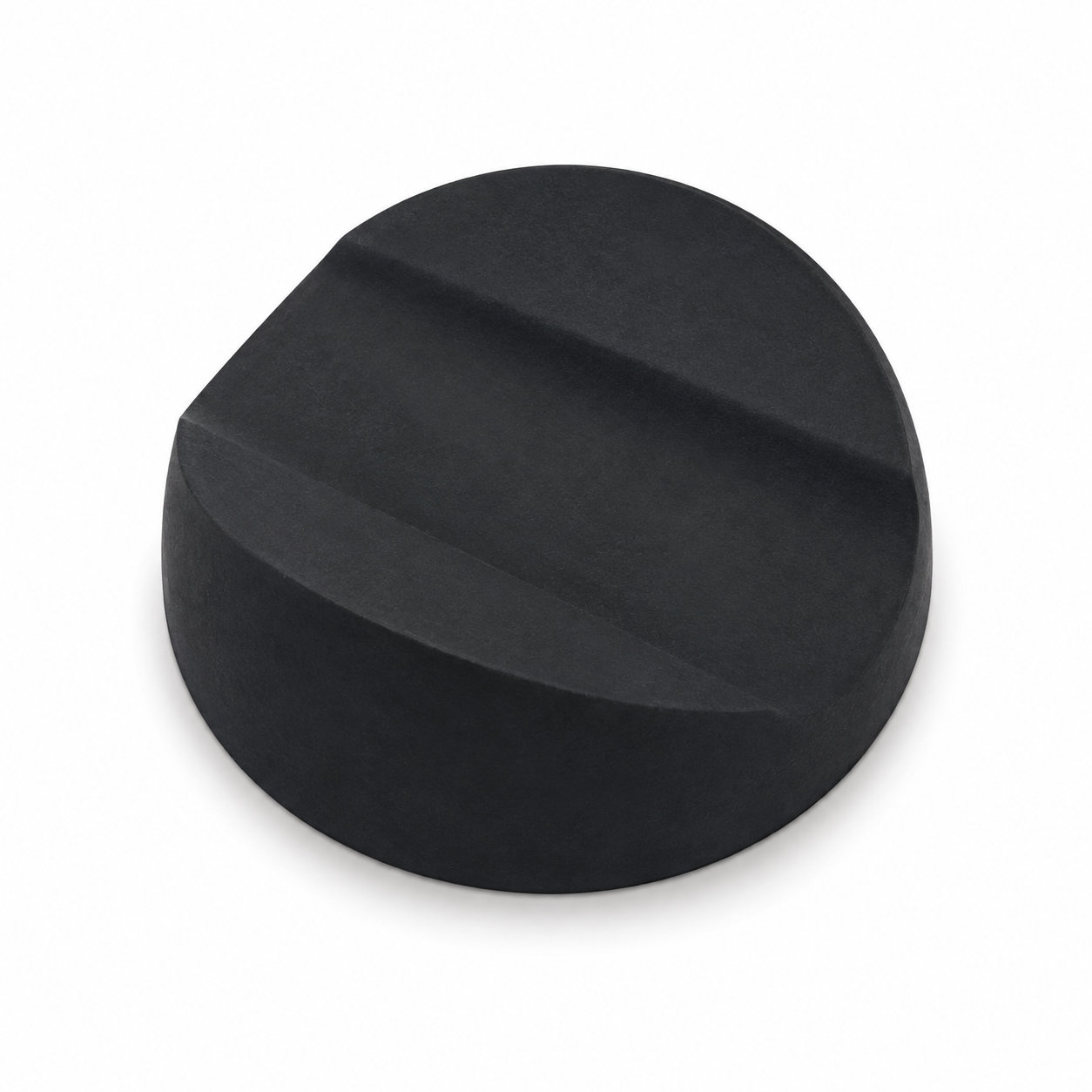
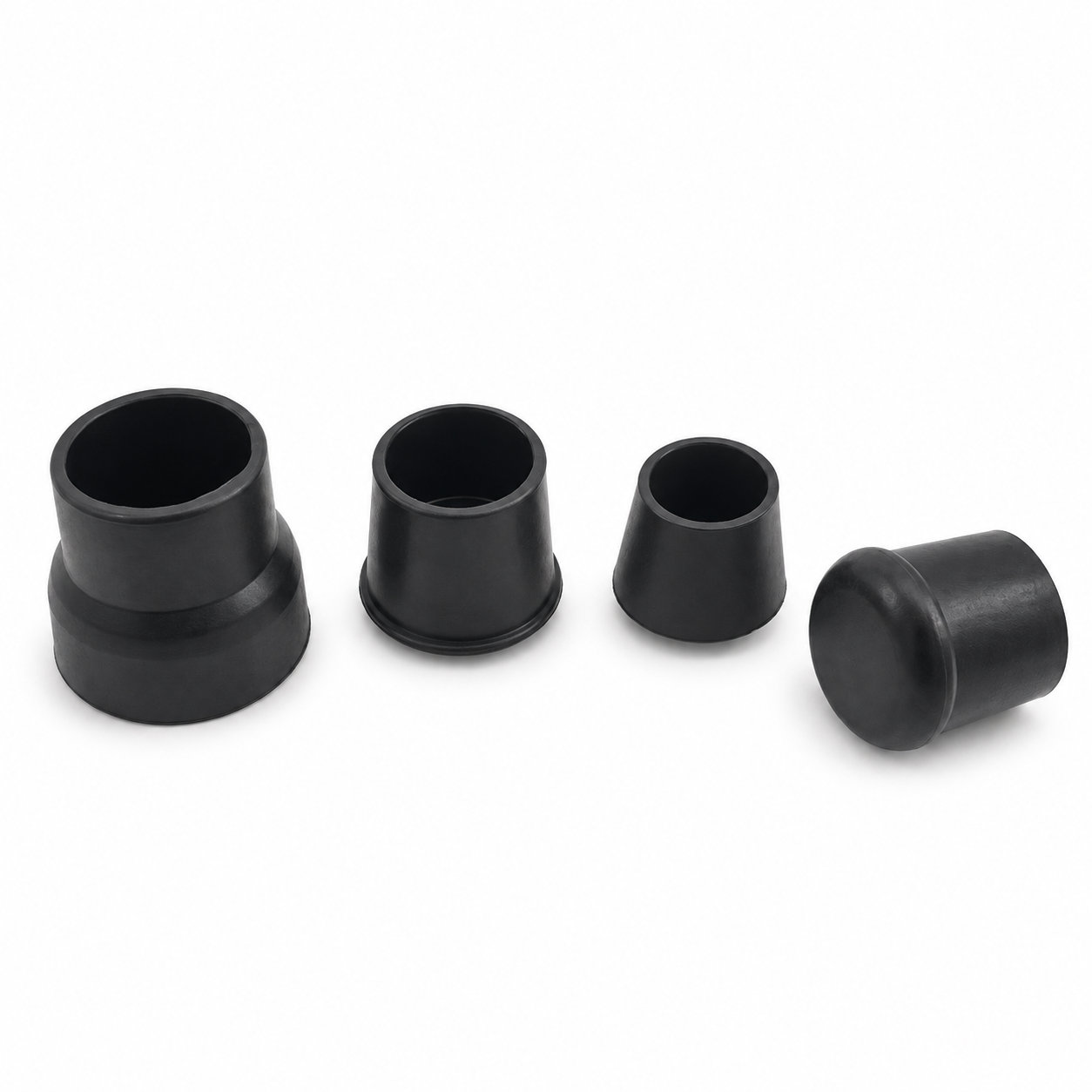
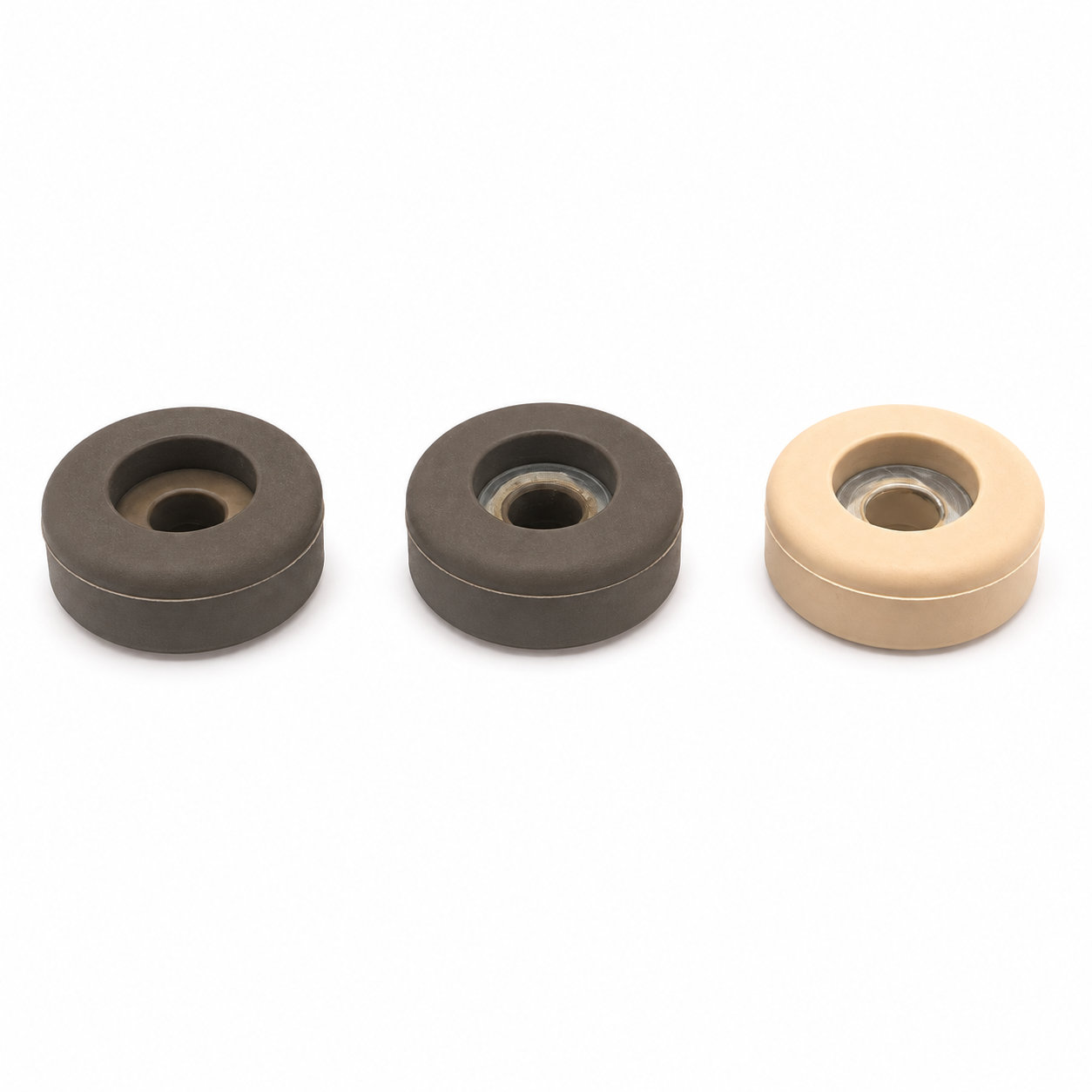
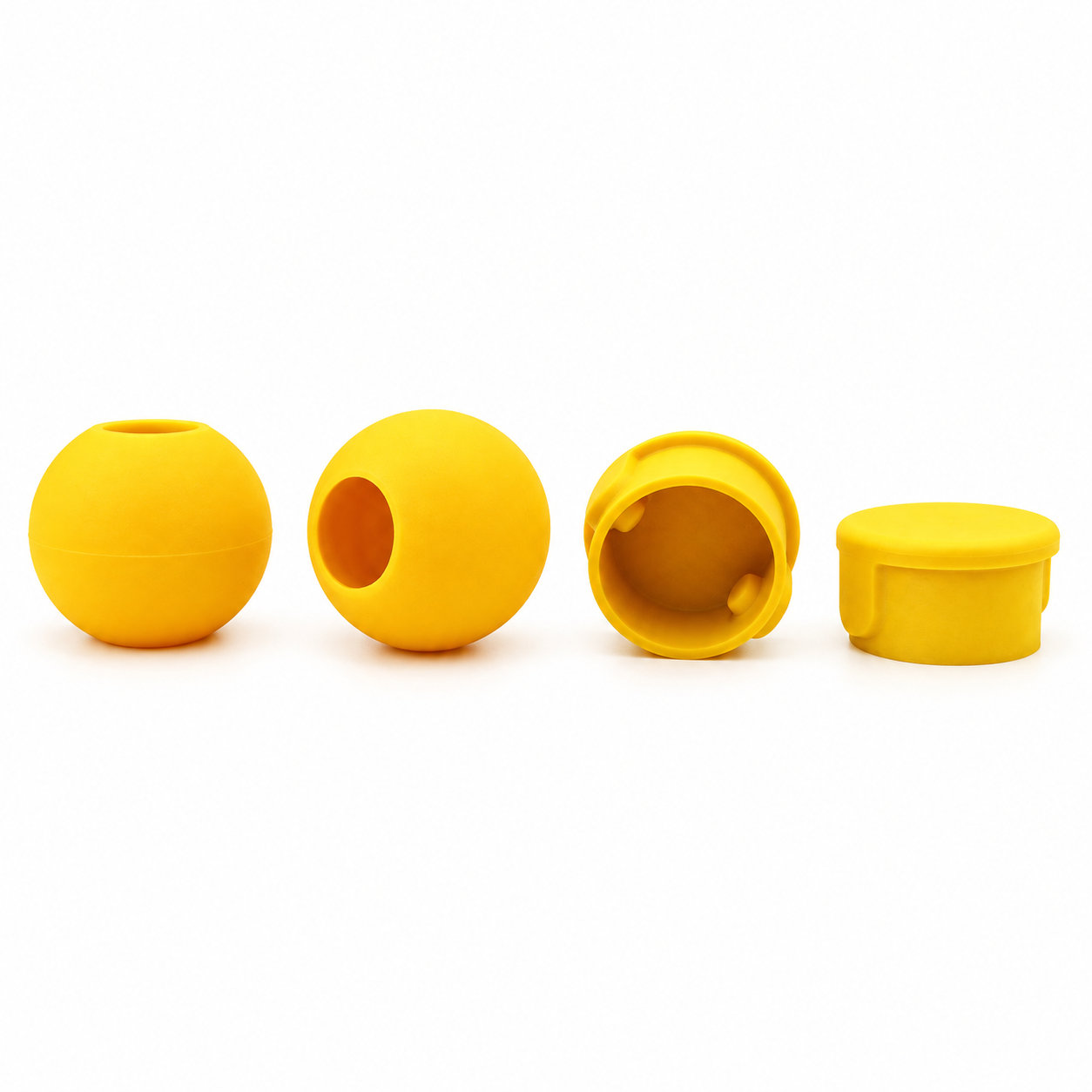
Anti slip rubber bumper feet separate furniture from its supporting surface with rubber contacts. Custom dimensions and compounds suit the design, with colors and logos also available.
Locate the feet where the furniture structure can support them. A bumper placed beneath a thin unsupported panel may compress the panel rather than provide a stable contact. Compare the fitted heights across all support points, including how the rubber settles under the normal furniture load.
The floor finish is part of the contact. Evaluate the chosen rubber on that finish, keeping both surfaces clear of residue and grit. When furniture is repositioned, lift it where practical so the feet are not rolled or dragged out of position. Check for a displaced bumper afterward. Uneven wear can reveal a contact point carrying more load than intended, so inspect the furniture geometry as well as replacing the worn rubber. Preserve the original support arrangement when choosing replacement parts.
Photos illustrate structure or material only. A bumper placed beneath a thin unsupported panel may compress the panel rather than provide a stable contact. ETOL directly manufactures custom-shaped silicone and rubber parts to your requirements.
FIND THE RIGHT FIT
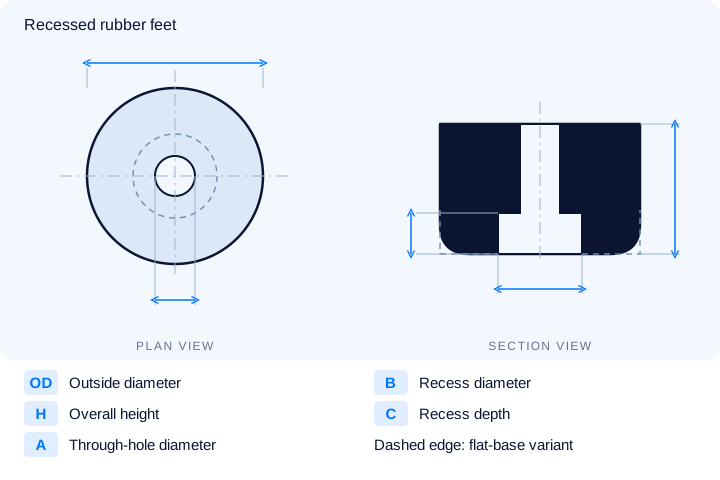
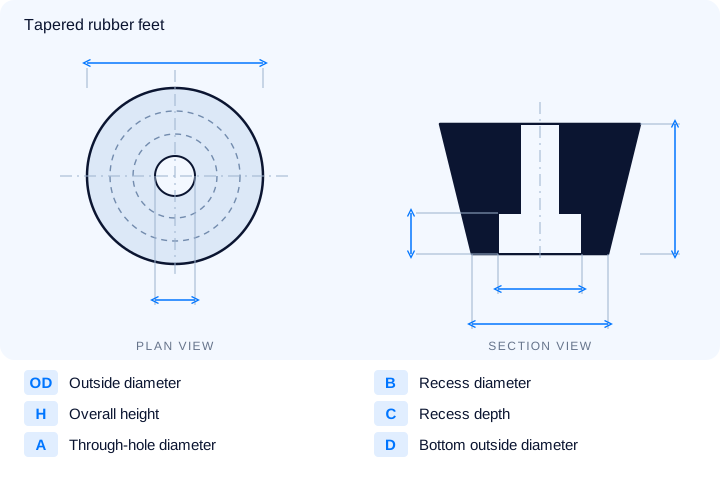
Choose hemispherical, tapered or recessed rubber feet and compare the mounting dimensions. All values are in millimeters. Use the drawing labels for each product; a dash marks a dimension not supplied in the source.
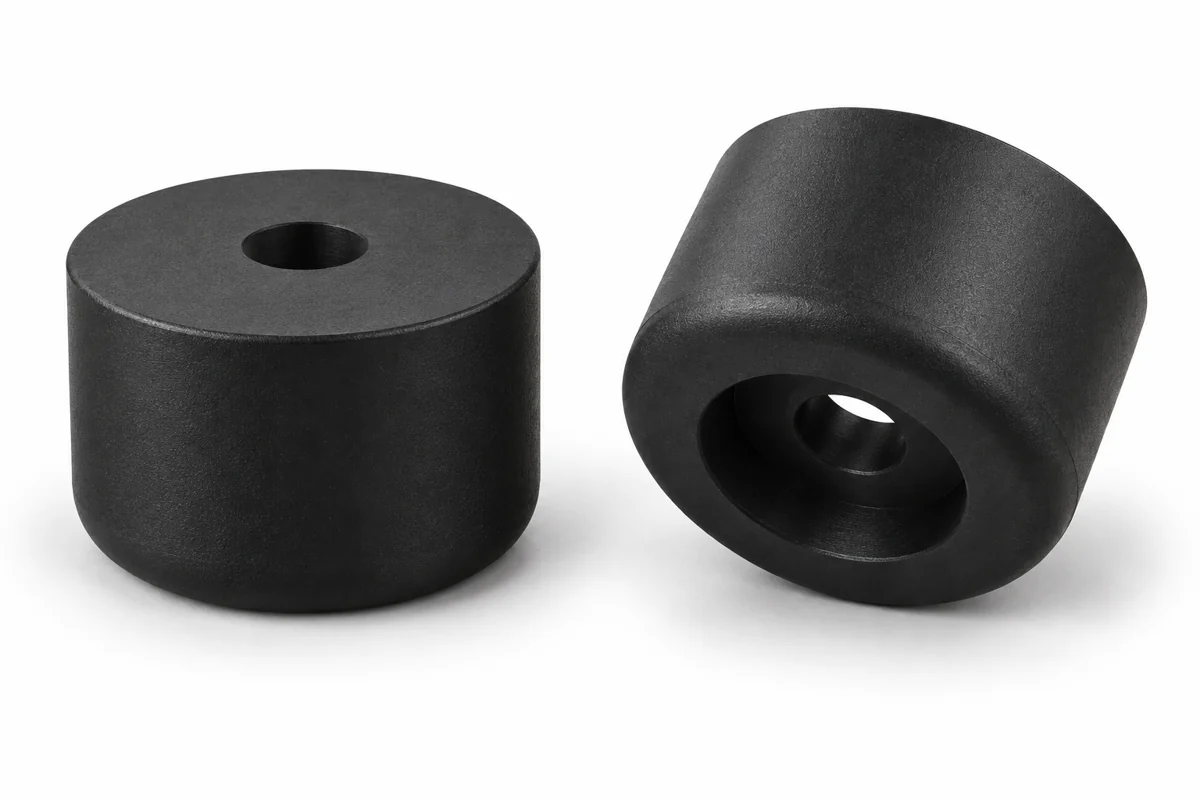
12 sizes for recessed rubber feet, including flat and rounded bases. The Base column identifies the lower-edge style. C is recess depth; the appearance rendering shows a rounded-base example.
| P/N | OD | H | A | B | C | Base | Unit |
|---|---|---|---|---|---|---|---|
| RBB7810 | 19 | 7.2 | 4.8 | 9.6 | 3.2 | Flat | mm |
| RBB7809 | 19 | 9.5 | 3.17 | 9.5 | 4 | Flat | mm |
| RBB7811 | 24 | 11 | 6 | 12 | 6 | Flat | mm |
| RBB7812 | 26.5 | 13 | 4.7 | 9.5 | 5 | Flat | mm |
| RBB7813 | 37 | 15 | 6 | 12 | 8 | Flat | mm |
| RBB7818 | 12.7 | 6.35 | 3.1 | 6.35 | 4 | Rounded | mm |
| RBB7817 | 26.5 | 21 | 4.7 | 9.5 | 11 | Rounded | mm |
| RBB7819 | 38 | 38 | 6 | 19 | 9.5 | Rounded | mm |
| RBB7820 | 38 | 38 | 6.5 | 19.5 | 9.5 | Rounded | mm |
| RBB7821 | 41 | 18 | 8.3 | 9.5 | 6 | Rounded | mm |
| RBB2101 | 12.7 | 9.53 | 3.97 | 7.94 | 4 | Rounded | mm |
| RBB2102 | 15 | 4 | 3 | 6 | 2 | Rounded | mm |
83 sizes for tapered rubber feet. C is recess depth and D is bottom outside diameter. A dash means that dimension was not supplied; match all available dimensions before selecting a size.
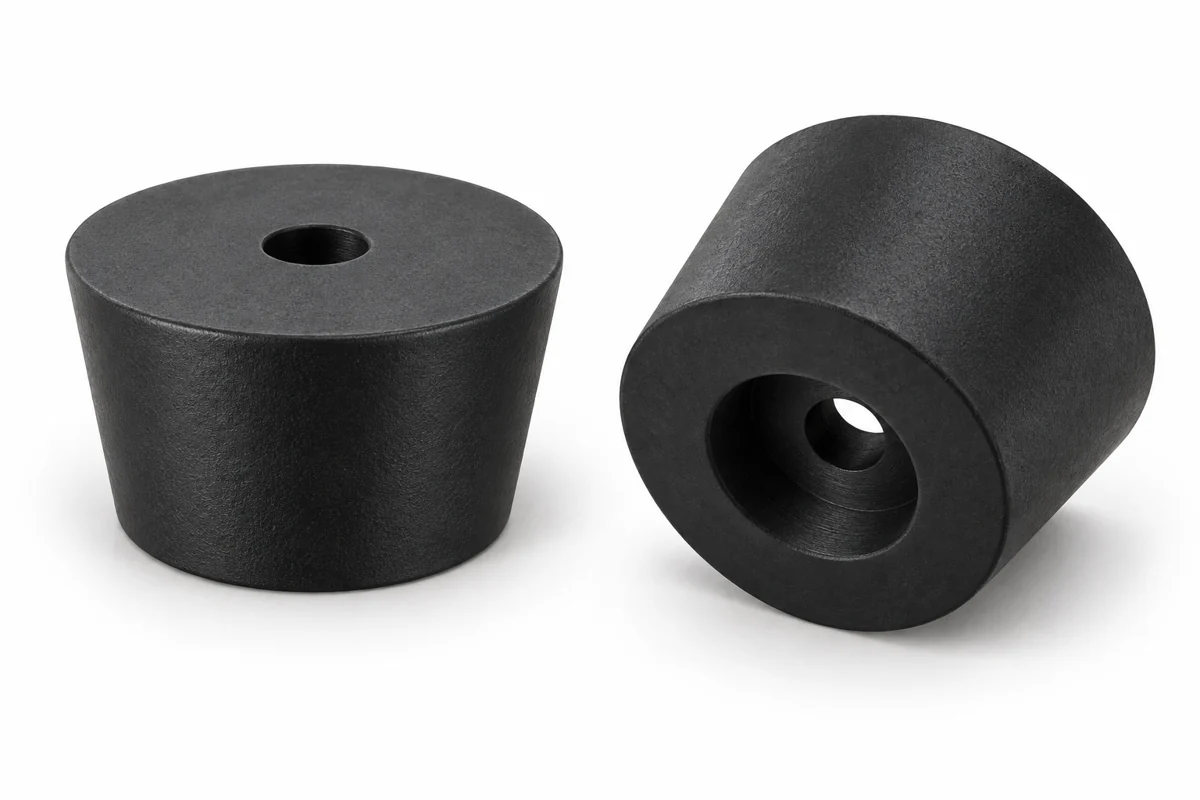
| P/N | OD | H | A | B | C | D | Unit |
|---|---|---|---|---|---|---|---|
| RBA7801 | 12 | 7 | 3 | 6 | 5.4 | — | mm |
| RBA7826 | 15.88 | 12.7 | 3.97 | 7.94 | 6.35 | — | mm |
| RBA7827 | 19.05 | 14.29 | 4.76 | 9.53 | 6.35 | — | mm |
| RBA7828 | 22.23 | 12.7 | 4.76 | 9.53 | 10.32 | — | mm |
| RBA7829 | 23.81 | 15.88 | 5.56 | 11.11 | 11.11 | — | mm |
| RBA7802 | 24 | 16 | 6 | 12 | 8 | — | mm |
| RBA7803 | 25 | 15 | 4 | 6 | 6 | — | mm |
| RBA7830 | 26.99 | 21.43 | 4.76 | 9.53 | 11.11 | — | mm |
| RBA7805 | 34 | 19 | 4.5 | 9 | 9 | — | mm |
| RBA7808 | 38 | 22.5 | 5 | 12 | 13 | — | mm |
| RBA7806 | 38 | 24 | 5 | 12 | 13 | — | mm |
| RBA7807 | 38 | 30 | 5.5 | 12 | 19 | — | mm |
| RBA1001 | 10.5 | 4 | 3 | 6 | — | 9 | mm |
| RBA1002 | 11 | 6 | 3 | 6 | — | 9 | mm |
| RBA1005 | 12 | 9 | 3 | 6 | — | 8 | mm |
5 sizes with a curved outer profile and recessed mounting hole. C is the recess depth.
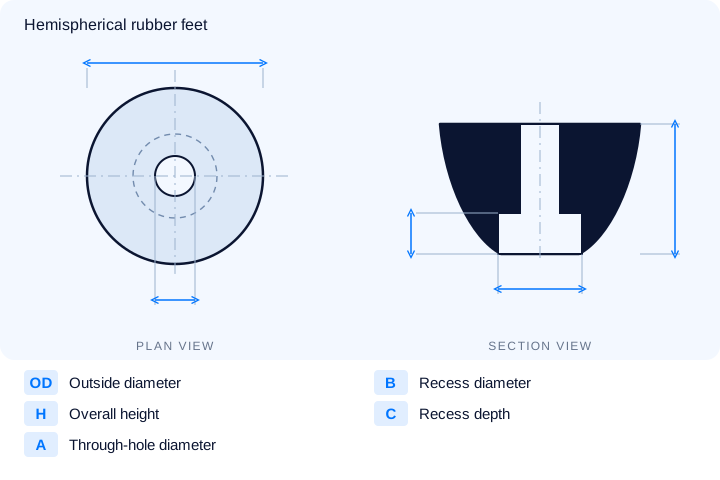
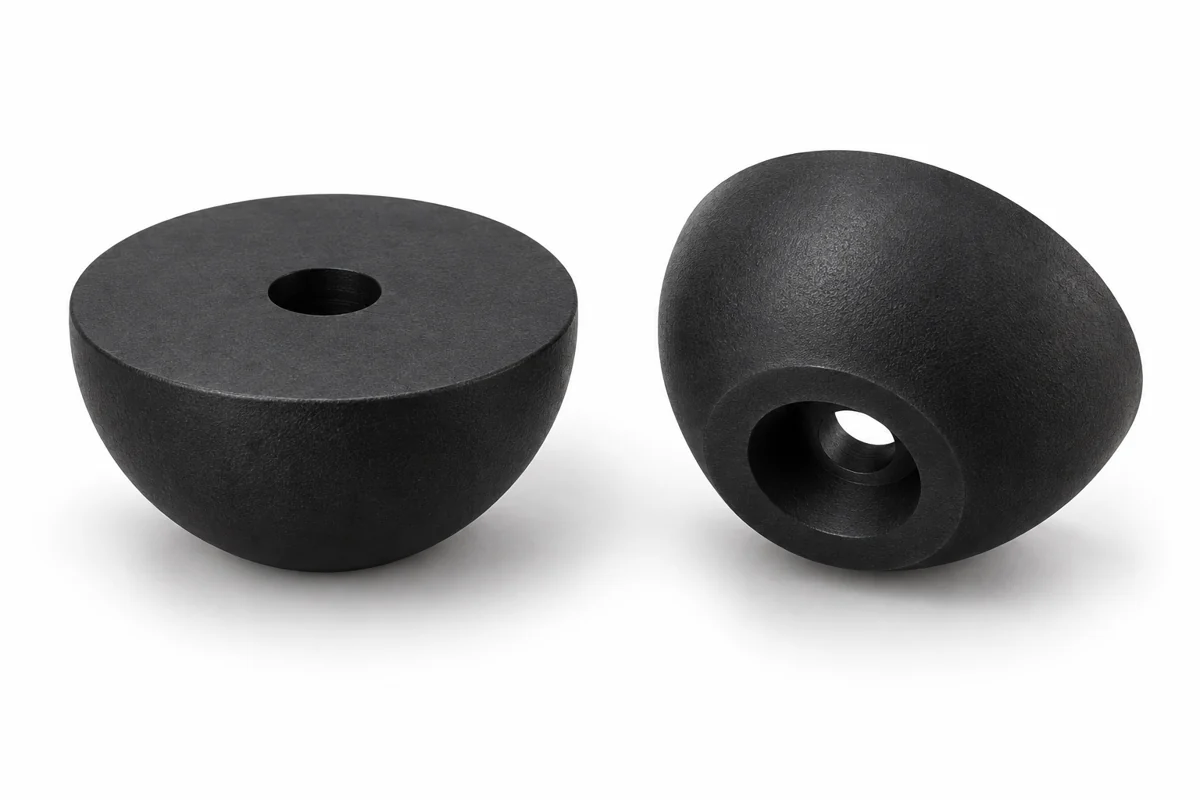
| P/N | OD | H | A | B | C | Unit |
|---|---|---|---|---|---|---|
| RBD7822 | 15 | 4.5 | 3.75 | 6.7 | 2 | mm |
| RBD7823 | 23.7 | 10 | 4 | 7 | 7 | mm |
| RBD7825 | 30 | 12 | 8 | 10 | 6 | mm |
| RBD7824 | 30 | 16 | 8 | 10 | 10 | mm |
| RBD4105 | 41 | 18 | 8.3 | 9.5 | 6 | mm |
Can't find the right size? Contact us for custom dimensions tailored to your requirements.
Identify key dimensions, mating surfaces and quantity
Agree the compound and manufacturing approach
Review the fit and agreed requirements in the assembly
Manufacture and check against the approved requirements
Identify temperature, contact fluids and repeated movement.
Consider hardness together with wall thickness and support.
Check access, mating dimensions and the fitting sequence.
Yes. Show the receiving opening, contact surfaces and clearance limits. We can review the dimensions and retaining features around the intended fit.
Agree the critical dimensions, material, hardness, visible surfaces and sample requirements. Explain how the part is installed and which interfaces control its function.
A sample can help explain the structure. Compare it with the assembly because wear, swelling or compression may have changed its original dimensions.
The material, part geometry, tooling, quantity and finishing affect the quotation. Include the intended batch size and delivery destination when describing your requirements.
DISCUSS THIS COMPONENT
Share the fit, operating conditions and quantity with our manufacturing team.
EXPLORE RELATED DESIGNS
Explore similar part structures and applications for your next project.