Working conditions
Identify temperature, contact fluids and repeated movement.

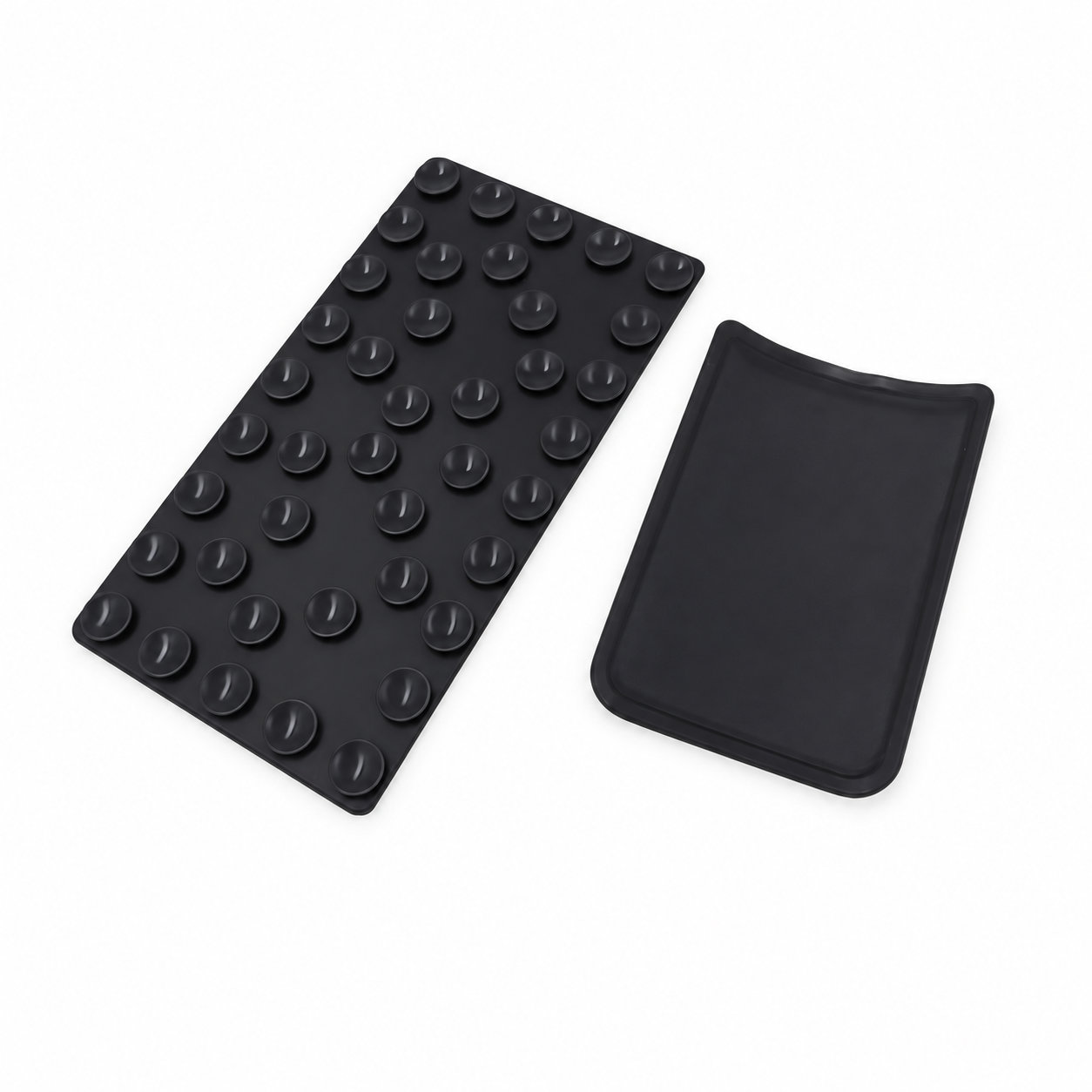
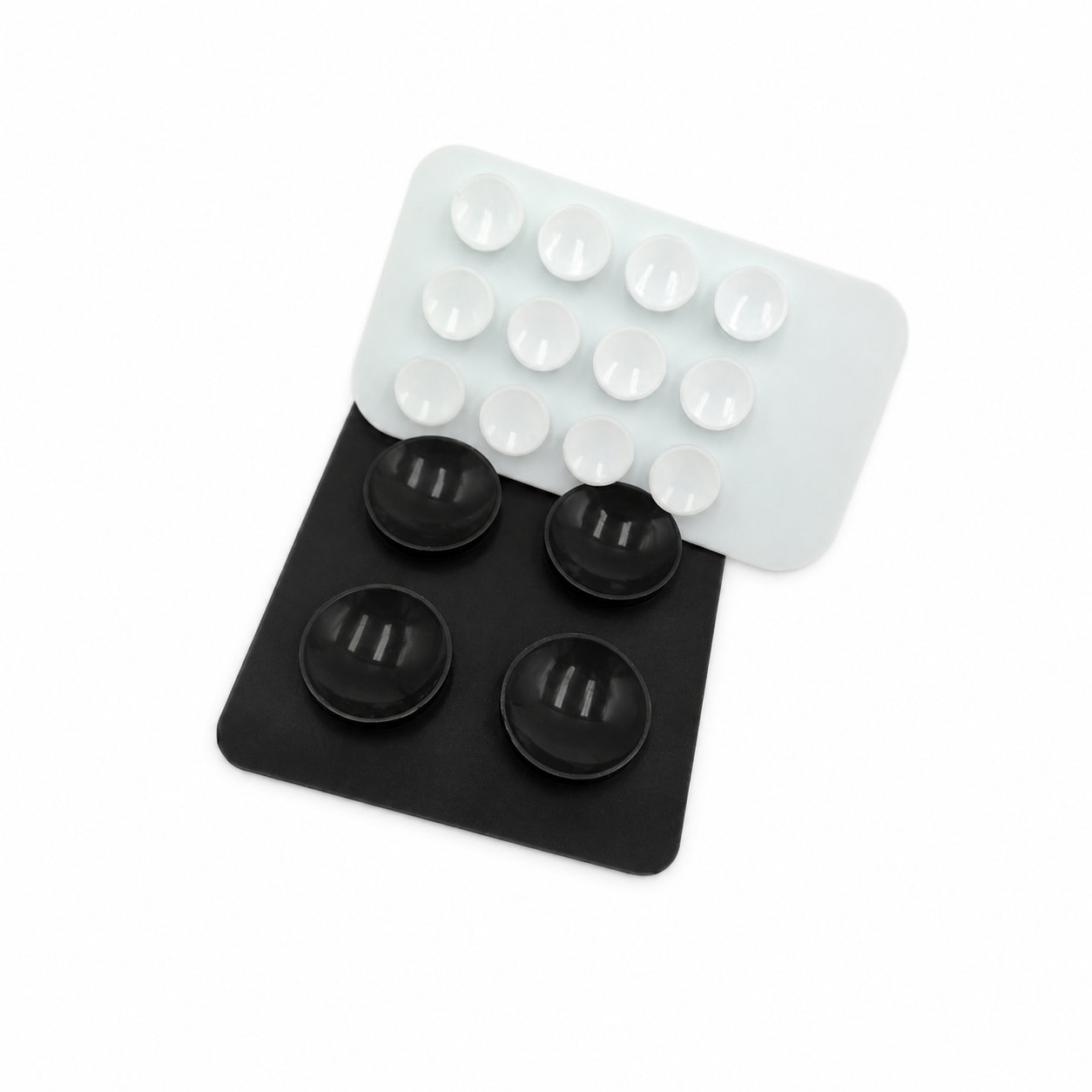
Custom manufacturing example · Custom Anti-slip Suction Cup Pad Phone Holder
CUSTOM RUBBER & SILICONE MANUFACTURING
A custom component for your assembly.
Define the mating surfaces, dimensions and working conditions. ETOL manufactures the part to the agreed design and material.
Share the part, its application and your estimated quantity.
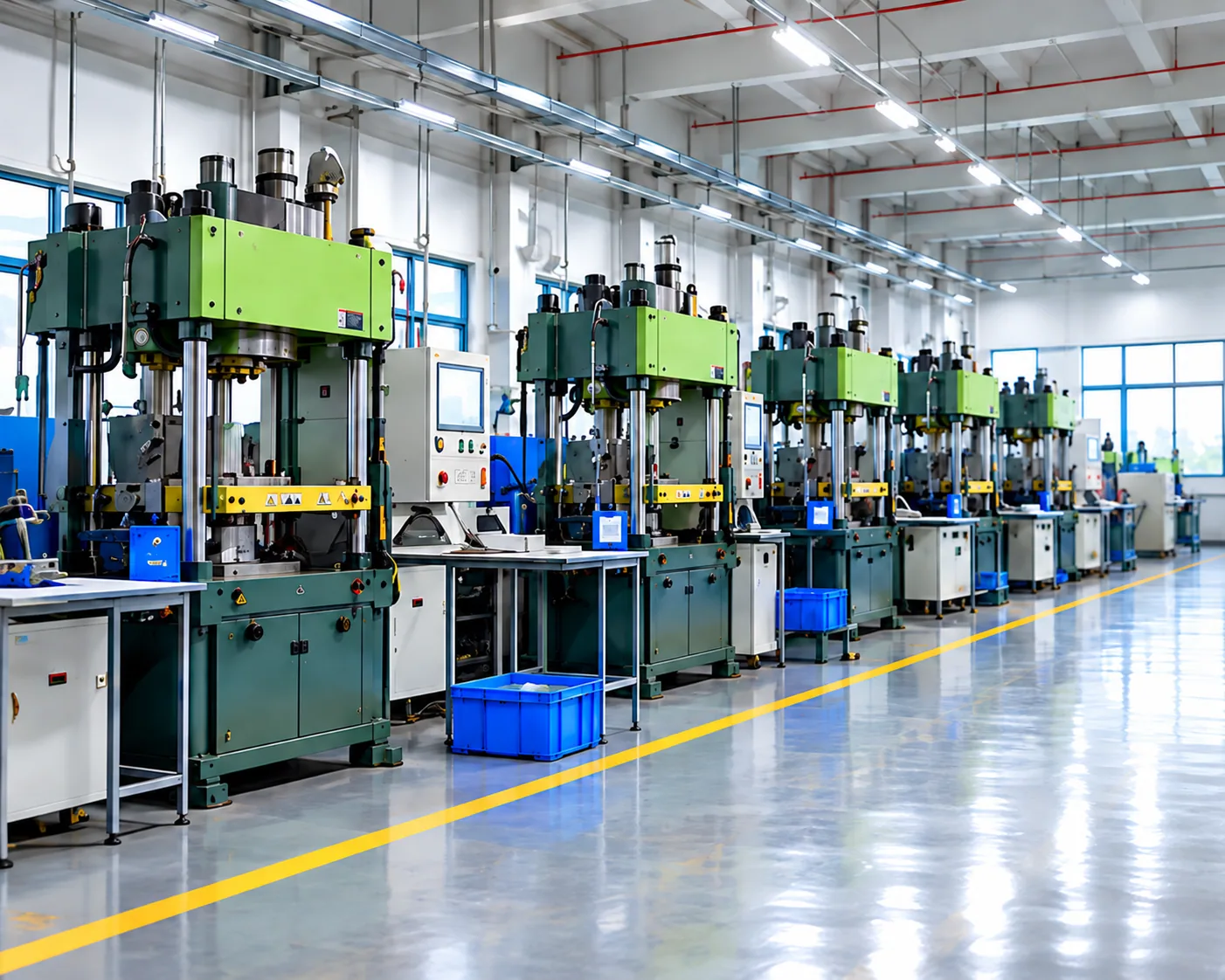
Selected for the contact, temperature and movement
Define the visible surfaces and intended color
Develop holes, lips and walls around the mating parts
Match the attachment and installation method
A suction cup pad phone holder should be evaluated with the intended phone and holder assembly. Removing the phone or touching its screen can apply sideways force and a turning effect at the pad. The contact arrangement needs to suit those actions as well as the resting weight.
Custom material, dimensions, hardness and color allow the pad to follow the holder. Define the receiving surface and available contact area, including any curvature, coating or texture. The attachment should not distort the pad's working face when the holder is adjusted.
Evaluate representative placement, adjustment and removal sequences. Check whether contact remains even and whether the holder moves relative to the pad. No general holding value can replace assessment of the actual surface and loading direction.
Include the phone case and any connected cable in the holder assessment. Their shape and weight can alter the contact or pull on the holder during use. Check the arrangement at the permitted viewing angles so the pad is evaluated with the complete accessory setup rather than the bare phone alone.
Keep the contact area clean using a compatible method and inspect for trapped particles or damaged edges before reuse. If the phone position changes, review the resulting force on the mount. A longer reach or different orientation can alter the load at the pad even when the phone itself is unchanged. Correct a loose holder connection separately from a problem at the suction interface.
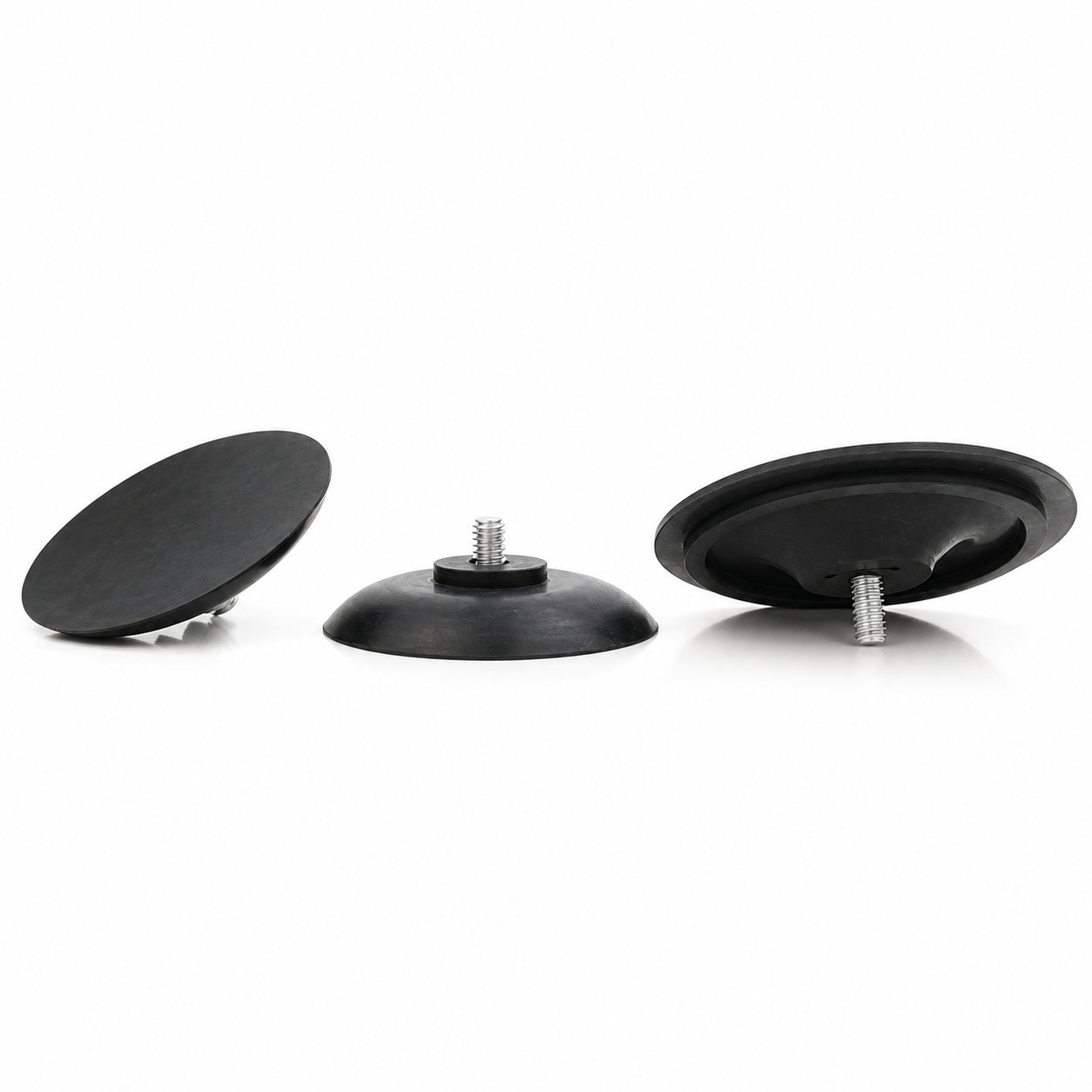
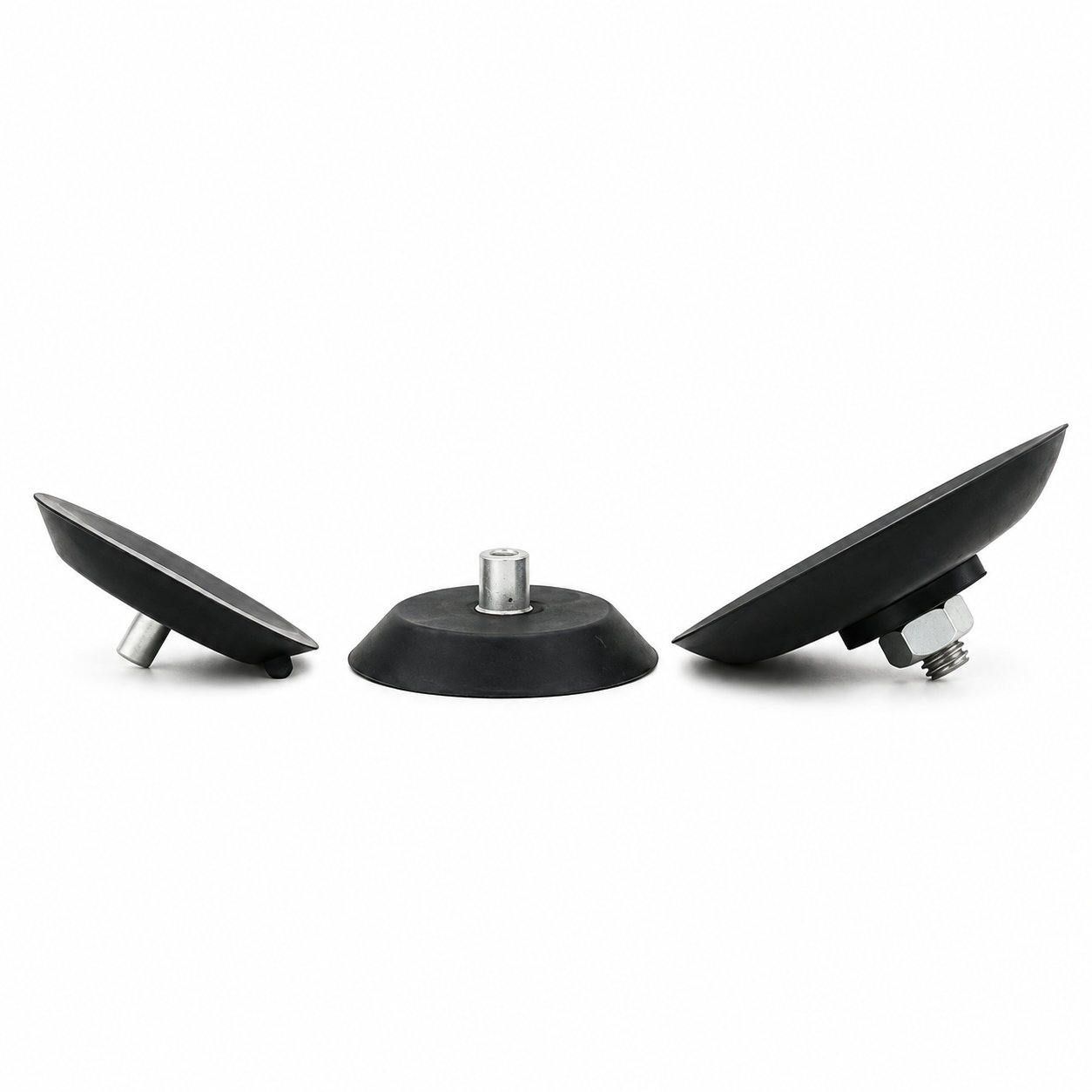
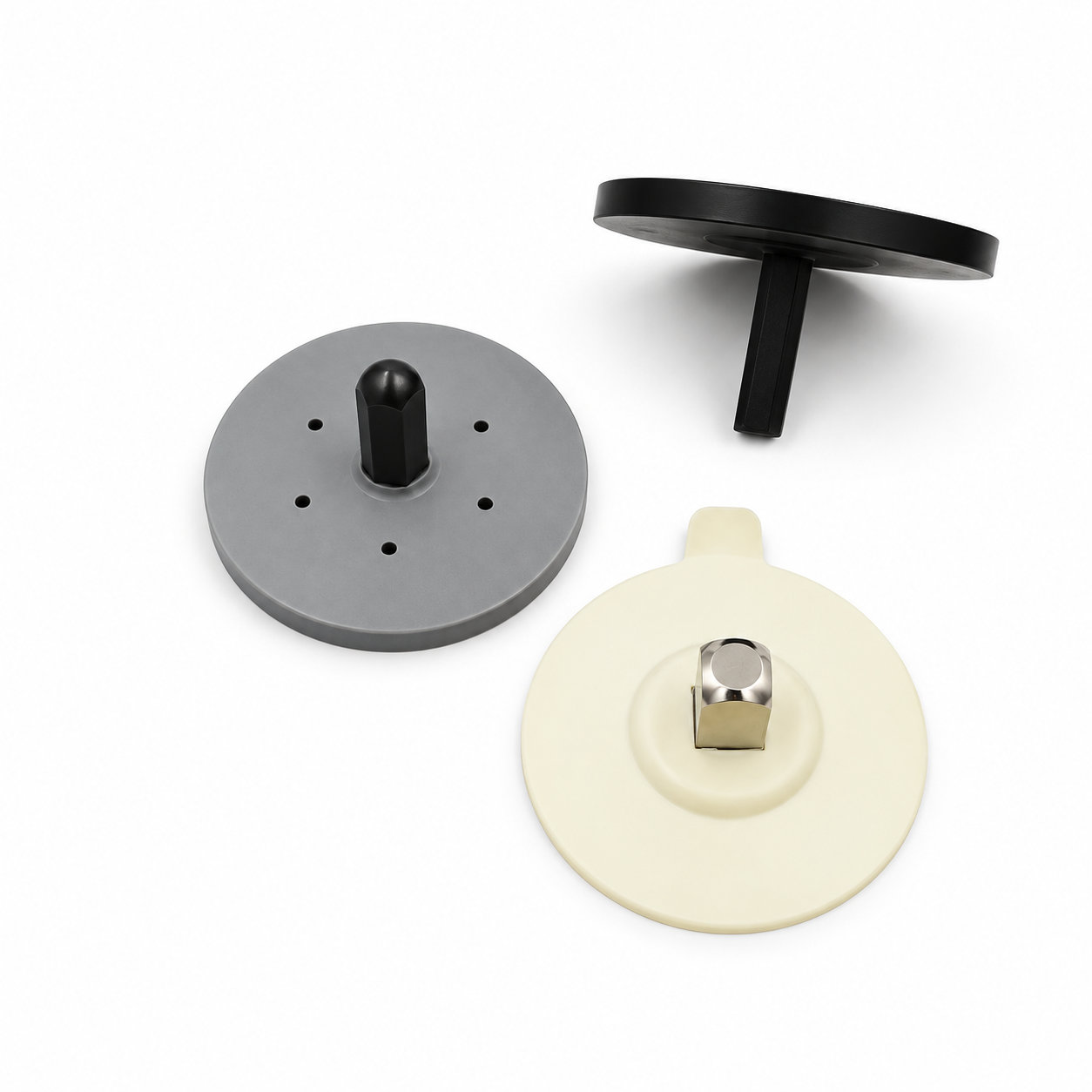
Photos illustrate structure or material appearance only. The contact arrangement needs to suit those actions as well as the resting weight. ETOL directly manufactures custom-shaped silicone and rubber parts to your requirements.
Identify key dimensions, mating surfaces and quantity
Agree the compound and manufacturing approach
Review the fit and agreed requirements in the assembly
Manufacture and check against the approved requirements
Identify temperature, contact fluids and repeated movement.
Consider hardness together with wall thickness and support.
Check access, mating dimensions and the fitting sequence.
Yes. Show the receiving opening, contact surfaces and clearance limits. We can review the dimensions and retaining features around the intended fit.
Agree the critical dimensions, material, hardness, visible surfaces and sample requirements. Explain how the part is installed and which interfaces control its function.
A sample can help explain the structure. Compare it with the assembly because wear, swelling or compression may have changed its original dimensions.
The material, part geometry, tooling, quantity and finishing affect the quotation. Include the intended batch size and delivery destination when describing your requirements.
DISCUSS THIS COMPONENT
Share the fit, operating conditions and quantity with our manufacturing team.
EXPLORE RELATED DESIGNS
Explore similar part structures and applications for your next project.