Working conditions
Identify temperature, contact fluids and repeated movement.

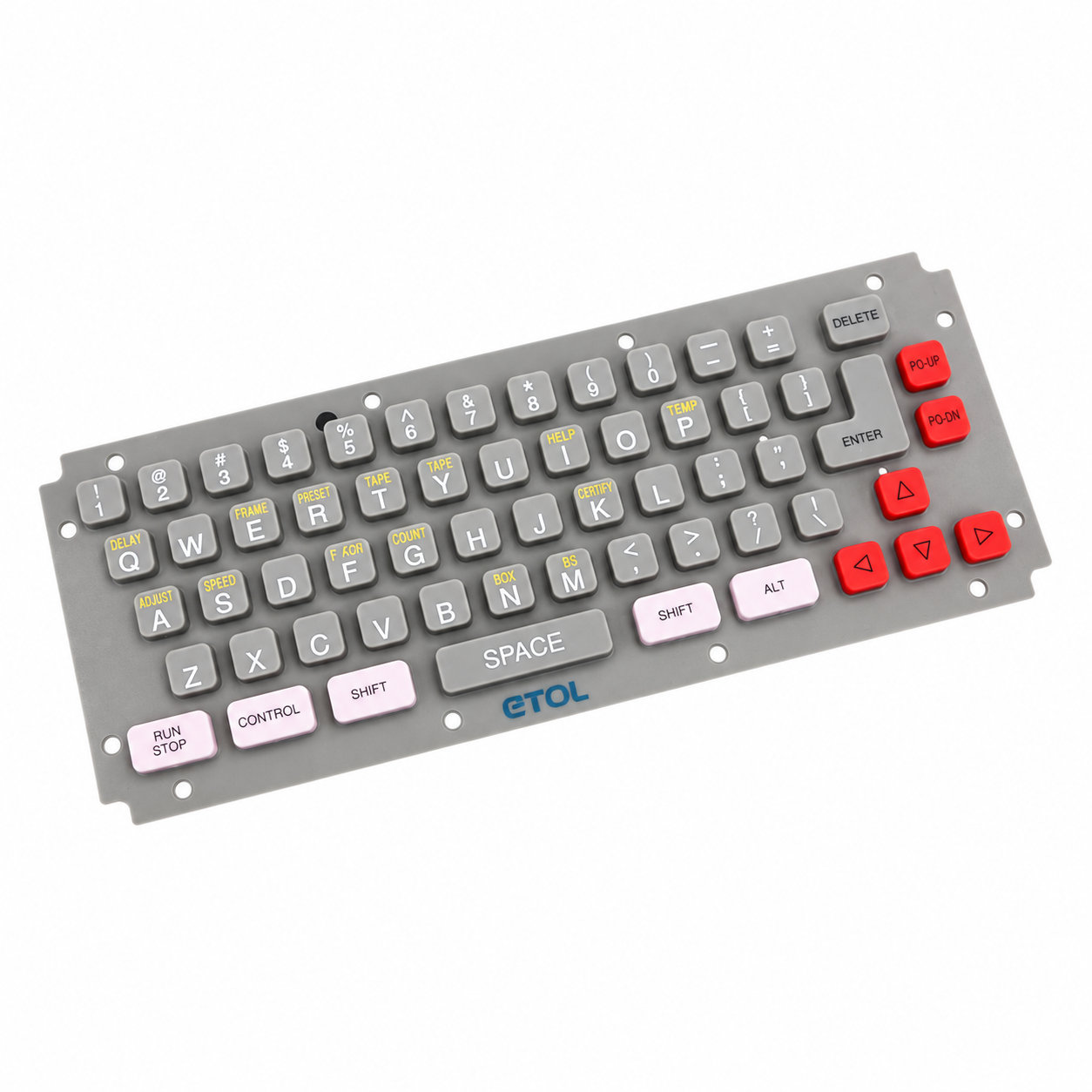
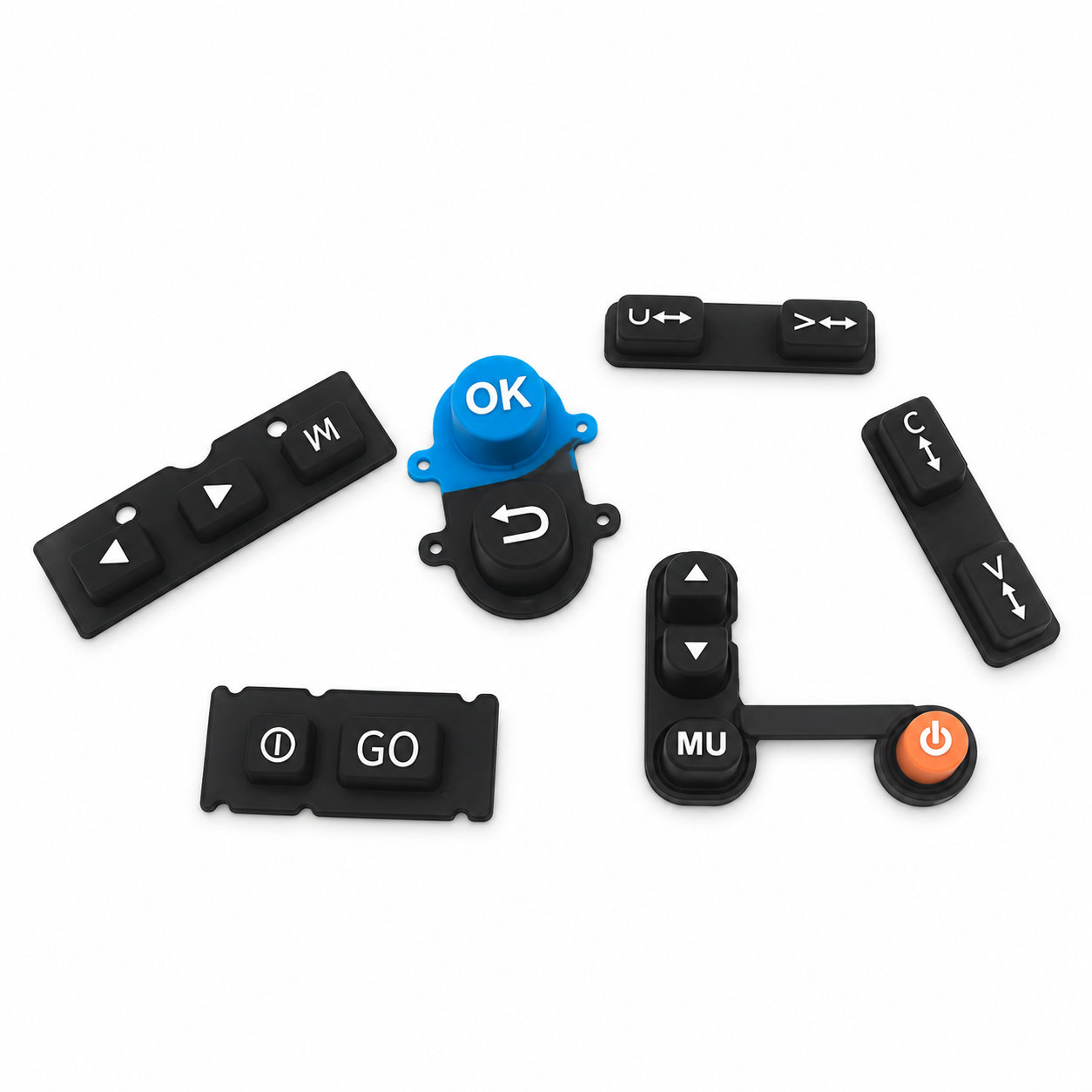
Custom manufacturing example · Molded silicone computer keypads and rubber keyboards
CUSTOM RUBBER & SILICONE MANUFACTURING
A custom component for your assembly.
Define the mating surfaces, dimensions and working conditions. ETOL manufactures the part to the agreed design and material.
Share the part, its application and your estimated quantity.
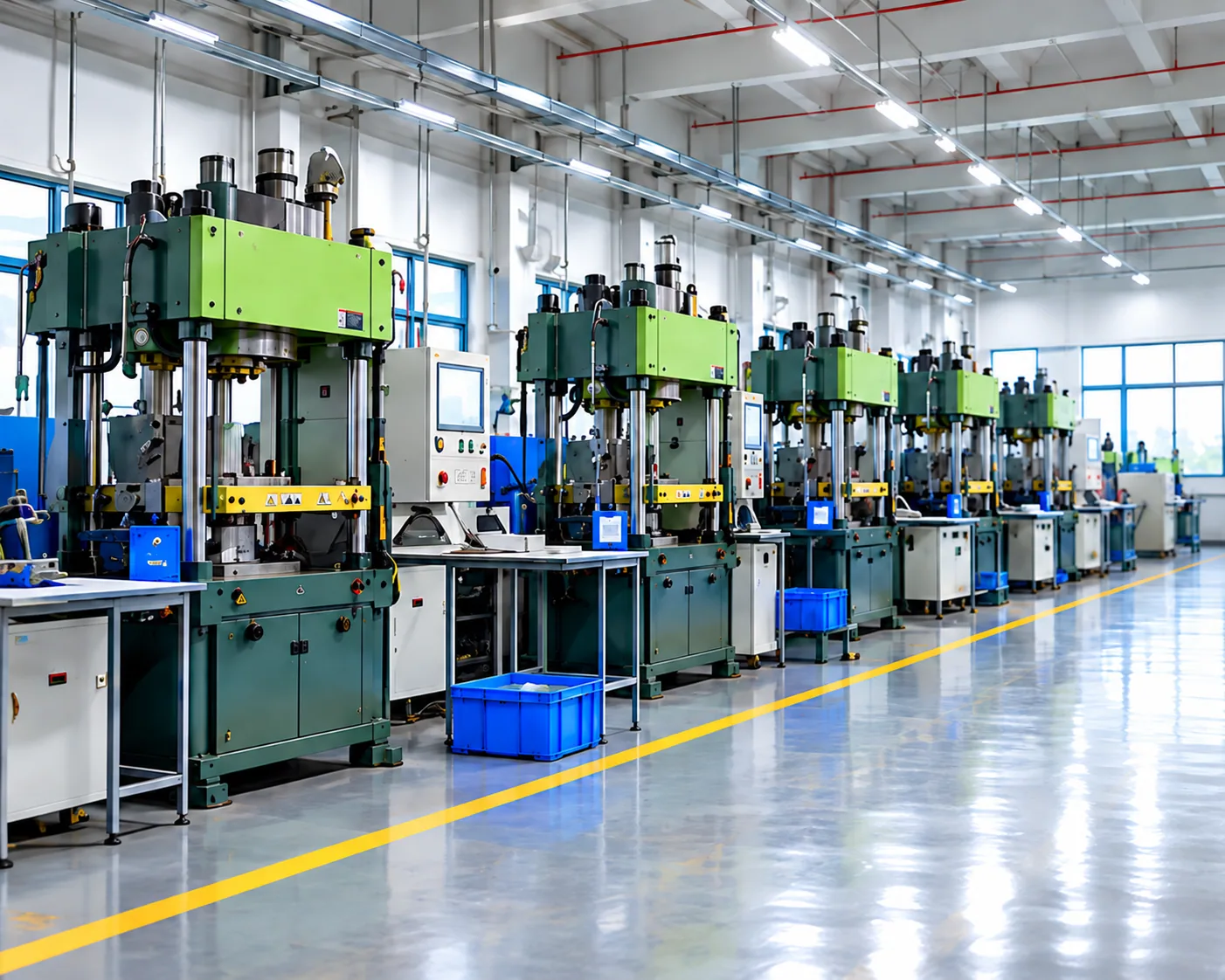
Selected for the contact, temperature and movement
Define the visible surfaces and intended color
Develop holes, lips and walls around the mating parts
Match the attachment and installation method
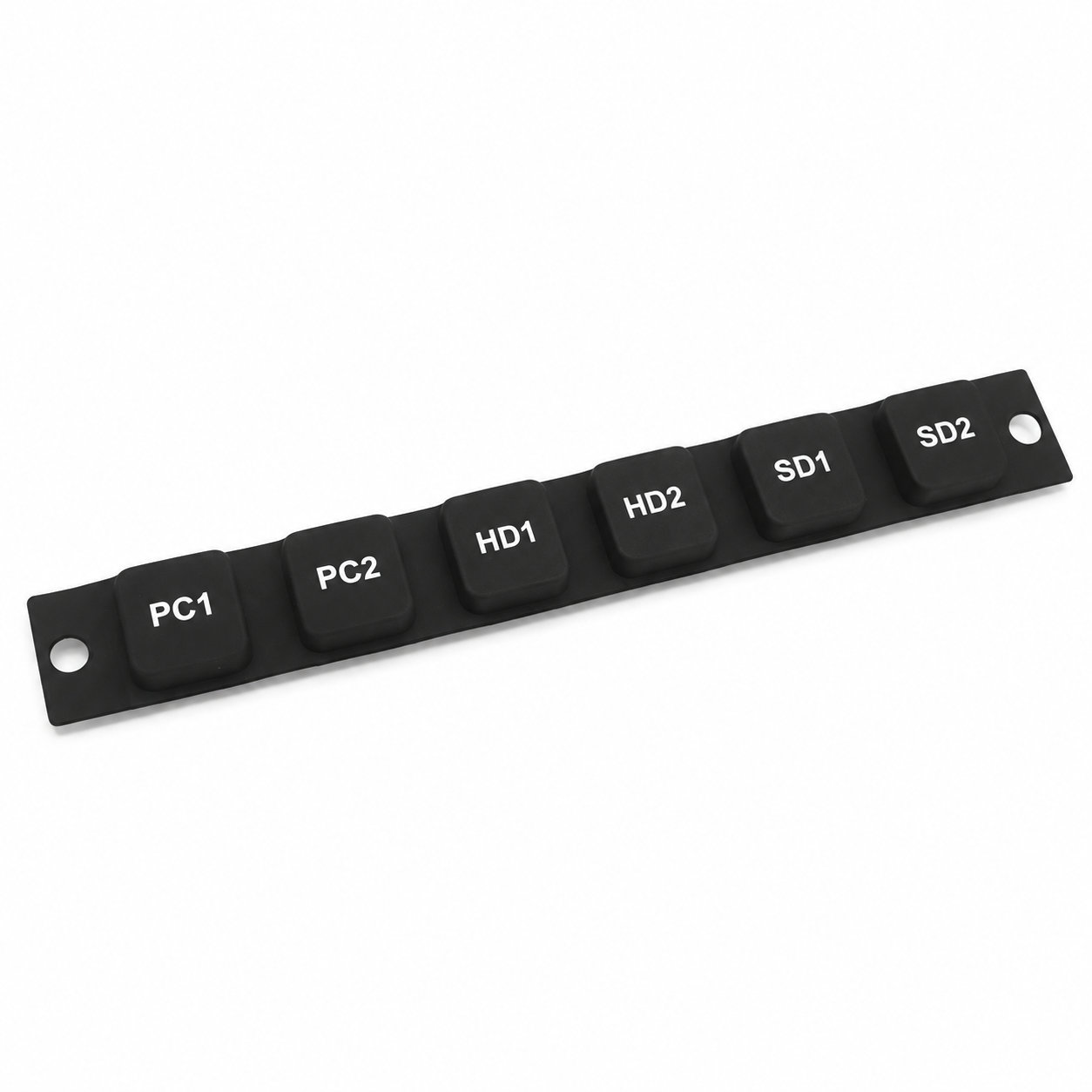
Silicone computer keypads may span several rows of controls, making alignment across the whole sheet important. A small displacement close to a locating point can become more noticeable at the far edge, where a button may begin to rub its opening or miss the ideal position over its switching component.
Develop the board references, molded locating features, and panel apertures together. The keypad should fit without being stretched to make distant buttons line up. Support the stationary sheet while leaving the flexible webs clear, and consider whether larger controls require a different arrangement beneath their extended faces.
Check the assembled keyboard systematically from one side to the other after normal fastening. Compare central controls with those furthest from the main references, including off-center presses and release. If a section behaves differently, inspect local support and alignment before changing every button. During service removal, release the sheet evenly so that a retained edge does not stretch while the rest is lifted. Protecting its relaxed shape helps preserve the intended layout on reassembly.
Photos illustrate structure or material only. Develop the board references, molded locating features, and panel apertures together. ETOL directly manufactures custom-shaped silicone and rubber parts to your requirements.
Identify key dimensions, mating surfaces and quantity
Agree the compound and manufacturing approach
Review the fit and agreed requirements in the assembly
Manufacture and check against the approved requirements
Identify temperature, contact fluids and repeated movement.
Consider hardness together with wall thickness and support.
Check access, mating dimensions and the fitting sequence.
Yes. Show the receiving opening, contact surfaces and clearance limits. We can review the dimensions and retaining features around the intended fit.
Agree the critical dimensions, material, hardness, visible surfaces and sample requirements. Explain how the part is installed and which interfaces control its function.
A sample can help explain the structure. Compare it with the assembly because wear, swelling or compression may have changed its original dimensions.
The material, part geometry, tooling, quantity and finishing affect the quotation. Include the intended batch size and delivery destination when describing your requirements.
DISCUSS THIS COMPONENT
Share the fit, operating conditions and quantity with our manufacturing team.
EXPLORE RELATED DESIGNS
Explore similar part structures and applications for your next project.