Working conditions
Identify temperature, contact fluids and repeated movement.

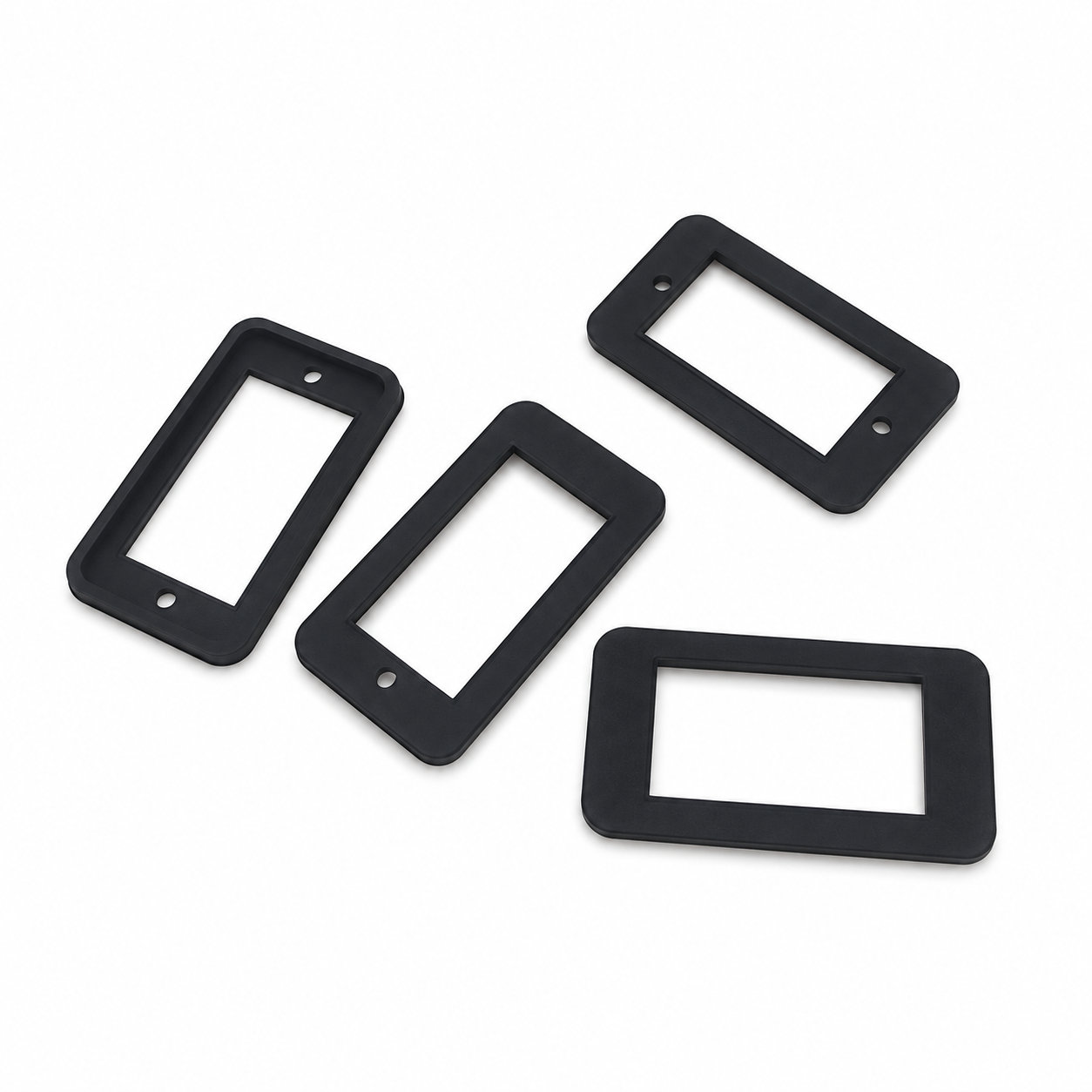
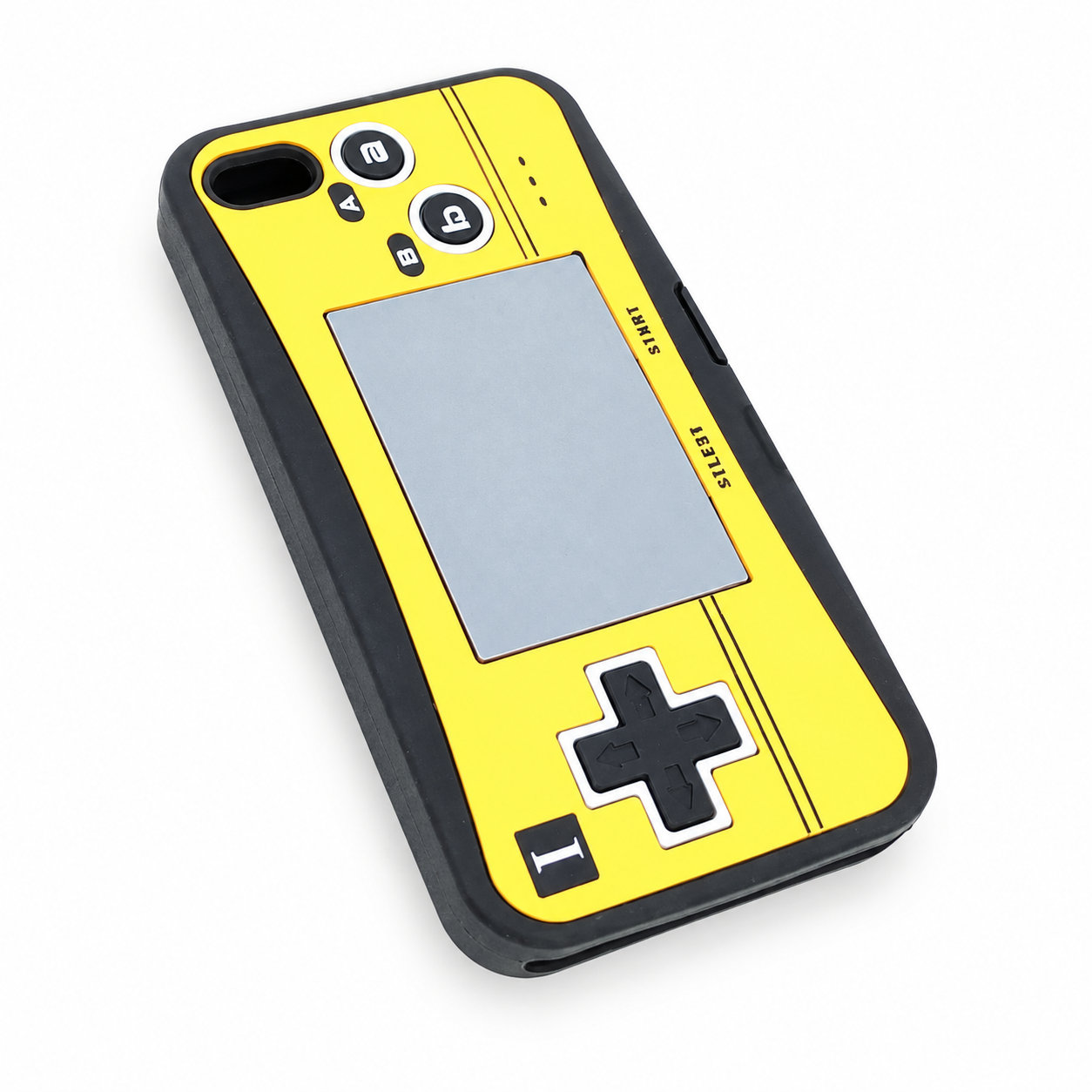
Custom manufacturing example · Protective rubber cover customized silicone case
CUSTOM RUBBER & SILICONE MANUFACTURING
A custom component for your assembly.
Define the mating surfaces, dimensions and working conditions. ETOL manufactures the part to the agreed design and material.
Share the part, its application and your estimated quantity.
Selected for the contact, temperature and movement
Define the visible surfaces and intended color
Develop holes, lips and walls around the mating parts
Match the attachment and installation method
A customized silicone case should protect the intended surfaces while leaving the product's controls, connections and service features usable. The inside shape locates the cover, but the edges of its access openings determine whether buttons and plugs can operate normally. Those details should be developed around the assembled product.
Custom dimensions, hardness and color can match the enclosure. Check the route used to fit the case over corners or projecting features; a cover that fits at rest may still be overstretched during installation. Keep sufficient material around openings without crowding the features beneath them.
Evaluate normal handling with the case fully fitted. Controls should return freely and connectors should reach their intended positions without the rubber pushing against them. Clean the covered surfaces before installation so grit is not trapped underneath. During service, inspect narrow regions around openings for tears and review any repeated damage against the installation path. A thicker wall should not be used automatically if it reduces access or increases the stretch needed to fit the cover.
Photos illustrate structure or material appearance only. The inside shape locates the cover, but the edges of its access openings determine whether buttons and plugs can operate normally. ETOL directly manufactures custom-shaped silicone and rubber parts to your requirements.
Identify key dimensions, mating surfaces and quantity
Agree the compound and manufacturing approach
Review the fit and agreed requirements in the assembly
Manufacture and check against the approved requirements
Identify temperature, contact fluids and repeated movement.
Consider hardness together with wall thickness and support.
Check access, mating dimensions and the fitting sequence.
Yes. Show the receiving opening, contact surfaces and clearance limits. We can review the dimensions and retaining features around the intended fit.
Agree the critical dimensions, material, hardness, visible surfaces and sample requirements. Explain how the part is installed and which interfaces control its function.
A sample can help explain the structure. Compare it with the assembly because wear, swelling or compression may have changed its original dimensions.
The material, part geometry, tooling, quantity and finishing affect the quotation. Include the intended batch size and delivery destination when describing your requirements.
DISCUSS THIS COMPONENT
Share the fit, operating conditions and quantity with our manufacturing team.
EXPLORE RELATED DESIGNS
Explore similar part structures and applications for your next project.