Working conditions
Identify temperature, contact fluids and repeated movement.

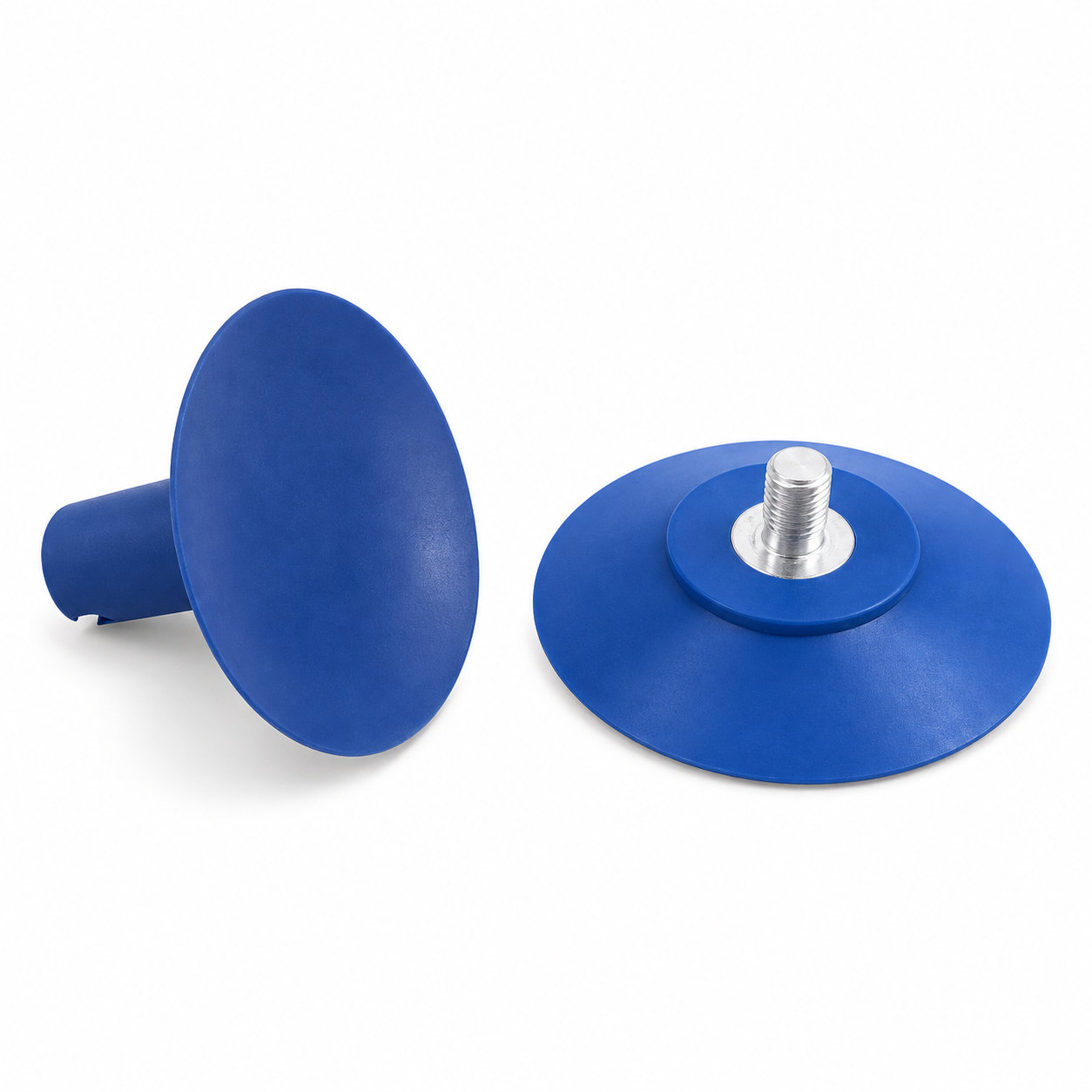
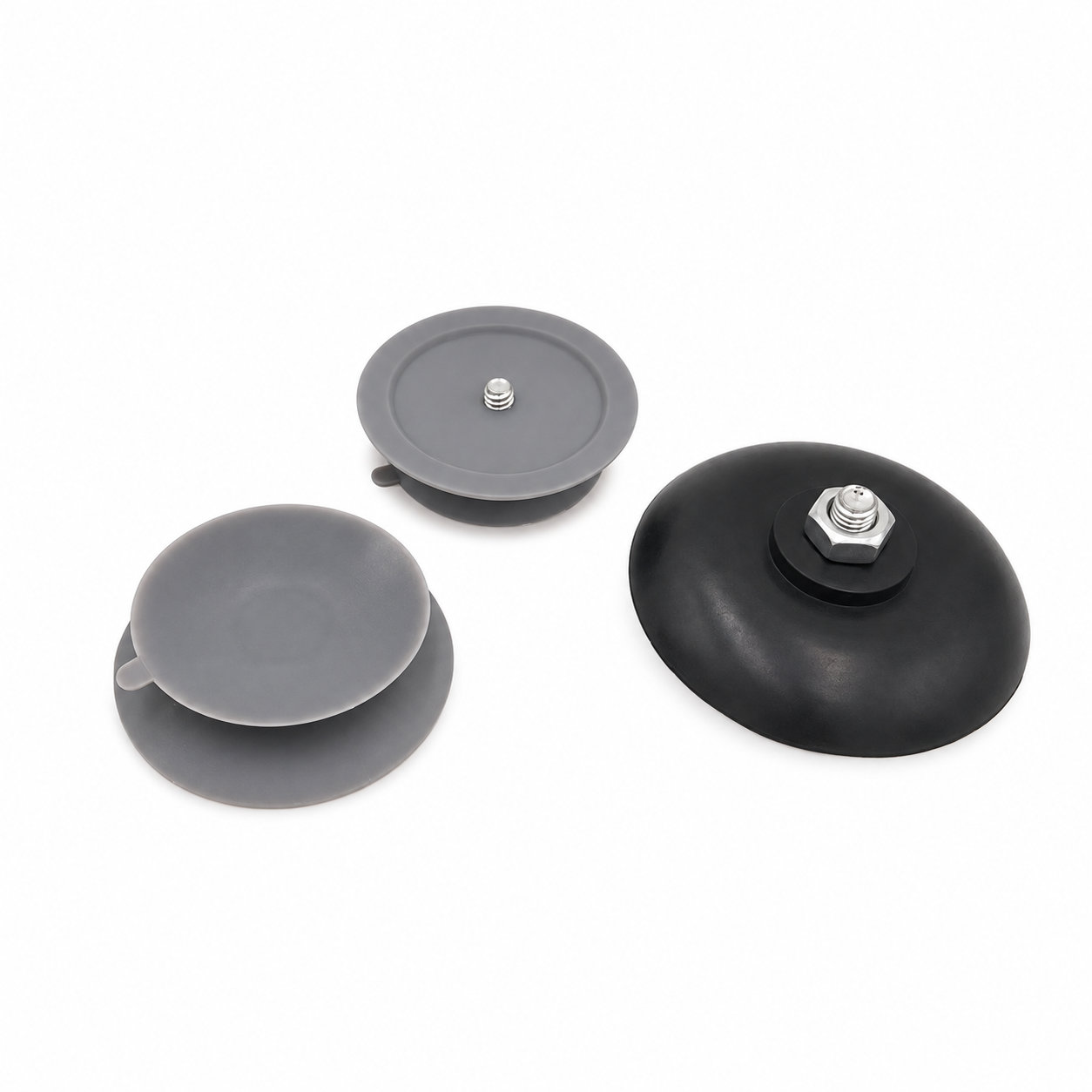
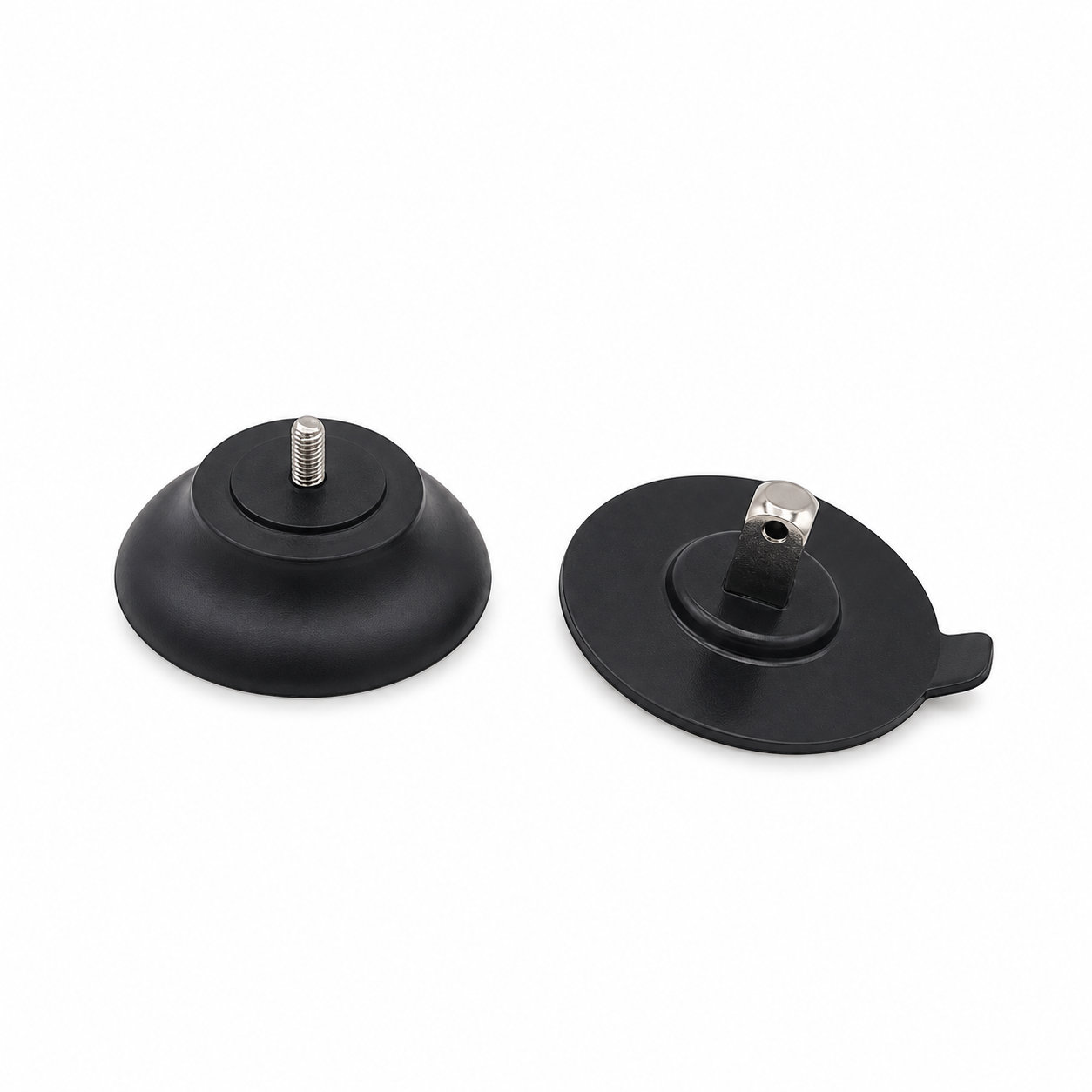
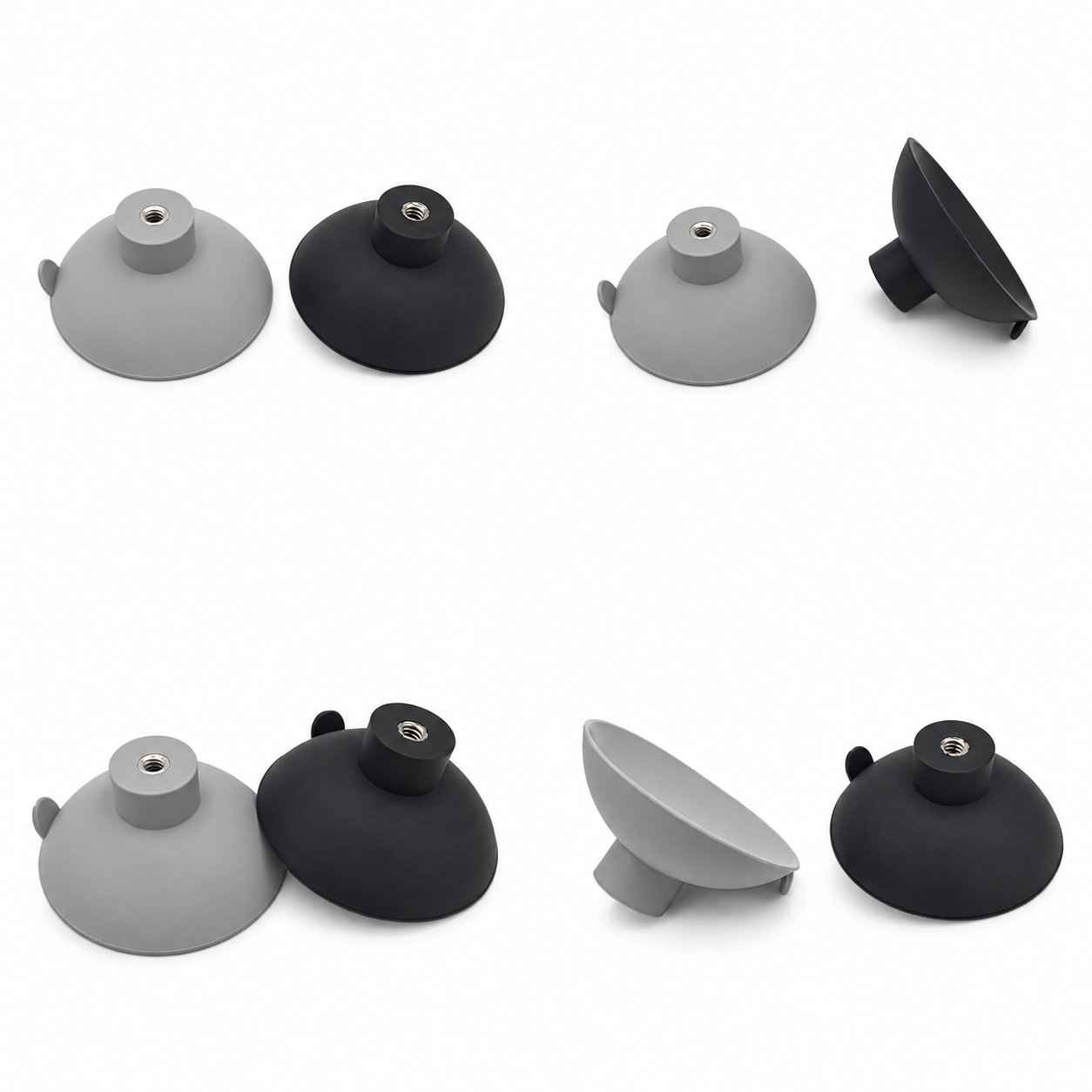
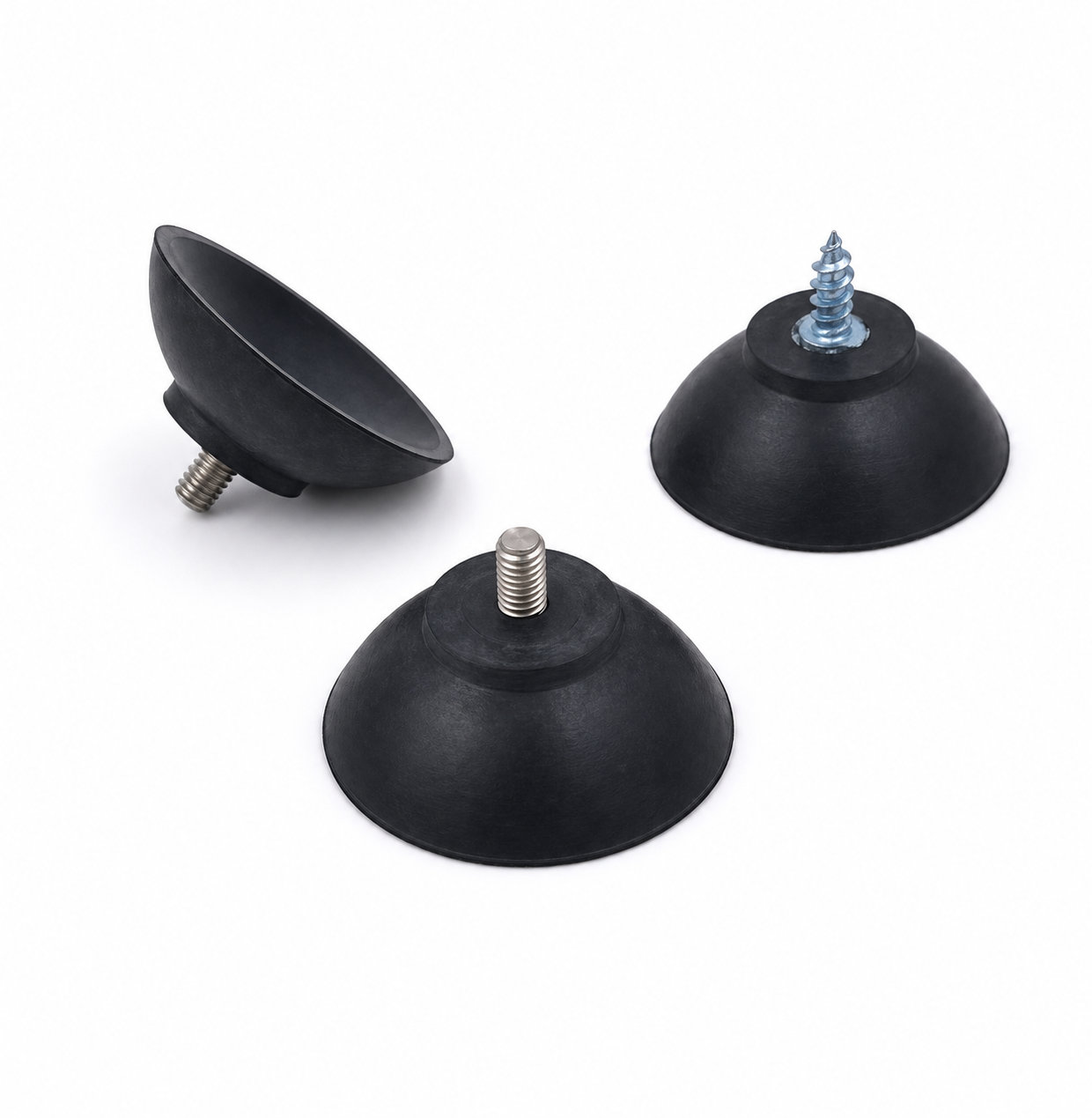
Custom manufacturing example · Rubber suction cup vacuum suckers with screw
CUSTOM RUBBER & SILICONE MANUFACTURING
A custom component for your assembly.
Define the mating surfaces, dimensions and working conditions. ETOL manufactures the part to the agreed design and material.
Share the part, its application and your estimated quantity.

Selected for the contact, temperature and movement
Define the visible surfaces and intended color
Develop holes, lips and walls around the mating parts
Match the attachment and installation method
Vacuum suction cups with screw attachments combine a removable surface interface with hardware that can connect to a matching fixture. The screw provides a defined mechanical attachment point, while the rubber cup must remain free to establish an even contact line. The product is therefore best reviewed as a small assembly, with attention to how the hardware is installed as well as where the cup is placed.
One important design detail is the path of tightening force. If a bracket is turned by twisting the whole rubber body, the lip may become distorted before the fitting reaches the surface. Specify how the mating hardware will be held and tightened, and check whether the fixture has enough clearance around the cup. The required screw size, exposed length and thread engagement should be shown on the drawing rather than inferred from a general product image.
The original listing identifies smooth glass, tile and stainless steel among possible contact surfaces. Use a representative surface sample to evaluate attachment, including its coating or finish. Assess the direction of the applied force and any leverage created by the fixture. Custom material, color and geometry can be discussed with ETOL, but the working capacity of the completed mounting arrangement needs its own evaluation.
When assembling vacuum suckers with screw fittings, keep metal burrs and loose hardware away from the sealing edge. After fastening, check that the lip has not folded or pulled out of shape. Establish the seal on a clean surface and inspect it again after the fixture is adjusted. For removal, admit air under the edge before lifting the assembly away. Store spare parts with the contact face protected from compression and abrasion. Include an installation sketch with the inquiry if access is restricted, since a practical fastening method can influence the final shape of the part.
Photos illustrate structure or material appearance only. Store spare parts with the contact face protected from compression and abrasion. ETOL directly manufactures custom-shaped silicone and rubber parts to your requirements.
Identify key dimensions, mating surfaces and quantity
Agree the compound and manufacturing approach
Review the fit and agreed requirements in the assembly
Manufacture and check against the approved requirements
Identify temperature, contact fluids and repeated movement.
Consider hardness together with wall thickness and support.
Check access, mating dimensions and the fitting sequence.
Yes. Show the receiving opening, contact surfaces and clearance limits. We can review the dimensions and retaining features around the intended fit.
Agree the critical dimensions, material, hardness, visible surfaces and sample requirements. Explain how the part is installed and which interfaces control its function.
A sample can help explain the structure. Compare it with the assembly because wear, swelling or compression may have changed its original dimensions.
The material, part geometry, tooling, quantity and finishing affect the quotation. Include the intended batch size and delivery destination when describing your requirements.
DISCUSS THIS COMPONENT
Share the fit, operating conditions and quantity with our manufacturing team.
EXPLORE RELATED DESIGNS
Explore similar part structures and applications for your next project.