Working conditions
Identify temperature, contact fluids and repeated movement.

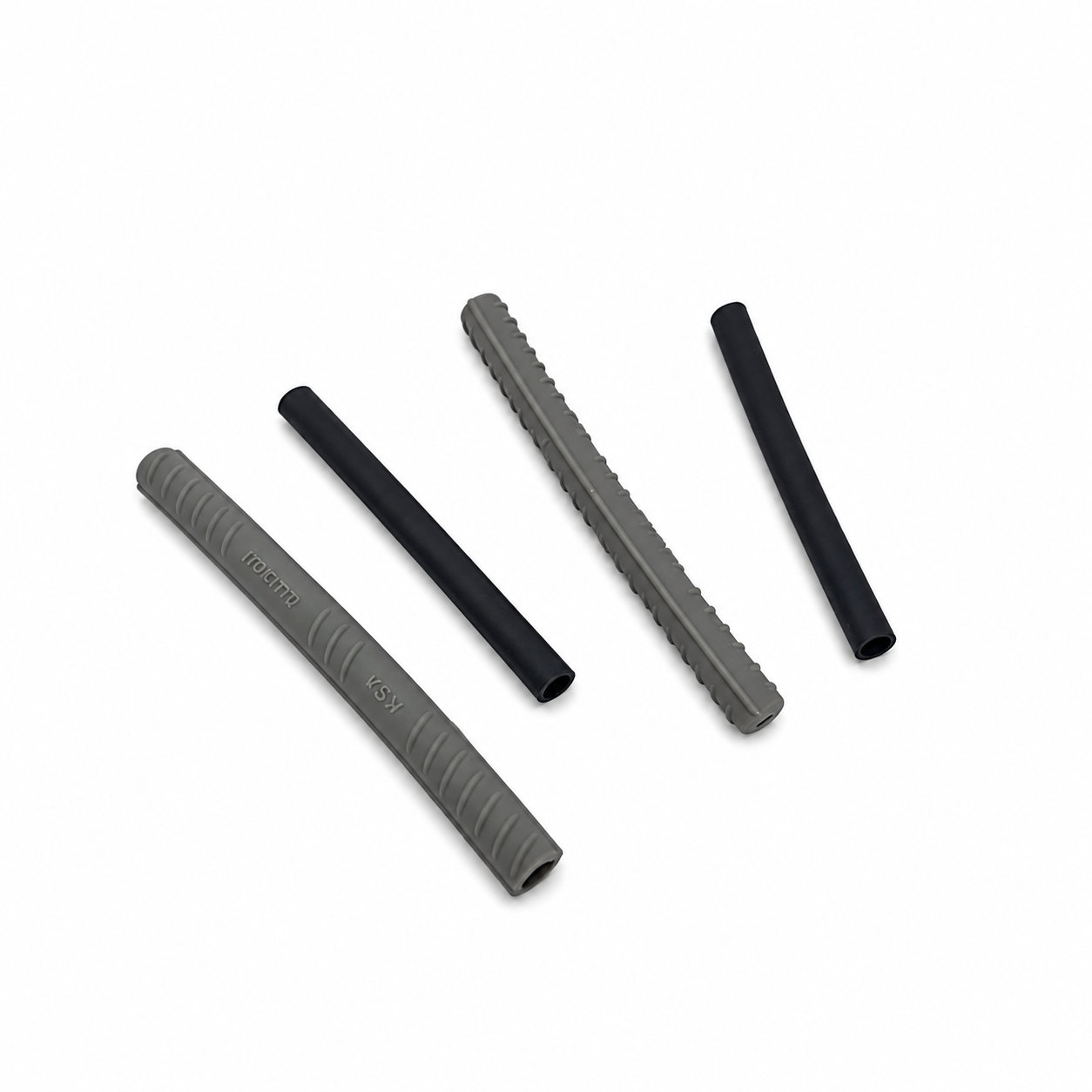
Custom manufacturing example · Custom made flexible silicone tube sleeves
CUSTOM RUBBER & SILICONE MANUFACTURING
A custom component for your assembly.
Define the mating surfaces, dimensions and working conditions. ETOL manufactures the part to the agreed design and material.
Share the part, its application and your estimated quantity.
Selected for the contact, temperature and movement
Define the visible surfaces and intended color
Develop holes, lips and walls around the mating parts
Match the attachment and installation method
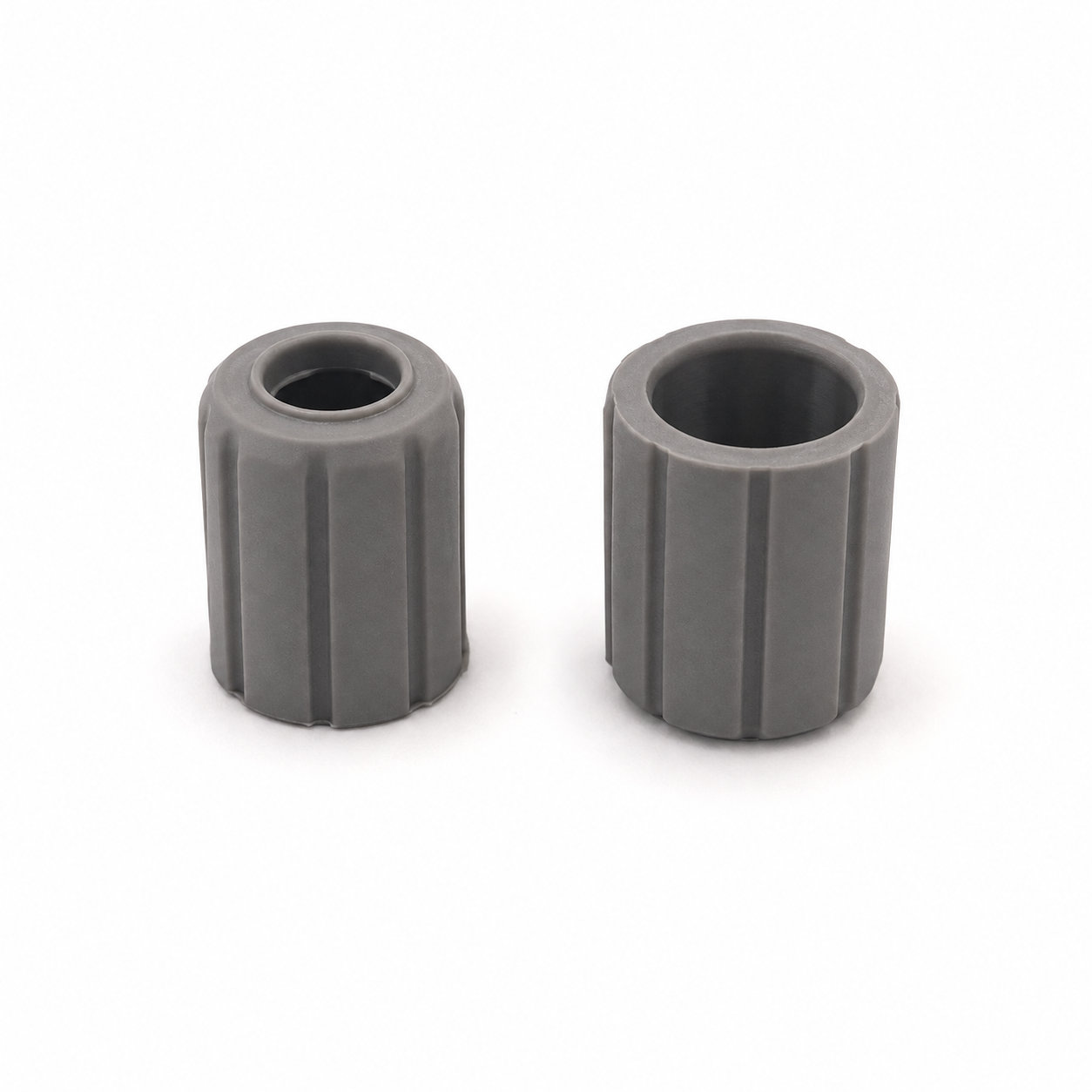
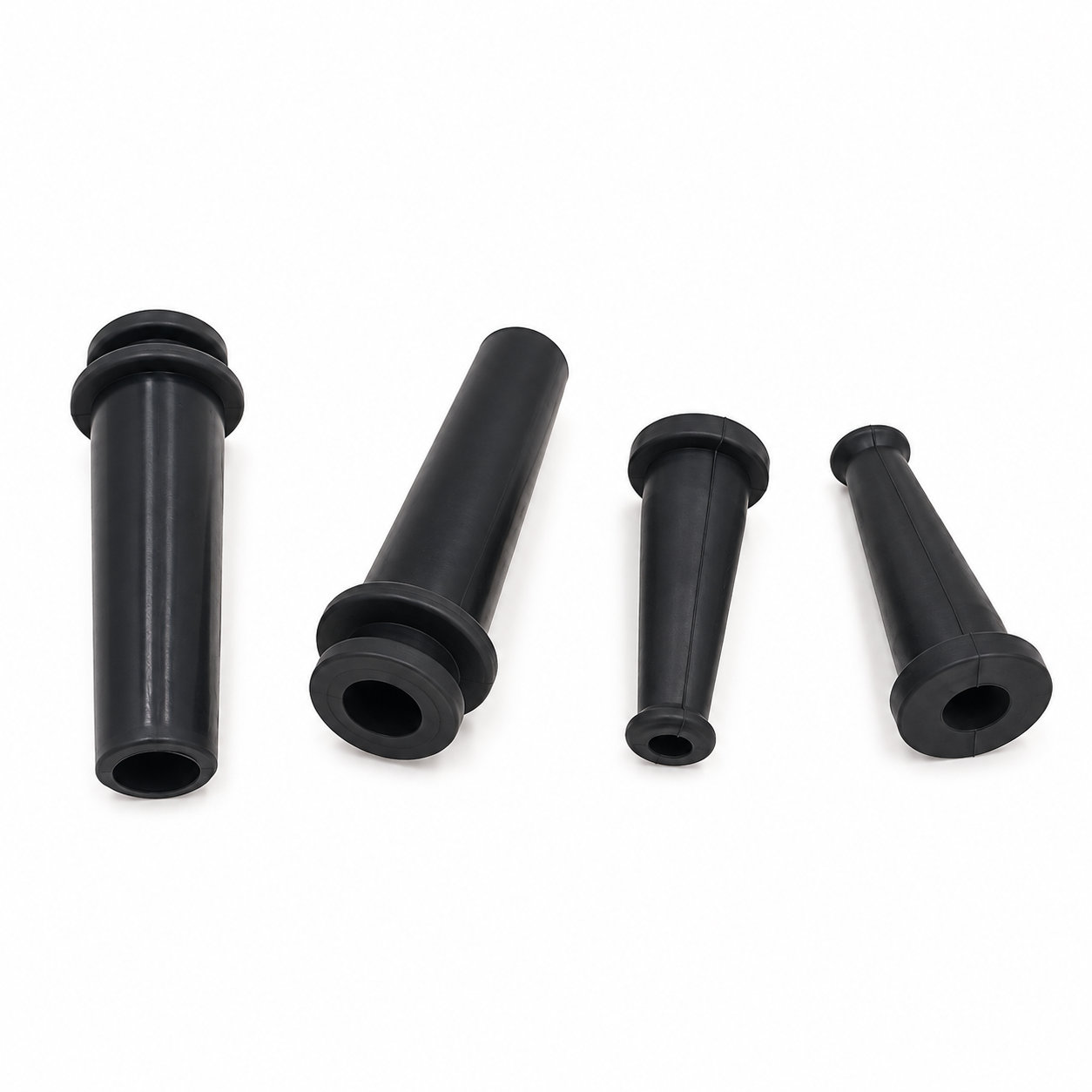
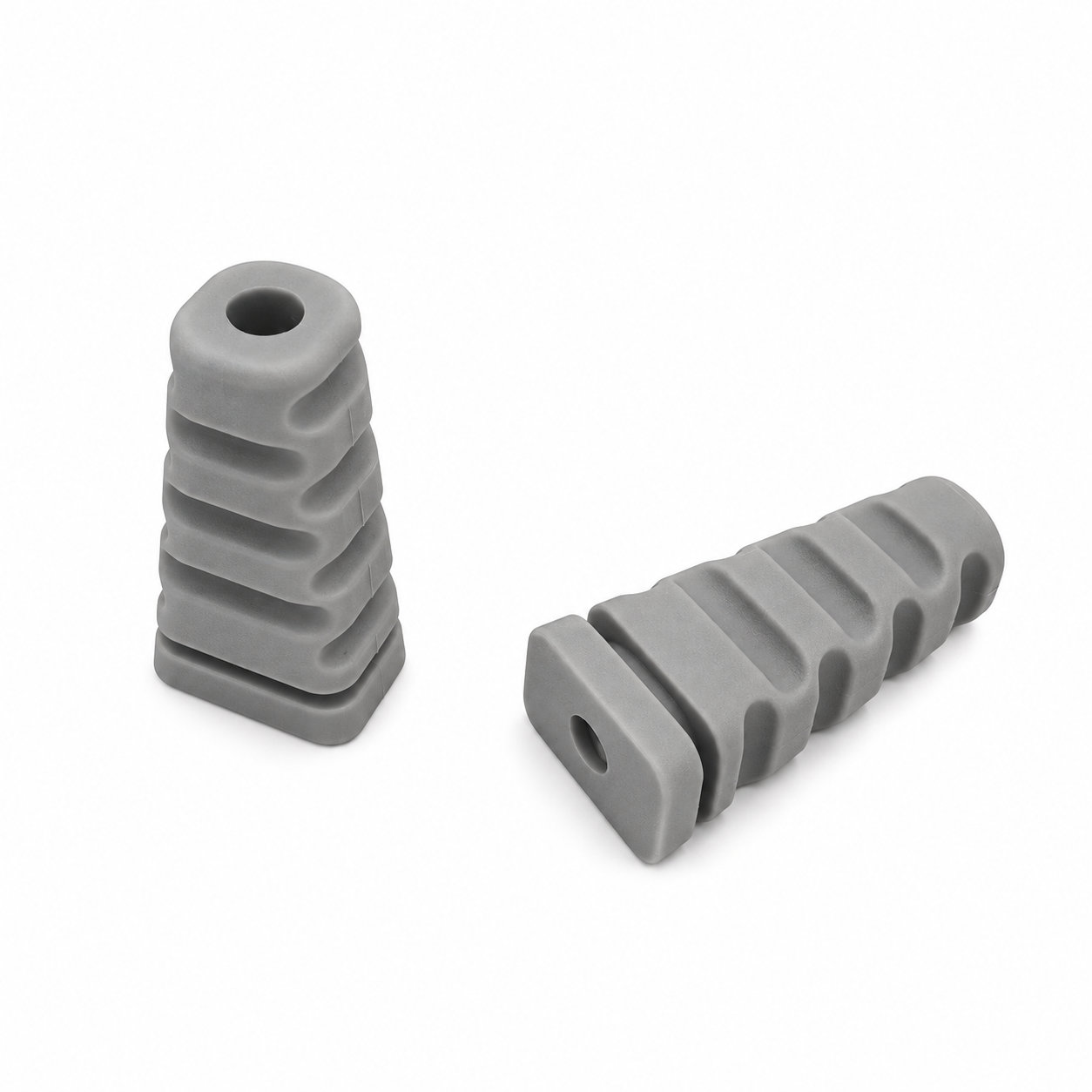
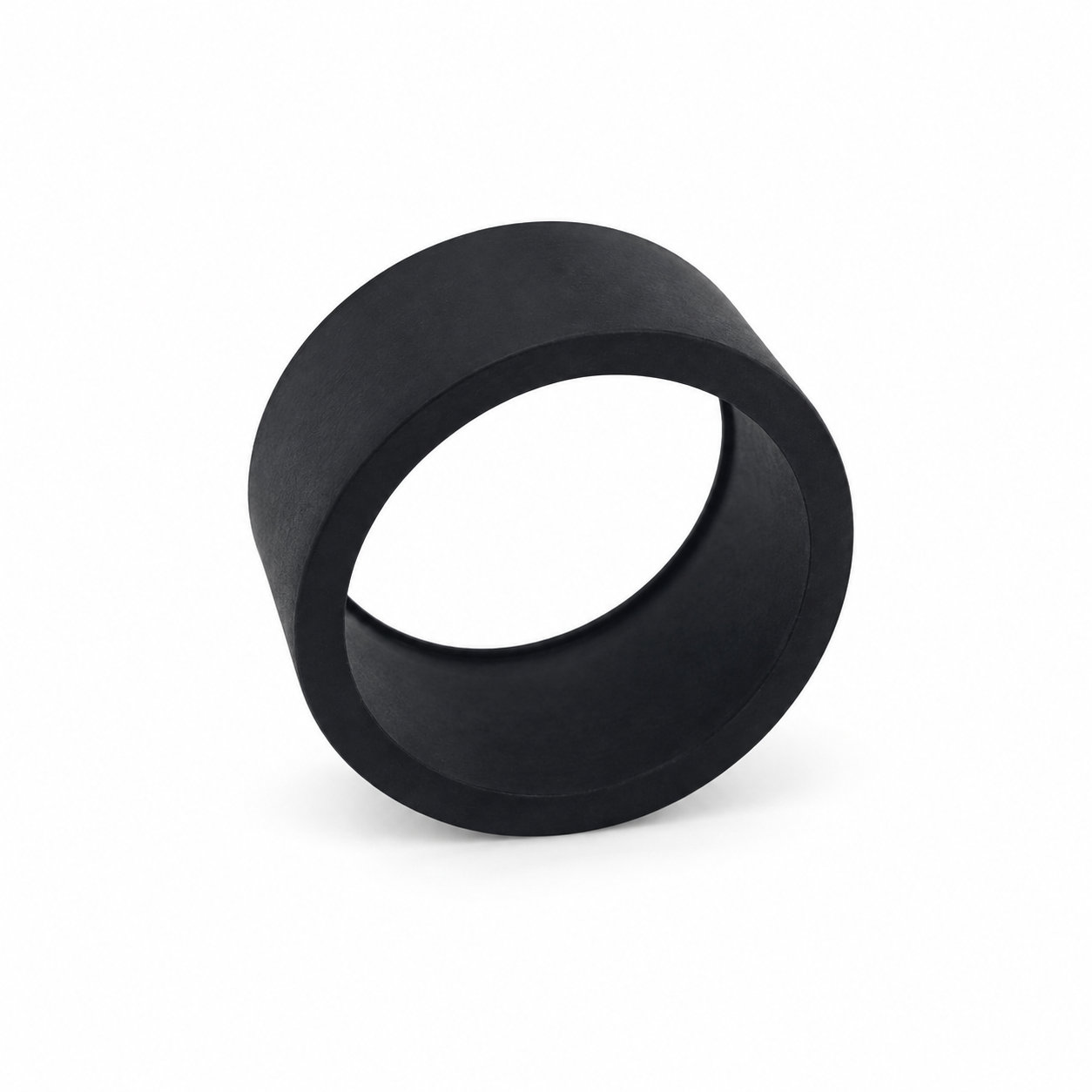
Silicone tube sleeves provide a custom rubber covering around a tube or similar elongated part. Their dimensions can be adapted to the outside profile and the length of the area being covered. A flexible sleeve needs enough room to follow that section without becoming folded or stretched out of shape.
Measure the tube where the sleeve will sit, including any change in diameter. A connector or enlarged end may affect the installation sequence even if the straight section is a good fit. The sleeve length should cover the intended area while leaving access to adjoining fittings or service points.
Fit the sleeve without winding it around the tube or trapping debris beneath it. Check the assembly in its normal position, particularly where a bend can compress one side of the rubber. A protective sleeve should not be assumed to serve as a fluid-carrying or pressure-rated tube unless that role has been established for the specific construction and complete assembly.
Photos illustrate structure or material appearance only. A flexible sleeve needs enough room to follow that section without becoming folded or stretched out of shape. ETOL directly manufactures custom-shaped silicone and rubber parts to your requirements.
Identify key dimensions, mating surfaces and quantity
Agree the compound and manufacturing approach
Review the fit and agreed requirements in the assembly
Manufacture and check against the approved requirements
Identify temperature, contact fluids and repeated movement.
Consider hardness together with wall thickness and support.
Check access, mating dimensions and the fitting sequence.
Yes. Show the receiving opening, contact surfaces and clearance limits. We can review the dimensions and retaining features around the intended fit.
Agree the critical dimensions, material, hardness, visible surfaces and sample requirements. Explain how the part is installed and which interfaces control its function.
A sample can help explain the structure. Compare it with the assembly because wear, swelling or compression may have changed its original dimensions.
The material, part geometry, tooling, quantity and finishing affect the quotation. Include the intended batch size and delivery destination when describing your requirements.
DISCUSS THIS COMPONENT
Share the fit, operating conditions and quantity with our manufacturing team.
EXPLORE RELATED DESIGNS
Explore similar part structures and applications for your next project.