Working conditions
Identify temperature, contact fluids and repeated movement.

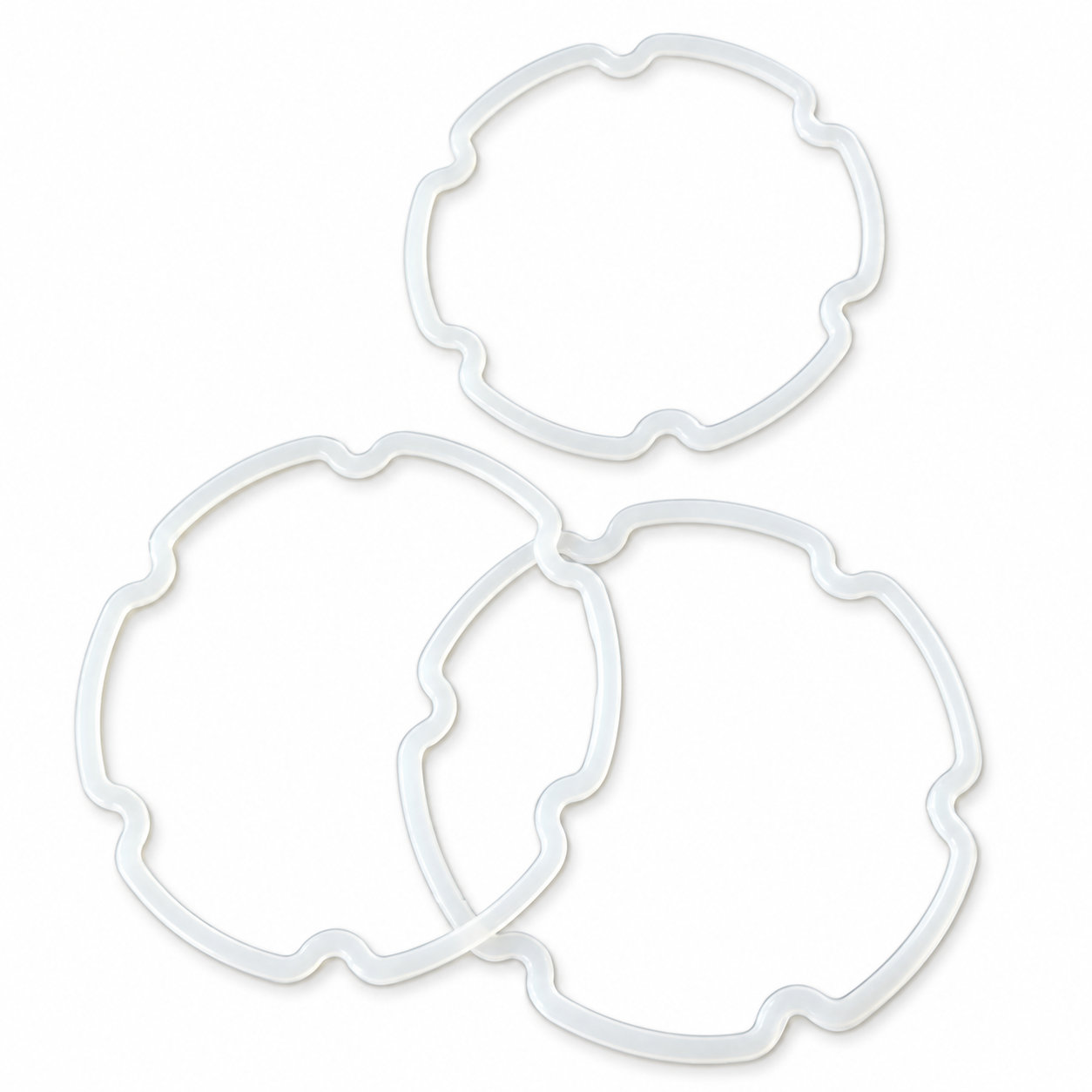
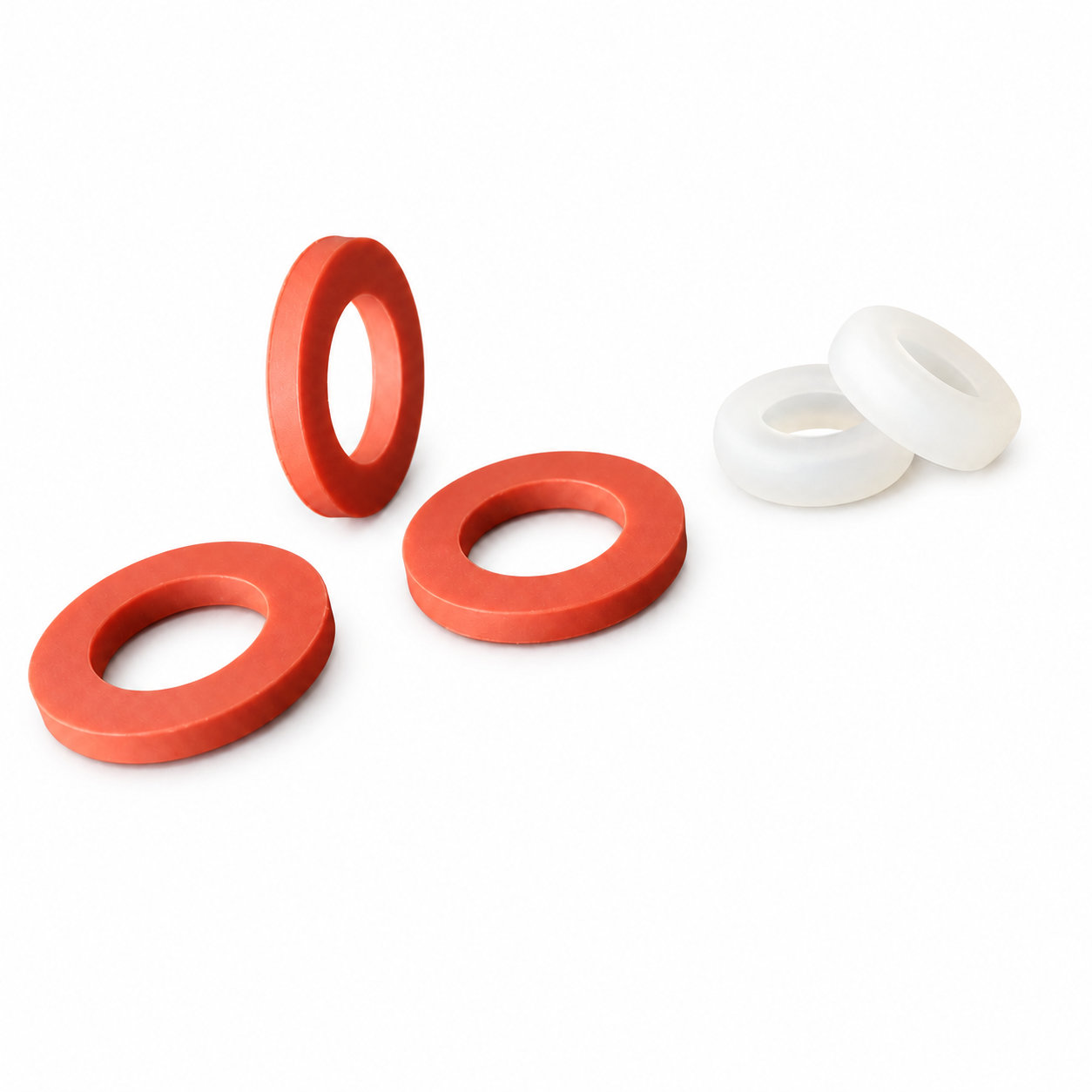
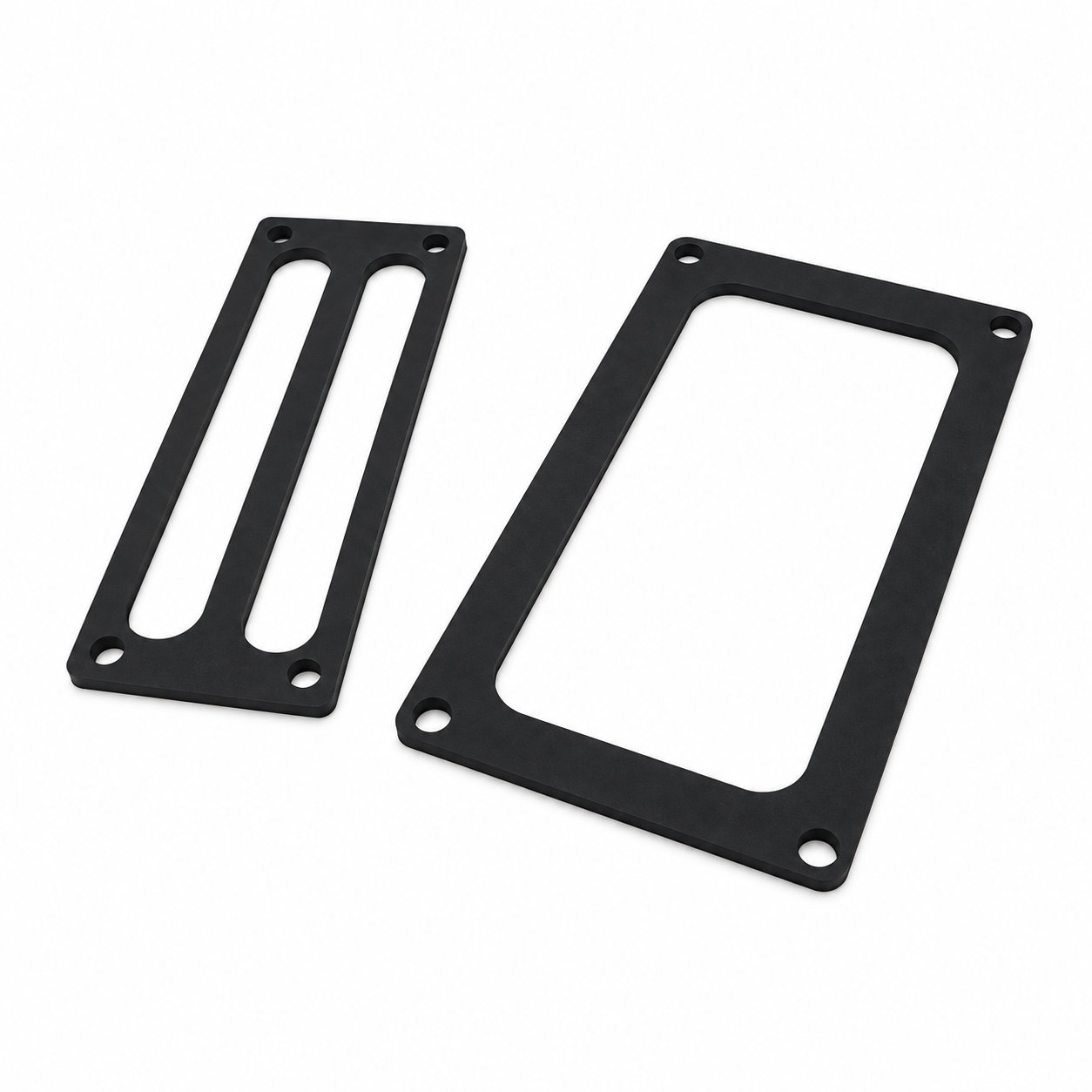
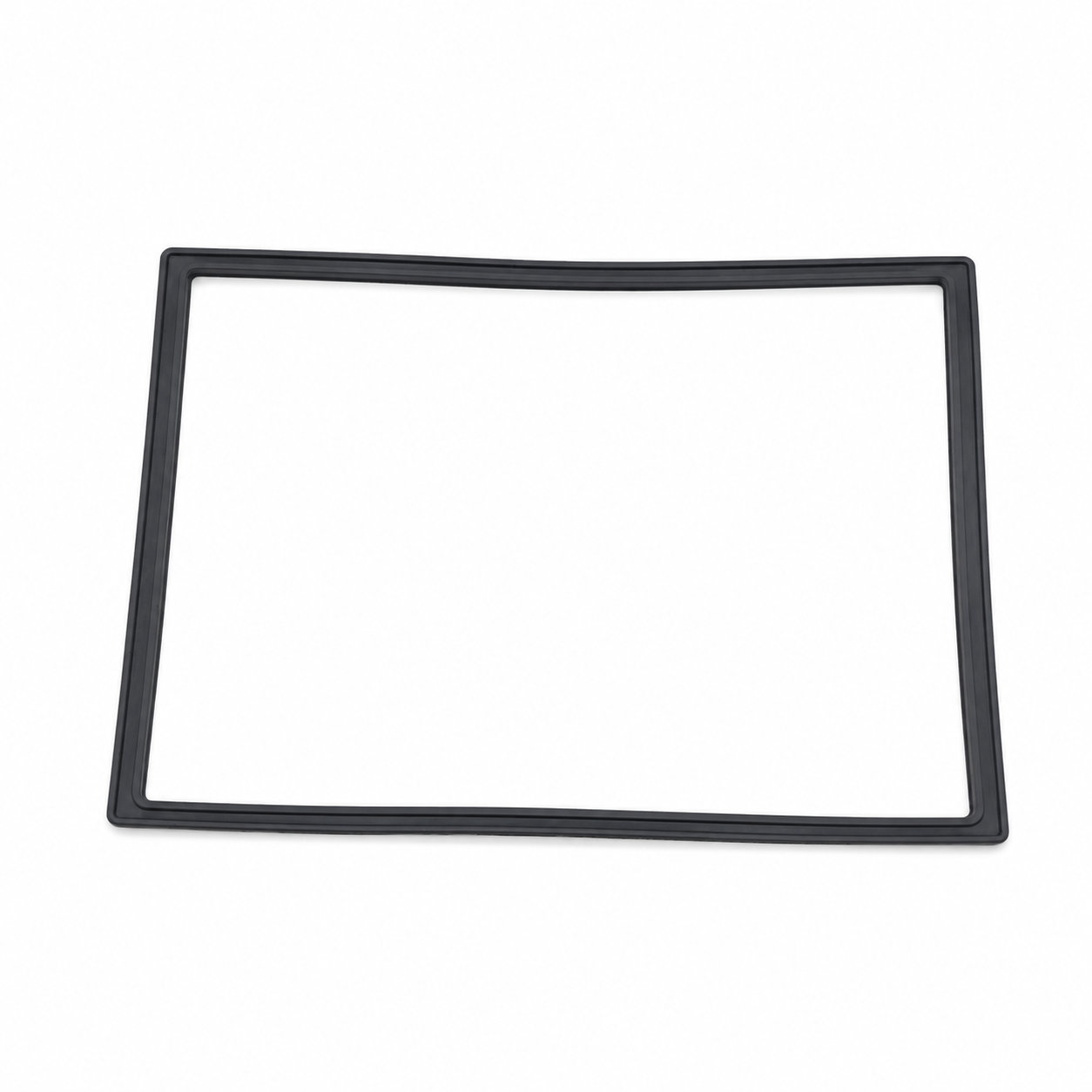
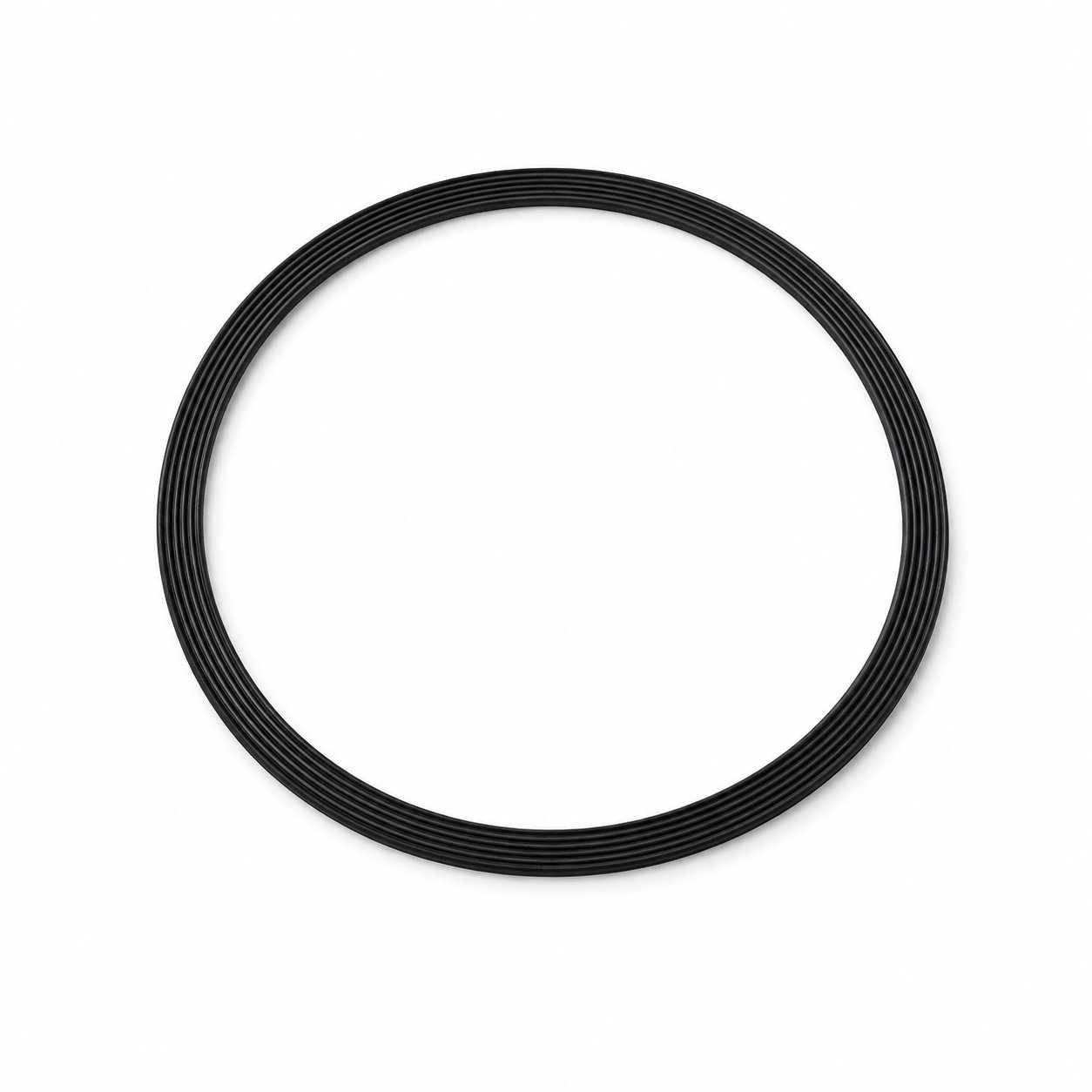
Custom manufacturing example · Seal heat resistant oilproof waterproof soft gasket rings
CUSTOM RUBBER & SILICONE MANUFACTURING
A custom component for your assembly.
Define the mating surfaces, dimensions and working conditions. ETOL manufactures the part to the agreed design and material.
Share the part, its application and your estimated quantity.
Selected for the contact, temperature and movement
Define the visible surfaces and intended color
Develop holes, lips and walls around the mating parts
Match the attachment and installation method
Soft gasket rings intended for heat, oil and water exposure should be selected around the actual sequence of service conditions. Identify the specific fluids, temperatures and contact periods rather than treating several broad resistance terms as one universal material specification.
Custom dimensions and compounds can be developed for the required joint. Match the section to the available groove or supported sealing face, including the space needed for the selected rubber to deform. A softer formulation still needs to remain located as the mating parts are assembled.
Evaluate the ring in the completed joint through the required operating and cleaning stages. Inspect for changes in section, seating or surface condition after exposure. If a used ring has swollen or flattened, compare the original design dimensions before selecting a replacement. Keep the designated compound consistent during maintenance and reassess it if the contacting fluids or temperature cycle have changed, rather than relying on the appearance of an earlier ring to establish continued suitability.
Photos illustrate structure or material only. the softer material must still have a supported position in your custom joint. ETOL directly manufactures custom-shaped silicone and rubber parts to your requirements.
Identify key dimensions, mating surfaces and quantity
Agree the compound and manufacturing approach
Review the fit and agreed requirements in the assembly
Manufacture and check against the approved requirements
Identify temperature, contact fluids and repeated movement.
Consider hardness together with wall thickness and support.
Check access, mating dimensions and the fitting sequence.
Yes. Show the receiving opening, contact surfaces and clearance limits. We can review the dimensions and retaining features around the intended fit.
Agree the critical dimensions, material, hardness, visible surfaces and sample requirements. Explain how the part is installed and which interfaces control its function.
A sample can help explain the structure. Compare it with the assembly because wear, swelling or compression may have changed its original dimensions.
The material, part geometry, tooling, quantity and finishing affect the quotation. Include the intended batch size and delivery destination when describing your requirements.
DISCUSS THIS COMPONENT
Share the fit, operating conditions and quantity with our manufacturing team.
EXPLORE RELATED DESIGNS
Explore similar part structures and applications for your next project.